
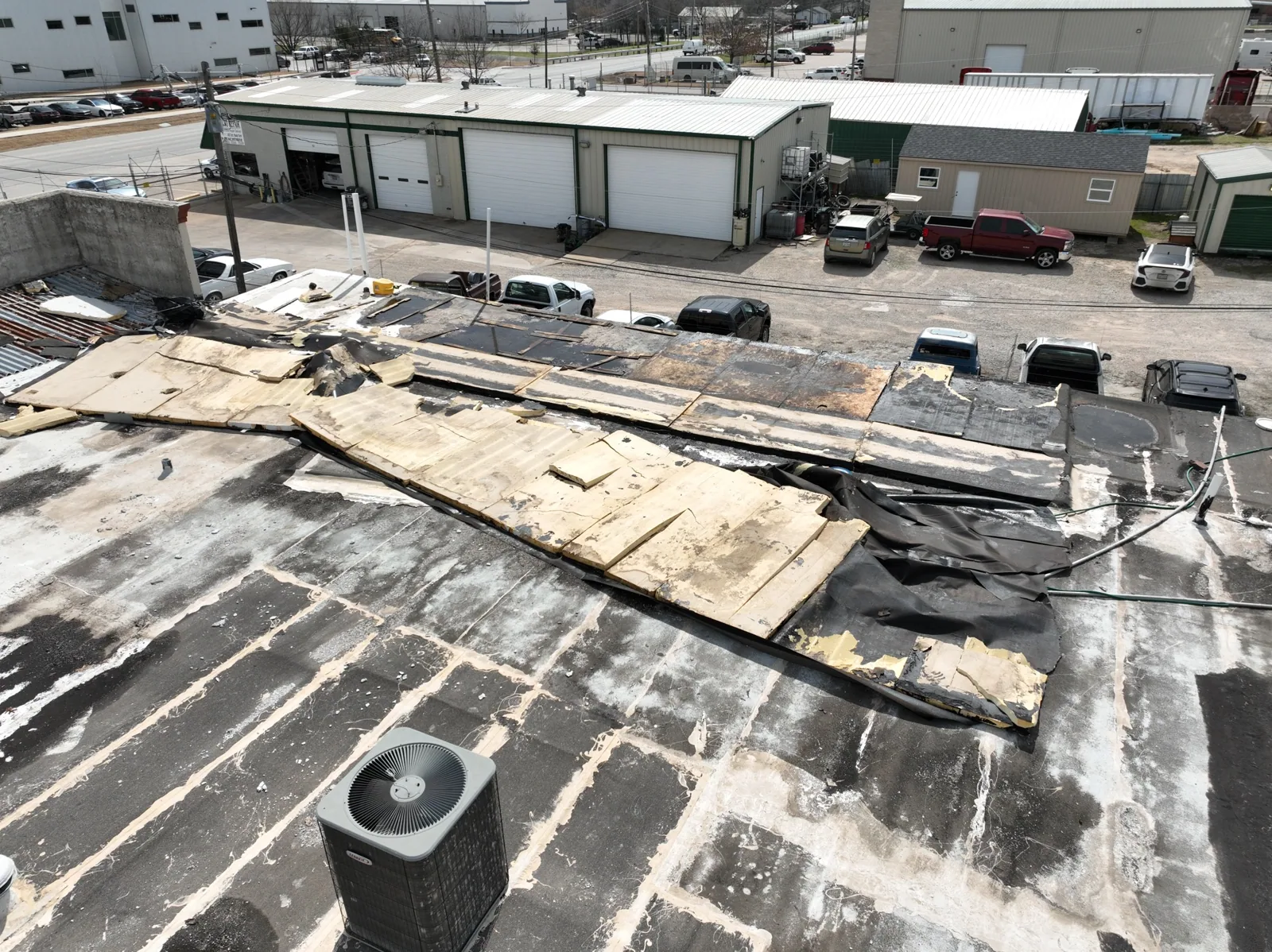
Wind Damage Roof Repair in Rancho Cucamonga
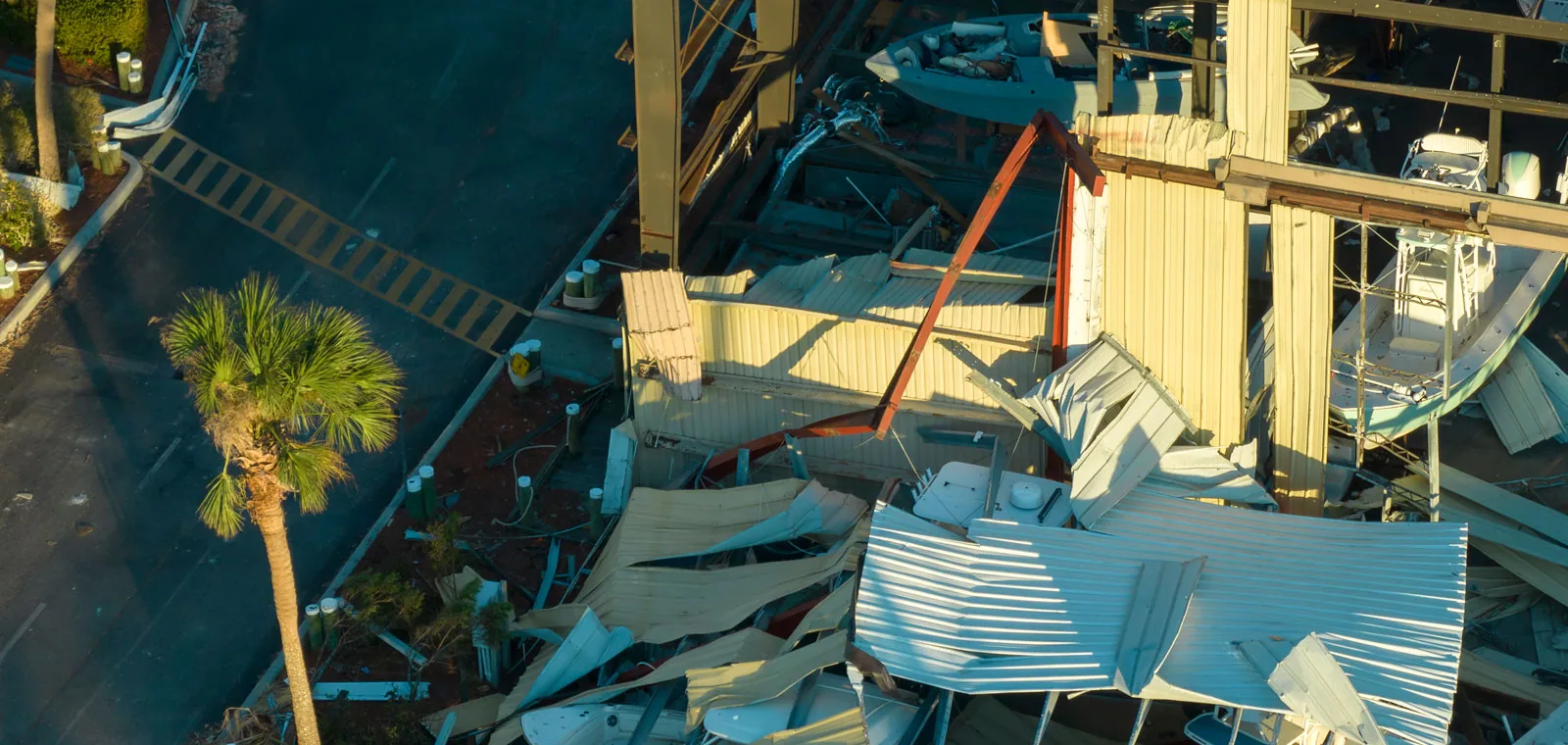
A section of edge metal peeled back on a warehouse roof is a real concern, but it doesn't prove the whole roof is failing. It means someone needs to inspect safely and see how far the damage goes. We define what we inspected and the repair it supports.
There's also the immediate question of safety. Loose metal or membrane over a walkway or loading dock may mean closing that route. Your facility manager and any needed specialists make that call before we plan the roof work.
We record the damage, the temporary protection and the permanent repair separately. That gives you a clear explanation of the cost, with any unknowns still listed instead of buried in a vague storm-repair line.
A safe inspection comes first
We note the building and where on the roof the damage is, when it was reported and any access limits. Staff shouldn't walk across loose material to get close-up photos. A route that was safe before the wind may not be safe now.
Our emergency roof repair team looks at what's open and what can be protected right away. Crew availability, safe access, weather and the roof type decide what we can do. A call doesn't mean we can reach every damaged area immediately.
Buildings near Milliken Avenue and in Etiwanda run very differently. We work with the actual property and its manager. The location doesn't tell us how the roof is built, whether equipment is clear, or whether we can block a delivery lane.
Structural or electrical hazards go to the right specialists before our plan depends on that area.
We photograph what we can see from a safe spot, with dates and roof locations, so you know where the damage is without us claiming we checked every hidden fastener.
Once it's safe, we check the area where damage was reported along with roof edges, corners, seams, rooftop equipment and anything loose or shifted. We record what we can see from approved access and separate fresh movement from older wear where the evidence supports it. Wind can also expose a weakness that was already there, which gets documented separately. One displaced piece doesn't prove the cause; a clearly located finding lets you decide whether more testing or a separate professional assessment makes sense.
The evidence sets the repair limits
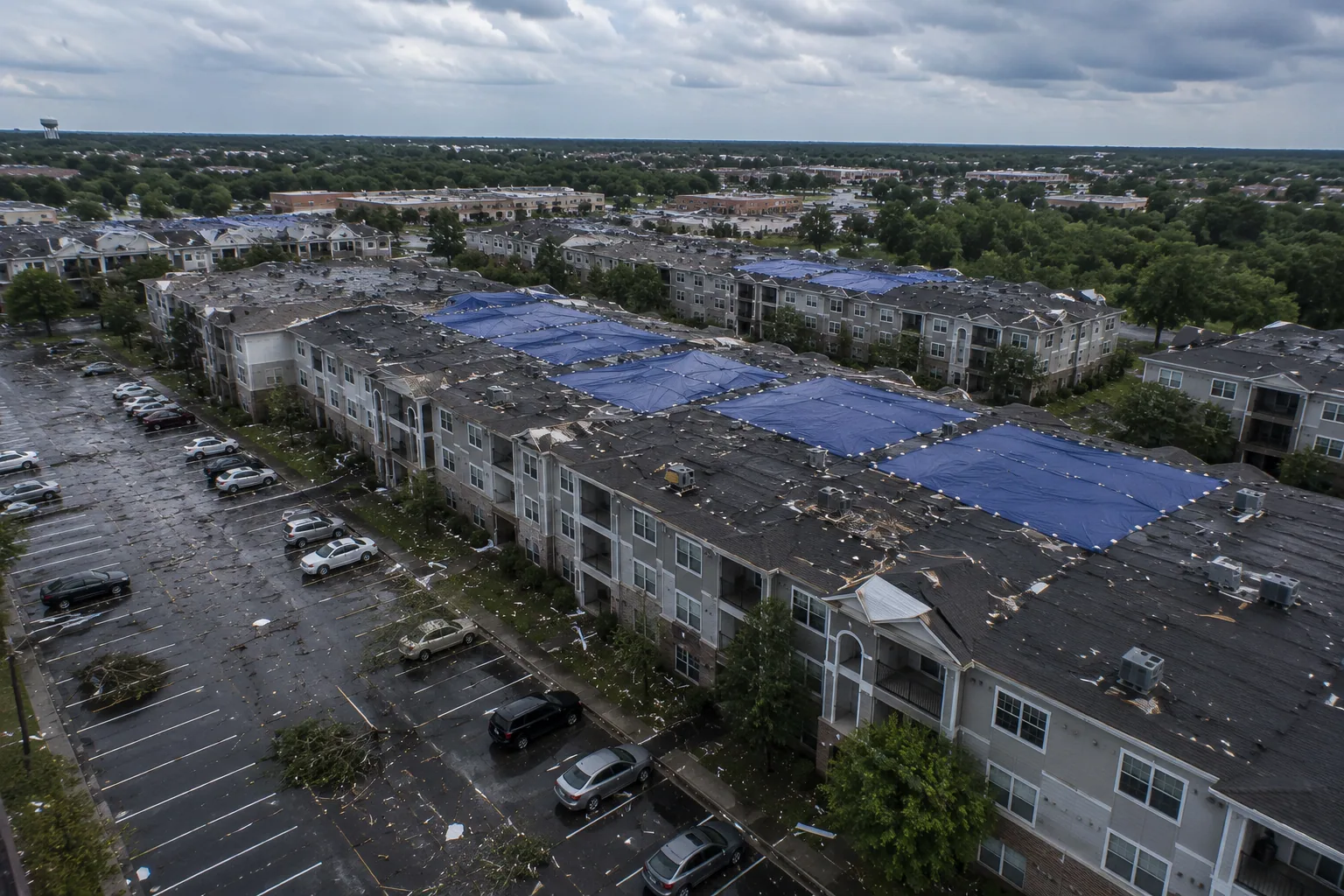
Our storm damage roof repair inspection checks fasteners, the material around the damage and any past changes. Knowing when the storm hit helps organize the findings, but it doesn't prove every defect started that day.
We keep what we found on the roof separate from maintenance notes and weather reports. Those help us decide where to look. Guesses about cause shouldn't set the repair quantity or promise an insurance result.
We spell out what the repair needs to tie into. A loose coping cap may involve the wood nailer, fasteners or membrane underneath. If the repair grows, we explain why.
The choice is straightforward: repair what the inspection supports, and test what's still uncertain before calling it tear-off.
Core cuts show layers and condition at each spot. Wider damage needs enough samples to back it up. Infrared readings need interpretation and confirmation, not automatic conversion into a damage area.
Temporary and permanent repairs do different jobs
Temporary work gets a location, a method and a follow-up date. We note how it's held down, its limits and what would require another look. A tarp is not a promise the area stays dry through every storm.
Edge metal and coping repair includes everything the detail needs. Replacing a metal piece without fixing a rotted nailer or the membrane tie-in leaves the job unfinished, so we price them together.
Membrane puncture repair fixes confirmed holes where flying debris hit the roof. Debris marks don't always mean the membrane is punctured; we check before choosing the repair.
A low price can leave out the work behind the visible piece. Compare the full job, not just the replacement part.
The estimate lists tear-off, prep, disposal and protection. Confirmed quantities are priced apart from hidden-damage allowances. Anything new is located, priced and approved before the work expands.
The building keeps running around the work
For a building near Victoria Gardens, we confirm the exact property and how shoppers move around it. The landmark helps us find it, nothing more.
For work on occupied buildings, we plan around the rooms and services below. We ask about stock, customers and operating hours. If the repair area grows, protection and material handling may need to change too.
Your facility manager and the electrical or mechanical contractor approve any shutdowns. Their plan controls when equipment goes off and back on, and our crew keeps clear of running intakes unless they've arranged otherwise.
Tear-off is timed around deck condition and the ability to protect the opening. Product limits and the weather decide when we install. New findings may mean a smaller phase or a different day.
At that point you need to make a call. We keep a decision contact and the temporary protection plan in place if the bigger repair can't start yet.
Wind repairs still need code review
We confirm the building department, the permit timing and the work involved. Rancho Cucamonga publishes its code list with the January 1, 2026 filing change. The actual scope and local amendments still get reviewed.
Santa Ana winds are a good reason to check edges and plan carefully. They are not a design wind load for a specific building or proof of what caused the damage. The roof system follows the actual design requirements.
Changes to equipment supports or other structure need the design team. We can point out the concern; we don't approve structural adequacy. The finished roof follows the approved design.
Those questions get answered before material is ordered, so a pending design or access decision isn't hidden behind a product choice.
The finished repair stays separate from the claim
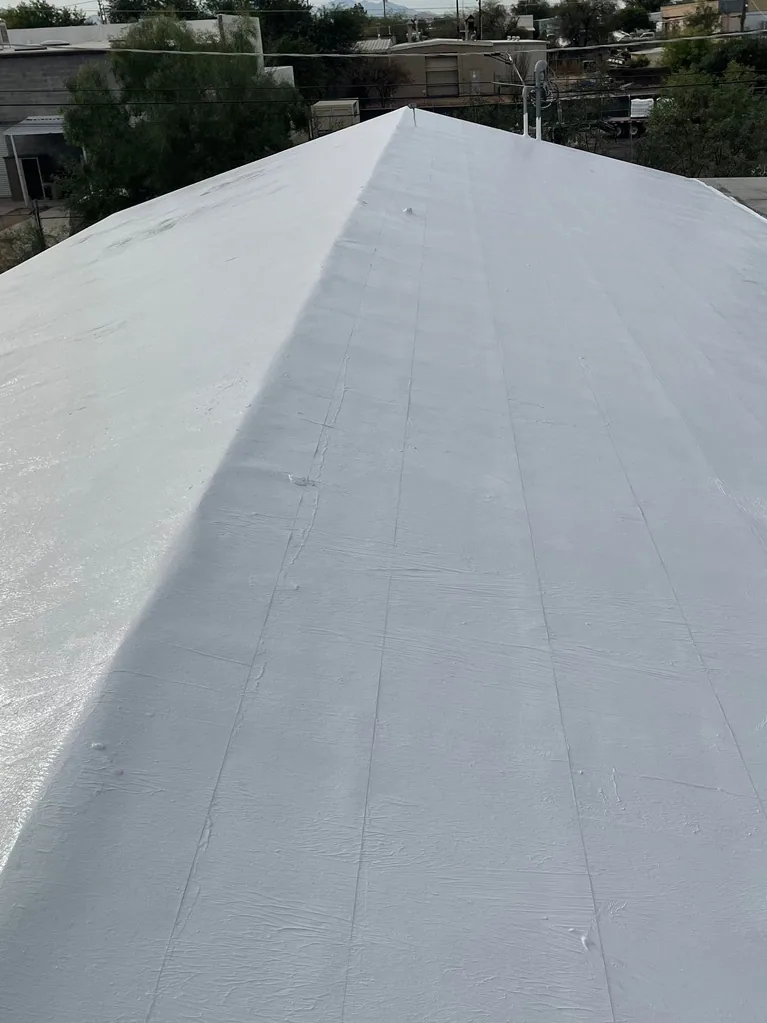
We photograph prep and finished edges and membrane repairs at locations you can find, and keep approved quantity changes and materials on file. Any temporary protection still in place is listed with its follow-up.
Our roof insurance claim help organizes the roofing findings and priced scope. Your insurer and advisers decide policy and payment questions. We don't claim a cause we can't verify or promise coverage.
Our roof condition report lists areas we couldn't reach and open recommendations. For buildings in the Rancho Cucamonga industrial district, it keeps the property address and approved access with the file.
Before sign-off we check that every temporary repair has been replaced or scheduled, and list equipment, interior or other work assigned elsewhere. Roofing completion means the approved roofing work is done.
The next manager gets that in writing. Later issues get new dates, and the original damage notes and finished repair stay available for comparison.
Later equipment changes are logged with dates and who did them.
Shifted flashing gets checked for how it's attached and what's behind it. A new cover alone may skip the prep. You approve the full repair the inspection supports, with a specialist assigned if what's underneath is still uncertain.
Commercial Roofing Questions
What decides the first action after a damage report?
Safety and immediate exposure. Your facility team and any needed specialists set access limits before roof work starts in that area.
Does edge displacement justify whole-roof removal?
Not by itself. We inspect the damaged area and define either a supported repair or the testing needed to decide.
How should temporary work be described?
By where it is, how it was installed, its limits and when it gets replaced. It's kept separate from the permanent repair.
What helps the owner explain the expense?
Dated findings, approved quantities and photos of the finished work kept together, with other trades' work and any open testing listed.
Get a clear wind damage repair scope
Schedule a Rancho Cucamonga roof inspection. We'll explain what's exposed, how to protect it and the permanent repair the inspection supports.