
Roof Flashing Repair in Rancho Cucamonga
Is a leaking curb flashing on a warehouse roof worth repairing, or does it need to be rebuilt? That depends on the membrane around it and how much height there is to work with. A fresh bead of caulk can look fine while the flashing behind it has pulled loose. We check what's underneath before calling a repair done.
You should know exactly what you're paying for. We identify the flashing, the prep it needs and any other trade that has to move a unit or fix a wall first. A small-looking detail sometimes has a bigger job behind it.
A retail store or office has different limits on noise and access than a warehouse with the same flashing problem. We ask how the space below is used before picking the work day, and those conditions go into the proposal with the repair itself.
We check the whole flashing, not just the gap
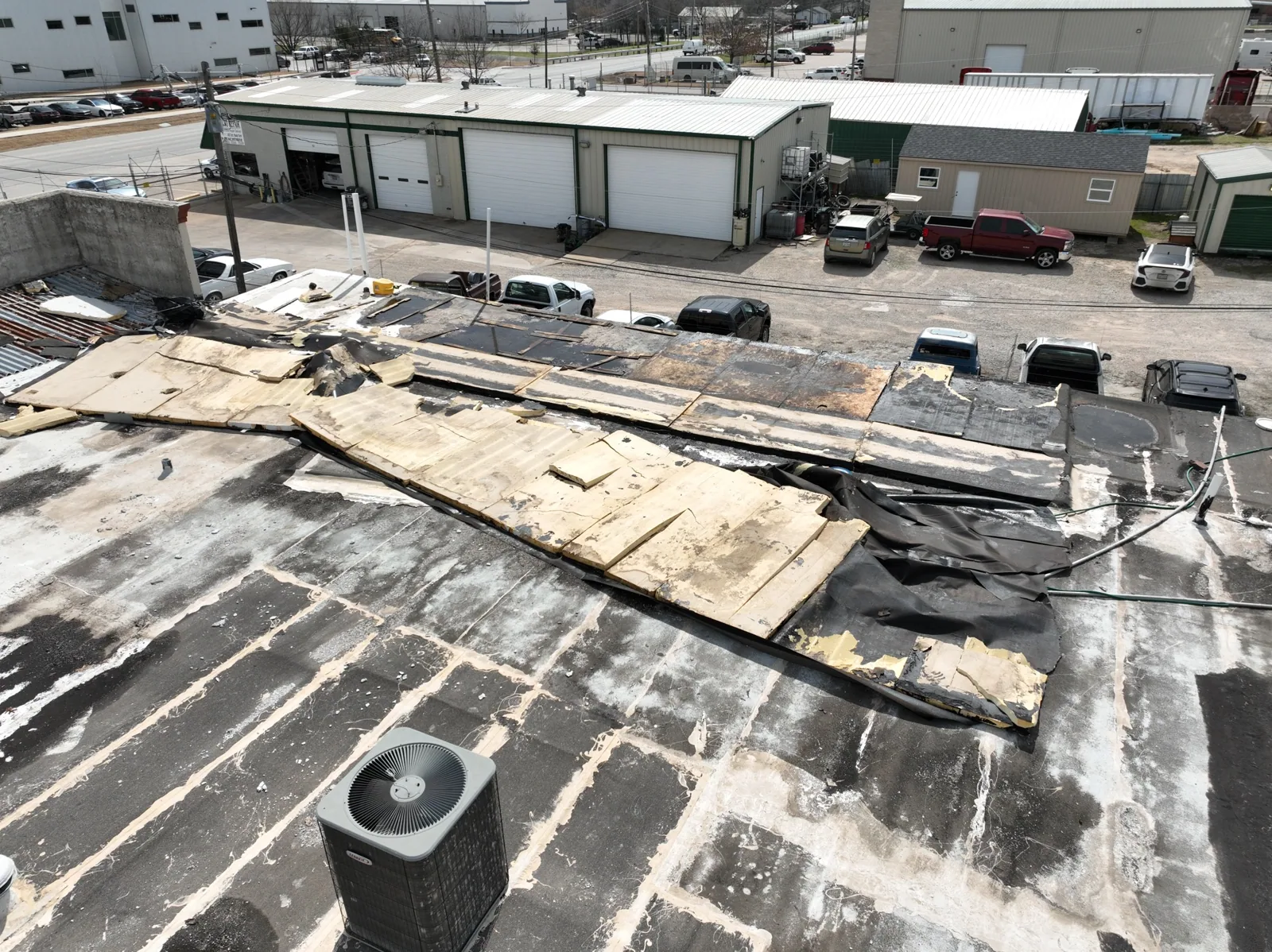
We note the membrane type, whether the flashing runs up a wall or a curb, and how it's fastened. Old patches, coatings and later changes get recorded too, because what's hidden behind the visible face can change how the new flashing has to be installed.
Our skylight and pipe flashing repair matches the detail already there. A pipe boot, a wall transition and an HVAC curb each need different materials and steps, and the estimate prices them separately instead of lumping every flashing into one allowance.
Photos are dated and tied to roof locations someone else can find. Where flashing height matters, we measure it. Extra roof layers or a raised unit can leave too little room for a proper flashing at the top.
Plenty of this work happens on industrial buildings near Milliken Avenue and Etiwanda, but each property sets its own access rules. Moving a unit or opening a flashing above occupied space needs the owner's go-ahead.
Every finding notes what we could see and what was hidden or out of reach before we recommend the next step.
Trace the junction across its full transition: wall or curb, membrane termination, counterflashing and the adjoining field sheet. A visible gap may be the entry point, or water can travel from a higher connection before appearing at the interior. Photograph each interface before disturbing it, then open only the authorized area needed to check concealed material. The repair boundary should extend to sound material and include the components that make the transition work together.
The repair needs sound material around it
A lasting flashing repair needs clean, sound material to bond to and products that work with your roof. Rot, dirt or old coatings mean more prep. If the area around the leak can't hold a good repair, we explain how much more has to come off.
Our commercial roof leak repair work compares what you see inside with the details on the roof. Water can travel well away from where it gets in, and equipment or a wall problem may need another trade.
A visible gap in flashing is a good lead. It doesn't prove that spot caused every stain below.
If wet insulation could change the repair, we recommend a test cut first and agree where it goes and how it's closed up. A core describes its own spot; bigger quantities need more evidence.
Infrared scans need interpretation and a core to confirm. A scan alone won't pinpoint the leak or show all the hidden damage.
The price includes the work behind the flashing
The estimate lists tear-out, prep, materials and any wall or curb rebuilding, plus hoisting, disposal and protection inside. A clean flashing line can depend on several steps you won't see from a roof overview.
Edge metal and coping repair may be part of the job where the flashing meets the parapet. Swapping the cap alone doesn't fix a rotted nailer or loose membrane underneath. We price the repair the detail actually needs.
Sealant has a place in a good detail. It is not a fix for bad membrane, missing wood blocking or a flashing you can't properly terminate.
Confirmed work and possible extra work are priced separately. If we find more damage, we mark it, measure it, price it and get your approval before the scope grows.
That way you can see which number fixes the known problem and which question still needs an answer.
Other trades get the curb ready first
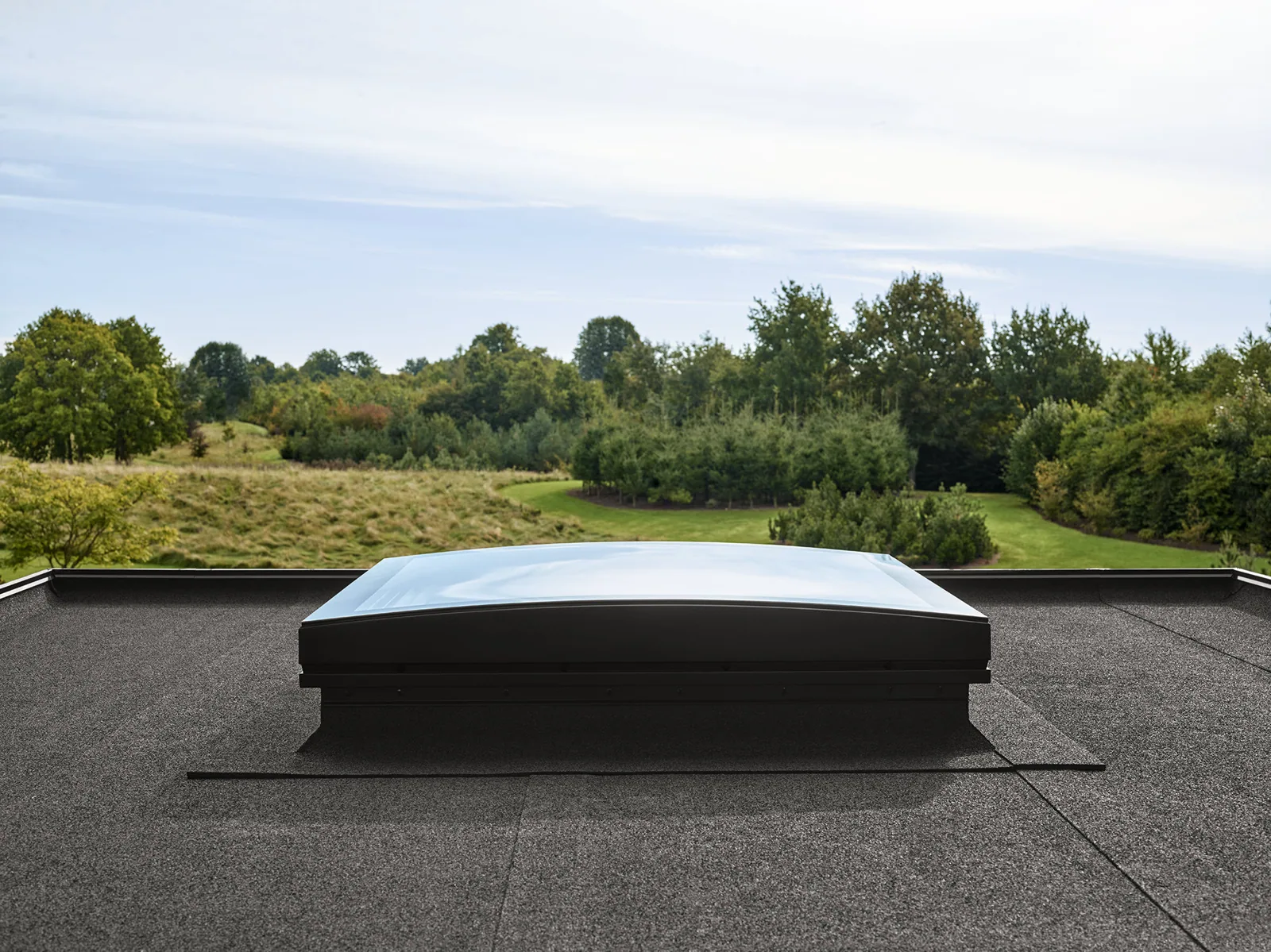
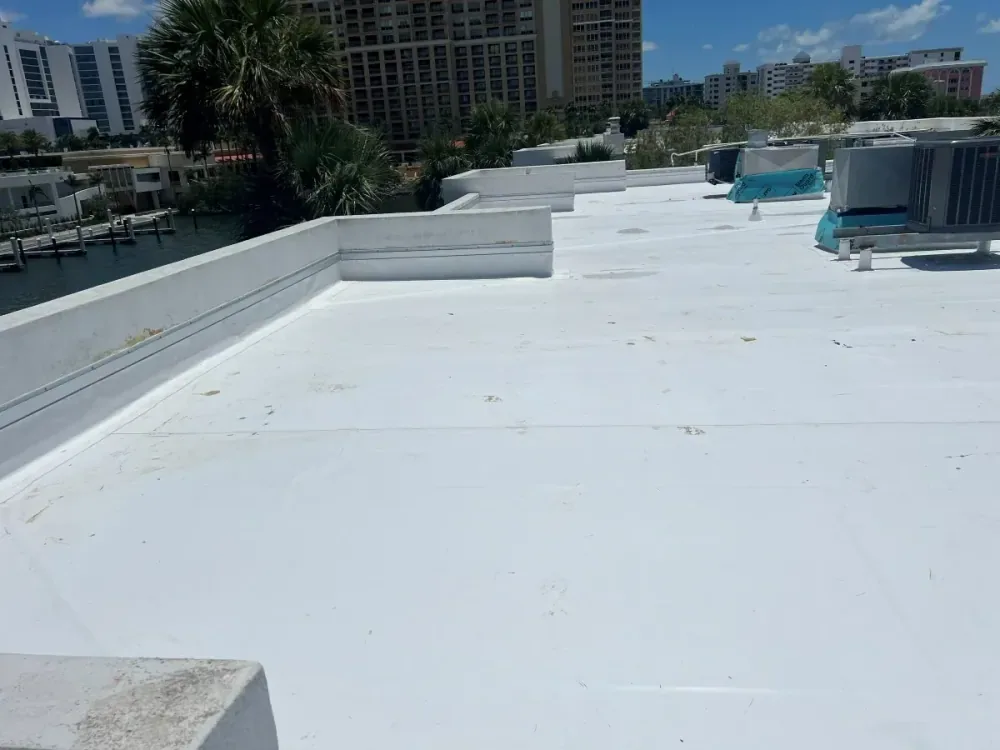
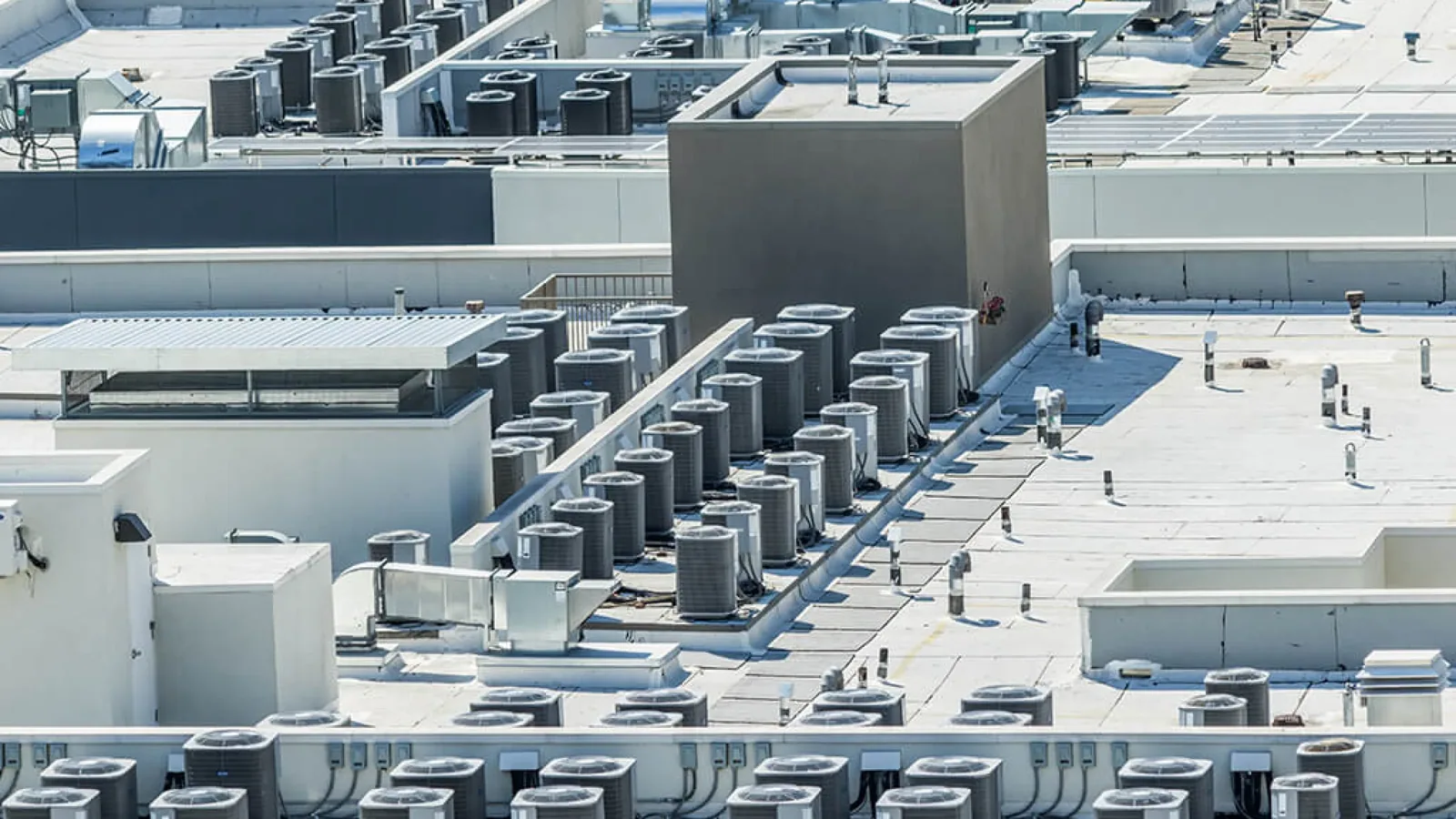
Our curb and equipment support work sorts out what has to happen before the flashing goes on. Lifting a unit, changing a support or disconnecting service may belong to the HVAC or electrical contractor, and we confirm the curb is ready before we start.
Your facility team and the mechanical or electrical contractor schedule shutdowns and restarts. Being on the roof doesn't give us the right to shut equipment off, and we don't tape over running intakes to make our job easier.
For a store near Victoria Gardens, we confirm the exact property and the routes for customers and deliveries. We stage only where the owner says we can, not in a neighbor's lot.
Store hours and other limits go into the plan, since a short work window can change how the job is phased and what it costs.
For work over occupied space we ask what's below the flashing: offices, stock, sensitive equipment. Weather and the product's requirements also decide the work day. If the repair can't be finished in one visit, the opening is closed up and protected.
Code and design requirements stay with the detail
We confirm which building department covers the property and the scope. Rancho Cucamonga lists its current codes by plan filing date, with the change on January 1, 2026. Local amendments and the project details still need checking.
Changes to structural supports need the engineer or other design professionals. We can point out a concern, but we don't sign off on structure. The flashing ties into whatever wall or curb design is approved.
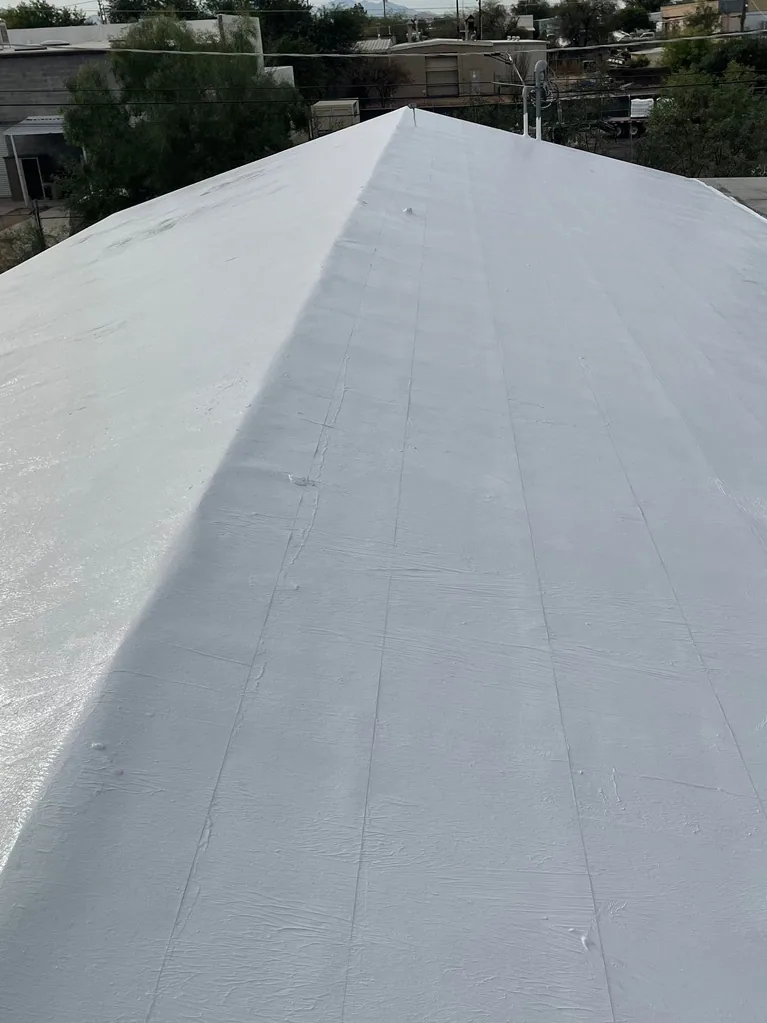
Energy Code requirements depend on the work and have different compliance paths and exceptions. They come into play when the roof system changes. A white membrane by itself doesn't prove compliance.
We check heights before ordering material. If the roof and a new equipment support aren't reviewed together, there may not be enough room left for a proper flashing.
The finished flashing gets a dated record
We photograph the prep work before it gets covered and keep the products used, locations and any change orders together, so you can match the invoice to the actual flashing repaired.
Seam repair may be needed where the flashing meets the main roof. We say whether it's included. Other defects nearby that aren't in the approved scope get their own recommendation.
Our roof condition report keeps track of what wasn't inspected and what's still open. Jobs in the Rancho Cucamonga industrial district use the building's own names and locations.
Warranty terms may require notice, maintenance or approval before changes. Keep those documents handy before the next contractor works on the roof. One repaired flashing doesn't mean every other detail is covered.
If water shows up later, we log the new date and anything that changed on the roof, then compare it to the repair record before assuming the same flashing failed again.
If a membrane puncture next to the flashing affects the prep, we locate it, measure the repair and get it approved. Both spots stay in the record so the next person can see what each part of the work fixed.
Commercial Roofing Questions
What decides whether a flashing repair is suitable?
Whether the wall or curb and the membrane around it are sound enough to hold a proper flashing. If hidden rot or wet insulation could make it bigger, we check that first.
When should another trade enter the scope?
When a unit has to be lifted, a support changed or power shut off before the flashing can be done. We line that up before pricing assumes the curb is ready.
Can a bead of sealant settle the correction?
Only when it's part of a proper flashing detail. Caulk won't fix bad membrane or a rotted curb behind it.
What keeps later reports useful?
Dated photos and locations of the finished repair. A new leak gets its own inspection instead of being blamed on the old spot automatically.
Find out what's behind the flashing leak
Schedule a Rancho Cucamonga roof inspection. We'll explain the right repair, the prep it needs and any HVAC or wall work involved, in writing, before you approve anything.