
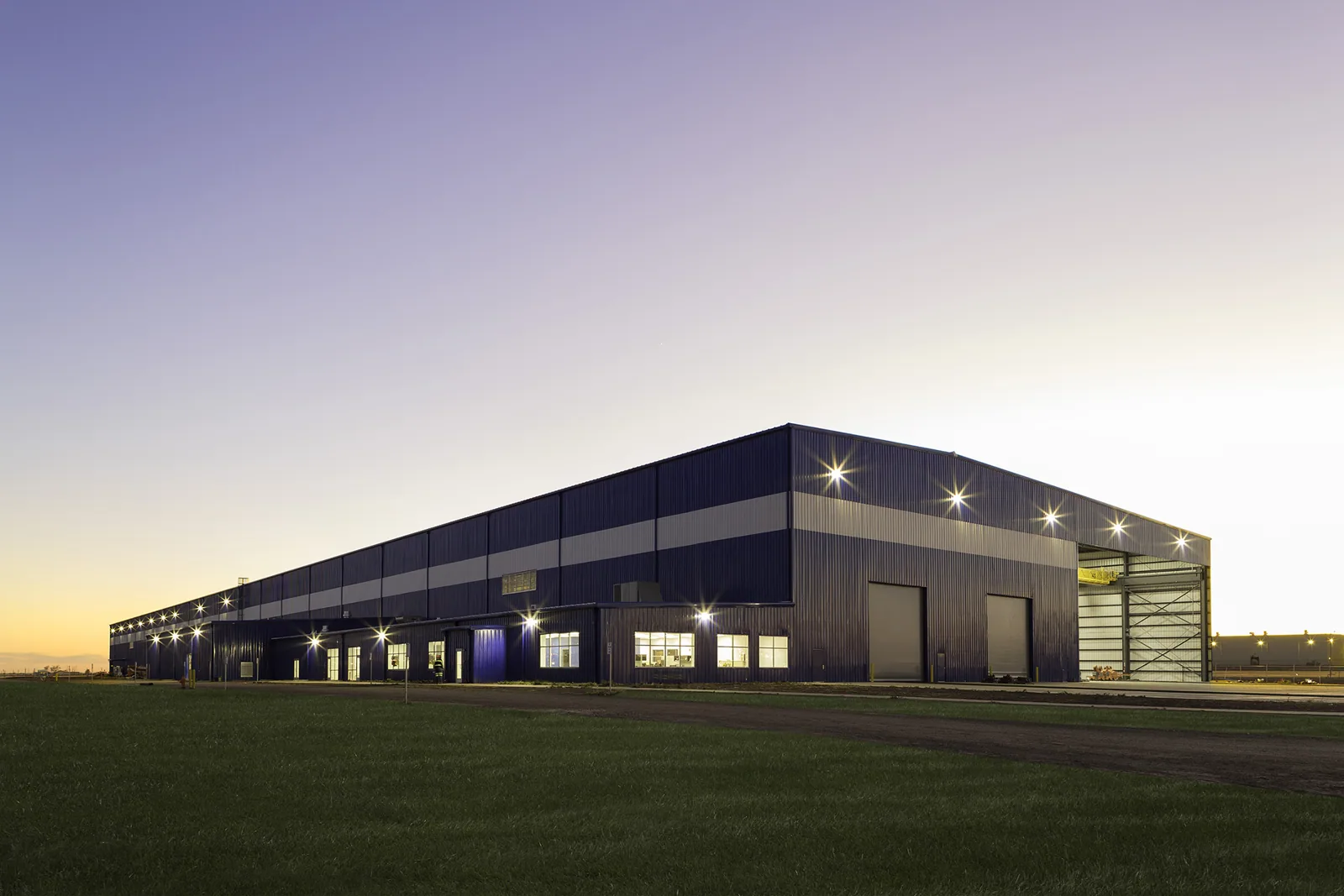
Manufacturing Plant Roofing in Rancho Cucamonga, CA
If a plant near Milliken Avenue is adding or swapping a rooftop exhaust fan or air unit, will there be enough room left to flash it properly? Measure that before the equipment is ordered and placed. Manufacturing plant roofing in Rancho Cucamonga, CA, looks at the curb, the roof around it and the order the trades will work in. We put the roof work in writing along with the repair the findings support. Structural and operating decisions stay with the plant's engineers and contractors.
The owner should see where the roofer can finish and what has to happen first. That keeps the budget from paying for half-finished equipment work.
Curbs Need Room for Flashing
We get the new unit's size and location and compare them with the roof and the planned roof height. A bigger curb or a thicker roof can squeeze the space needed for flashing. The engineer and mechanical contractor handle supports and operation. We tell them how much clearance the flashing needs while the location can still be adjusted.
Our rooftop equipment curbs and supports findings go straight into the equipment scope. If a curb needs repair or a support is in question, that's its own task. The roof flashing shouldn't depend on a curb another trade hasn't finished.
There's often a gap between removing old equipment and setting the new unit. We agree on who protects the open curb in the meantime and who's next. The plant approves shutdowns and restarts. A unit arriving on site doesn't confirm any of that, so those steps are listed next to the roof schedule.
The Plant Approves How We Work
Many plants sit around Milliken Avenue and Etiwanda Avenue. At each building, the operator tells us what production and traffic are near the work. We show our unloading, tear-off and debris locations, and the plant approves barriers and the order of work for each phase. Different areas may need different approvals.
Our industrial district roofing crews follow the plant's approved gate through to the roof. Extra material moves and lift setups are included in the price, based on the plant's delivery instructions.
We name the person who can change the plan. A different production schedule can change handling or the time we have to close up the roof, and the estimate shows those costs next to the roof work. A production shutdown is only useful if materials and the other trades are ready to go.
Production staff should point out the process areas most sensitive to dust, vibration, water or changes in rooftop ventilation. The project team can then plan around them and confirm which equipment must keep running. A plant's preferred production window doesn't automatically mean the roof method is safe; we coordinate the roof opening, temporary protection and restart criteria with facility staff. If a process has to stop before the membrane is opened, we write down who approves the stop and who confirms the area can go back into service.
Tracing a Leak on the Plant Floor
We record where the water showed up, when and whether anyone was recently working nearby. Then we check seams, flashings and equipment curbs above. Exhaust ducts, process piping and walls can all leak too. A drip's location alone doesn't tell you what to fix, so we explain what the evidence supports.
Our leak repair work stays separate from any planned equipment change, even in the same spot. If what we see doesn't settle the cause, we say what to check next.
Any testing has a clear purpose and approval, with protection for the work area below. The result should answer the question the owner needs before the repair is priced. Structural or mechanical items stay with their trades instead of being blamed on the roof without evidence.
Process Residue Changes the Prep
We identify the roof from plant records and what we see on the section involved. An addition or old coating may need a separate decision. Prep and seaming must suit the actual membrane and its condition. If deterioration near the repair affects how it will end, we mark what has to be removed or rebuilt.
Commercial roof repair includes that work along with the finished repair. If we can't confirm a material, we say what we need to check. The owner can approve the proven repair without it growing into an unmeasured larger job.
Exhaust from process equipment can leave oils, grease or chemical residue on the membrane, and some residues soften or weaken certain roof materials. We check for that near the repair. The product's requirements and the actual condition decide how much cleaning or removal is needed, and we show that limit in the scope. Decisions about the exhaust itself stay with the plant and its mechanical contractor.
Testing Before a Bigger Decision
Hidden layers can decide whether the existing roof stays or comes off. We explain what to test before taking cores, then record what we find with a clear location and patch each core. A larger area needs testing across it, and an engineer handles structural questions.
We compare complete options. A recover needs a sound roof underneath. A tear-off includes disposal and rebuilding. A new roof height changes drains, walls and curbs, and those changes go with the option that causes them.
Neighboring distribution centers and flex industrial buildings have their own operators and test results. This plant has its own equipment coordination, and its price follows the measured work and approved plan at this building.
Scheduling, Weather and the Written Record
Rancho Cucamonga's hot, dry summers and cooler, rainy winters help shape the schedule. Each product has surface and temperature requirements, and we watch Santa Ana wind forecasts. We only open as much as can stay protected if an equipment task delays final flashing. We confirm permits and how California's Title 24 energy rules and exceptions apply to the scope.
Plant contacts can report a leak at night, on weekends or on holidays. Tell us where it is and who can let the crew in. What we can do right away depends on crew availability, access and safe conditions. If it's a temporary fix, we explain the permanent repair still needed.
If we find more damage, we show where it is and how we'd repair it, with the revised quantity, cost and production impact, and wait for approval. You get product information, photos and the approved changes. Open equipment or wall items stay on the list, so later reviews can compare the repair with what's still pending.
Commercial Roofing Questions
What should be checked before new rooftop equipment goes on a plant?
Its size and curb against the roof height and the room needed for flashing. The engineer and mechanical contractor handle supports; we confirm the flashing can be done right before the unit is set.
Who protects an open curb between equipment removal and installation?
That's agreed ahead of time. The plant approves shutdowns and restarts, and we name who covers the opening and who's next, so the roof isn't left exposed.
Does the type of manufacturing affect the roof repair?
It can. Exhaust can leave oils or chemical residue that damage some membranes. We check the actual roof and residue, and the product's requirements decide the prep.
How much testing is needed before a recover?
Enough to cover the area being considered. One core describes one spot. Larger areas need testing across them before a recover is priced.
What should come with a change order?
The location of the new damage, the repair it needs, the added quantity and cost, and any production impact. It's approved before the scope grows.
Get the Plant Roof Repair and Next Steps in Writing
Book a roof walk with the equipment and facility contacts. We'll explain the repair needed now and what to confirm before a larger project.