
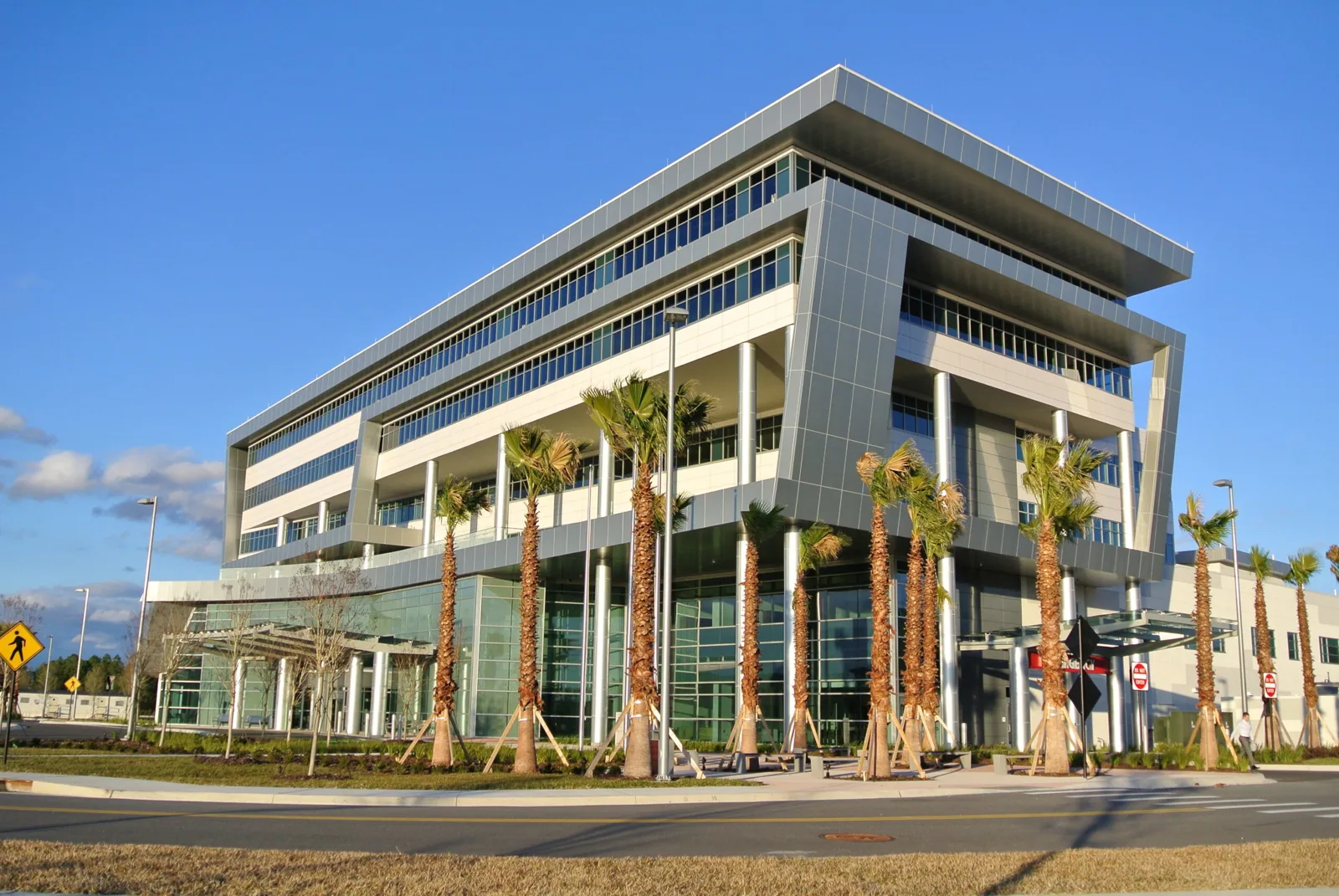
Commercial Roofing for Rancho Cucamonga Healthcare Systems
What has to be true before you approve roof work over occupied clinical rooms? Two things: we need to know what's wrong with the roof, and who at the facility can approve work near those spaces and the equipment that serves them. At a Rancho Cucamonga healthcare property, we inspect the problem area and confirm the approval process first.
Commercial Roofers of Rancho Cucamonga puts that decision in plain writing. We explain the repair the inspection supports and the prep it needs. If something hidden is uncertain, we recommend a specific test instead of assuming a replacement.
A medical office, an outpatient center and a hospital can have very different rules. We follow the actual building and the facility's instructions; there's no single roof method, work window or shutdown plan that fits every healthcare building.
Every leak report gets a located inspection
Record where water appeared, its timing and relevant operating information. Ask about recent equipment service and roof alterations. The interior observation guides the roof review without proving an exterior cause.
Commercial roof leak investigation separates the supported roofing mechanism from an unresolved equipment or enclosure question. Assign the latter to an appropriate reviewer. A local roof defect should be explained by the evidence rather than assumed from the nearest ceiling mark.
Examine accessible seams, penetrations and adjoining material. Photograph findings against references another facilities representative can recognize. Include access restrictions and areas that could not be assessed.
A useful recommendation identifies the task the finding supports.
If concealed layers affect suitability or extent, specify appropriate investigation. Thermal patterns need interpretation and confirmation for the assembly. Samples establish their examined positions. A wider removal recommendation needs evidence suited to the wider quantity rather than automatic extrapolation from a small opening.

The repair has to reach sound material
We list the prep, tear-out and any wall or curb work needed to finish the repair properly. Old coatings or rot can add to that. If a small repair can't reach good material, we explain why.
A commercial roof inspection connects those findings to repair, coating or replacement options, each checked for the system it would use. A reflective coating doesn't fix wet or damaged layers underneath.
Confirmed quantities are priced separately from possible hidden damage. We define how any extra area would be measured and who has to approve it, so you understand the uncertainty before it becomes a cost.
A bigger option includes the deck repairs and flashing details it needs. A cheaper membrane price may leave out work needed to finish the job.
That comparison sits right next to the findings. The building's medical use shapes how we coordinate, but it isn't, by itself, a reason to replace the whole roof.
Facility controls shape the work schedule
The facility representative identifies affected rooms, services and access requirements. Clinical staff and the appropriate facility teams establish the controls applicable to the task. We confirm the required review before choosing materials or methods for the occupied area, and note who makes decisions and who confirms spaces are ready to reopen, particularly when work borders a clinical area with a different operating schedule. At a healthcare property in downtown Rancho Cucamonga near Victoria Gardens, site-specific clinical controls still determine access and the permitted work period.
Roof work on occupied healthcare buildings carries those instructions into the phase. Identify entrances, air intakes, handling routes and contents requiring protection. The selected method must fit the facility-approved arrangement.
Restricted working periods can require repeated setup or smaller phases. Include those provisions in the amount instead of assuming staff will absorb the construction changes.
For a property near Victoria Gardens, use the actual building and operating contact. The local retail setting gives orientation without supplying clinical permissions or a history of work for a particular operator.
Installation readiness also depends on weather, substrate and product requirements. A planned appointment schedule cannot authorize an unsuitable application day. Protection for incomplete work needs an agreed method and a responsible contact.
Agree how a changed condition reaches the facility contact during work. A wider opening may affect another room or service. Review that effect before extending the phase beyond the arrangement already accepted.
Use the health system's project contact to coordinate department notice, infection-prevention review and facility access for each roof phase. Determine whether air intakes, patient transfer routes or emergency operations could be affected and assign decisions to the responsible hospital personnel. Roofing staff can explain the membrane scope and weather-protection plan, while clinical operations retain authority over patient care and facility controls. Record which area was released, any temporary condition left at shift end and who signed off before the work window closes.
Equipment changes need qualified trades
Establish the existing rooftop installation and the services affected before selecting the roof junction. Qualified mechanical, electrical and support trades supply the requirements and carry out their tasks. The facility representative confirms the permitted interruption and return arrangement. For a healthcare organization managing buildings in Rancho Cucamonga and Ontario, keep each roof finding and facility approval attached to its own property record; one site cannot establish another's condition.
Equipment curb and support coordination puts those responsibilities beside the roofing connection. Roof access alone is not authorization to disconnect equipment or change operation.
Measure the proposed finished roof relationship before placement. New layers or altered support can reduce available junction clearance. Any adjustment gets made while the curb is still accessible.
Our work with general contractors aligns removal and rebuilding with those qualified tasks. We agree what each trade has ready before roofing starts and who checks it.
A facility in the Rancho Cucamonga industrial district retains its own construction and use. The district does not establish a clinical operator's requirements or the installed equipment arrangement.
Deferred work needs a clear next decision
Roof capital planning distinguishes immediate correction from later work supported by the inspection. State why later work is being deferred and who will revisit the condition. Identify the reassessment trigger; an age entry cannot supply a dependable remaining duration.
Property manager roofing coordination preserves owner and facility roles where both are involved. The manager may arrange access while the healthcare operator controls affected activity. Those approvals need to remain distinguishable.
For filings beginning January 1, 2026, the municipal publication identifies Rancho Cucamonga's applicable California construction codes. Confirm the actual approval authority and project requirements for the healthcare property. Its use and ownership may carry a specific review arrangement.
Energy compliance also depends on the alteration and applicable paths or exceptions. A chosen membrane name or surface color does not establish every requirement for the completed scope.
The next approval should have a stated purpose. Investigation, a local correction and a larger assembly task are different purchases, even when they arise from one facility report.
Roof completion is separate from facility sign-off
Retain preparation photos before the base is concealed, installed products and approved changes. Locate the final correction against the original report. Another facilities representative should understand what the owner authorized and received.
Roofing completion is separate from equipment return and acceptance of affected clinical areas. Their responsible parties apply the agreed requirements. List remaining investigation or deferred work before the final roofing sign-off.
A later water occurrence needs new details and comparison with intervening service work. The same room position does not establish the same entry mechanism. Preserve the earlier finding as useful comparison while the new concern receives its appropriate examination.
Commercial Roofing Questions
What establishes the work controls for a healthcare property?
The actual affected area and facility-approved requirements. Confirm responsible clinical and facility review before the method is selected.
Can a local defect justify a limited correction?
Yes, when the evidence and the roof around the defect support a clean repair. If hidden damage is uncertain, a test may come first.
Who approves a rooftop equipment interruption?
The facility representative responsible for the service, coordinated with qualified trades. Roof access permission does not establish that authority.
What should the owner compare across proposals?
Complete prep, flashing and curb details and the facility-related costs, with possible extra quantities and the approval process spelled out.
Get a clear healthcare roof recommendation in writing
Schedule a Rancho Cucamonga roof review with your facility contact. We'll explain the repairs we recommend, any testing still needed and the facility arrangements required for approval.