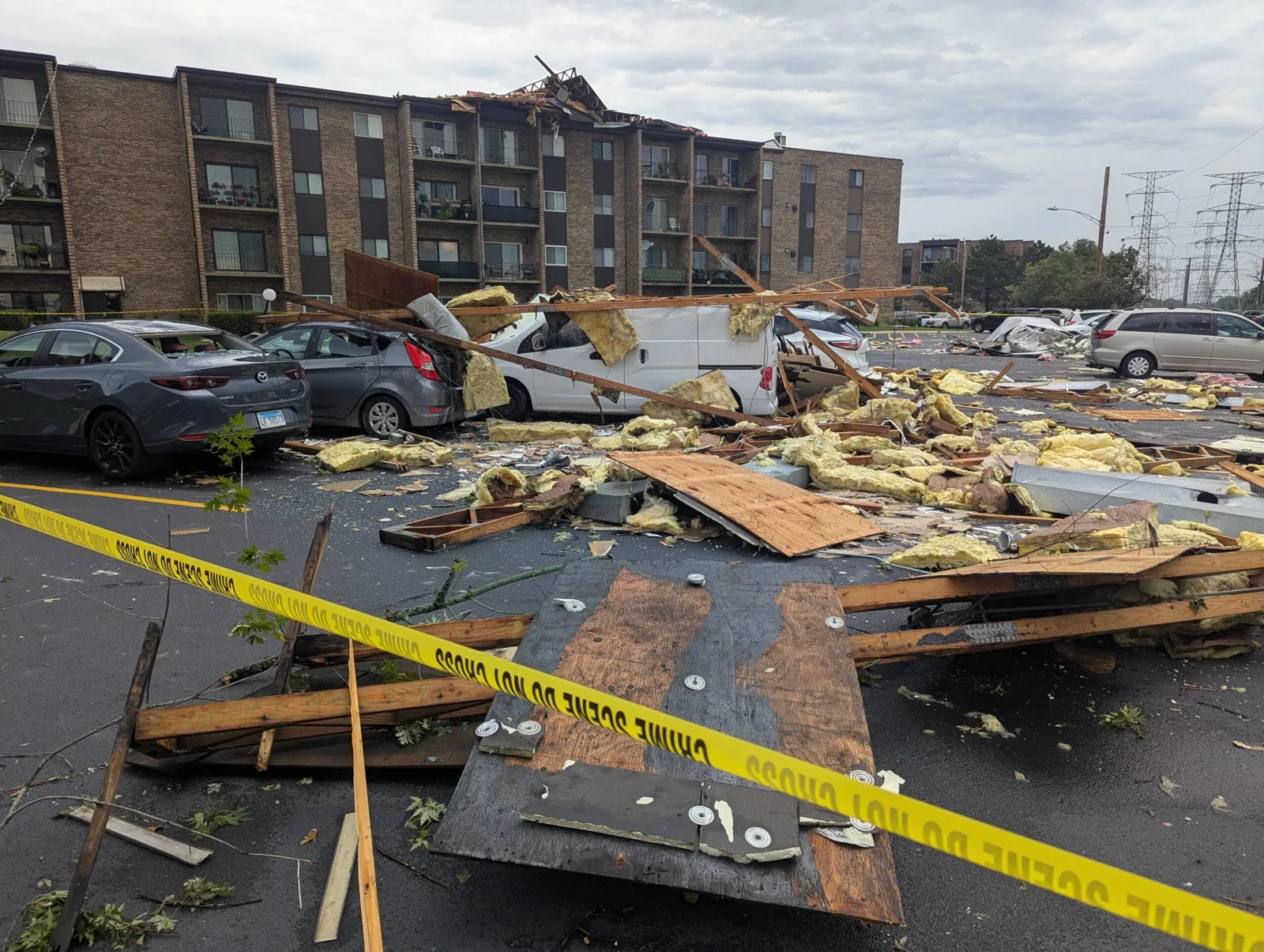
Emergency Commercial Roof Repair in Rancho Cucamonga, CA
Water above a stockroom changes the owner's priorities quickly. First comes the affected area and the people using it. Next comes roof access, the likely opening and a practical way to limit further entry. Permanent repair pricing follows once the immediate conditions are understood. That order keeps the call focused on the building in front of us.
In Rancho Cucamonga, an emergency roof request may follow rain, wind, equipment work or a newly noticed opening. We ask what you can observe from a safe location, who can authorize work and which activities are affected below. The response plan depends on conditions and available access. You get a clear account of the next step and the work proposed.
Describe the problem safely
On the initial call, identify the room, the time water was noticed and any visible ceiling damage. Photographs from a safe indoor position can help connect the concern to a roof location. Tell us about restricted access, rooftop equipment and recent work by other trades. An owner contact who knows the site can help arrange an examination without sending untrained staff onto a damaged roof.
Where water threatens electrical equipment, the building's qualified personnel determine isolation and access. Where a ceiling or other component may be unstable, restrict the affected area and involve the appropriate professional. These immediate decisions need the actual conditions, not instructions based only on a stain described over the phone.
Establish roof access
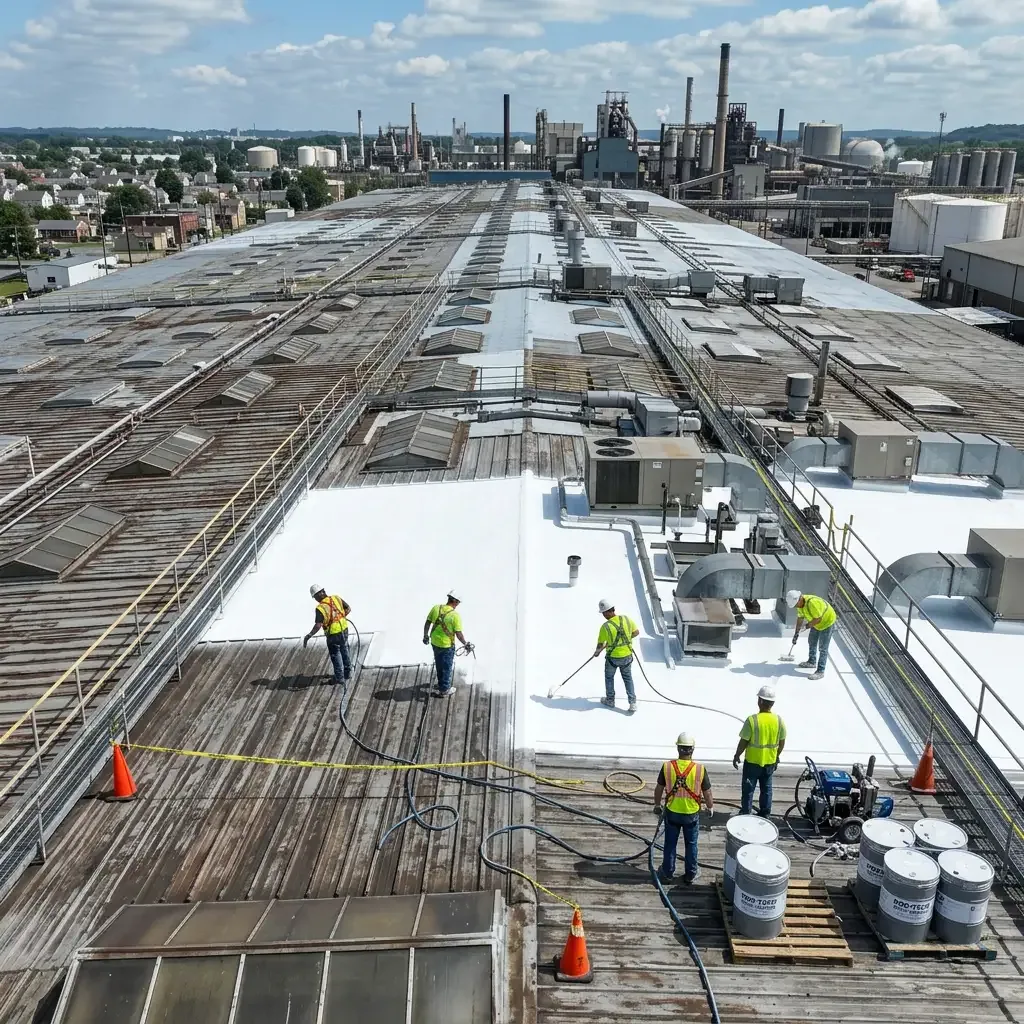
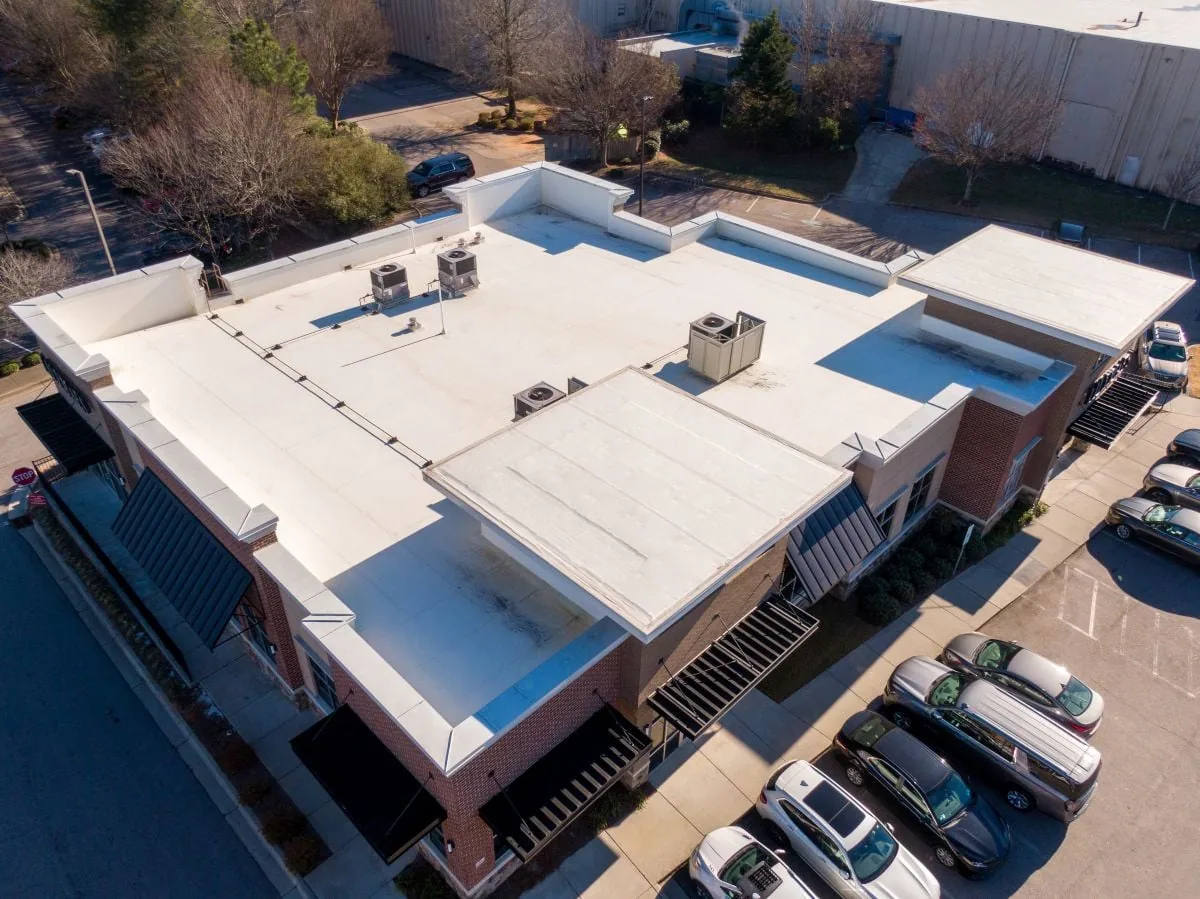
Before roof work begins, access and fall protection need a plan appropriate to the building. Wind, rain, visibility and the condition of the walking surface can limit what can be attempted. A loose membrane or damaged deck may require a different approach from a routine hatch visit. We identify those restrictions and explain how they affect the proposed work.
At an industrial property around Milliken Avenue, that conversation also includes docks, vehicle routes and equipment service. In Fontana, I-10 and I-15 provide regional connections, while the actual site entrance and current travel conditions determine the approach. A useful response update names the access requirement and the next action rather than offering a fixed arrival promise.
Find the opening
An interior drip identifies a problem below the roof, but water can follow concealed layers or building components before becoming visible. We compare interior observations with accessible seams, flashings, outlets and penetrations. Where the source remains uncertain, the examination should say so. Testing is selected for the assembly and authorized scope, with protection for the building below.
During Santa Ana weather, wind-related roof concerns deserve examination of actual edges, attachment and displaced materials. Regional weather alone does not establish damage at a property. We photograph observed conditions and distinguish a visible opening from a suspected route. Later storm repair planning uses that record alongside the roof's prior information.
Choose temporary protection
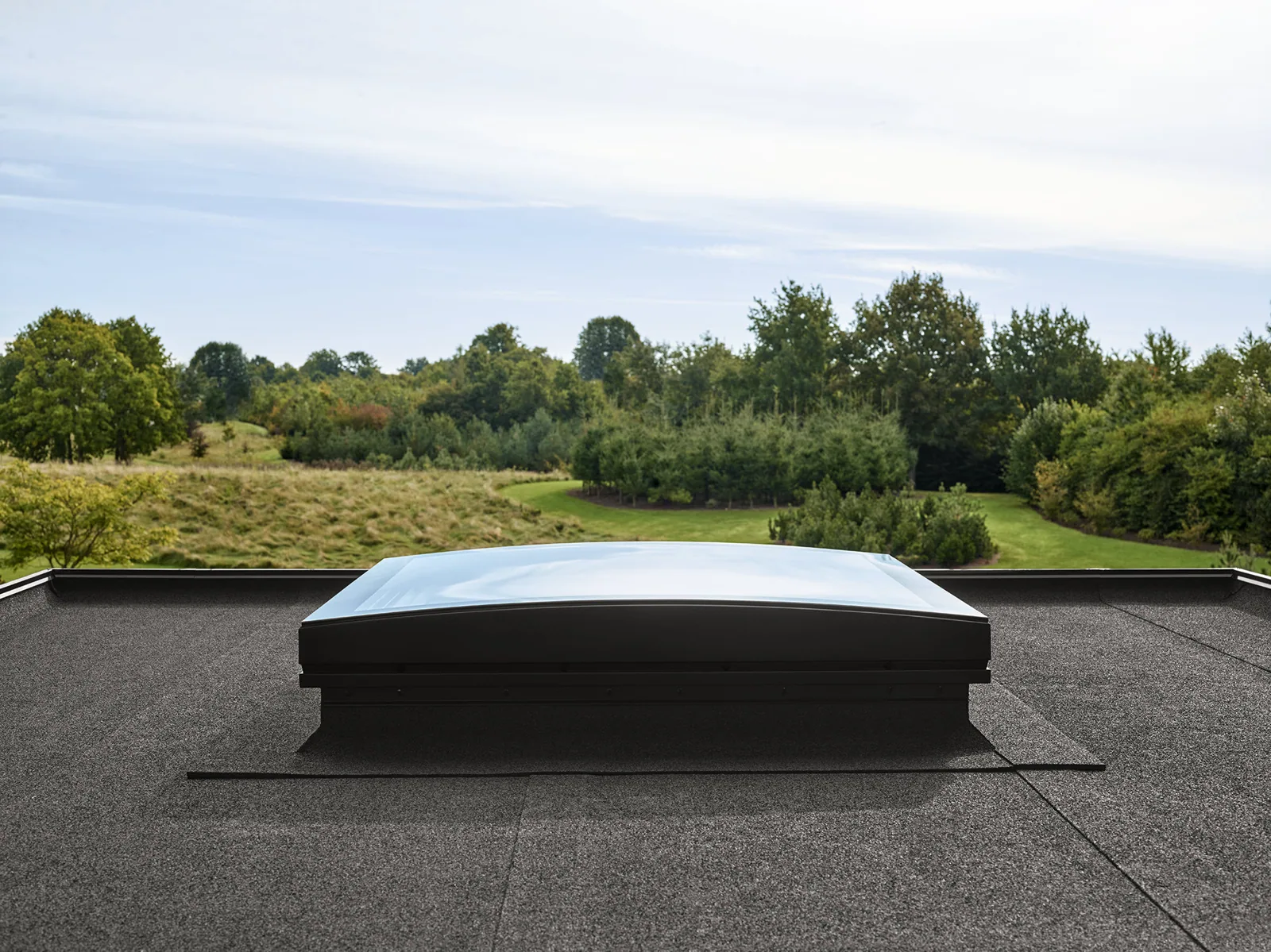
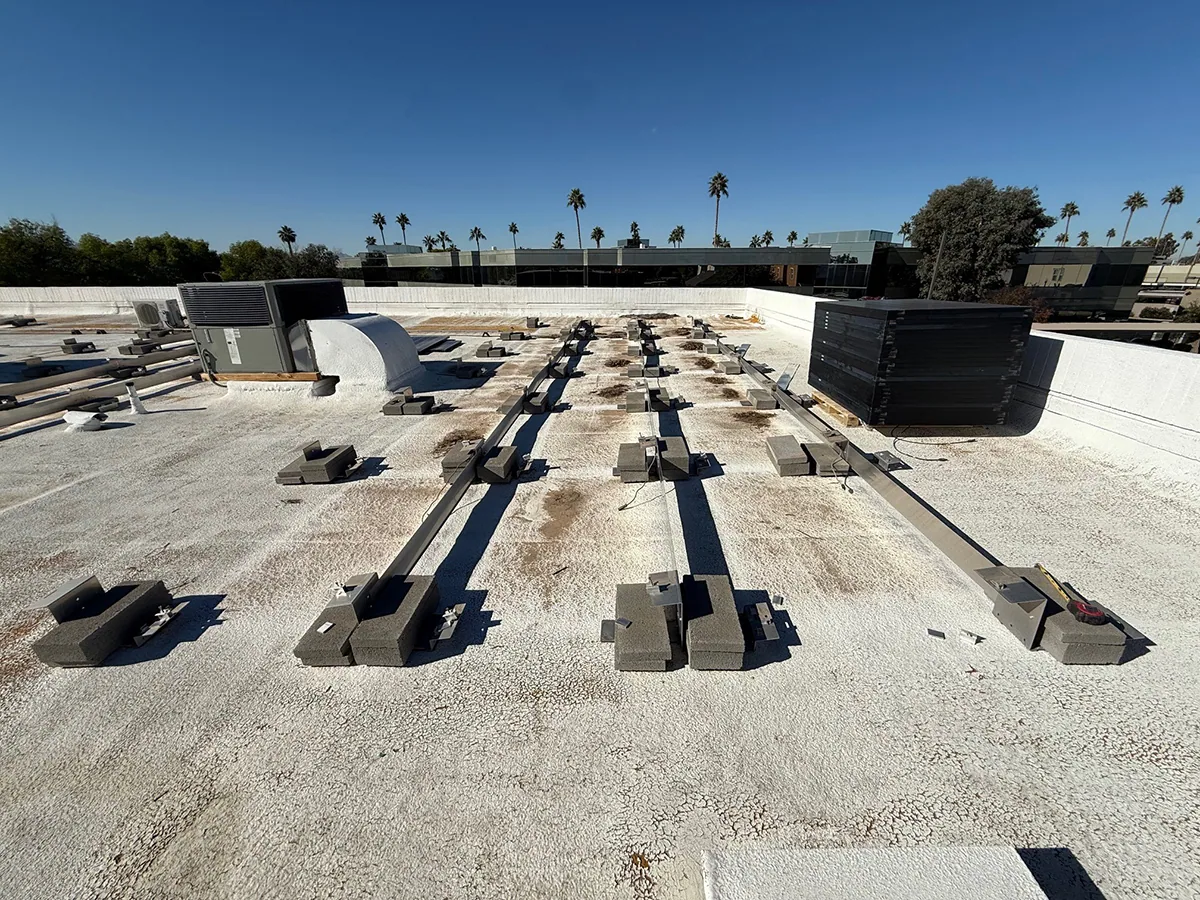
The immediate treatment depends on the opening, substrate, weather and safe working conditions. A compatible temporary patch or other protection may help limit entry while the permanent scope is developed. Tarps require suitable attachment and attention to wind, drainage and access. Their use is assessed for the actual situation; they are not automatically appropriate for every damaged commercial roof.
We record what the protection covers, what remains exposed and what needs rechecking. The owner receives instructions for reporting renewed entry or movement and a plan for follow-up. Identify a responsible contact for those updates and keep the affected-room notes with the work record. A clear handoff helps the next visit address changes since the temporary work was installed. The temporary measure's condition must be monitored as circumstances change. Its purpose is a defined period of protection pending further work, with limits explained in the job record.
At the first visit, we separate the immediate water report from roof work that can wait for a measured scope. Record when the water appeared, which rooms or stored goods are affected and what changed nearby. From an accessible area, photograph the condition and identify a safe route for the assessment. Temporary protection needs a defined location, a method suited to the conditions and a limit the manager can understand. The crew documents what was placed and who should check it, then assigns the permanent opening or further investigation for follow-up.
Protect the operation
The work area below may require moving goods, limiting access or coordinating equipment service. Those decisions are made with the operator, who knows the use of the space and the consequences of an interruption. We identify material handling, roof access and any activity that needs a planned pause. This helps the owner choose a workable sequence rather than discovering conflicts after work starts.
For a property near Ontario logistics corridor, gate procedures and delivery access can shape that sequence. HVAC intake or shutdown controls require coordination with qualified building personnel. Fire and access systems also need their own planned arrangements. Roof protection should not create another operating problem by changing equipment controls without the responsible trade's review.
Separate repair from the claim
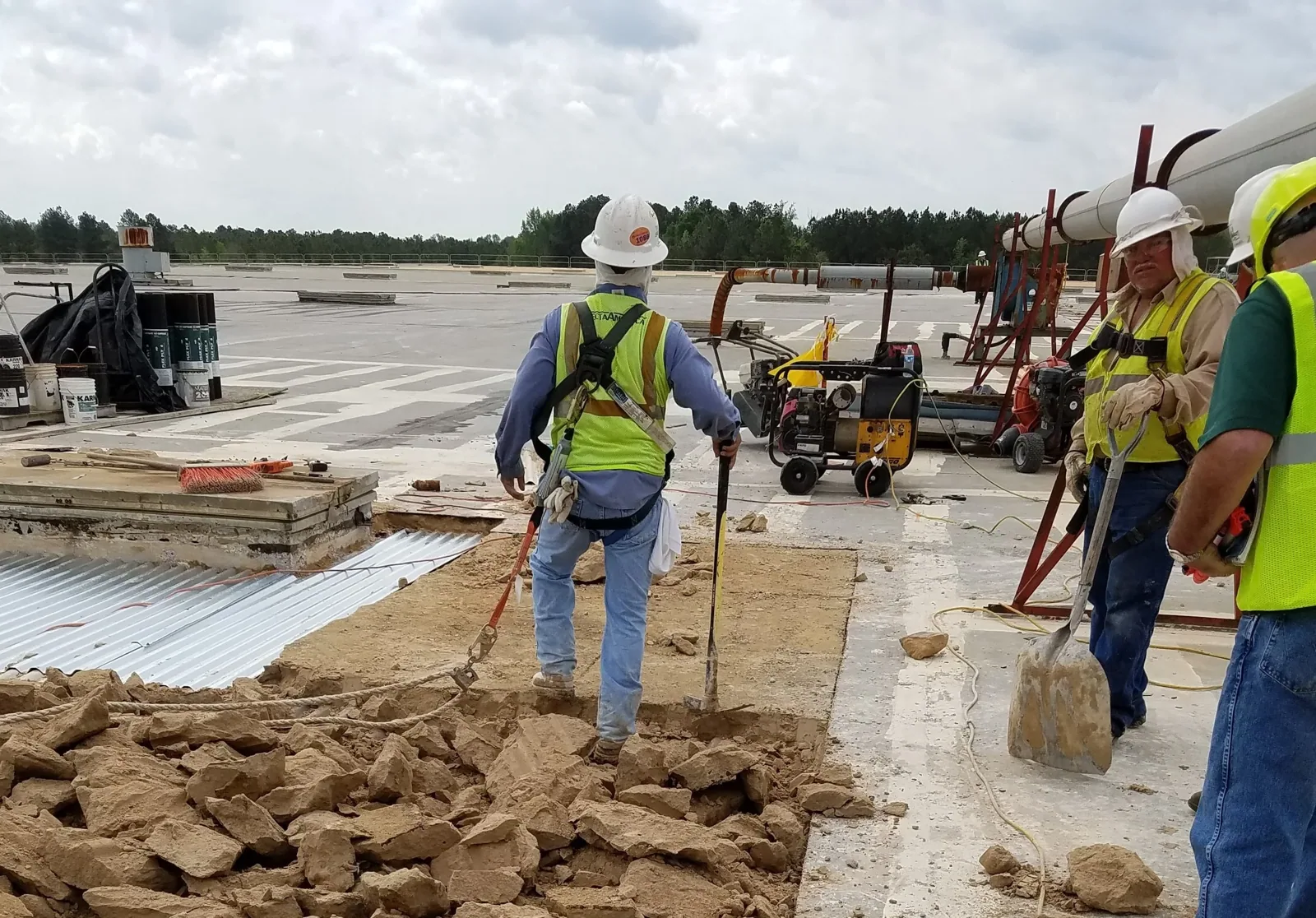
Emergency photographs, authorization records and invoices help preserve an account of what was observed and done. We document before covering a finding when conditions allow, while keeping immediate protection needs in view. The roof record should distinguish existing repairs, new observations and assumptions. A cause that remains uncertain is recorded as uncertain.
Our claim documentation assistance supports the owner's discussion with the insurer; policy terms and the insurer's assessment determine coverage. The work authorization defines the contractor's scope and charges. After the immediate measures, a roof condition review can help connect this event to other repairs worth considering.
Define the lasting correction
A permanent proposal identifies the failed detail, affected materials and method for restoring a compatible assembly. Confirmed insulation or deck concerns need an appropriate investigation and treatment. A limited problem may justify planned local repair. Wider findings may require additional checking before choosing broader work. The number of stains alone does not settle that choice.
If fire exposure is involved, we coordinate the necessary building and equipment review before developing roof fire damage repairs. The written recommendation identifies what can proceed, what needs another professional and what can wait. Keep that record with the photographs and temporary work details so the next decision begins with the findings already established.
Commercial Roofing Questions
What should we have ready when calling?
Provide the address, a site contact, safe observations of the affected area and any access restrictions. Mention equipment hazards or recent roof work. This lets the response discussion focus on the actual building and the next authorized step.
How long will temporary protection last?
Its service depends on the measure, attachment, weather and underlying conditions. The job record explains coverage, limitations and follow-up. Report renewed water entry or movement promptly so the protection can be reassessed.
Can staff go up to locate the leak?
Roof access needs suitable training, fall protection and an assessment of current conditions. Keep observations to safely accessible areas until that plan is established. Damaged materials and weather can make an ordinary access route unsuitable.
Does storm timing establish an insurance claim?
The timing is part of the record, alongside observed damage and prior roof information. It does not establish cause or policy coverage by itself. Retain the work records and discuss the evidence with the insurer.
When do we choose permanent work?
Once the immediate conditions and necessary investigation are understood, compare a defined correction with any broader options the findings justify. The proposal should explain preparation, affected materials, operating arrangements and remaining uncertainty.
Get the next step clear
Call with the building location and safely observed problem. We will discuss access, protection needs and the next authorized examination, then document what is worth fixing now and what can wait.