Commercial Roofing in Ontario’s Logistics Corridor
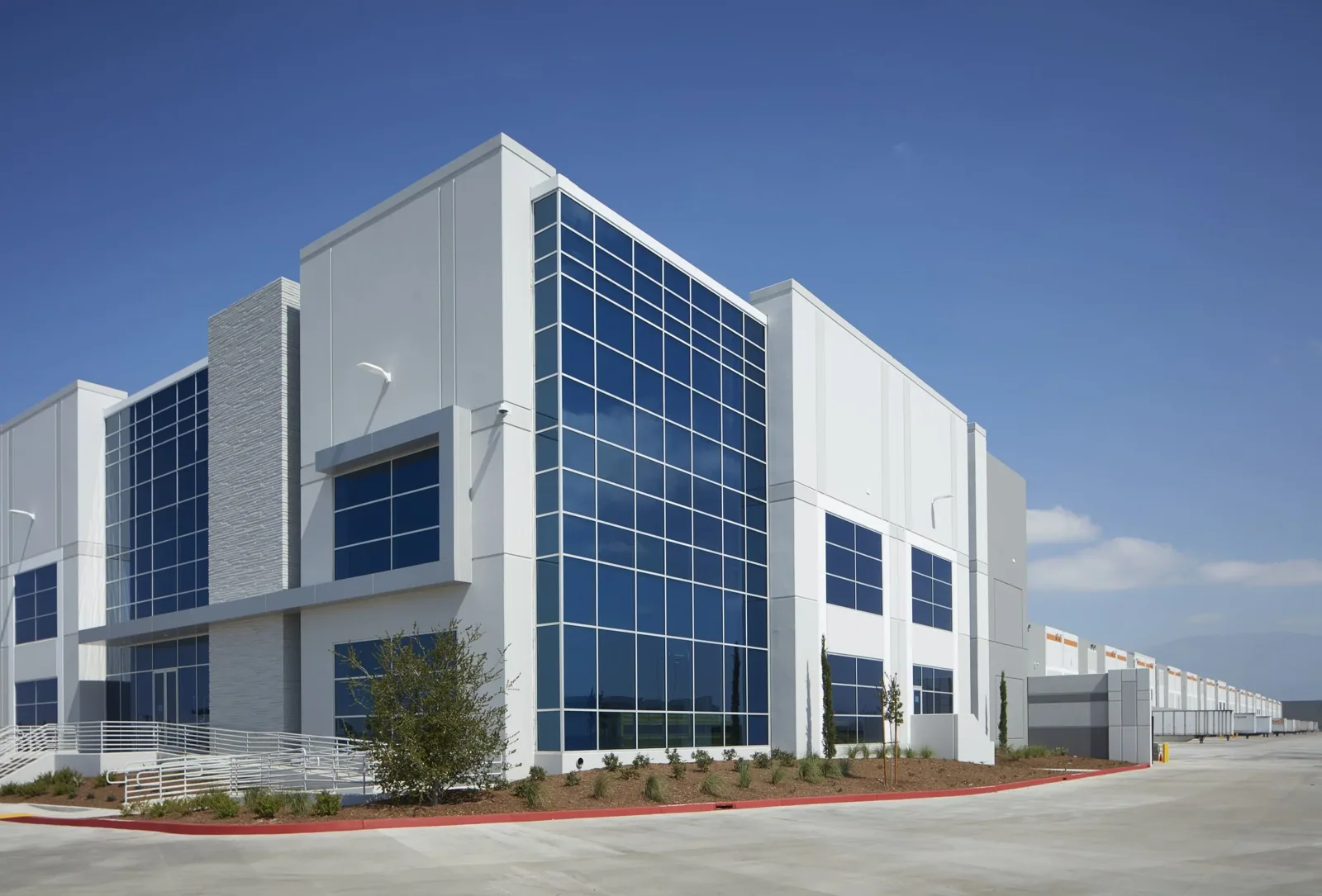
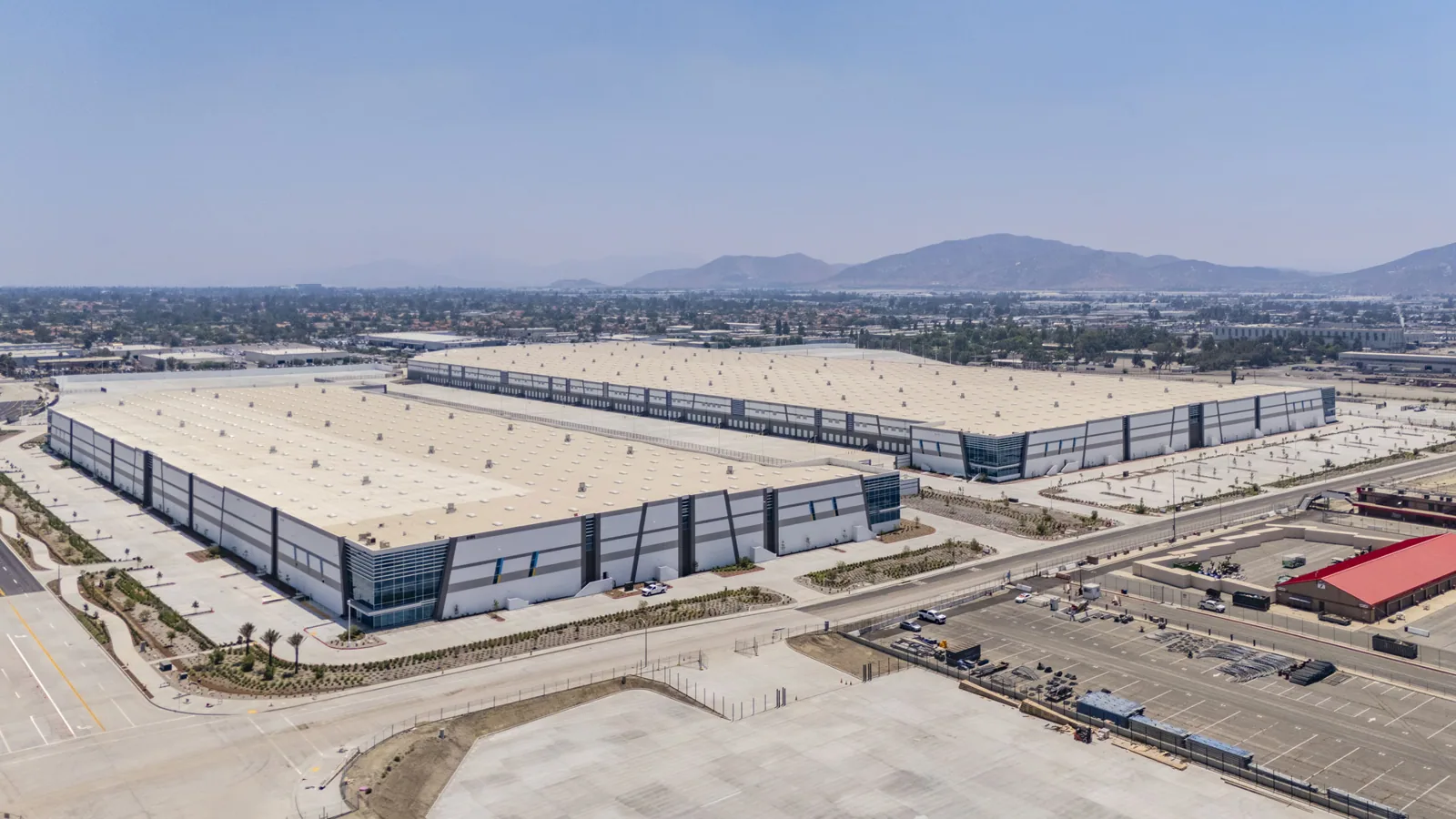
Ontario is one of the busiest freight hubs in the western Inland Empire, and its logistics corridor is lined with warehouses, distribution centers, cargo buildings and industrial space. These roofs are big, often older than they look, and sit over operations that cannot stop for a leak. Owners and facility managers need a fast diagnosis, a fair price for a proper repair and a clear view of what the roof will need over the next few years.
Much of the freight moving between the Los Angeles and Long Beach ports and the rest of the country passes through Ontario by road, rail and air. A distribution center near the airport and a warehouse across town each have their own operator, gate rules and roof system. For every job, we confirm the building, the roof section and the person on site who can approve work before setting a schedule.
Access and timing at airport-area sites
Near Ontario International Airport, buildings like an aircraft hangar or cargo building come with extra rules. Access may require badging, escorts or set gate times, and some areas may be off limits. We confirm those rules with the operator before arriving, and we follow them.
Inside, hangars and cargo buildings often have wide open floors with aircraft, vehicles or freight directly below the roof. We plan protection with the operator, which may mean moving equipment, using tarps or working during slower hours.
Logistics sites elsewhere in the corridor have their own rhythm: trucks at the docks all day, forklifts in every aisle and peak seasons when nothing can slow down. We plan staging away from main lanes, size each day's work so it can be sealed before the crew leaves and include all protection and scheduling costs in the estimate.
What we check on logistics roofs
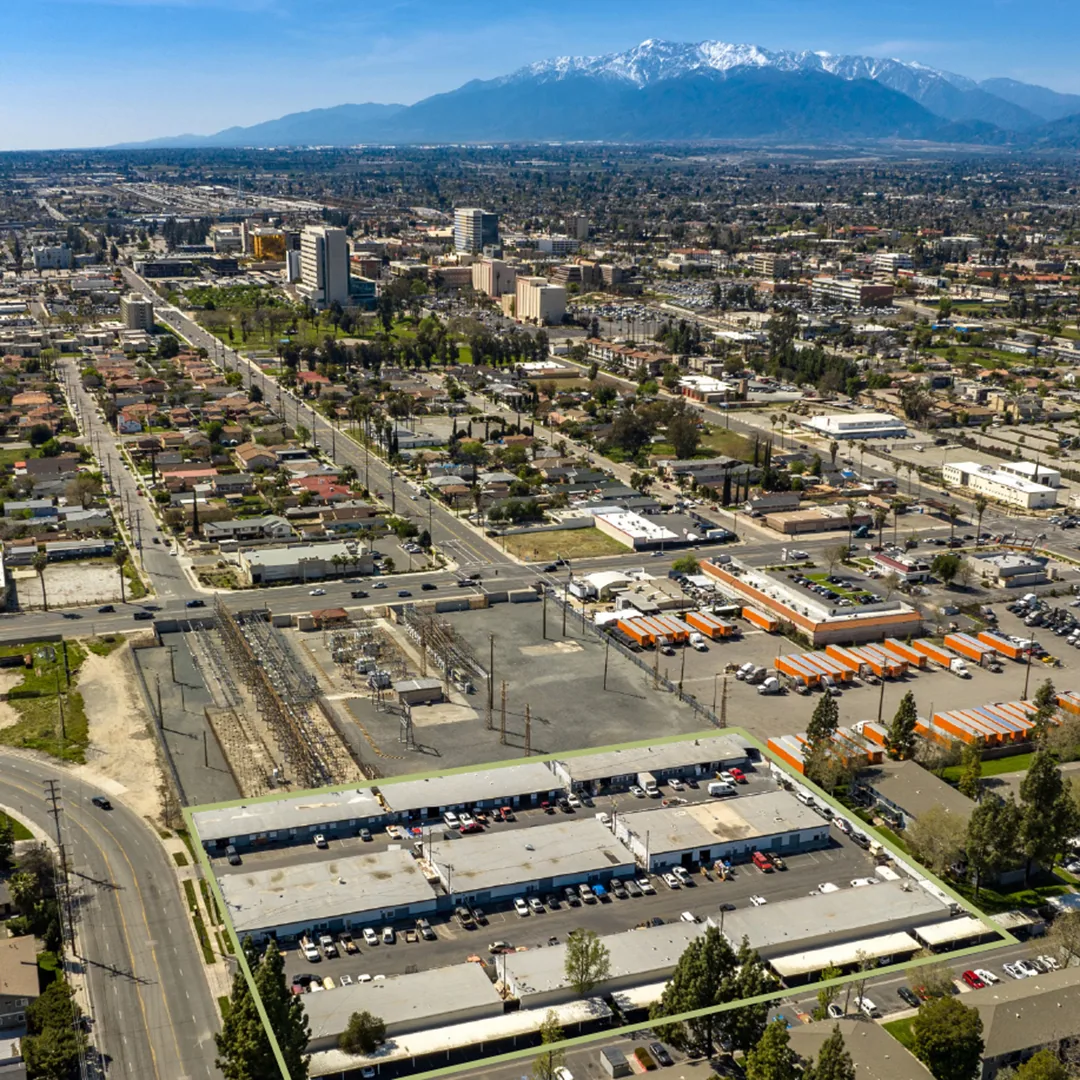
We walk the full roof, checking seams, wall flashings, skylights and smoke vents, HVAC curbs, drains and edge metal. On large logistics roofs, skylights and their curbs are a frequent source of leaks, along with drains clogged with dust and debris.
Each finding is photographed in context and up close so your maintenance team can find it again.
An airport-area roof inspection may include core samples to check for wet insulation and confirm how many roof layers are present. Infrared scanning can cover large areas quickly when conditions are right, but we confirm suspect areas with cores before recommending tear-off. We also look at past repairs. When the same detail has been patched again and again, the underlying problem has not been solved.
We also check how the roof has been used. Paths worn to rooftop equipment, spots where materials were stored and areas around dock walls often show punctures or scuffs that are easy to miss. Walkway pads can prevent repeat damage in those areas.
Choosing the right repair
When problems are limited to specific seams, curbs or skylights, commercial roof detail repairs are usually the best value. We remove failed material, use roofing compatible with the existing system and carry each repair onto sound membrane.
For a roof with broader issues, we price repair, coating, recover and replacement as separate options. Each option includes the flashing, edge and drain work it needs, so the comparison is fair.
Size changes the math. A coating may cost much less than replacement, but only over a dry, sound membrane. A recover adds height, which affects skylights, curbs and dock-wall flashings. Wet insulation spread across large areas may make replacement the better long-term choice. We explain which option fits the evidence and can phase the work across several budget years, starting with the areas over the most critical operations.
Information that helps the estimate
A few things from the owner or operator make the estimate faster and more accurate. Roof plans show us the layout, drains and any past additions. Warranty paperwork tells us whether repairs must use certain materials or approved contractors. A record of past leaks and repairs shows where trouble keeps returning.
We also want to know about upcoming changes. A new tenant, an equipment upgrade or a planned sale can all change what the roof should get. A building being sold next year needs a different plan than one the owner will hold for decades.
For equipment swaps, the mechanical contractor sizes and sets the curb, then we flash it into the roof. Removed units leave openings that need new deck and insulation. Drains are cleaned during each visit. If water still ponds afterward, the cause may be slope or a drain set too high, and correcting it may involve a plumber or engineer, priced separately from cleaning.
Leaks on large roofs
On a large roof, a small hole can let water spread under the membrane for a long way before anyone sees it inside. By then, much more insulation may be wet than the original leak would suggest. Fast reporting matters. Ask staff to note where they saw water, when and in what weather.
Condensation from cooling equipment or dock doors can also look like a roof leak, so we check.
The area has hot, dry summers and most of its rain in the cooler months, which makes late summer and early fall the best time for planned work. Santa Ana winds can lift edge metal and flashing on large open roofs. Permits and energy requirements depend on the building and scope, and we confirm them with the City of Ontario. A yearly inspection is the least expensive way to keep a large roof from turning into a large bill.
Ontario areas we serve
We work across Ontario, including the Ontario I-10/I-15 commercial corridor. Each building gets its own inspection and estimate. In an emergency, we stop the water first, then return with the permanent fix.
If opening the roof turns up hidden damage, we stop and show you photos and the added cost. Work continues only with your approval.
After every job, you receive roof condition reports with a roof map, before-and-after photos and the materials used. Items to watch, like aging skylight curbs or drains that clog often, are listed with a suggested next step. Facility managers use those reports for budgets, warranty questions and the next inspection.
Commercial Roofing Questions
Can you work at airport-area buildings?
Yes. We confirm badging, escort and gate rules with the operator ahead of time and follow them on site.
Why do skylights leak so often on warehouses?
Their curb flashings age and crack, and lenses can be damaged. We check each skylight during inspections.
Can work be planned around peak season?
Yes. We schedule disruptive work outside your busiest periods and phase larger projects when needed.
What paperwork helps your estimate?
Roof plans, warranty documents and a list of past leaks and repairs.
Get a clear plan for your logistics roof
Schedule a roof walk. We will explain the findings, the cost and how the work fits your operation.