
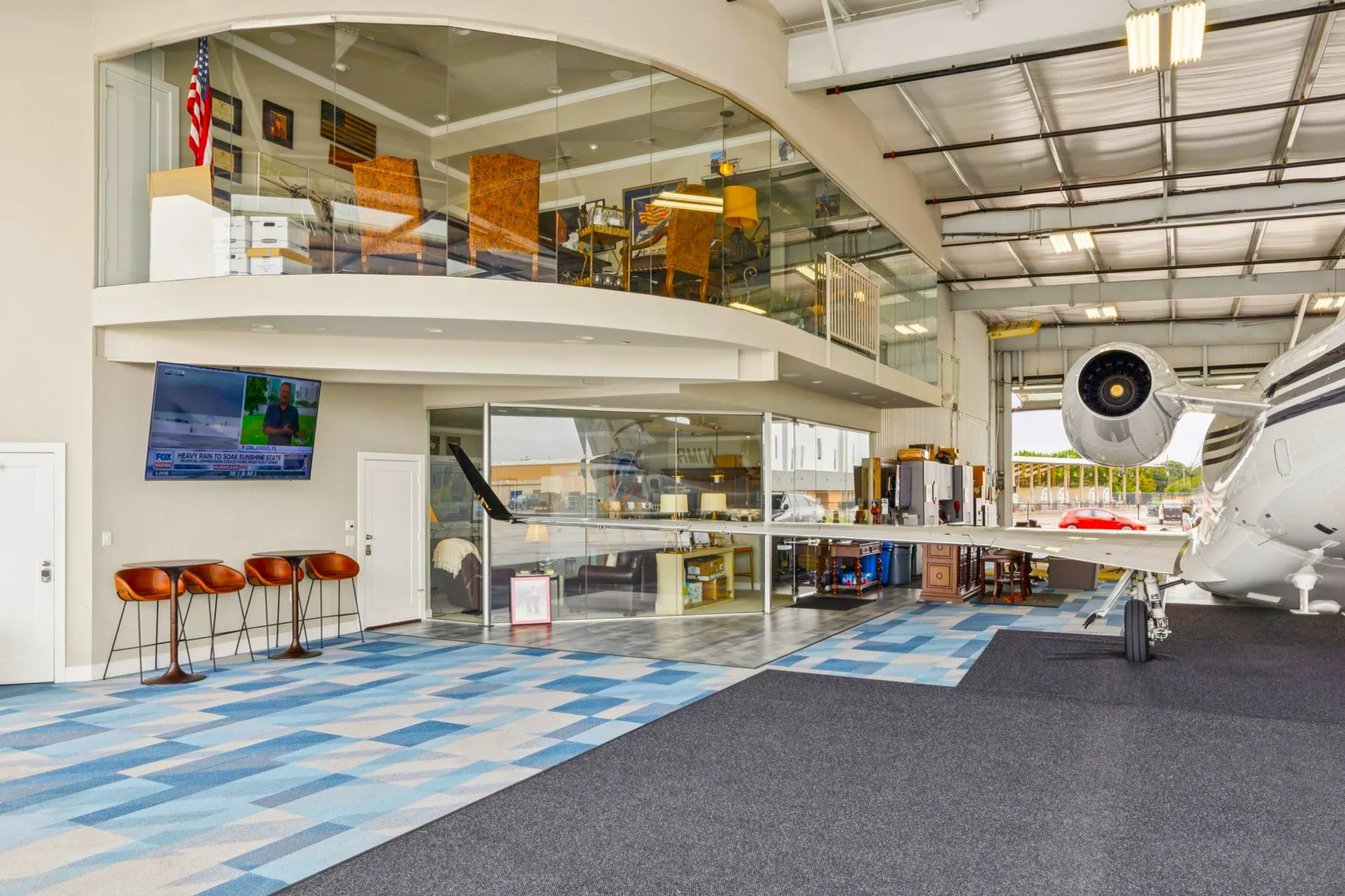
Aircraft Hangar Roofing in Rancho Cucamonga, CA
Before you rely on a hangar roof estimate, two things need to be true: the repair has sound roof to tie into, and the operator has signed off on where the lift and crew can go. Aircraft hangar roofing in Rancho Cucamonga, CA, starts with the actual leak or failure and the walls and door framing around it. We explain the permanent fix, the prep it needs, and anything else that could affect it. The method follows what we measure on site and what the operator allows.
One hangar can have a metal roof over the bay, a membrane roof over the shop and offices, and complicated flashing at the door header. A good proposal names the section, not just the building type.
Every Roof Section Gets Its Own Look
We compare any drawings and roof records with what's actually on the roof over the problem area. Is it metal panel, TPO, built-up or something else? How is it fastened or seamed? A curb, a wall flashing and a panel lap each fail in different ways, so the repair is described by the actual detail and the material it ties into.
A commercial roof inspection marks findings on a roof plan with notes on construction and condition. If something can't be seen, like the deck or hidden supports, we recommend a specific check. Product choice comes after we know what's there.
A small defect can get a local repair if the material around it is sound and reachable. If the damage extends past that, more has to be rebuilt, and we measure it and explain why. If a structural or support question could affect the repair, an engineer weighs in before we put a price on it.


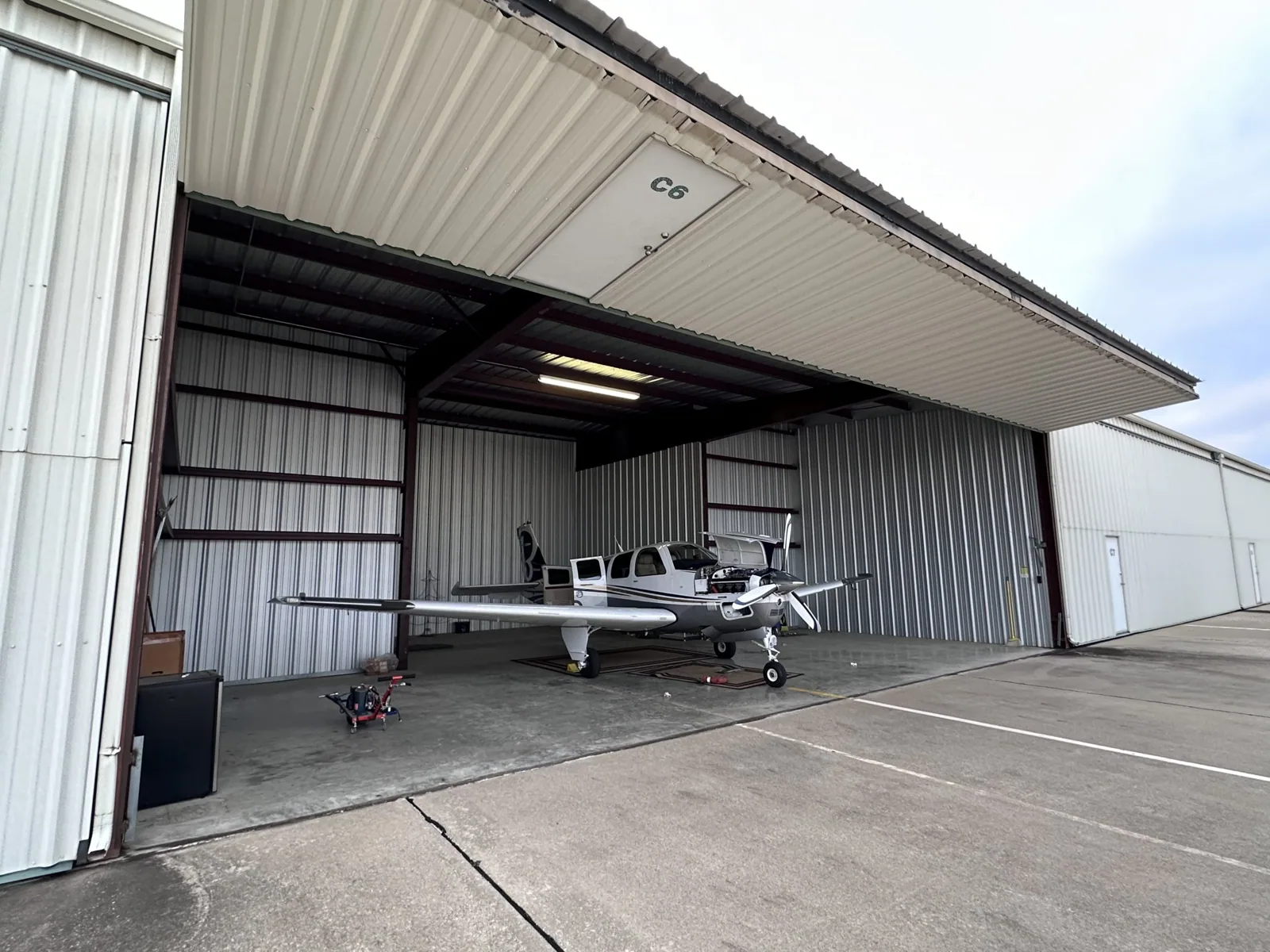
Arranging Access at an Airport Property
Ontario International Airport is the main airport near Rancho Cucamonga, and hangars at airport properties come with their own access rules. Each job needs the exact address, the operator's contact and approved arrival instructions. A street like Route 66 may get you to the area, but the delivery route is set by the property. We confirm where material unloads and how it gets to the roof before booking equipment.
Our Ontario logistics corridor estimates include the approved route in the price, along with any badging, escort or vehicle permits. We don't assume the passenger entrance works for construction traffic.
Every aviation property has its own process. We give the operator the lift footprint, staging area and debris route. Extra moves or a changed setup location can change the cost. We record the agreed plan with the roof quantities and name who can revise it if operations change.
Leaks at the Hangar Door and Walls
Leaks near the main door often come from the header flashing, the wall-to-roof joint or the door's own weather seals. We check the roof and wall connections that are actually there and measure heights, materials and working room. The door mechanism and structure are for the door contractor or engineer. Our job is a roof flashing that stays watertight, with any related wall work assigned before we depend on it.
Our penetration and flashing work at doors and walls starts with what's there now. Old sealants, coatings and the condition of the metal affect prep, and we check the chosen product's requirements against the actual construction.
If equipment or wall changes are planned, we coordinate sizes and locations before they're set. We tell the other trades how much room the roof flashing needs. Supports and utilities stay with the right trades. If their work leaves a roof or wall opening unfinished, we agree on temporary protection until the permanent flashing can close it.
We measure clearances at the hangar door and confirm how the door operates before placing lifts, materials or temporary protection. The owner tells us whether aircraft will move through the opening during the roof work and who controls that movement. The work zone stays outside the agreed path, and we stop if aircraft activity changes the planned separation. Door dimensions alone don't make a safe plan; we coordinate with the hangar operator and follow the facility's aviation procedures.

Working Around Aircraft and Operations
We walk the operator through what's being removed, what's being rebuilt and how material will move. Their staff decide which areas are affected and approve the barriers, protection and work zones. A different area of the building or a mechanical task may need its own approval. The price reflects the plan that's actually approved.
For reroofing occupied buildings like working hangars, the scope describes our footprint clearly. Operating decisions stay with the people responsible for the aircraft and the space.
At the end of each phase, the area is cleaned up and returned as agreed. If another trade still has work open, we note it next to the finished roof work rather than assuming the roof finish settles everything. Deliveries are timed to when the area is ready, and one contact handles changes during the job.
Larger Projects Include the Edge and Wall Work
If a recover or tear-off is on the table, we need to know what's under the roof across the whole area. Test cuts need approval and protection. One sample describes one spot, so a bigger decision needs testing across the roof. Structural or attachment questions go to an engineer before we price a method.
We compare the new roof height with drains, wall flashings and equipment curbs, and the changes needed are part of that option. Keeping the old roof means prep and compatible attachment. A tear-off includes disposal and new insulation. Operator access and any mechanical approvals are listed alongside the roof quantities.
Buildings like a warehouse roof or a military hangar or maintenance facility have different operators and decisions. This hangar gets its own recommendation. If one owner is budgeting several roofs, each stays a separate line.
Permits, Weather and the Completion Record
We confirm what permits and design review the scope needs and how California's Title 24 energy rules and any exceptions apply. Rancho Cucamonga's summer heat and cooler-season rain shape the schedule, and during Santa Ana winds we secure loose material and watch the forecast. Installation waits for the surface and temperature conditions each product needs. If another trade is holding up a connection, we keep the roof protected until it can be finished.
The operator can call about an urgent leak at night, on a weekend or on a holiday. Tell us where it is and who will meet the crew. What we can do right away depends on crew availability and safe conditions. We explain whether a fix is temporary and what the permanent repair will be.
If more damage appears once the roof is open, we show you where it is, what needs to be rebuilt and the added cost and schedule effect, then wait for approval. You receive photos, a materials list and any approved changes. Open items for other trades stay on the list, so later reviews separate what's finished from what's pending.
Commercial Roofing Questions
How do you decide how to repair a hangar roof?
We identify the roof type and the specific detail that failed, check the condition of the surrounding material, and confirm the product's requirements. Calling it a hangar doesn't tell you how it's built; the roof itself does.
How do crews and materials get onto an airport property?
The operator confirms the address, the approved route and any badging or escort rules. We share the lift footprint and staging needs, and the cost of that route is included in the estimate.
What causes leaks near the hangar door?
Often the header flashing, the joint where the wall meets the roof, or the door's weather seals. We measure what's there and fix the roof side. Door hardware and structure go to the right contractor.
Who decides where we can work around aircraft?
The hangar operator's staff. We explain what's being removed and how materials move, and they approve the barriers, protection and work zones. That plan is part of the price.
How should I compare a larger hangar roof project?
Look at test results across the area, the changes needed at drains, walls and curbs, disposal and operator access. Compare complete jobs, and keep any unanswered questions separate from the price.
Get the Hangar Roof Finding and Practical Task
Book a roof inspection with the hangar operator or building contact. We'll explain the repair the roof needs and what to confirm before a larger project.