Commercial Roof Inspection in Rancho Cucamonga, CA
A retail pad near Victoria Gardens needs its roof condition understood before the owner approves repairs or another tenant alteration. What does the examination actually support, and which question still needs evidence? That is more useful than a long defect list with no clear next action.
Commercial roof inspection in Rancho Cucamonga, CA reviews accessible construction and available history for the decision at hand. We locate observations, explain their limits and recommend supported tasks. The owner receives a plain written answer about work worth considering now and what needs another review first. One visit cannot independently establish all concealed condition or every future expense.
Define the roof question
A recurring water report, purchase review and equipment alteration can need different emphasis. Establish the purpose and areas to be examined before arranging access. The scope should serve an actual owner decision rather than assume every visit follows one fixed checklist.
Obtain useful installation, repair and equipment information. Separate roof sections may have different histories. The building's construction date cannot identify its current roof age or material.
For a warehouse, ask the operator about receiving and rooftop service. Confirm actual restrictions instead of assuming a distribution building never has a break. Those inputs help establish the feasible examination.
Identify unavailable areas and access dependencies. The report should say which task could make examination possible. An inaccessible component should not be quietly counted as sound or completed coverage.
Record what is visible
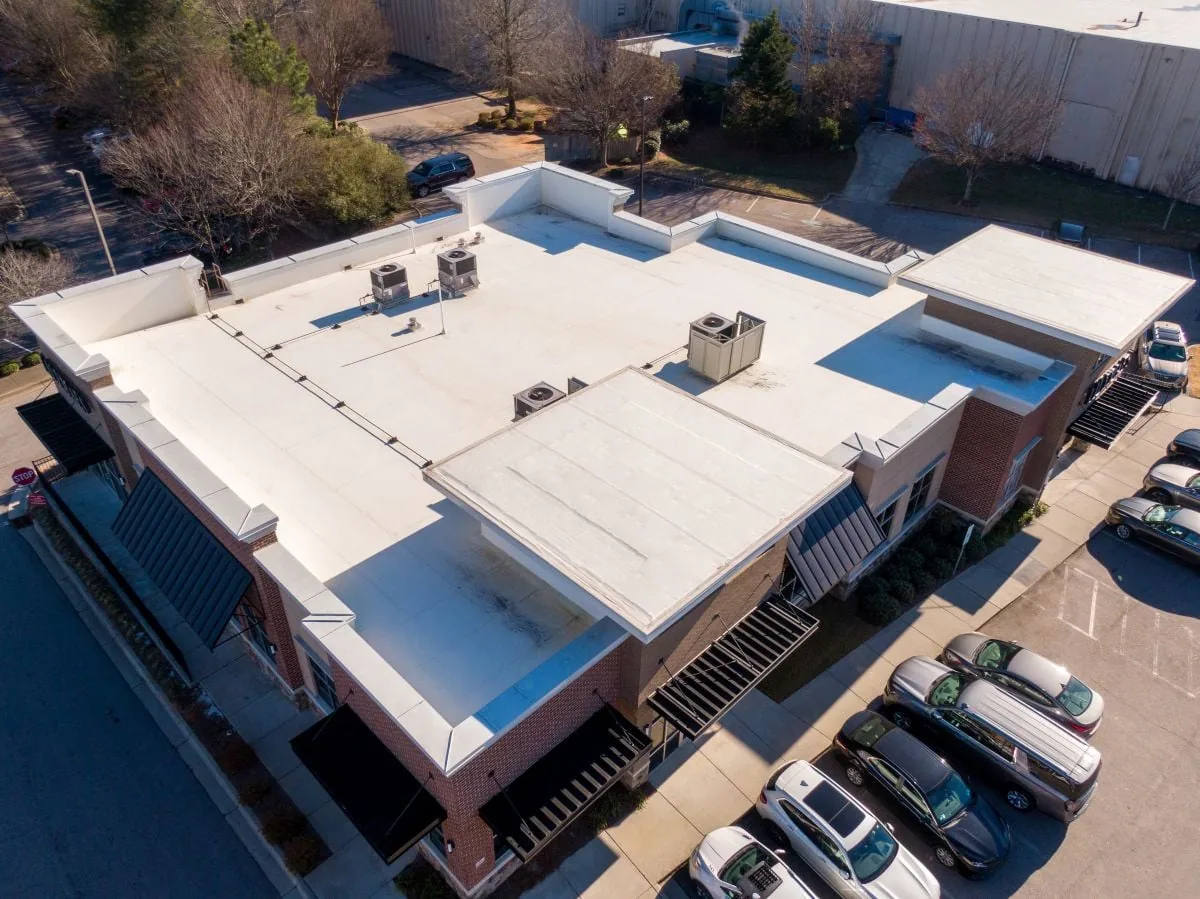
Review seams, flashing, surfaces, outlets and perimeter details using methods suitable for the materials and conditions. Probing, tugging or cutting is not automatically appropriate at every location. Define any testing and obtain necessary authorization.
Describe findings by location rather than assign a broad cause. Open connections, displacement and damaged materials can support correction or further review. Appearance alone cannot prove every underlying layer is wet or determine a fixed remaining life.
Review accessible primary and secondary water routes. Suitable debris removal, where included, should protect the roof and prevent material entering piping. A clear outlet entrance cannot establish downstream capacity or roof drainage design.
Aerial imagery may add useful overview where feasible. It has its own coverage and interpretation limits. The camera cannot establish every connection's bond or approve access onto a questionable surface.
Separate hidden questions
A visible finding may leave consequential concealed condition unresolved. Explain the investigation that could answer it. A softer-feeling surface is not proof of wet insulation age, material quantity or structural safety.
An infrared survey can provide interpreted indications under suitable conditions. Appropriate confirmation supports moisture findings. Thermal contrast alone cannot establish a roof-wide wet-material boundary.
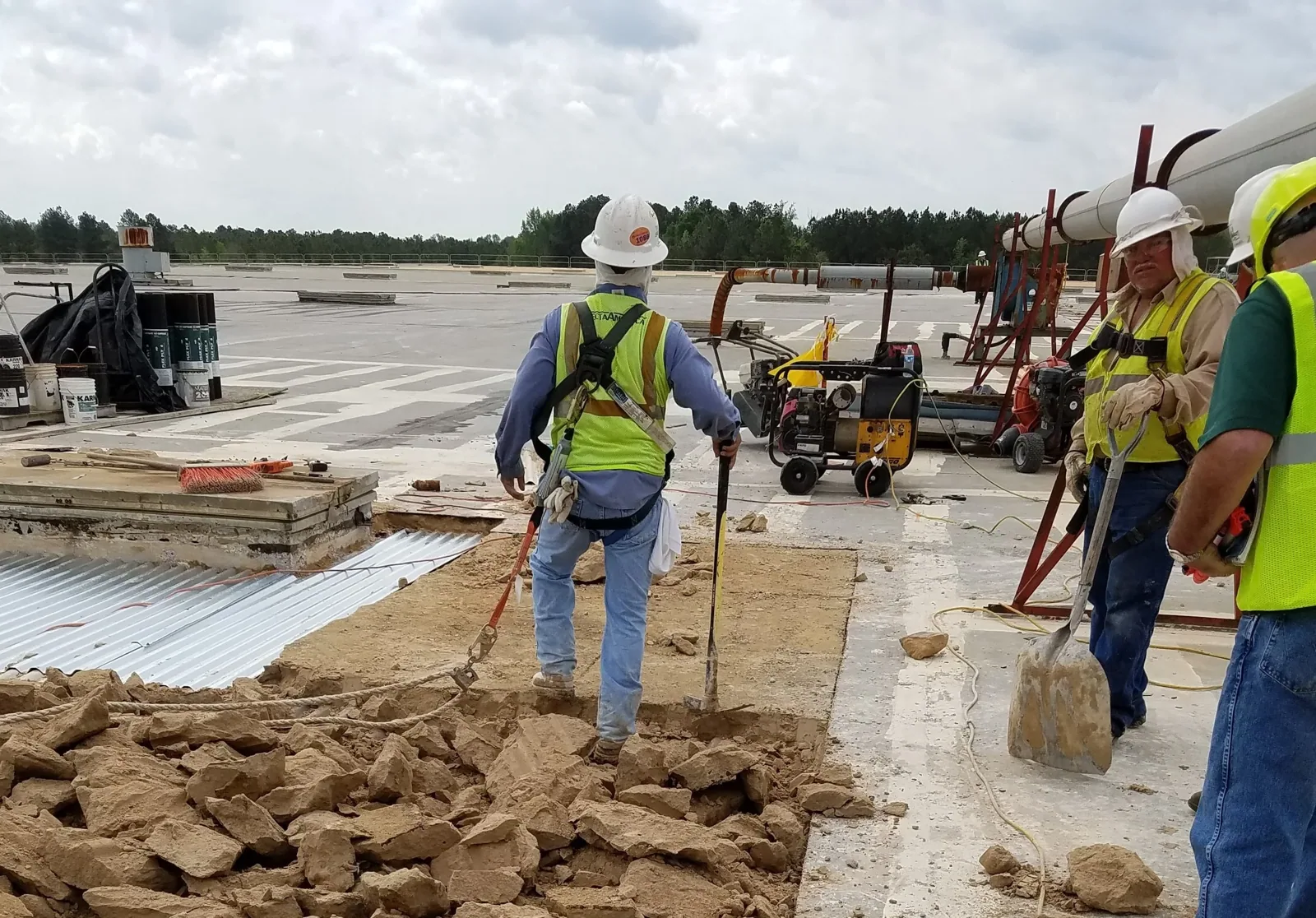
Where sampling is appropriate, record location, purpose and local result. Use evidence within the broader examination. A limited sample set cannot settle every retained-layer, attachment or support question independently.
Structural or equipment concerns need responsible qualified review. Roofing observations can contribute useful information. The report should identify that next task instead of treating inspection as approval of capacity or operating safety.
Review the alterations
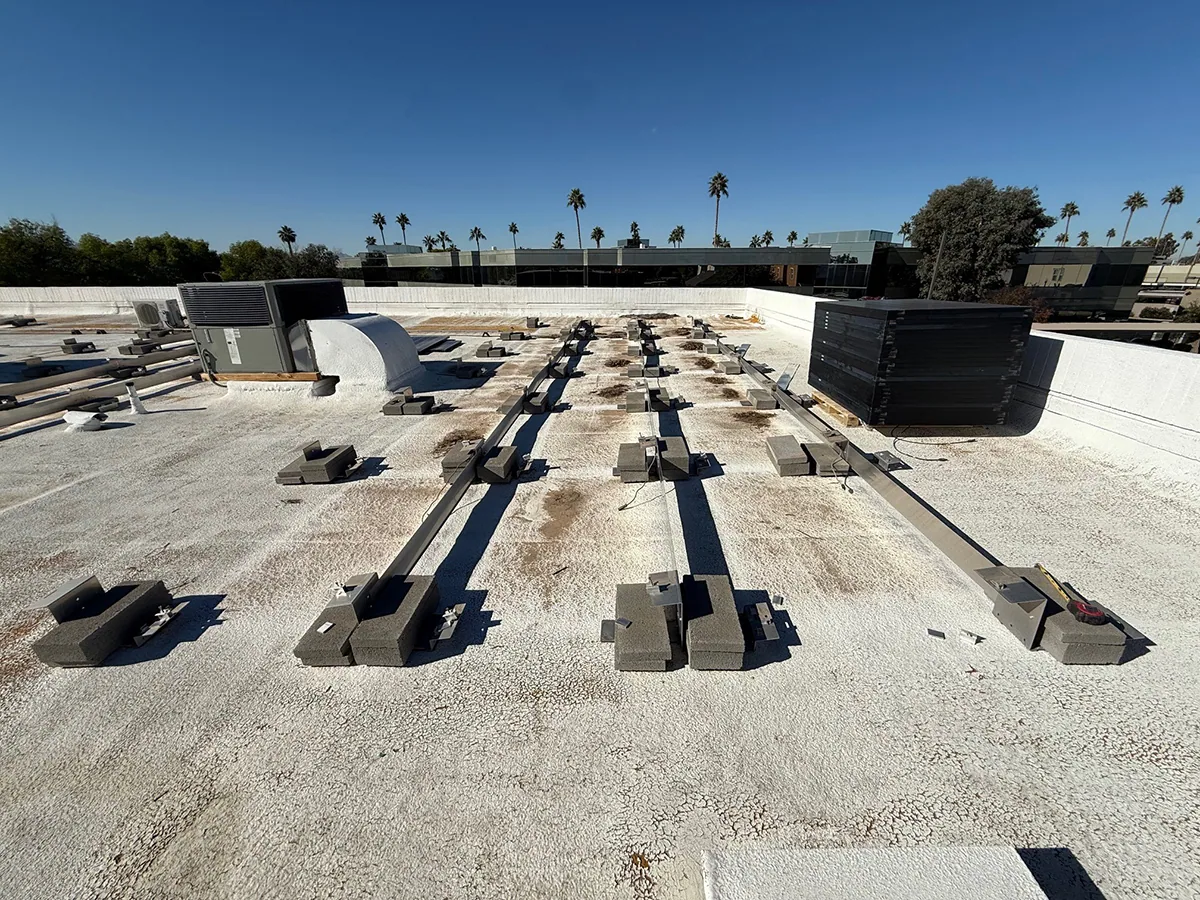
Ask about tenant work, rooftop service and proposed changes. Pipes, supports and units can affect connections and access. Later alterations are not automatically worse than original construction; the actual detail needs examination.
Use interface review where a penetration or adjoining component affects the decision. Equipment and glazing tasks may have separate trade responsibility. Added sealant cannot independently establish their correction.
Confirm whether apparently unused components remain active before recommending removal. The operator should establish status. The roof scope can then describe compatible closure and supporting tasks where needed.
Measure relevant clearances if another layer or new unit is planned. A typical drawing can assume a different finished height. Keep the coordination task visible before procurement depends on an unsupported retained detail.
Use local context carefully
The local cycle of summer heat and cooler-season rain gives owners a useful planning calendar. Inspect drainage and exposed details before anticipated rain, then use the actual findings to choose repairs. The written list should put visible concerns in order, with photographs showing why each item deserves attention.
Santa Ana weather also makes secure staging and accessible edge examination part of the planning conversation. If components appear changed after an event, compare them with earlier records and examine their attachment. That comparison helps distinguish a new concern from an older repair already awaiting work.
Near Downtown Rancho Cucamonga, ask tenant and receiving contacts about suitable access periods. Mark the rooms below inspection locations so interior observations can be compared with roof findings.
Within the industrial district around Milliken and Etiwanda Avenues, confirm hatch access, equipment service and truck circulation with the operator. Bring the roof records to that discussion. These practical arrangements make the walk more useful and keep the recommendation connected to the owner's operating needs.
Recommend the supported task
Organize findings by consequence and feasible next work. A supported repair should have a defined method or follow-up needed to establish it. Avoid sorting every defect into a fixed urgency category without explaining its evidence.
A maintenance plan can include suitable upkeep and authorized correction. Keep cleaning, observation and permanent repair distinct. The owner should know which completed task addressed a condition and which gathered more information.
For budget planning, show assumptions beside estimated scope. Patch count or surface wear cannot create one universal replacement threshold. Future costs still depend on conditions and the work ultimately selected.
Where a requirement affects the proposed alteration, identify the applicable review. Energy compliance approaches, scope triggers and exceptions need project assessment. Apparent surface reflectance cannot independently approve recover eligibility or every future code requirement.
Prioritize each recommendation by the evidence and the decision it enables. A displaced edge component may warrant a defined correction; an unclear moisture pattern may call for a sample or another check before the removal area is priced. Separate immediate maintenance, planned repair and capital evaluation in the findings. State what the inspection reached, what remained inaccessible and which responsible contact owns the next action. That lets the owner compare urgency and scope without treating every observation as a confirmed failure or a finished work order.
Keep a usable report
Pair dated photographs with locations and descriptions. Separate observation, interpretation and recommended action. A condition record is useful when another person can follow the evidence and find the relevant detail.
State methods and access limits clearly. Lender, buyer or insurer acceptance remains their own decision. Inspection cannot promise a transaction result or establish all questions without further work.
Choose follow-up according to actual findings, installed-system requirements and facility needs. A planned seasonal visit may be useful, while an alteration or reported change can create another task. Keep the reason for timing in the file.
The closing answer should identify work worth addressing and questions that need more evidence first. Give the owner a practical next step and responsible contact. Later records can then connect the finding to approved work instead of restarting the roof discussion from memory.
Commercial Roofing Questions
Does one leak need whole-roof examination?
Define the question and feasible coverage with the owner. A wider review may be useful where evidence warrants it. Avoid assuming one report proves a uniform defect pattern.
Will the report be accepted for a transaction?
Provide dated evidence, supported findings and clear limits. The receiving parties make their own decisions. A report cannot promise buyer, lender or insurer acceptance.
Are all areas automatically accessible?
Set suitable access and record restrictions. Equipment or condition may require another arrangement. The scope should identify unavailable areas and the next access task.
Can appearance settle energy compliance?
Review the actual alteration and applicable requirements. Product information and accepted approaches matter. A visual roof walk cannot independently approve every performance or retained-layer question.
What should the owner approve next?
Use the supported finding to select correction or suitable investigation. Define scope and assumptions. The written recommendation should explain what is worth addressing now and what needs evidence first.
Get the findings before setting the roof budget
Share the building information and decision you need to make. We will arrange suitable examination and provide a plain written recommendation with located findings and practical next tasks.