
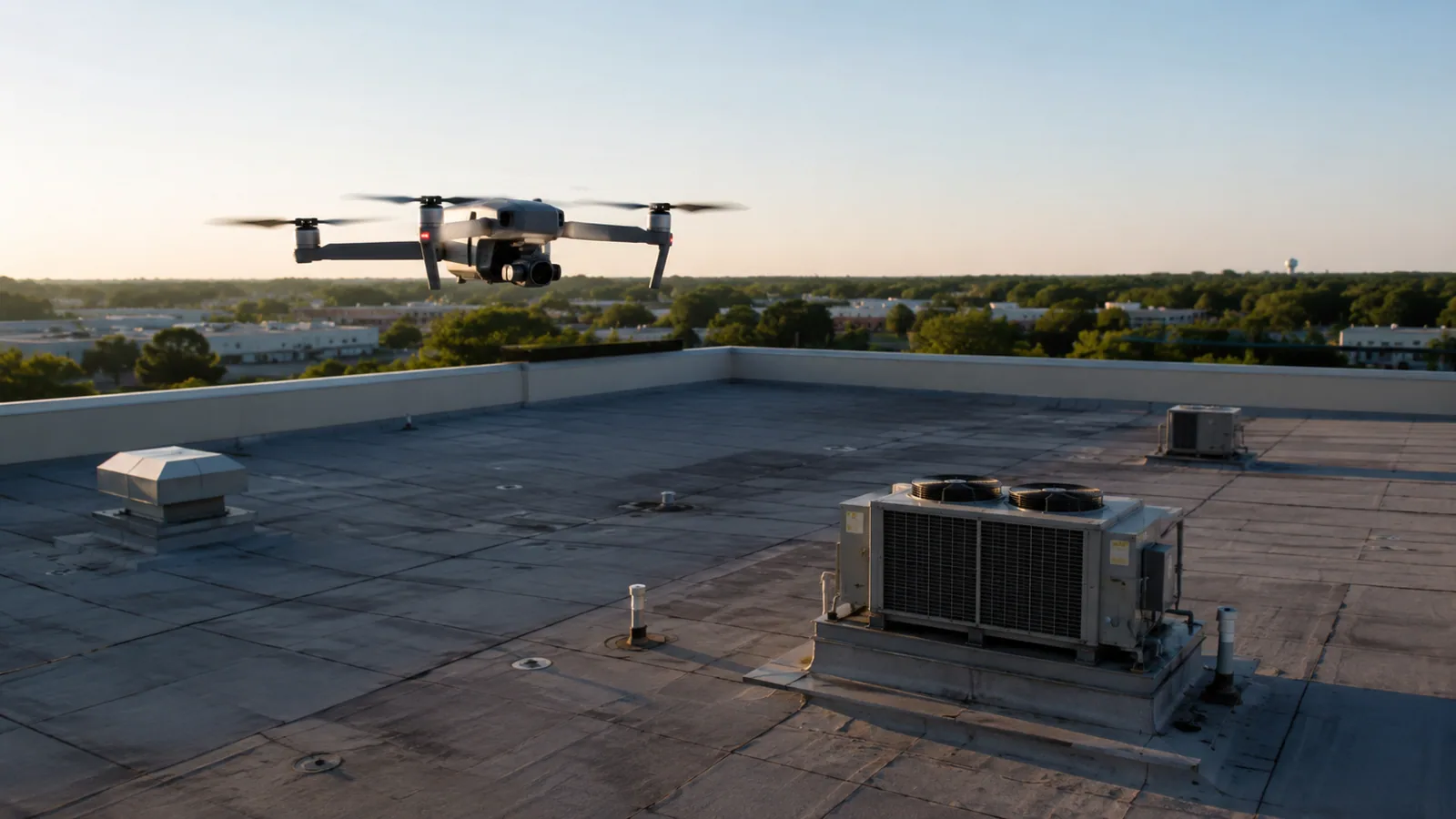
Drone Roof Inspection in Rancho Cucamonga, CA
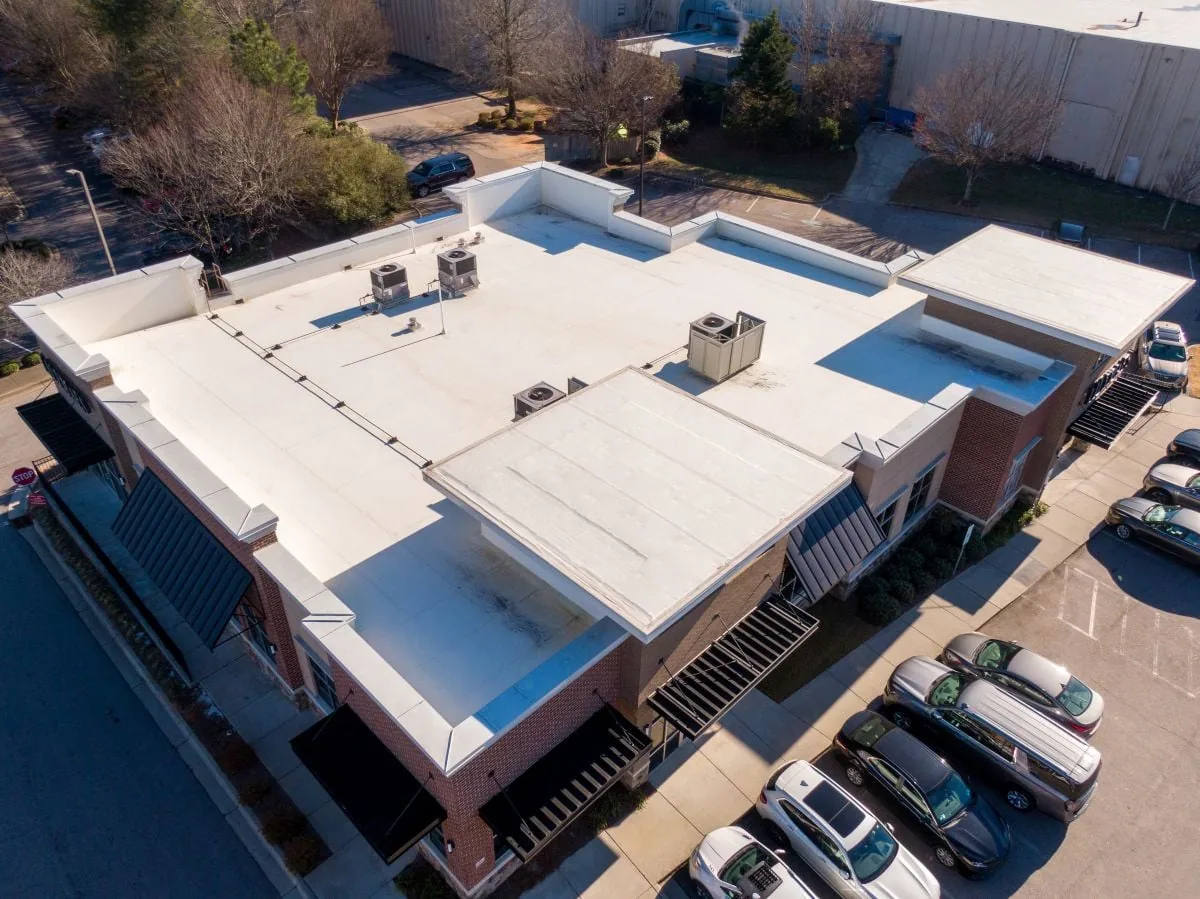
A distribution roof near Milliken Avenue may need an overview before the owner decides where closer examination is worthwhile. Aerial images can help organize that question when the flight is feasible. What they show should be distinguished from what still needs investigation.
Drone roof inspection in Rancho Cucamonga, CA supplies a surface record for a defined purpose. We review operating requirements, useful coverage and the actual building before arranging the survey. The owner receives located observations and a practical next task. A flight does not independently prove concealed moisture, connection quality or that every photographed detail is ready for repair.
Choose the useful view
Define the question the images need to answer. Layout, debris, visible displacement and equipment relationships may benefit from an overview. A concealed material or bonding question can need another method.
Identify actual roof sections from reliable information. Floor area does not supply image coverage or roof geometry. Different elevations and obstructions may limit the views available from one operation.
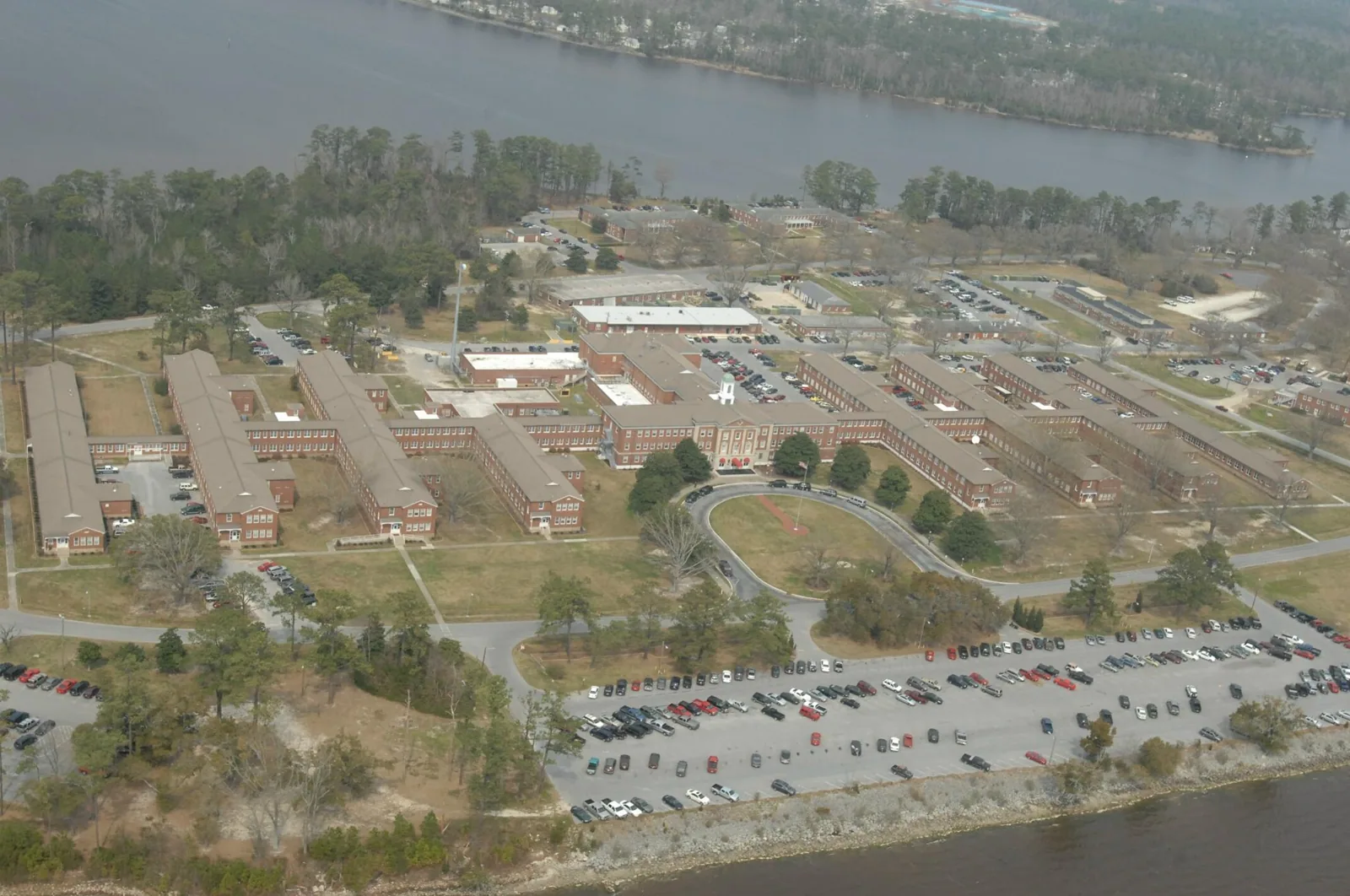
At the Rancho Cucamonga industrial district, activity around Milliken and Etiwanda Avenues provides a useful meeting reference. Ask the operator to identify access and camera restrictions. The district description cannot establish the installed roof or survey permissions.
If aerial work adds little or cannot be conducted appropriately, explain another suitable approach. The method should follow the decision. Roof size alone cannot prove that a drone is always the least expensive or most useful first task.
Record surface observations
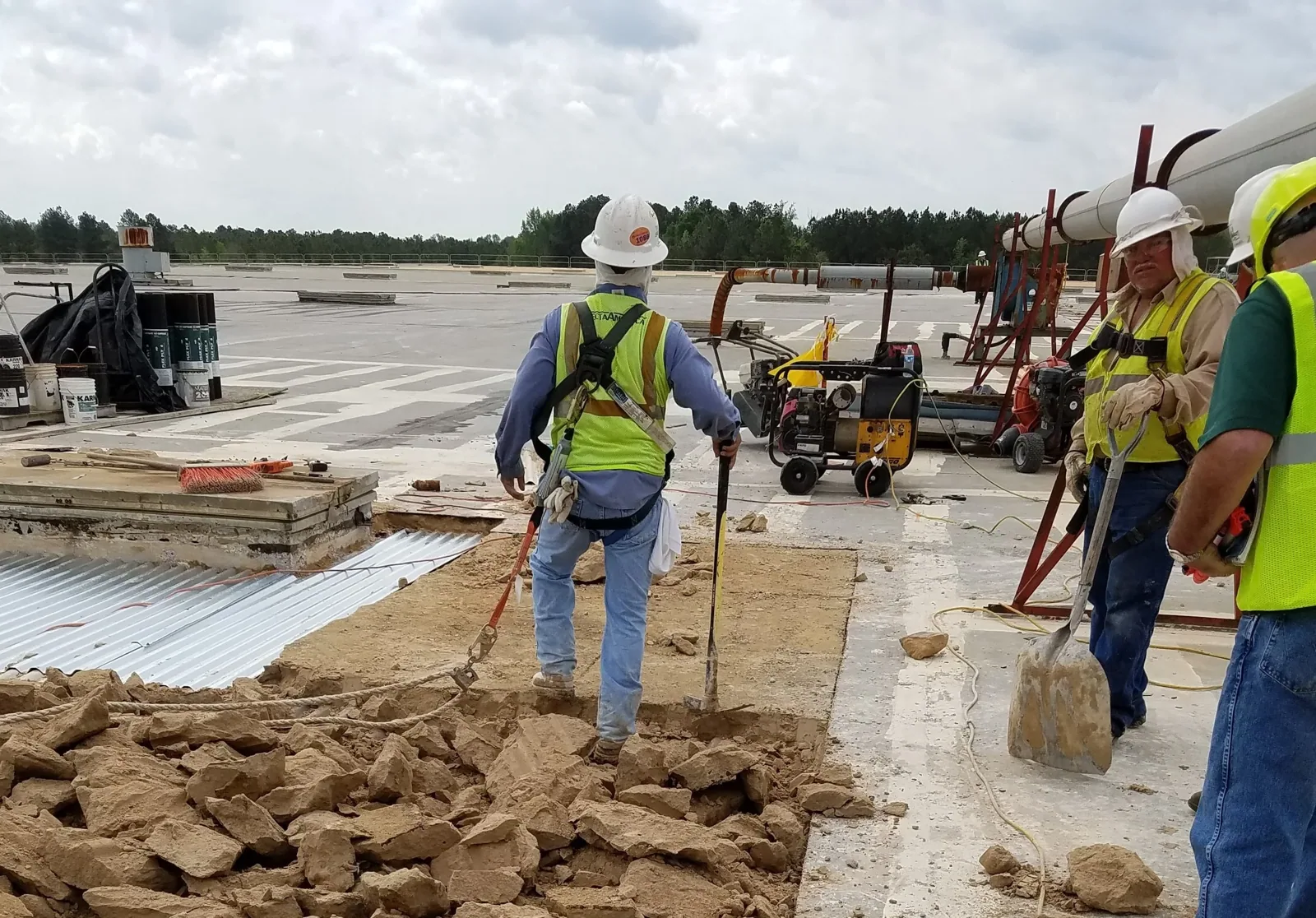
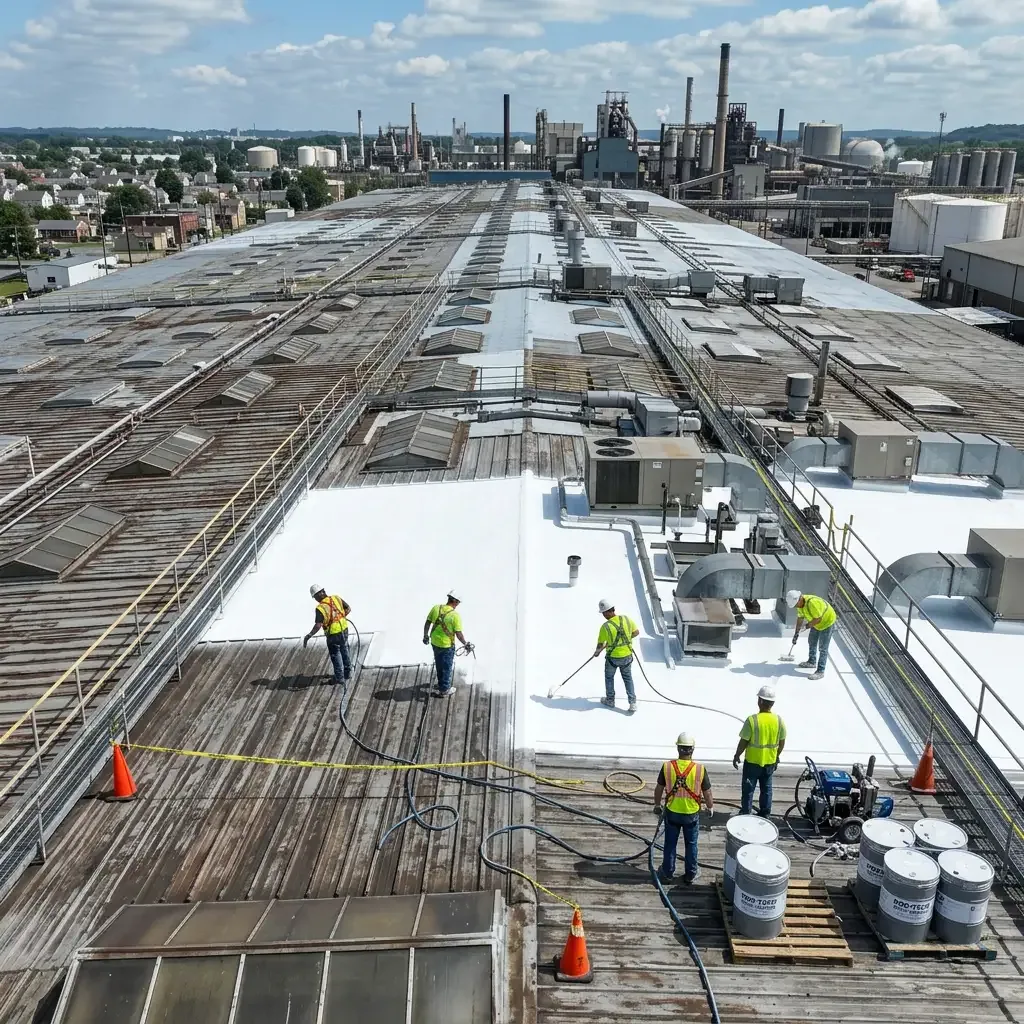
Set planned image areas and detail views in the scope. Shadows, reflections and obstructions can affect interpretation. An image that looks close can still leave a consequential connection unavailable.
Use a consistent roof location system for the photographs and any marked overview. A reviewer should be able to move from a noted concern to its supporting image and find the corresponding area at the building. Keep any inaccessible coverage identified in the same record.
Describe apparent damage or displacement without assigning its cause automatically. A dark streak may warrant drainage examination, while a pale area may need material review. Color variation alone cannot establish ponding history or membrane end of life.
Keep the date and conditions with the image record. Later comparisons need suitable context and coverage. Lighting or recent equipment activity can change appearance without proving deterioration or one particular cause.
Follow the actual question
A camera cannot establish every seam's bond or the condition of all supporting layers. A clear surface does not prove the assembly is dry or safe to walk. State those examination limits with the observations.
A closer roof review can answer relevant accessible detail questions where suitable. Access needs appropriate controls for actual conditions. An aerial view cannot independently approve a person to enter a questionable area.
Additional testing should have a defined purpose and necessary authorization. A suspect image does not automatically require a core cut or meter reading. Select the method for the installed assembly and supported question.
Equipment, glazing or wall concerns may need another responsible trade. The image can identify an interface worth reviewing without proving the source of an interior report. Identify the relevant next examination and the trade responsible for it, so the owner can resolve that interface before choosing a correction.
Interpret thermal evidence
A drone-mounted thermal camera records surface temperature patterns. Useful moisture investigation depends on the method, conditions and roof construction. The camera alone does not establish wet insulation or its full quantity.
An infrared investigation needs interpretation and appropriate confirmation. Keep coverage, circumstances and uncertainty with the finding. A temperature indication is not an automatic removal boundary.
Choose examination timing to suit the selected purpose. A visual survey and a thermal method may have different needs. Broad morning or evening preferences should not replace the actual assembly and weather review.
Samples can contribute local evidence where suitable. Record their locations and what they establish. They cannot independently settle every roof-wide condition or retained-layer eligibility requirement.
Resolve the flight requirements
Review current airspace and applicable operating requirements for the address and proposed flight. Necessary authorizations and restrictions should be resolved before operation. Airport proximity is a planning question, not proof that every nearby location has the same process.
A property near Ontario logistics corridor needs its actual location and operation reviewed. Nearby airport activity provides context. Do not base approval on a guessed carrier schedule or a general district description.
Flight planning needs current conditions suitable for the equipment and procedure, along with review of nearby activity. During Santa Ana weather, reassess that window and explain whether postponement or another examination method is the useful next step.
Maintain appropriate controls around people and adjacent activity. Owning a roof does not establish permission for any desired route. The agreed coverage should identify feasible limits and the alternate task if the operation cannot proceed.
Coordinate the property
Give the responsible building contact the proposed interval and requirements. Confirm sensitive activities and camera arrangements before operation. A short notice alone cannot establish that every facility restriction has been resolved.
For a Downtown Rancho Cucamonga area property, the retail setting makes tenant and receiving coordination useful. Obtain the actual instructions at the building. Retail floor-space figures do not establish the roof construction or aerial suitability.
Rancho Cucamonga has hot dry summers and cooler-season rain. Seasonal patterns can help plan, while actual visibility, surfaces and aircraft requirements govern the operation. Regional context cannot prove that one particular interval will provide useful evidence.
Record any coverage or schedule change. Nearby activity, permission or weather can alter feasibility. The owner should know what remains unavailable and which further task is proposed, rather than rely on an automatic completion promise.
Use the pictures to decide
A roof condition report should explain observation, interpretation and next action. The images become useful when the owner can follow the evidence behind the recommendation. They should not be treated as acceptance of every hidden detail.
For purchase review, share the actual deadline and question early. Feasible coverage and unresolved issues need to stay clear. The survey cannot promise lender acceptance or a transaction result.
Bid documentation can use the image locations alongside measured scope and detail requirements. Sharing pictures does not alone make every price equal. Identify which quantities and construction tasks the proposals include.
The closing answer should name work supported now and examination still needed. Give the owner the practical choice and its limits. That helps ground time follow useful evidence while retaining the limits of photographs and the cost of the actual next task.
Make the image set usable by matching each observation to a roof-zone label and a clear ground reference. Keep the capture date and direction visible, then group images by the question they help answer, such as surface damage, access planning or a location for closer inspection. An image can narrow the next visit but does not establish how a seam is attached or whether a layer below is wet. Pair any proposed opening or repair with a field check and measured boundary before the owner approves construction quantities.
Commercial Roofing Questions
Can aerial images replace every roof walk?
Use their surface evidence within defined coverage. Connections and concealed questions may need other methods. Choose the next task for the actual decision.
Does airport proximity decide flight approval?
Review the address and proposed operation against current requirements. Authorizations or restrictions may apply. Nearby location alone cannot establish the complete process.
Will thermal images show all wet insulation?
Interpret patterns under suitable conditions and obtain appropriate confirmation. Temperature contrast is not automatic moisture proof. Record uncertainty with the recommendation.
Can pictures make all roofing bids comparable?
Combine image references with defined quantities and construction scope. Proposals can still include different work. The owner needs those differences explained.
What should be agreed before the survey?
Define useful coverage, permissions and operating arrangements. Identify unavailable areas and feasible alternatives. The method should serve the owner’s actual question.
Get a useful overview before spending on repair
Share the building address and assessment question. We will review suitable aerial coverage and give you a plain written recommendation for supported work or closer examination.