
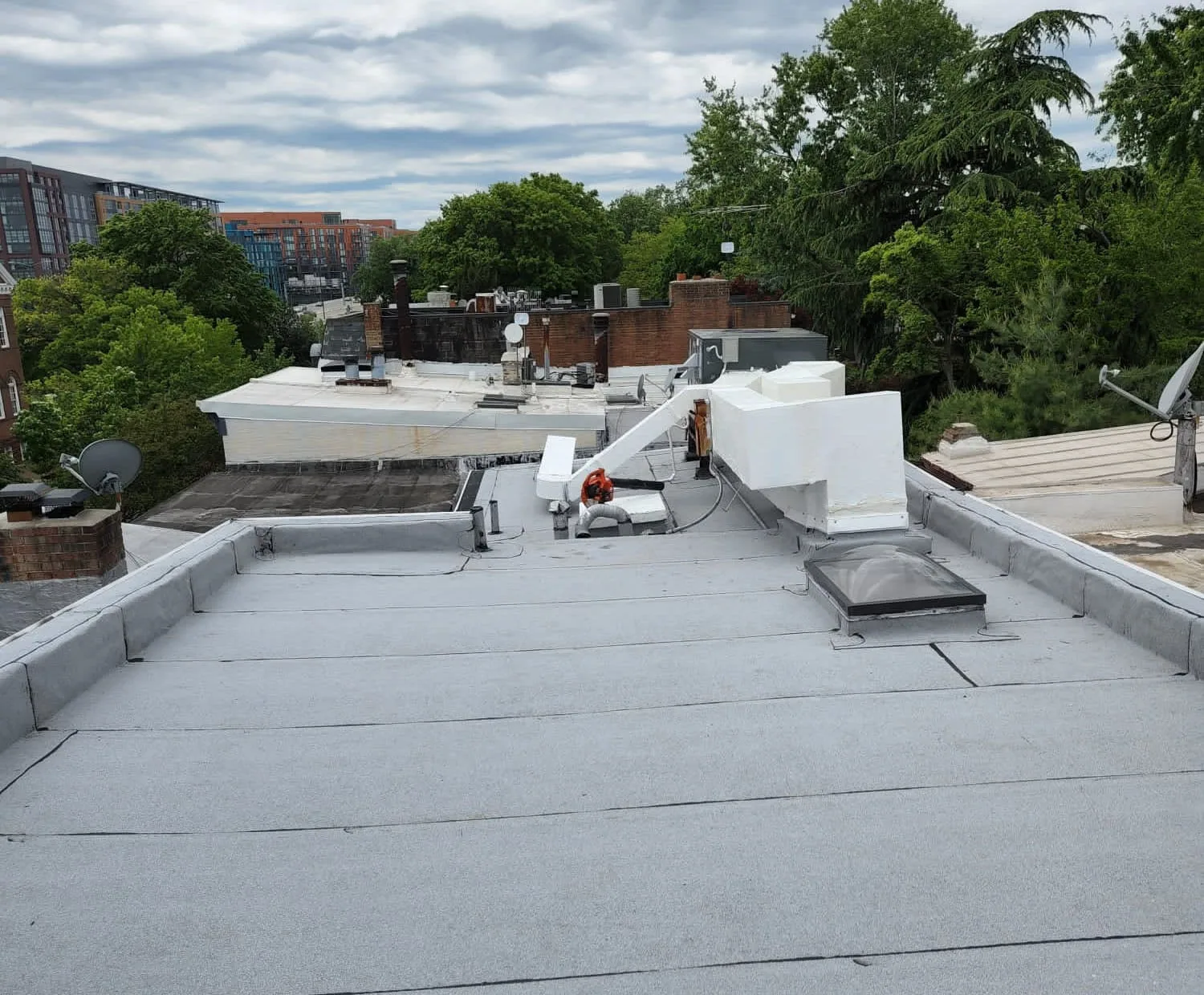
Roof Condition Reports in Rancho Cucamonga, CA
A torn flashing at a distribution building near Milliken Avenue raises an obvious question for the owner: is this a small repair, or is the roof around it failing too? A roof condition report answers that. We find the problem, check the material around it and say plainly when more testing is needed before the repair size is known.
For a Rancho Cucamonga, CA building, the report gives your next expense a clear reason. You see the specific fix and the evidence behind it before committing to anything larger.
The Report Starts With the Roof Areas Included
First we agree which buildings and roof sections are included and collect any installation records and past repair invoices, keeping their dates. Upper roofs and additions get their own labels. If a section can't be reached safely, the report says so and notes what it would take to get eyes on it.
During a commercial roof inspection we check drains, edges and parapets along with seams and flashing. Every close-up photo is paired with a wider shot so the next person can find the same spot. You get what we actually saw at those locations, not a blanket claim that the whole roof was examined.
An old service ticket is not the current condition. It tells us where to look, but equipment work since then may have changed things. Where we don't know what's under the membrane, the report recommends the testing needed before choosing a permanent repair or a recover.
State the buildings and roof zones included, access limits, observation date and conditions that prevented review. A concise plan reference lets a reader connect photographs and findings to the right section without relying on room names alone. Separate visible observations from conclusions that would require opening the assembly, water testing or engineering analysis. When the report recommends follow-up, explain what question that step answers and who should authorize it. This gives ownership a report they can use to sequence work while keeping the limits of a visual review clear.
A Repair Ends Where the Roof Is Sound
A split seam is often a simple local repair if the membrane around it is still sound. A pulled flashing at an HVAC curb may mean the curb itself is loose or rotted. We look at the detail and what's under it before deciding how much to cut out and what to put back. Wall, mechanical or structural issues go to the right trade.
A priced repair carries those findings straight into the scope. The repair needs good material at its edges to tie into. Earlier bad patches or hidden rot can make it bigger, and the report says when that's a real possibility.
That leaves you with a simple choice: approve the repair, or approve the test that confirms it. A larger project only comes up when the findings support it, and we explain why.
Hidden Layers Need the Right Test
Wet insulation, the number of roof layers and deck condition can all change which option makes sense. Core cuts tell you what's there at each spot. Deciding to keep a large area of existing roof needs enough samples across it. The report keeps what's confirmed separate from what's suspected.
In the right conditions, an infrared moisture survey shows where to take cores. Heat patterns can also come from shade, equipment or surface differences, so we confirm suspect areas with cores and note the survey conditions in the report.
Confirmed wet or damaged material gets a repair scope. Areas that only look suspect stay listed as needing more testing. That keeps a handful of samples from being treated as the condition of the entire roof when you review the cost.
The Leak Path Decides the Repair
A ceiling stain tells us where to start, not where the water got in. We ask staff when it showed up and what equipment was running, then compare that with the roof details and drains above. Rain leaks, HVAC condensate and condensation inside the building need different fixes, and the report names the cause the evidence supports.
Our drain and scupper inspection separates simple cleaning from slope or drain changes. A low area that keeps holding water may need measurement and an engineer's input before we price new drains or tapered insulation as a ready-to-build item.
If the cause is still unclear, we recommend the next test and what it should prove. Water testing needs the right conditions, permission and protection inside. We pick the method that fits the building instead of running the same test everywhere.
Every Building Sets Its Own Work Limits
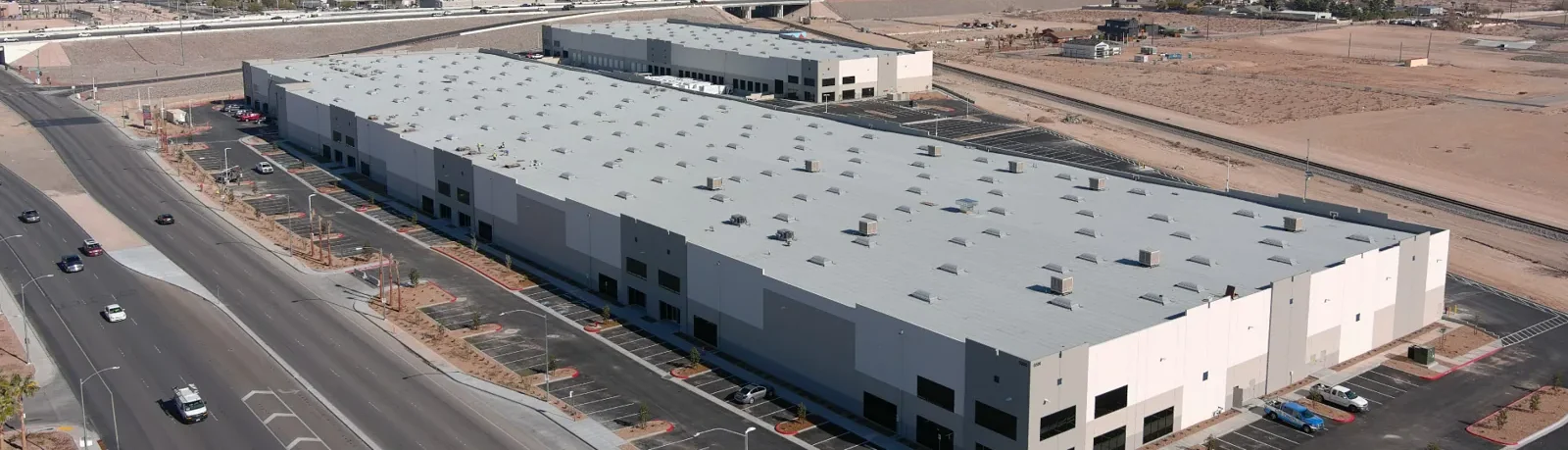
Rancho Cucamonga has a lot of distribution and manufacturing space around Milliken Avenue and Etiwanda. On those sites we confirm dock traffic, deliveries and staging areas with the operator, and the lift or hoist goes where it fits. Advertised building size is not the roof quantity; we measure the roof for the scope.
A retail job in Downtown Rancho Cucamonga has customers and tenants to work around. We identify the spaces under the work and plan protection before agreeing on a method. HVAC shutdowns are coordinated between the mechanical contractor and management, and the report notes them next to the roofing work.
Summers here are hot and dry, with rain mostly in the cooler months. We schedule from the actual forecast, safe access and the product's limits. Santa Ana winds are a good reason to check edge metal, but only an inspection shows actual damage, and design requirements come from the project team.
Complete Options Make Costs Easy to Compare
Roof capital planning builds options from the report. Repair, coating and replacement keep different amounts of the existing roof and need different prep. We compare full quantities, deck repairs and protection, and keep open testing items visible.
Your roof history file keeps the inspection date and photo locations with later work. Warranty paperwork stays with the roof it covers, including notice rules. Completion photos show what was actually done, and work owed by other trades is listed. Next time a problem appears, you can compare it against that history.
The report also names who approves the next step and what they need to see. Sometimes the right next step is a test rather than a repair. Being clear about that lets you pay for the answer before paying for the larger project.
Commercial Roofing Questions
What determines whether a detail can be priced as a local repair?
The roof around the damage has to be sound enough to tie a new repair into. We check the membrane, insulation and support under that spot. If hidden damage could make it bigger, we recommend a quick test before fixing the price.
When should a condition report include physical openings?
When what's under the membrane could change the option you're weighing, such as a recover versus a tear-off. Core cuts need your permission and are patched the same day. Each one describes its own spot, so a large area needs several.
Does a water stain establish a roof leak?
No. A stain can come from a roof leak, an HVAC drain line or condensation, and each needs a different fix. We compare when it appeared, what equipment was running and what the roof shows before naming a cause.
What makes the recommendation useful to the owner?
Clear locations and complete quantities, including access, other trades and protection inside. It should also separate the repair you can approve now from testing or design work needed before a bigger decision.
Get the Roof Finding and the Next Task in Writing
Schedule a roof inspection and get photos tied to a roof plan, a priced repair scope and a clear note of any testing needed before considering a larger project.