
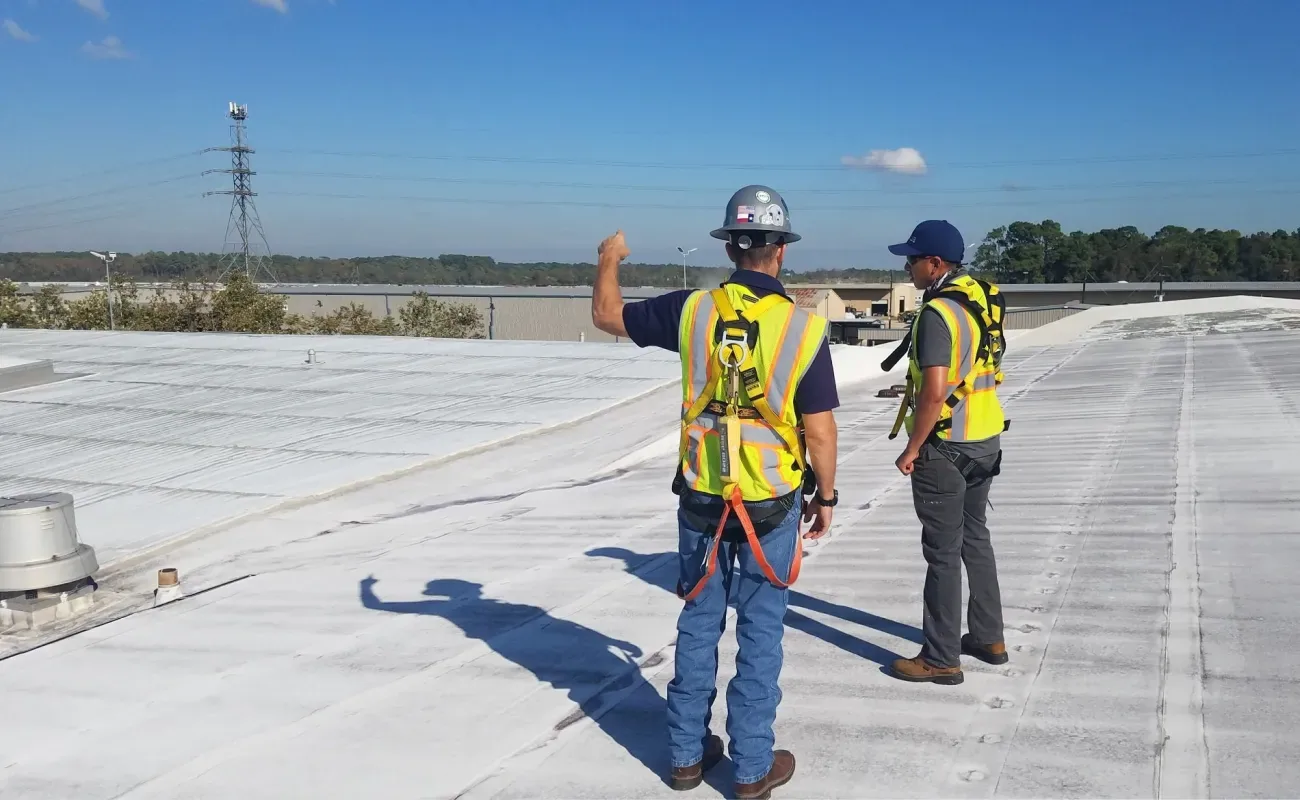
Roof Asset Management in Rancho Cucamonga, CA
A service invoice from a distribution building near Milliken Avenue can show that money was spent without showing what remains to be done at the roof. The useful record needs a location, the correction completed and the next task still open. We organize building roof information around those questions. Dated findings remain connected to the physical work they support.
For a Rancho Cucamonga, CA property, the record helps you compare a new report with earlier repairs and equipment changes. It keeps confirmed construction distinct from the information still needing assessment. The next expense can then follow a supported task rather than an uncertain description passed between managers.
Roof Sections Keep Their Own History
Begin with the buildings and levels included. Separate additions and known material changes retain their own references. Existing installation documents keep their date and source. Where they leave a construction question unanswered, identify the investigation needed before selecting a permanent repair component or larger retained-layer option.
Located roof findings add current accessible information. Photographs connect a close detail with enough surrounding construction to find it again. Mark areas that could not be examined and the access task relevant to the next decision. The owner can understand the record's coverage without assuming concealed layers were assessed everywhere.
Use the same locations for subsequent visits. A changed curb, removed support or repaired edge belongs with the roof section it affected. The information becomes useful when another contractor or manager needs to review that connection later.
Give each roof section a stable name that the building team can locate in a plan or marked aerial. Track the installed assembly where known, past repairs, active leak reports, access constraints and the date of the latest observation. A record should distinguish verified condition from an item awaiting investigation, so portfolio users do not mistake an open question for a confirmed defect. When a building changes use or receives new rooftop equipment, update the connected section record before the next maintenance cycle is scheduled.
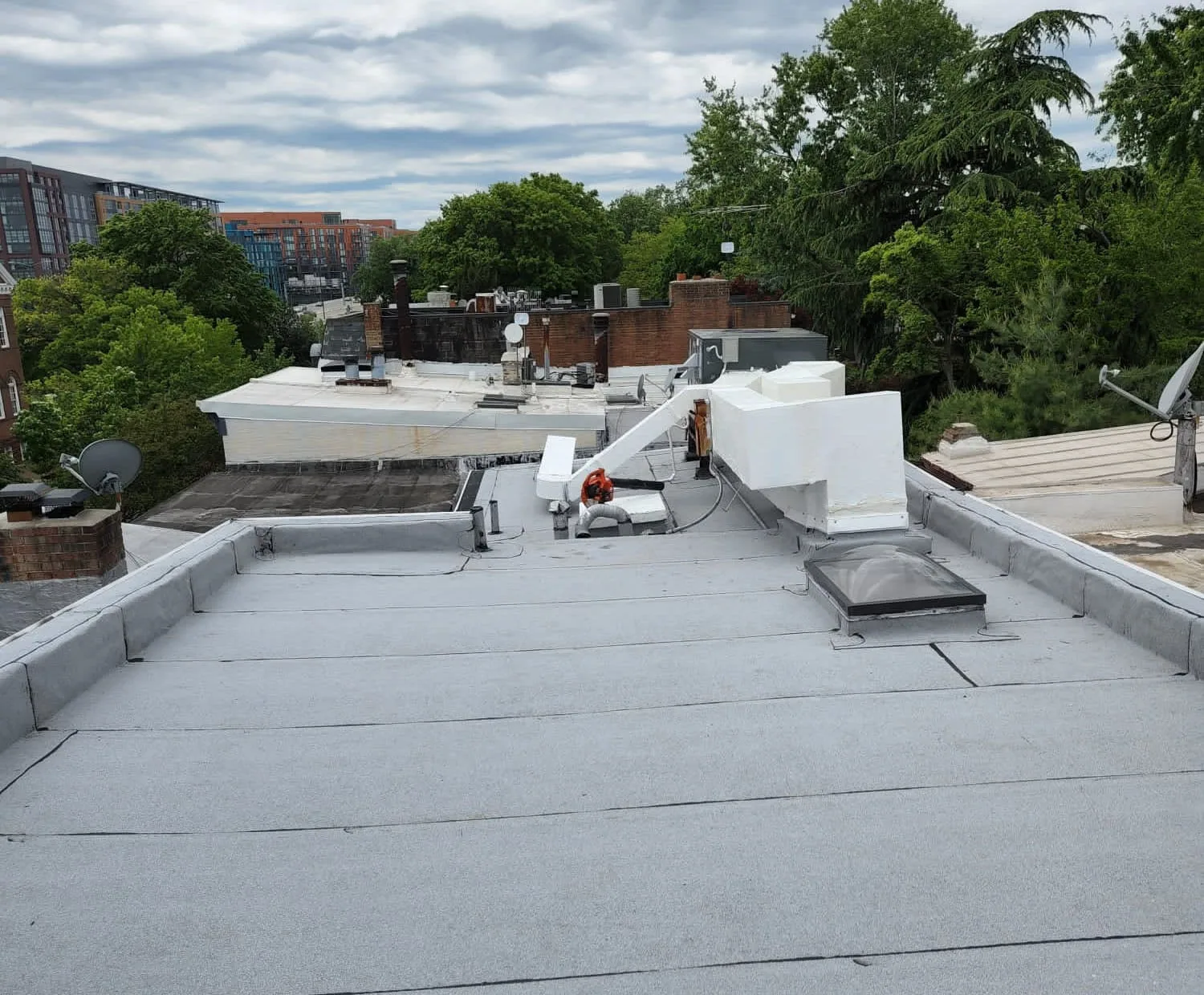
A Maintenance Entry Shows the Task Completed
Documented maintenance identifies the finding, service performed and accessible condition left at the position. Outlet debris can need cleaning while a damaged connection needs corrective construction. A persistent low area may require measurement and design review. Keep those different tasks clear after the visit.
Hot, dry summers and cooler-season rainfall provide planning context in Rancho Cucamonga. Actual weather, access and product instructions establish useful work periods. The visit date stays with the findings. A seasonal check contributes information without promising how every detail will perform during later storms.
Temporary measures retain their limitation and the permanent task or investigation still needed. A service entry should make that status findable. You can approve the next correction knowing which part of the work is complete and which question remains unresolved.
An Equipment Change Needs a Roof Connection Review
A proposed rooftop unit, support or cable route can change an existing detail. Obtain the intended position and construction from the project team before procurement settles it. Examine the accessible receiving material and surrounding support. Appropriate design and trade review establish the new interface, with roofing responsibilities identified beside related work.
Equipment interface planning connects the proposed alteration with the roof history. Changed insulation or curb height can affect flashing and nearby construction. Review the complete detail and the access needed to install it. The record then retains the reviewed scope and completion information for the actual change.
Facility staff and qualified trades coordinate relevant equipment or air-handling precautions for the method. Ask which rooms and operations are affected. The work phase follows those accepted provisions rather than a general assumption that equipment near roofing can be modified by the roof team.
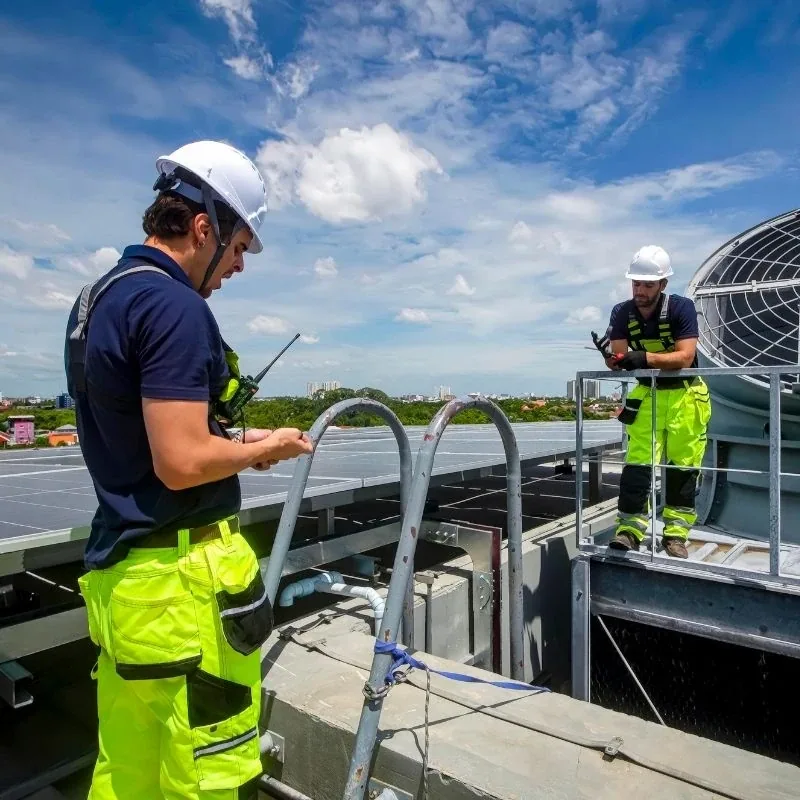
A Water Report Keeps Its Cause Question Clear
Interior position and timing guide investigation. Compare staff observations with accessible roof details, drainage and equipment information. Roof entry, discharge and condensation can require different corrections. The record identifies the explanation supported by evidence and the next examination needed when that path remains uncertain.
A located water-path assessment turns confirmed defects into the proposed task. Where concealed condition matters, authorized openings establish information at examined points. Thermal patterns may guide suitable confirmation under appropriate conditions, with surface and equipment influences considered during interpretation. Keep suspected wider extent separate from confirmed material condition.
The repair history helps direct a later assessment. When service keeps returning to the same connection, examine its cause and supporting construction more closely before selecting the next correction. That history alone does not require replacement of the whole roof. A new recommendation follows the physical findings collected for that decision.
The Property Supplies Its Working Arrangements
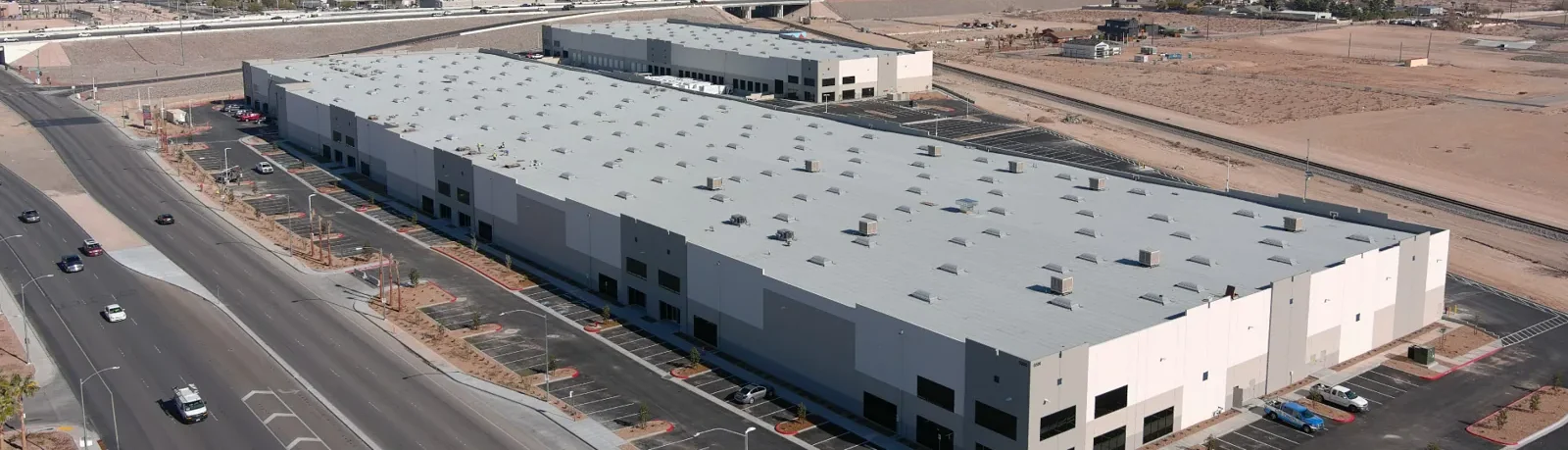
Distribution and manufacturing uses contribute to Rancho Cucamonga's industrial setting around Etiwanda and Milliken Avenue. At the property, confirm loading movements, roof access and the approved receiving position. Retain practical restrictions affecting inspection or construction with the building record. Published floor area remains separate from a measured roof quantity.
For retail work at Downtown Rancho Cucamonga, management establishes the affected rooms and routes used by customers. Another building in Ontario needs independent access and protection arrangements. Each operator identifies the activities affected by the roof work, allowing the method and price to include the actual operating provisions.
When tenants or operators change, update those inputs. Keep the dated work history intact while adding the current contacts and arrangements. The next service team can then find both the physical detail and the practical route needed to examine it.
The Budget Uses the Record for Its Next Decision
Condition-based budget review compares feasible scopes with preparation, support and protection included. Identify another investigation where hidden construction could change the option. The owner can approve the task supported now and understand the information needed before a larger commitment.
Issued agreement documents stay with the relevant installation and notice procedures. For an acquisition, a transaction roof survey establishes the coverage suited to that review. Each report keeps its own date and limitations. Later decisions use current findings while retaining earlier information for comparison.
Completion photographs identify installed material and corrected positions. Add approved scope changes and maintenance tasks. Work awaiting another trade remains assigned with its contact and next action. A new manager receives a useful history of the construction completed and the task still ahead.
Retain the date of each task update and the information supporting it. If another examination changes the scope, keep that finding with the approved revision. The record then explains why the next quantity or method differs from earlier work.
Commercial Roofing Questions
What makes a roof record useful when management changes?
Stable roof locations connect dated findings with completed corrections. Keep material information, operating contacts and outstanding tasks findable. The new manager can then identify current status without reconstructing it from separate invoices.
When should equipment work change the roof record?
Update it when a support, opening or service route changes the installed construction. Retain the reviewed detail, trade responsibilities and completed images. Future work can assess another alteration against the connection actually installed.
Does a maintenance visit settle a recurring water complaint?
Completion depends on the cause and scope established by the evidence. Record the service task performed and any unresolved path. Further investigation remains assigned where the finding does not yet support a permanent correction.
What should the next budget review use from the history?
Use dated condition and completed work to develop feasible options. Confirm current findings where construction has changed. Complete quantities, supporting tasks and operating provisions make the proposed expense reviewable.
Get a Roof Record That Shows the Next Useful Task
Arrange a review of the building history and current findings, with located corrections and clear information for the next service or budget decision.