EPDM Commercial Roofing in Rancho Cucamonga, CA
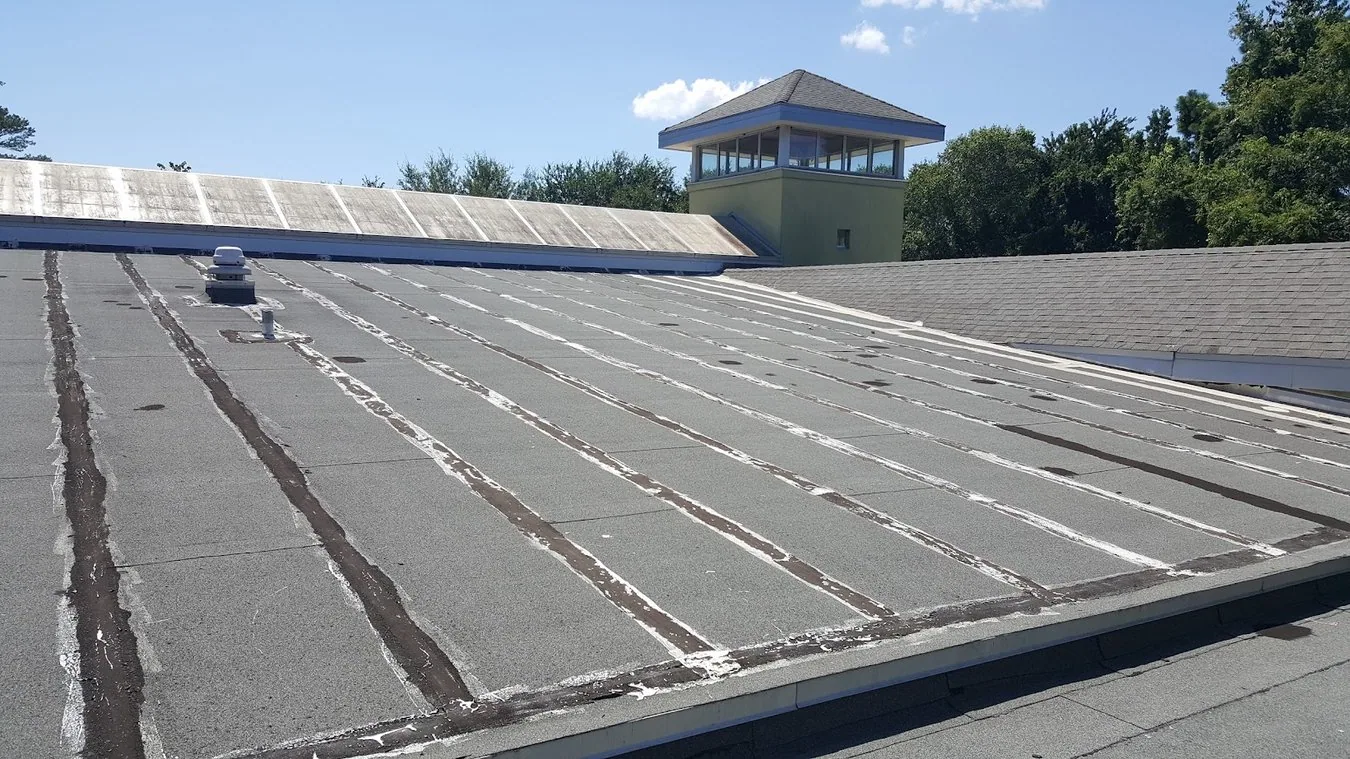
An owner with an EPDM roof may see several generations of patches around the same curb. Before paying for another, ask what each layer is doing and whether the flashing underneath is still sound. A useful roof walk looks at the rubber membrane, the old repair materials and the detail beneath them, then explains what fix would actually solve the problem.
Our Rancho Cucamonga EPDM roofing service builds that scope from an on-roof inspection and any records you have. We identify the prep, compatible materials and open questions before recommending a repair or larger work. You get a clear choice about what's worth keeping and what needs rebuilding, with the method and any remaining uncertainty in writing.
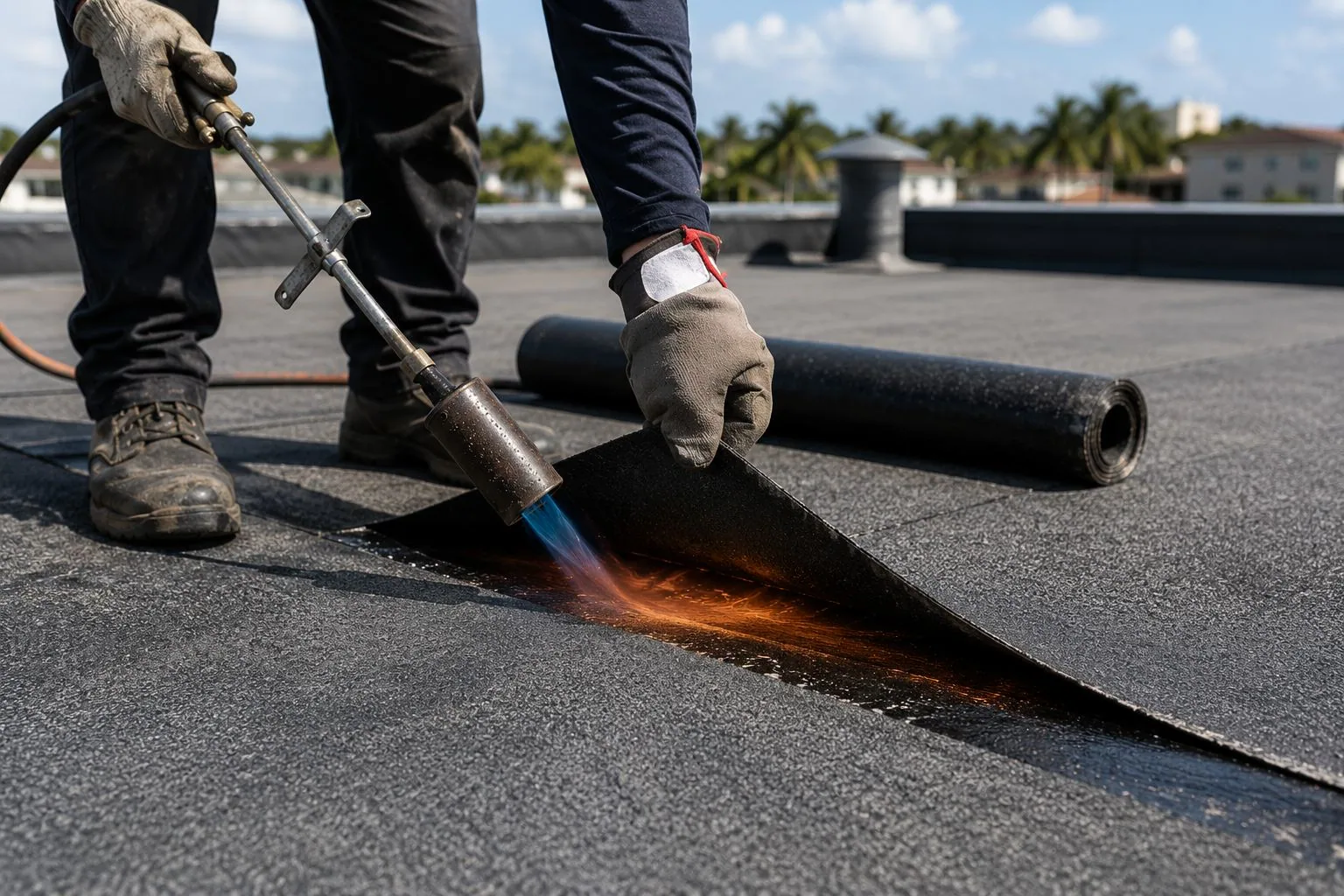
For PVC roofing or TPO roofing, seams are heat-welded. EPDM seams use tapes and adhesives instead. Comparing those methods shows how prep and detail work change, rather than choosing between equally vague single-ply descriptions.
Identify the seam method
EPDM is a synthetic rubber roofing membrane. Its seams and repairs usually use specified seam tape, primers and adhesives. It can't be heat-welded like TPO or PVC, so a repair method borrowed from those roofs won't hold. Confirming the material comes before pricing the repair.
We review old repairs and any system information. A mix of unknown coatings or patch materials can make the next repair harder. The proposed method explains how the existing surface will be cleaned and primed. Our commercial roof repair work ties that to a specific finding instead of offering the same patch for every black roof.
We check field seams against the product and bonding method that was actually installed. Adhesive seams, tape seams and cured membrane each need different prep, so we identify the system before specifying a repair. A patch that ignores how the original seam was laid out may leave the leak path untouched.
Look at the detail around the gap
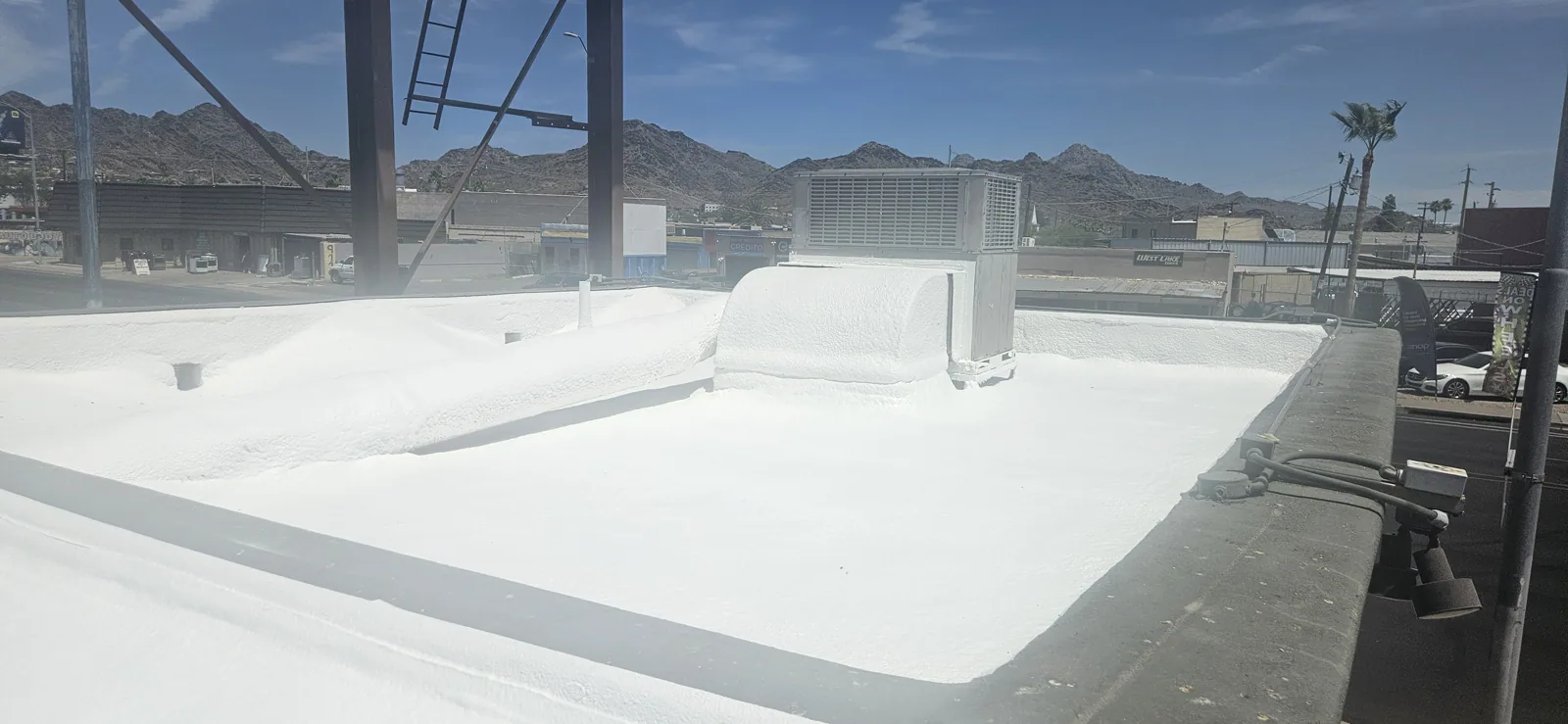
An open lap or damaged flashing means checking the connection next to it and the shape of the detail. If a wall flashing or curb is failing, another patch on the surface may leave the real problem in place. We photograph what we see and mark what needs to come out or be rebuilt.
Our penetration and flashing work is coordinated with whoever services the equipment or skylight. Flashing height and the condition of what's underneath matter, especially if new roof layers are planned. Each repair is described as a complete fix at that detail, with prep and inspection steps, so you know what the price buys.
Test for hidden problems the right way
A good-looking surface doesn't prove the insulation underneath is dry. Where we see warning signs, we pick the right test and record what it shows. A core sample describes its own spot. If the layout or evidence suggests another area needs checking, we say so instead of stretching one small sample into a whole-roof conclusion.
An infrared roof survey can help find suspect areas when conditions are right, with cores to confirm what it shows. The way the whole roof is built affects the readings. Insulation that turns out to be wet gets replaced, and those quantities stay tied to the EPDM repair or reroof scope.
Compare the roof options
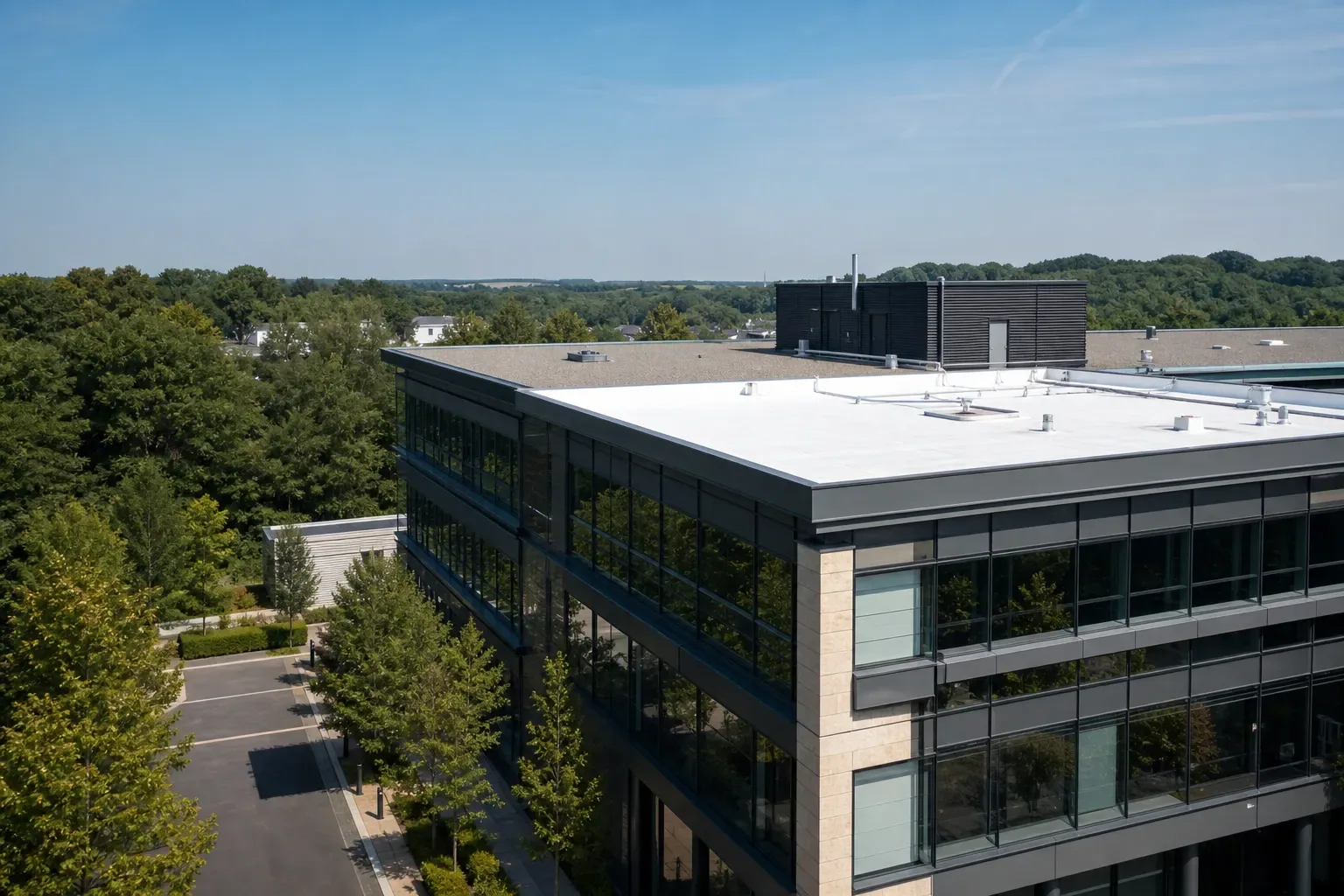
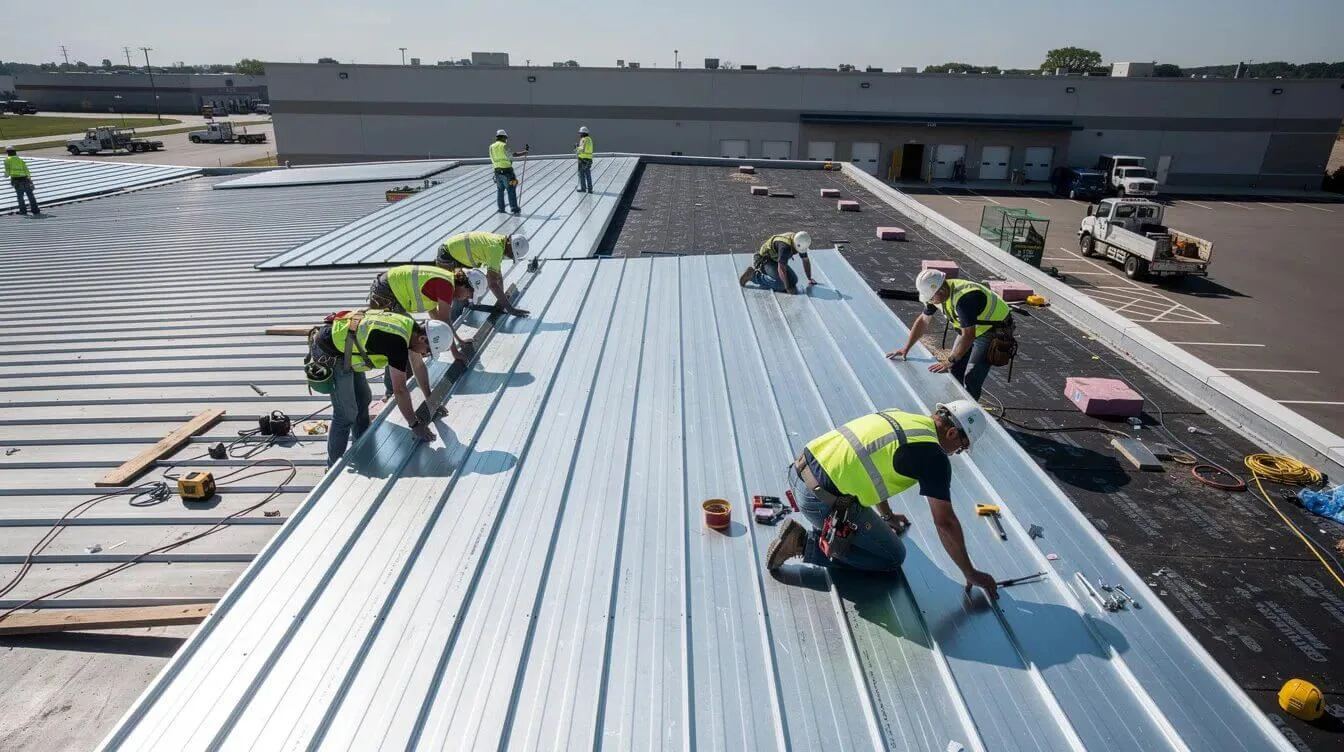
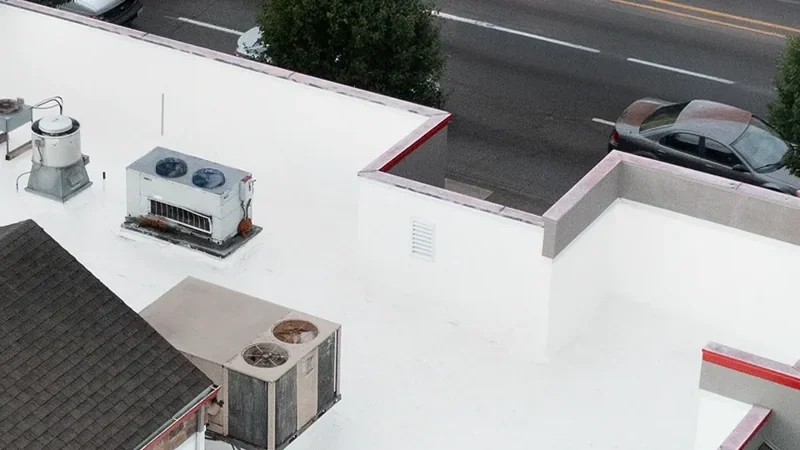
A new EPDM roof needs the right combination of membrane, attachment, insulation and cover board. The deck's condition and the project design affect the choice. Ballasted, fully adhered and mechanically attached systems each have their own requirements; the word EPDM alone doesn't tell you the weight or attachment.
A roof recover requires that the existing roof be sound and that code limits on roof layers allow it. A commercial roof replacement spells out tear-off and rebuilding. We compare complete approaches, including details and any engineering review, so you can weigh what's kept, the cost now and practical limits without relying on a generic rubber-roof lifespan.
Drainage and energy rules are separate questions
Ponding or slow drains need their own look. A membrane repair won't add slope or clear a blocked drain line, and new layers can change drain and flashing heights. Our roof drain and scupper work covers the roof-side fixes and flags plumbing or design questions for coordination.
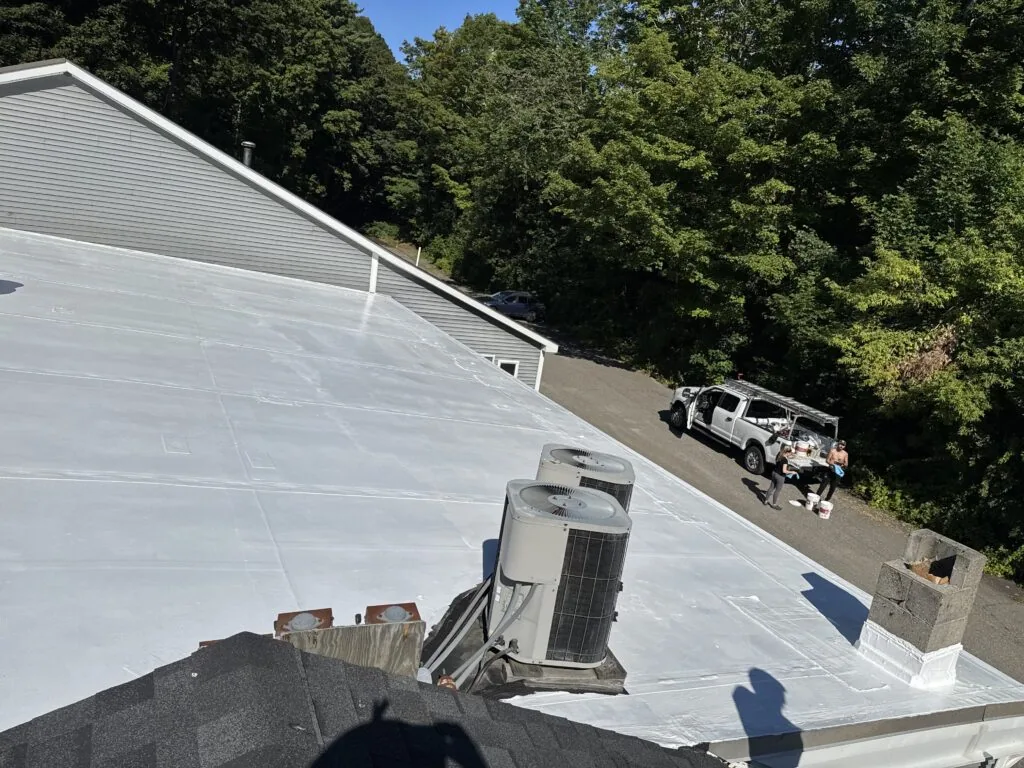
California's Title 24 energy rules also apply to the building and scope, including any exceptions. The EPDM system and any coating need to be checked against those rules. Color alone doesn't settle compliance, so we document the chosen system and review before treating the material choice as final. If a coating is proposed over the rubber, we check that it's compatible with the sheet and with planned repairs. You should know whether it changes future repair prep or needs special upkeep. That information stays with the product records, so a later contractor doesn't look at a black or white surface and guess the material or the right repair method.
Work within the right conditions
Cleaning, primers, adhesives and seam tapes each have their own application requirements. Moisture, temperature and dew all affect them. You can't tell an adhesive has cured just because it's daylight. We identify the conditions the work needs and what happens if the weather doesn't cooperate, so you get a realistic schedule.
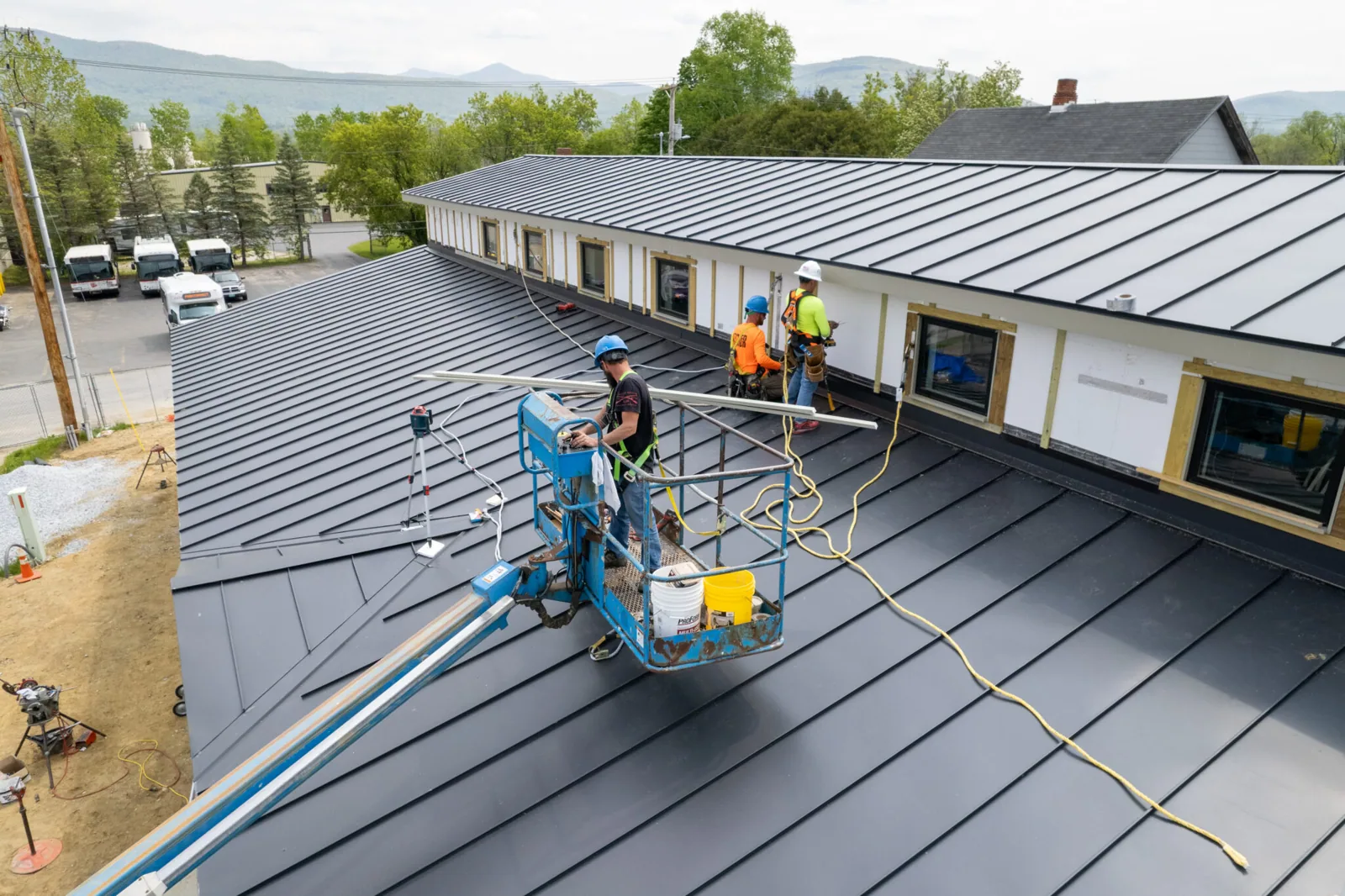
At a commercial property in Upland, we confirm staging and access with the owner or manager. In Claremont, we work around the actual tenant or building schedule before setting work areas. Adhesive odors and noise are real, so any restrictions go into the plan instead of a promise that occupants won't notice anything.
Make future repairs easier
We keep a record of the membrane and repair materials, with location photos and inspection notes. Prep photos are taken before the finished patch covers them. The manufacturer's and contractor's actual warranty documents set coverage and maintenance terms. A record of those terms is more useful than a fixed lifespan applied to every EPDM roof.
Later equipment work and cleaning can damage the surface or flashings. Those changes go in the roof file along with inspection findings. A new leak needs to be traced, not blamed on the nearest old patch. With a known roof and a clear repair history, the next dollar goes to the problem that matters.
Commercial Roofing Questions
Can EPDM be repaired like TPO?
No. TPO is heat-welded, while EPDM uses seam tape, primers and adhesives. We identify the existing membrane and use a compatible repair method, with prep and seam checks spelled out.
What if several old patches overlap?
We check the patch materials and the detail underneath before adding anything. Sometimes old patches have to be removed or the flashing rebuilt. The proposal explains what stays and what the repair fixes.
Does a dry surface mean the insulation is dry?
No. Wet insulation needs testing, and we note the limits of each test. Findings stay tied to their locations before we estimate replacement or recommend keeping the roof.
How should a recover and a replacement be compared?
Look at whether the existing roof is sound, the prep, what's kept, attachment and flashing work, plus any engineering or testing needed. Both prices should describe complete jobs.
What helps the next contractor?
A record of the membrane type, repair locations, prep photos and warranty documents, plus later changes by other trades. That helps future repairs use compatible methods.
Get a clear EPDM repair choice
Book a roof walk to review the membrane and flashings. We'll explain the right repairs, any testing needed and the options worth considering.