
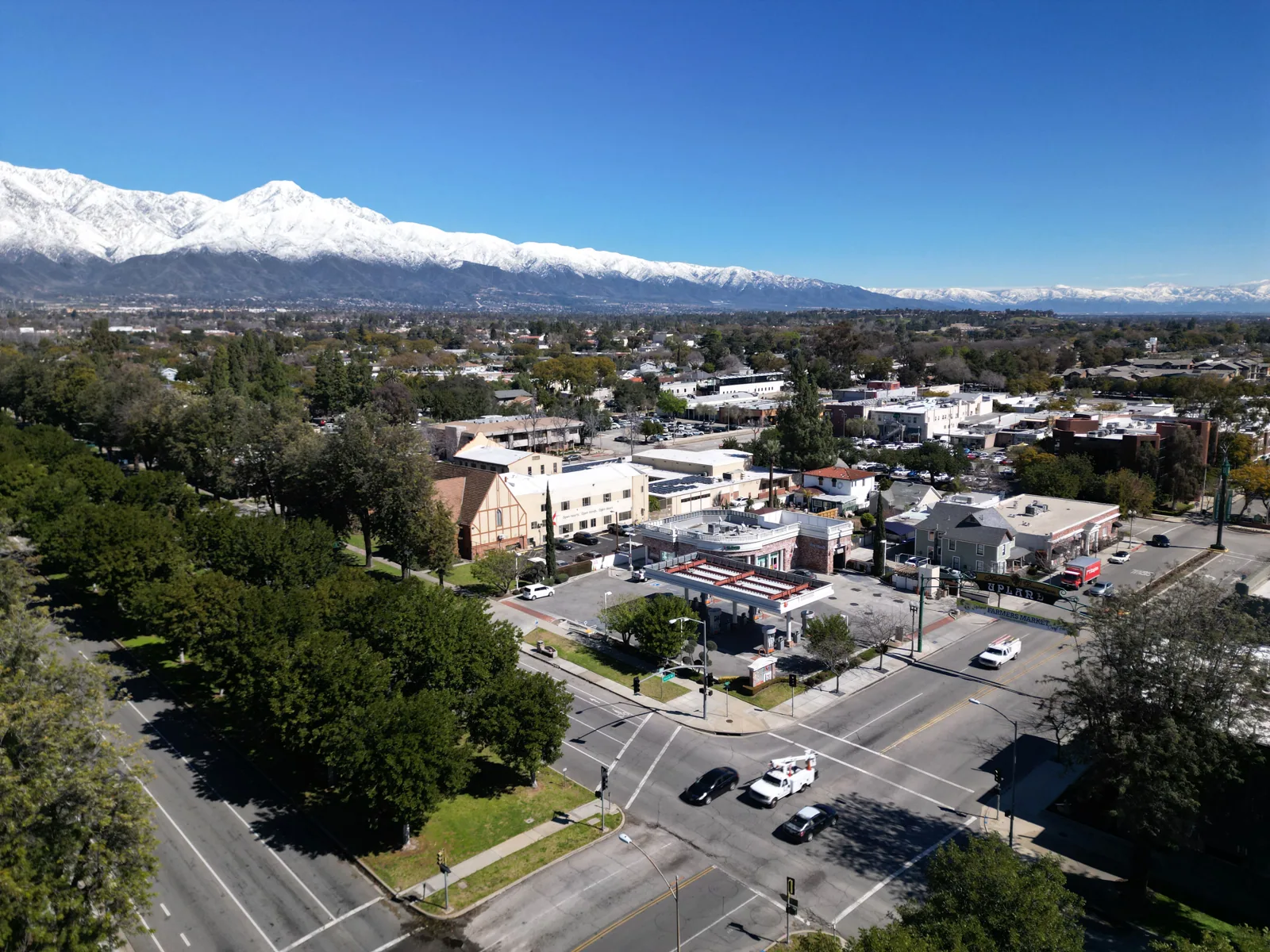
Commercial Roofing in Upland, CA
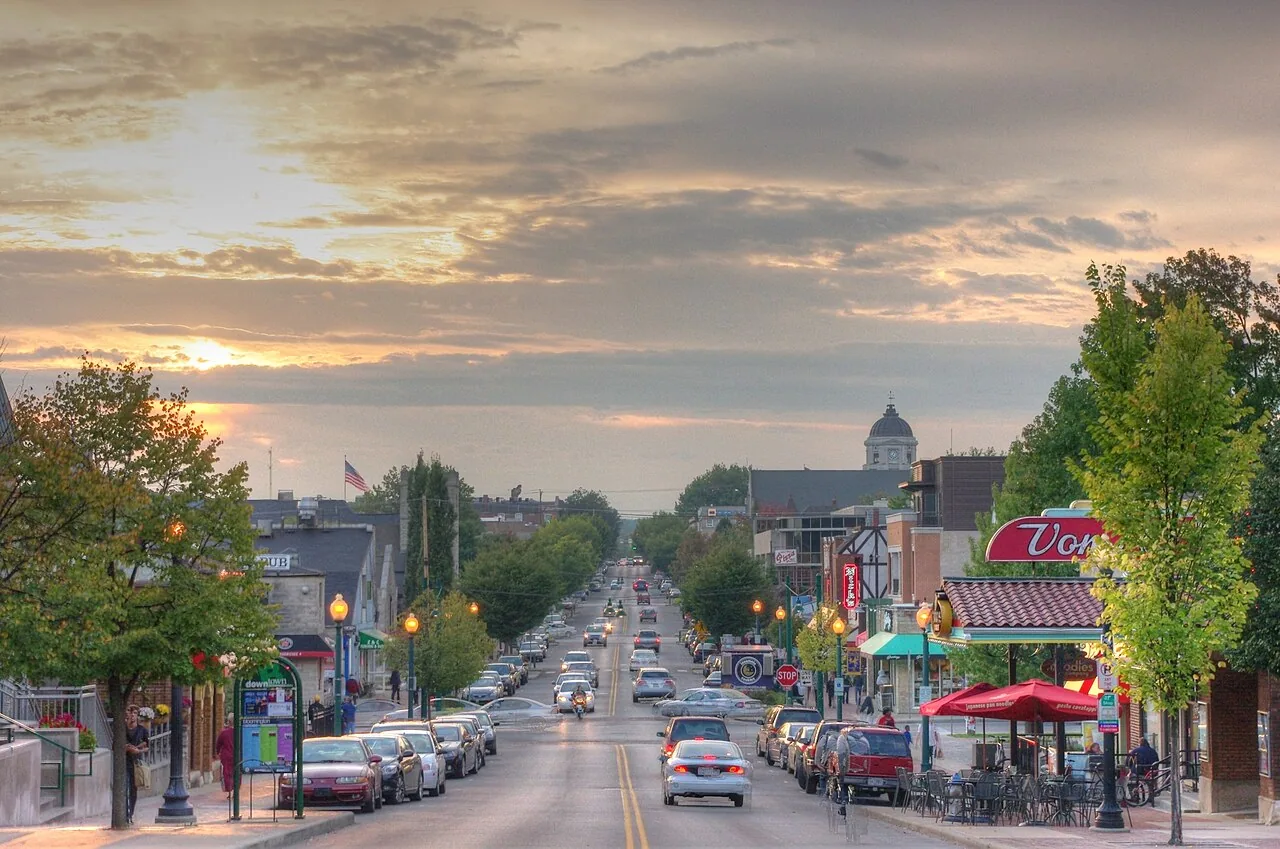
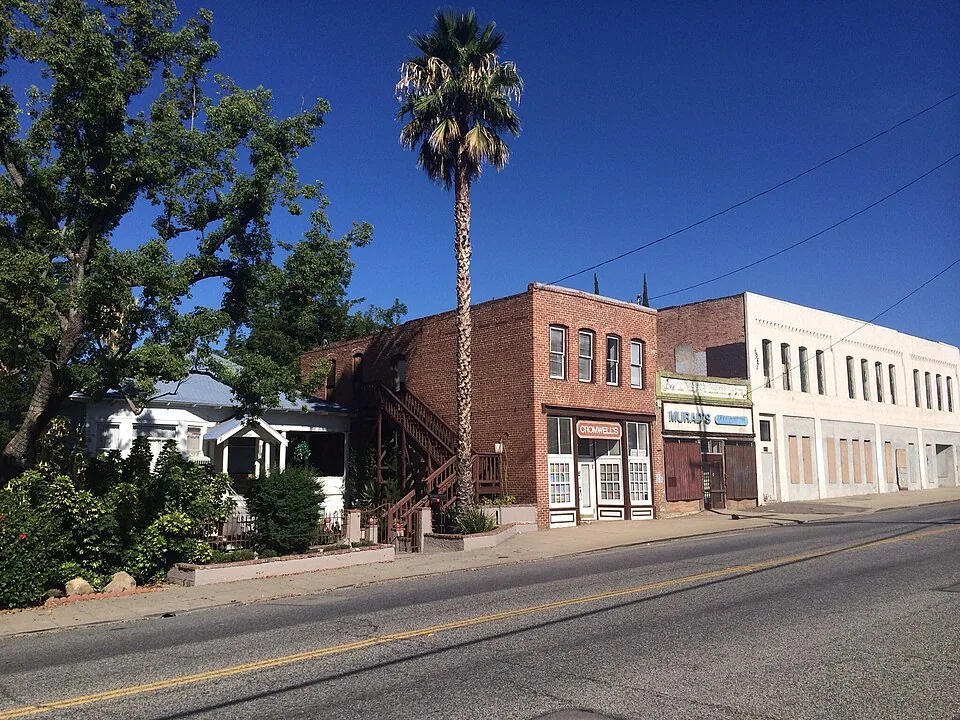
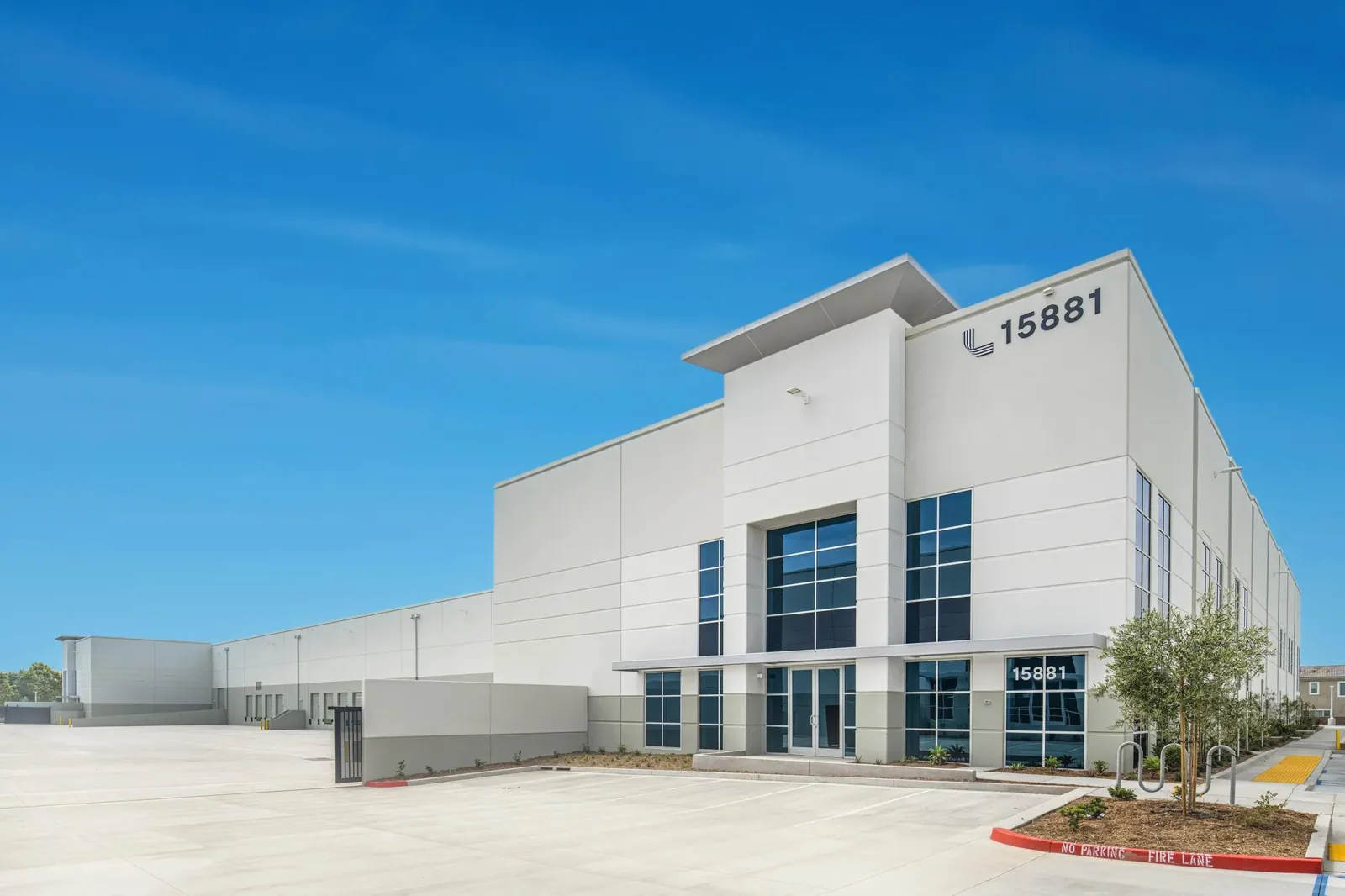
Upland's commercial roofs range from historic storefronts along Euclid Avenue to office buildings, medical suites and retail centers along Foothill Boulevard. Many have been patched or recovered over the decades, and some have parapets and details that are harder to flash than a simple flat roof. When one leaks, owners and property managers need a clear explanation, a fair price for the right fix and an honest view of how long the roof will last.
Euclid Avenue and Foothill Boulevard are Upland's main commercial streets, with Foothill carrying historic Route 66. For every job, the property contact tells us how to get on the roof, which area needs attention and what is going on below. We include access and protection in the estimate, and we confirm permits and energy requirements with the City of Upland before ordering materials.
Walls, parapets and older details
On older Upland buildings, many leaks start at the walls. Parapet caps loosen, wall flashing pulls away and the mortar or stucco behind the flashing can crack and let water in. We check those carefully, along with seams, HVAC curbs, skylights, drains, scuppers and edge metal.
We photograph each finding from a distance and up close, so you can see where it is and what is wrong.
A commercial roof inspection may include small core samples to check for wet insulation and count roof layers. Older roofs often have more than one layer, and that affects whether a recover is allowed. Infrared scans can help locate suspect areas, but we confirm with cores before recommending removal. We also study past patches. A wall that has been sealed again and again usually has a problem behind the flashing that has never been fixed.
Comparing complete options
A commercial roof repair is usually the best value when the problem is limited to a wall, curb or seam. At a parapet, that may mean new flashing, a new cap and sealing the wall above. We use materials compatible with the existing roof and carry the repair onto sound roof.
When the roof is worn across larger areas, we compare repair, coating, recover and replacement, each priced with the flashing, edge and drain work it needs.
Older buildings bring extra costs. A recover raises the roof, so wall flashings, thresholds and curbs may need to be raised. Rotted wood decking must be replaced. Decorative parapets and tight downtown access add labor. We explain each cost in the estimate so a cheaper bid that skips them is easy to spot. If a repair is only meant to bridge the gap to replacement, we say so, and we give you a rough idea of how long it should hold so you can plan the budget.
Occupied office buildings
An occupied office building needs work planned around its tenants. Before work starts, we ask the property manager which suites are under each section, when they are busiest and whether any tenants, like medical or dental offices, have special needs.
Loud work is scheduled for approved hours. Roofing can create odors, so air intakes near the work area may need to be shut down or filtered briefly, which we coordinate with the HVAC contractor. We choose a staging area that keeps parking and entrances open.
When HVAC units are replaced, the mechanical contractor sets the curb and support, and we flash the new curb after installation. Any opening left by removed equipment is rebuilt with deck and insulation before we seal it. The crew opens only what it can make watertight before quitting time.
Medical and professional offices along Foothill often have equipment or records that cannot get wet. We ask about those spaces specifically and plan extra protection below the work area where it is needed.

What helps us price the job
A few things from the owner help us give a faster, more accurate estimate. Old roof plans or drawings show the layout and drainage. Warranty paperwork matters, since some warranties require specific materials or approved contractors. A list of past leaks and repairs shows where problems keep returning.
We also want to know about any upcoming changes, such as new tenants, HVAC replacements or a planned sale. Each can change what the roof should get. A roof that needs to last three years needs a different plan than one that needs to last twenty.
Drains and scuppers are cleaned during each visit. If water still ponds afterward, the cause may be slope, a sagging deck or a drain set too high. Fixing that may involve a plumber or engineer, and we price it separately from routine cleaning so you can plan for both.
Why leaks should not wait
Water inside a building often travels along beams, pipes or deck flutes before it drips, so the stain may be some distance from the hole. Condensation from cold ducts can also look like a leak. When tenants report water, ask them to note the location, time and weather, and whether anyone recently worked on the roof.
A leak left alone soaks insulation, stains ceilings and can rot wood decks, which are common on older Upland buildings.
Upland has hot, dry summers and most of its rain in the cooler months. Late summer and early fall are the best times for planned repairs. Santa Ana winds can be strong near the foothills and can loosen edge metal and parapet caps, so those areas deserve a check after a windy stretch. A once-a-year look catches most trouble while it is still small.

Records and nearby cities
We also serve nearby Montclair and Claremont. We look at each building in person before giving a price. In an emergency, we stop the water first and then return with a permanent fix.
On older buildings, opening the roof sometimes reveals rotted wood or wet insulation. When that happens, we stop, take photos and explain what it will add. You approve it before we continue.
When the work is complete, you receive roof condition reports with before-and-after photos, repair locations and the materials used. Items to watch, like a parapet cap that will need attention or a curb to rebuild with the next HVAC change, are listed with a suggested next step. Owners use that record for budgets, tenant questions and the next inspection. It is also helpful when a buyer or lender asks about the roof.
Commercial Roofing Questions
Why do older buildings leak at the walls?
Parapet caps loosen and wall flashing pulls away over time, and cracked stucco or mortar can let water in behind the flashing.
Can my older roof be recovered?
Only if the existing layers are dry and codes allow another layer. Core samples tell us what is there.
What should I send before an estimate?
Roof plans, warranty paperwork and a list of past leaks and repairs.
Will roofing disturb my office tenants?
Some noise and odor is unavoidable, but we schedule loud work at approved times and coordinate air intakes.
Get a clear answer on your Upland roof
Schedule a roof walk. We will explain what we found, what it costs and what can wait.