
Commercial Roof Replacement in Rancho Cucamonga, CA
A distribution building near Milliken Avenue may leave an owner deciding whether another repair belongs in this year's budget. The answer should start with located findings and feasible alternatives. A softer-feeling surface or faded membrane is a reason to examine conditions, not proof that replacement has already been decided.
Commercial roof replacement in Rancho Cucamonga, CA develops a removal and installation scope from the actual roof. We explain what supports the recommendation, what needs further evidence and how the work can be coordinated. The owner gets the cost assumptions alongside the findings. The budget should follow a defined construction decision rather than a fixed patch-count or weathering rule.
Make the condition clear
Review installation records, prior repairs and accessible roof details. Distinct sections may have different histories. A warehouse's construction date cannot identify the age of the current covering or establish concealed material condition.
A roof assessment should distinguish observations from interpreted cause. Open connections, surface damage and reported water need precise locations. None independently establishes whole-roof failure or a universal economic endpoint.
Where uncertainty affects the decision, define the next investigation. Samples can show local construction and condition. They cannot alone settle every retained-layer, support or roof-wide moisture question.
Compare supported repair with broader options. Another local correction may address one finding while leaving a consequential question open. Explain those limits before the owner decides what to spend now or carry into another budget cycle.
Understand what removal exposes
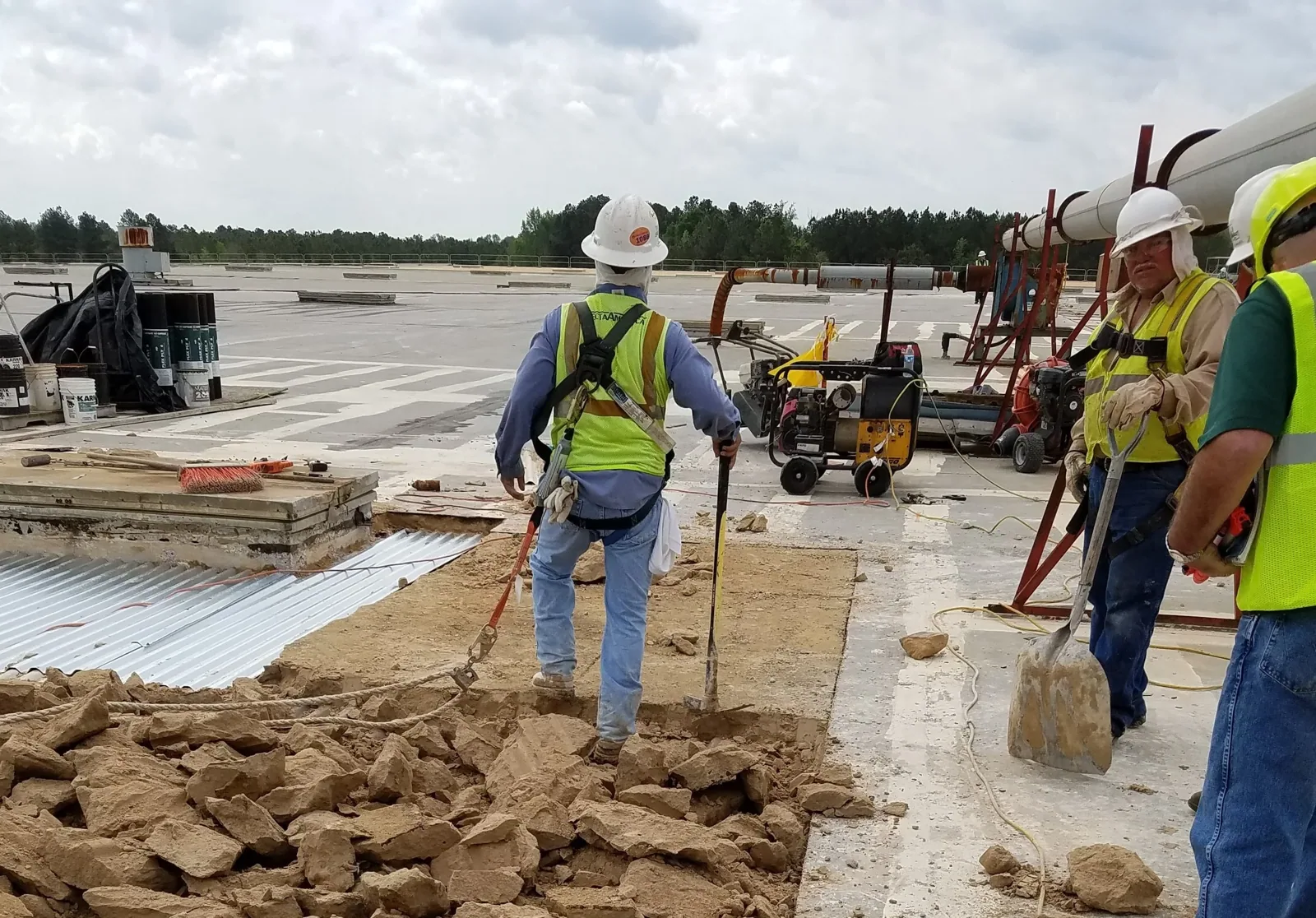
Define the planned removal depth and affected roof areas. The owner should see which components the scope takes out and which remain. Measured quantities need reliable roof dimensions rather than floor-space figures.
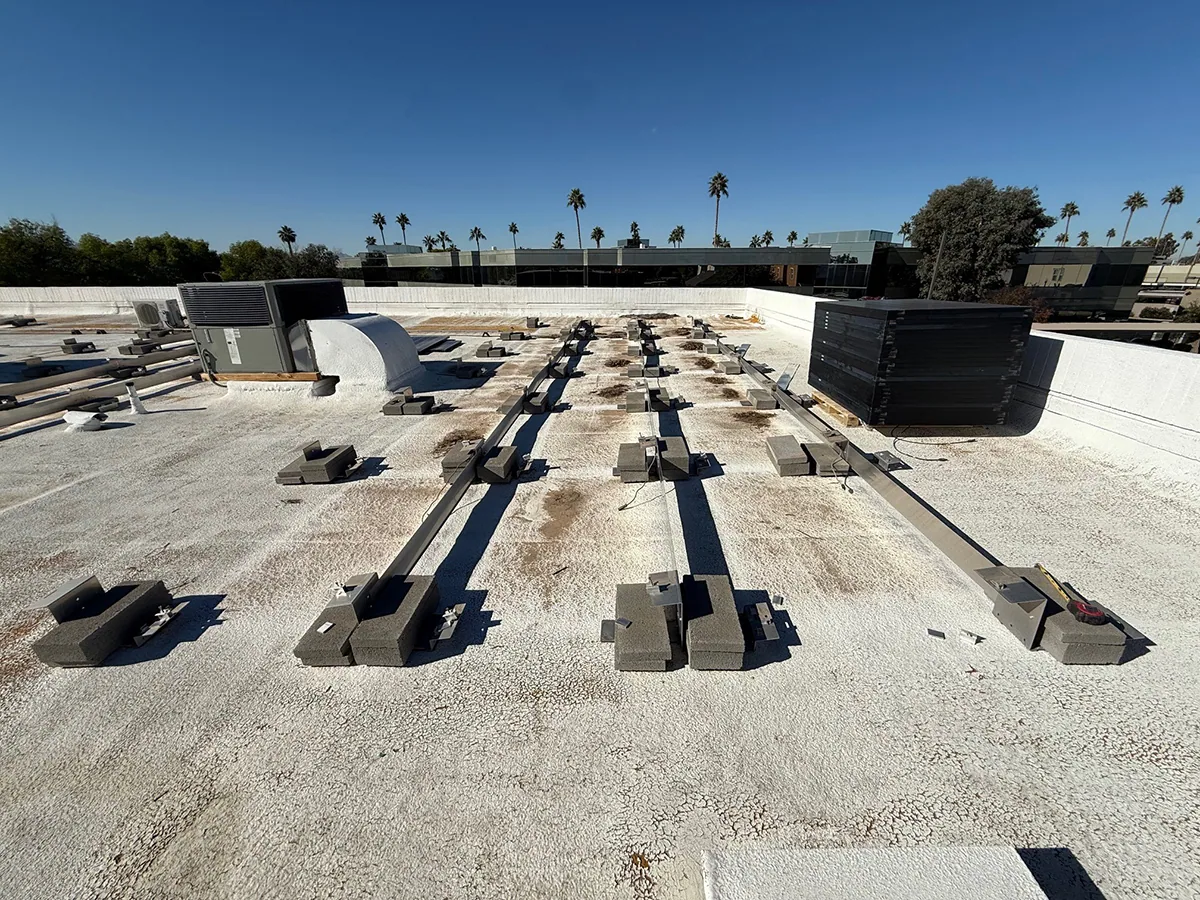
A suitable thermal screening plan can locate patterns worth examining. Interpret them alongside the assembly and conditions, then confirm selected findings with appropriate methods. Explain how that evidence informs removal quantities and where further checking remains necessary.
Newly exposed deck or support conditions may require responsible qualified review. Roofing observations can supply information without independently approving capacity. Describe the review and authorization needed if the scope changes.
Keep known work separate from allowances. Show the consequence of a finding with location and quantity before it enters the revised scope. Preliminary investigation improves the record without eliminating every concealed uncertainty or fixing the final cost regardless of exposure.
Choose the complete assembly
Specify the proposed covering, insulation, board and attachment. Products and details need a project-specific basis. A membrane name alone cannot describe preparation or every interface included in the price.
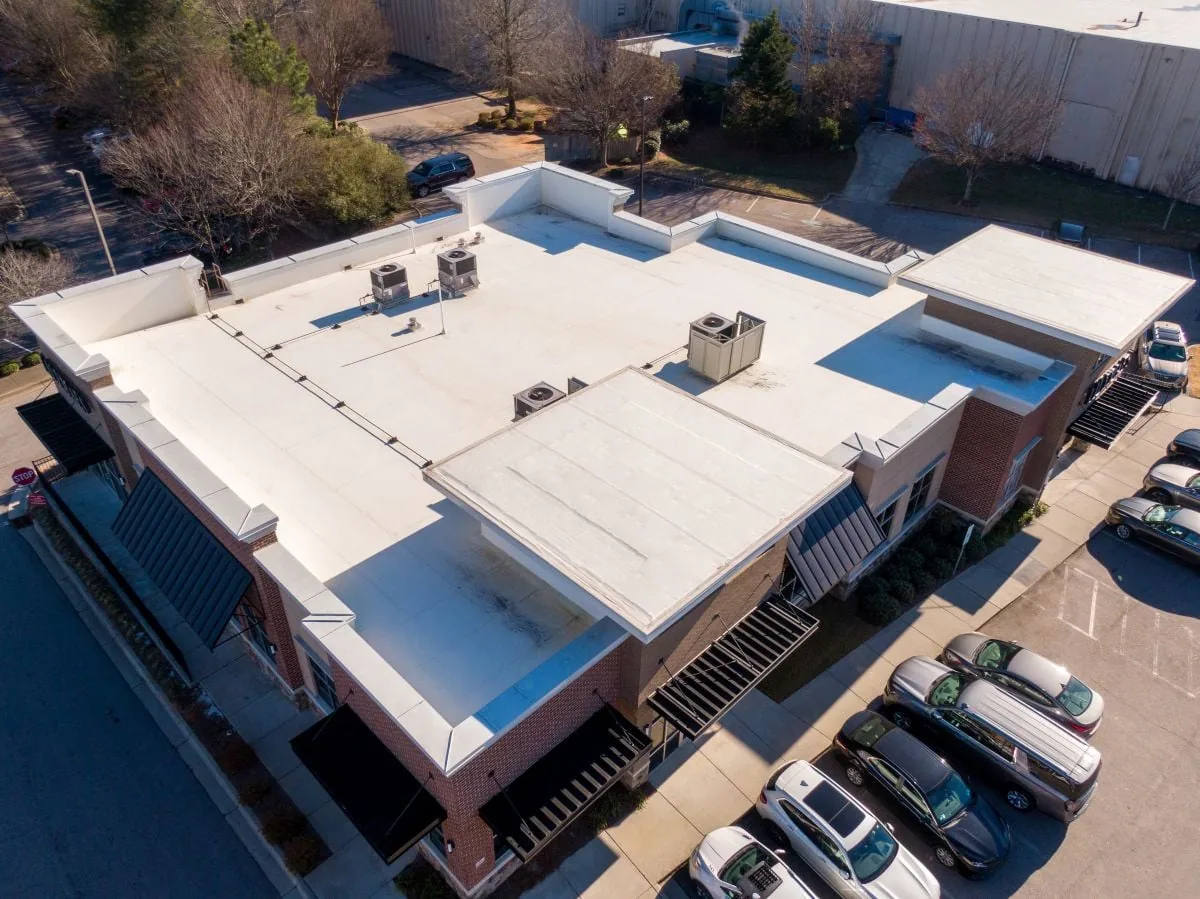
A TPO system needs its own supporting components and heat-welded detail requirements. A PVC option requires product-specific exposure review. Neither material should be chosen from a universal resistance or service-life claim.
For a recover alternative, assess retained layers, moisture, attachment and relevant project limits. Favorable local samples contribute evidence but cannot approve the entire construction independently. Keep remaining tasks visible.
Reconcile specification changes with the price and work plan. Another component can change preparation or details. Procurement should use the assembly accepted for the actual roof rather than a broadly similar product description.
Review the actual requirements
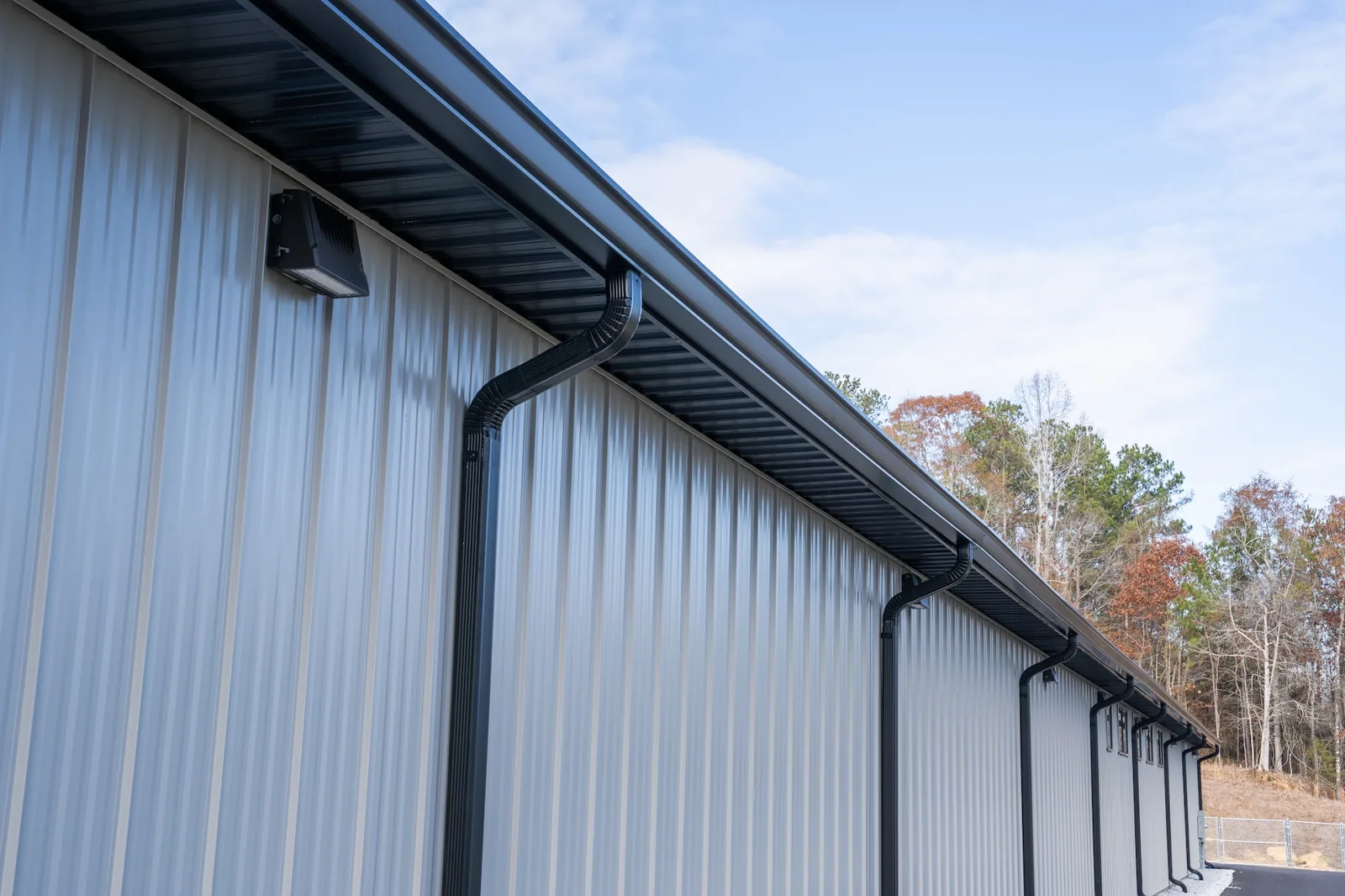
Rancho Cucamonga publishes applicable 2025 California codes for plans filed beginning January 1, 2026. Confirm the accepted basis, relevant local amendments and scope with the appropriate authority. An edition date alone cannot explain every requirement affecting replacement.
The Energy Code's roof provisions need review of building type, slope, work scope, compliance approaches and relevant exceptions. Avoid applying one fixed reflectance number or one universal white-membrane rule to every project.
Coordinate surface-performance review with the complete assembly. Product documentation supplies relevant information where required. It cannot replace support, attachment, fire or retained-condition assessment.
Keep accepted requirements and revisions in the project file. Where a property-specific hazard provision is relevant, establish applicability through the responsible review. Regional wind or foothill setting is context rather than an independent design approval.
Set the occupied sequence
Obtain receiving routes, equipment needs and tenant restrictions directly. A distribution operation's schedule should come from its operator. The building's industrial use cannot establish one universal loading or rooftop-access interval.
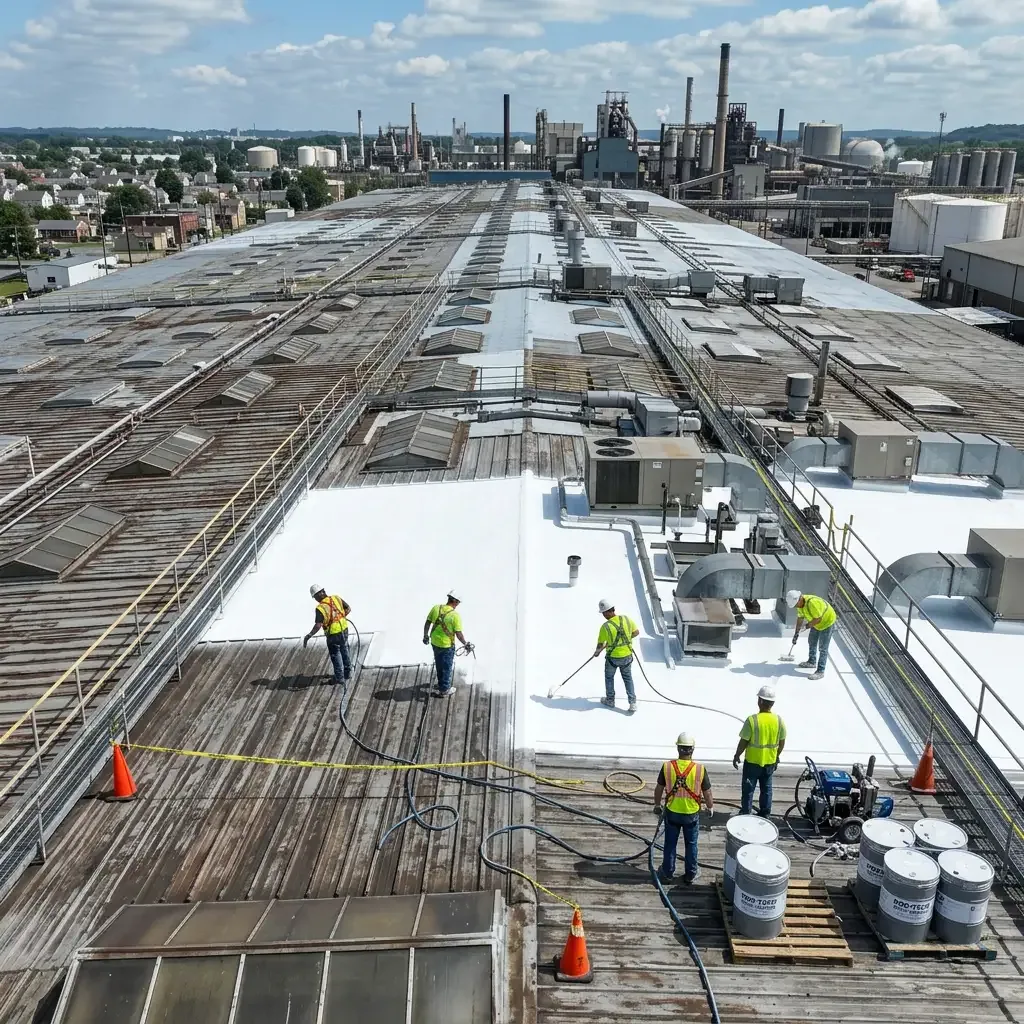
Occupied roof work needs feasible boundaries and suitable protection. Different interior bays may not align with appropriate assembly connections. The sequence should account for both the construction and the confirmed facility arrangements.
Equipment disconnection, alteration and commissioning belong with responsible personnel. Any ventilation isolation requires an authorized procedure and interval where applicable. Roof completion cannot independently establish acceptance of all connected systems.
Identify who reviews a revised work boundary if weather or findings change. Other trades need current status near incomplete areas. The plan should explain affected operations rather than assure uninterrupted tenant activity or every-day closure regardless of conditions.
Use the local setting well
The Rancho Cucamonga industrial district includes distribution and manufacturing activity around Milliken and Etiwanda Avenues. Use the site meeting to confirm receiving, staging and equipment restrictions. The district description cannot supply roof geometry or authorize material routes.
For a property near Downtown Rancho Cucamonga, tenant and delivery contacts should identify the actual constraints. The retail center provides a useful local reference. Its floor space or opening year does not establish another property's roof size, material or age.
Rancho Cucamonga has hot dry summers and most rainfall in the cooler season. Broad planning can use that pattern, while current surfaces and forecasts govern exposed work. Seasonal heat does not prove one blanket membrane drying or shrinkage mechanism.
Regional Santa Ana conditions can affect material handling and access decisions. Use the actual operation and suitable controls. Use the accepted design for attachment and current conditions for the feasible sequence. A warning or historical gust cannot supply either decision by itself.
Keep the owner’s record useful
Separate investigation, removal, supporting correction and new assembly work in the estimate. Detail quantities and allowances should be understandable. The owner can compare real options rather than assume replacement always costs less than future repair.
Retain relevant installation checks, photographs and authorized changes by location. Record exposed findings and their resolution. A final surface view cannot demonstrate every concealed component or completed equipment task.
Read issued warranty terms and maintenance requirements for the chosen system. Coverage and alteration provisions are document specific. Keep actual product information beside the installed construction record.
A dated roof report can connect the original findings with completed work and outstanding items. The next decision then has evidence behind it. Give the owner a clear remaining task where needed rather than a promise that the project leaves no questions.
Commercial Roofing Questions
Can the roof wait another budget cycle?
Review the documented condition and feasible correction. Local findings and unresolved questions can change the recommendation. Avoid using one sample or an assumed age as the complete answer.
Do energy rules require the same surface everywhere?
Assess actual scope, building type and applicable approaches or exceptions. Keep the accepted basis and product information. The requirements are broader than simply choosing a white finish.
Can the new assembly cover the existing roof?
Evaluate retained materials, attachment, moisture and relevant project limits. Samples contribute local evidence. A recover decision needs the complete supported review.
How are tenant effects handled?
Confirm restrictions with the operator and plan feasible construction phases. Identify equipment and access dependencies. The roof sequence should describe actual arrangements rather than assume uninterrupted operation.
What changes if weather interrupts work?
Use the agreed protection and revised-sequence process for the actual conditions. Identify the affected boundary and responsible contact. A planned daily quantity cannot assure automatic closure in every circumstance.
Walk the roof before setting the replacement budget
Share the roof history and building restrictions. We will arrange suitable examination and give you a plain written recommendation with supported options, cost assumptions and remaining tasks.