
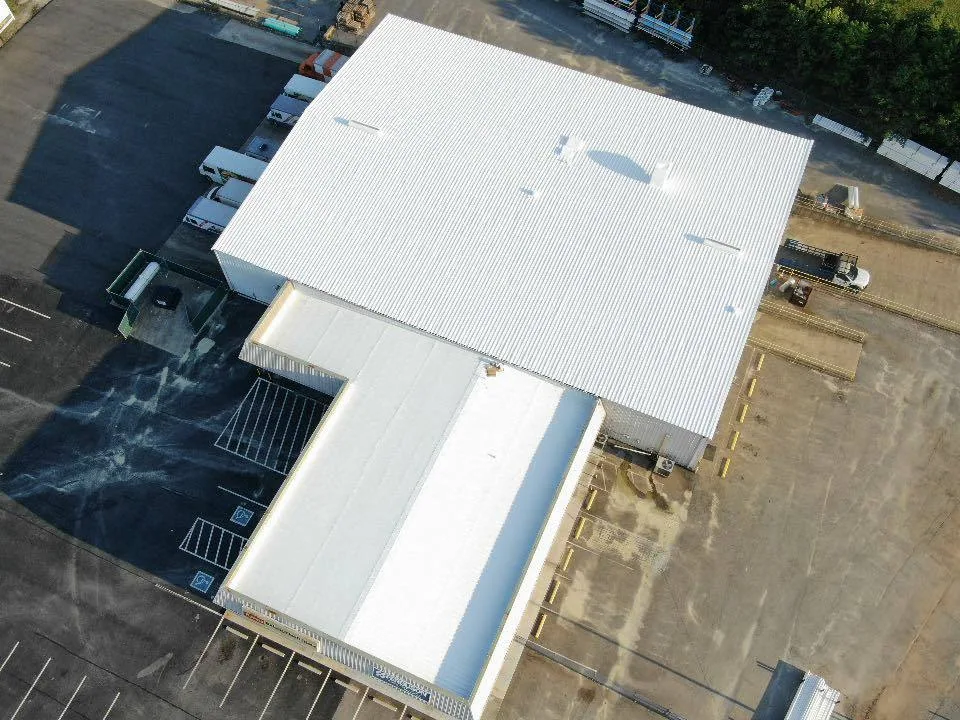
Cool Roof Installation in Rancho Cucamonga, CA
A light-colored roof is easy to recognize from a parking structure. Deciding whether it is the right next expenditure takes more information. The existing assembly, intended work and required performance determine the useful scope. An owner should know whether the proposal is a new membrane, a compatible coating or a larger rebuild that happens to include a reflective surface.
Our Rancho Cucamonga cool roof planning starts with those distinctions. We examine the roof condition and review the applicable project requirements before selecting materials. The written recommendation explains the assembly, preparation and intended function. It also identifies supporting repairs, so the budget covers a usable roof system rather than only a bright finish.
Define the actual roof work
Begin with the reason for the project. A roof that needs replacement presents a different choice from a suitable surface being considered for restoration. Current leaks, damaged supporting layers and drainage concerns need examination in either case. The scope should show which findings the proposed work addresses and which questions still require investigation.
Compare a replacement assembly with a coating restoration scope only where both are appropriate to the condition and objective. Their preparation, retained materials and future upkeep differ. An owner can make a clearer choice when the options explain those differences instead of treating every white surface as the same project.
Understand reflectivity in context
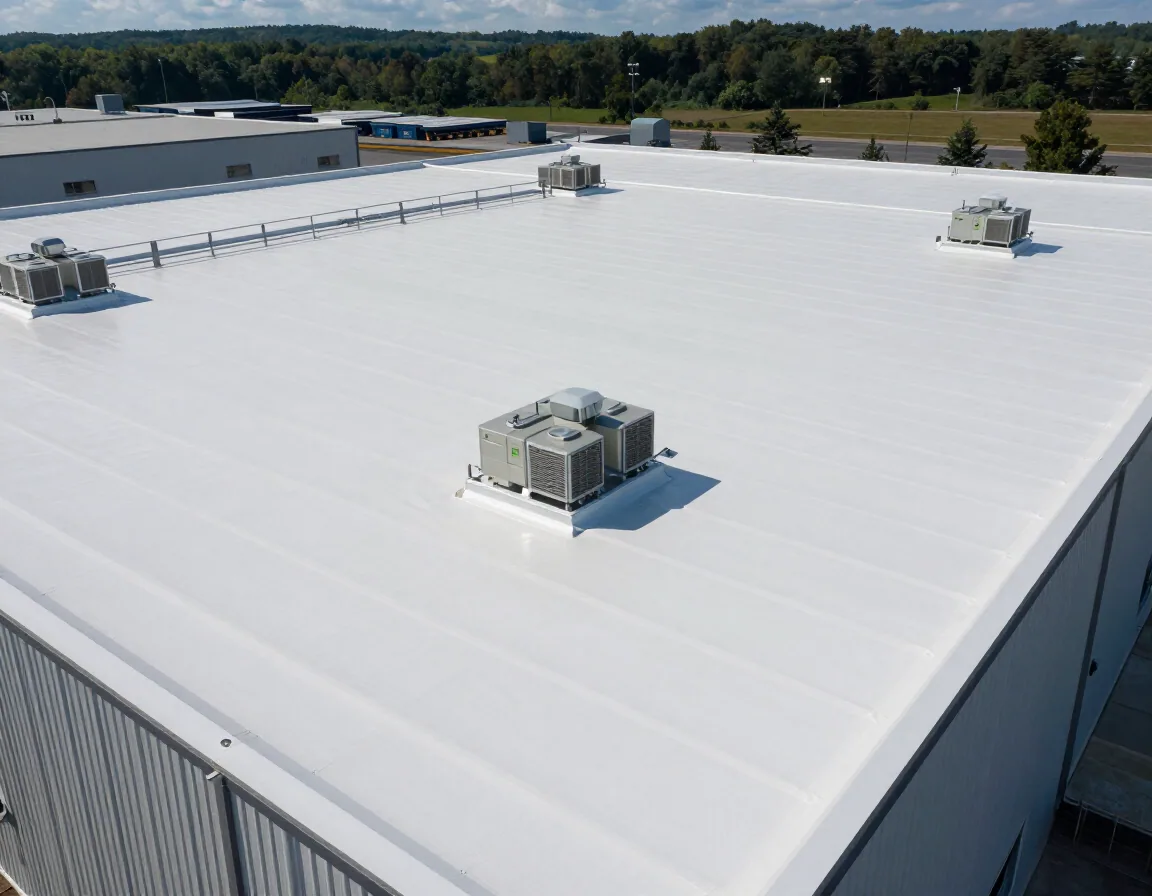
Reflective roofing products can reduce absorption of sunlight at the roof surface compared with less reflective materials under comparable conditions. That surface property does not establish a fixed reduction in the building's electricity bill or room temperature. Insulation, equipment, operation and the building's overall construction also influence those outcomes.
Rancho Cucamonga's hot summers make roof-surface behavior a practical topic, but the building's needs remain specific. Ask what the selected material is rated to do and how it fits the complete assembly. A useful proposal identifies the product and required supporting components. It should not attach a universal savings figure to a regional temperature average or a photograph of a reflective sheet.
Check the energy requirements
California roof energy provisions need review for the actual building and scope. Roof slope, work type and other applicability conditions can affect the requirements, along with available compliance approaches or exceptions. Rated reflectance and emittance may be relevant where applicable. Insulation requirements also need consideration; choosing a bright surface is not the whole review.
For Rancho Cucamonga plans filed from January 1, 2026, the city identifies its 2025 California code basis with local amendments. Confirm the address and accepted submission requirements before finalizing the work. The proposal should identify necessary documentation rather than borrow a single threshold from an unrelated building. If design or energy review is required, include that responsibility in the project plan. Keep the selected compliance basis with the material submittals so later changes can be reviewed against the same requirements. If a different finish or insulation arrangement is proposed during pricing, ask whether the documents also need revision. That step makes the owner’s comparison more useful: the product name, complete assembly and required performance remain connected, rather than allowing a substitution to change one element while everyone assumes the original project review still applies.

Choose the assembly deliberately
A reflective TPO membrane, a suitable PVC system or a compatible coating may be considered according to the project. Product and assembly requirements govern the installation. Chemical exposure, equipment service paths and supporting conditions need attention where they affect material selection.
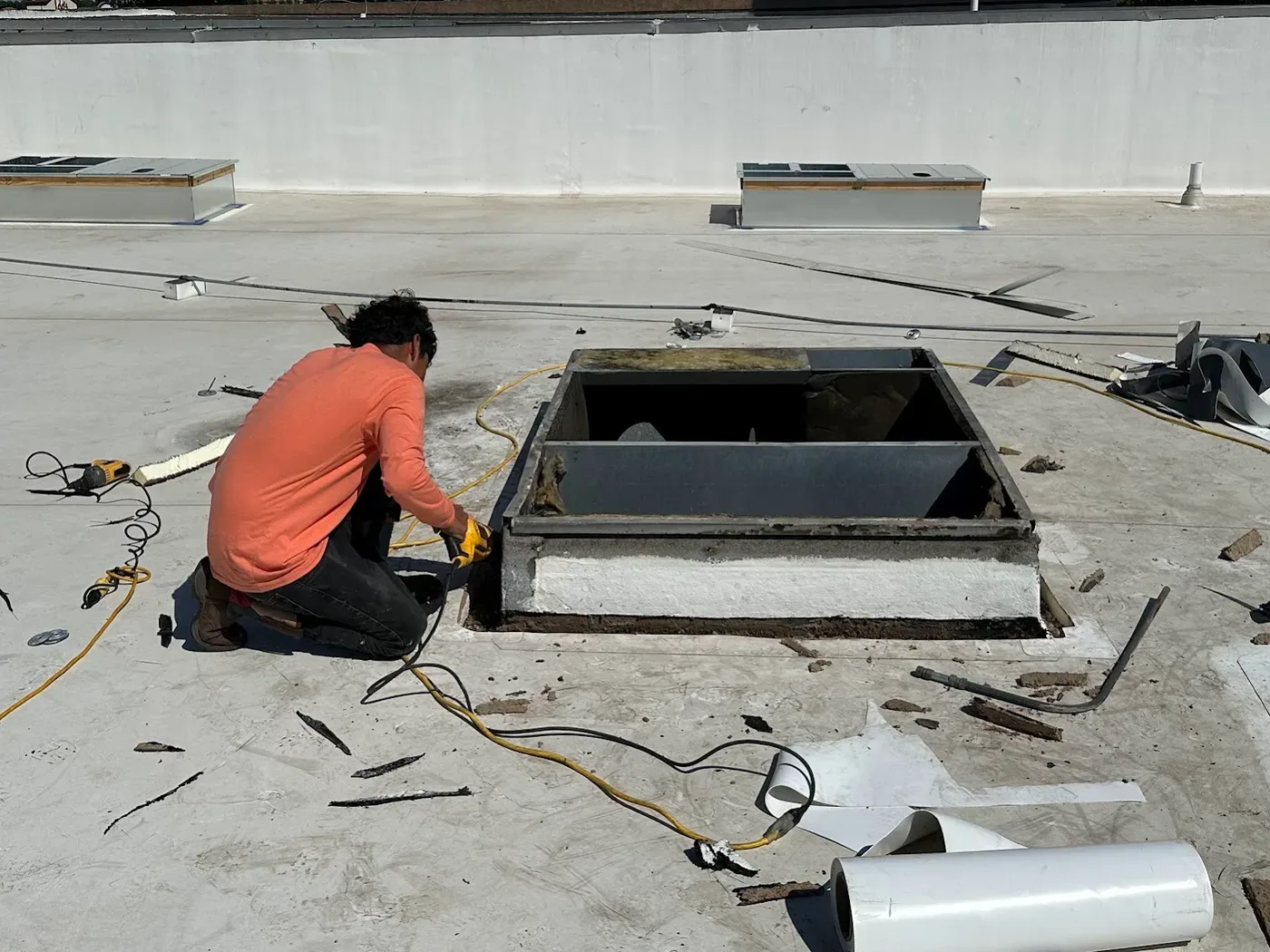
Existing roof suitability must be established before a recover or restoration is proposed. Authorized samples and other appropriate investigation may contribute evidence, with their limits explained. If insulation or supporting board needs work, our assembly rebuilding service can define it. The owner sees what is retained and what is renewed beneath the reflective finish.
Compare the proposed reflective finish with the existing substrate, drainage details and maintenance plan. A coating or membrane cannot correct trapped moisture, unstable surfacing or inadequate slope simply by changing the roof color. Confirm which areas need repair first, where termination details will change, and how the finished surface will be inspected. The selected assembly should match those conditions and the owner's service expectations. If the roof has several construction phases, document the limits of each so future maintenance does not treat unlike sections as one uniform system.
Fix details that the finish cannot fix
Drainage, curbs and roof edges must function after the work. A coating does not change slope, while added reroof layers can change outlet and flashing relationships. Measure those interfaces and identify necessary corrections. An active entry point needs source examination and a compatible repair method rather than an assumption that the new surface will close every route.
Near Downtown Rancho Cucamonga, confirm the actual tenant schedule and receiving routes before planning detail work. For a building in Eastvale, obtain the roof records and access information from the operator. Those site arrangements help develop a practical scope; the neighborhood's development history does not substitute for examination of this roof.
Install within suitable conditions
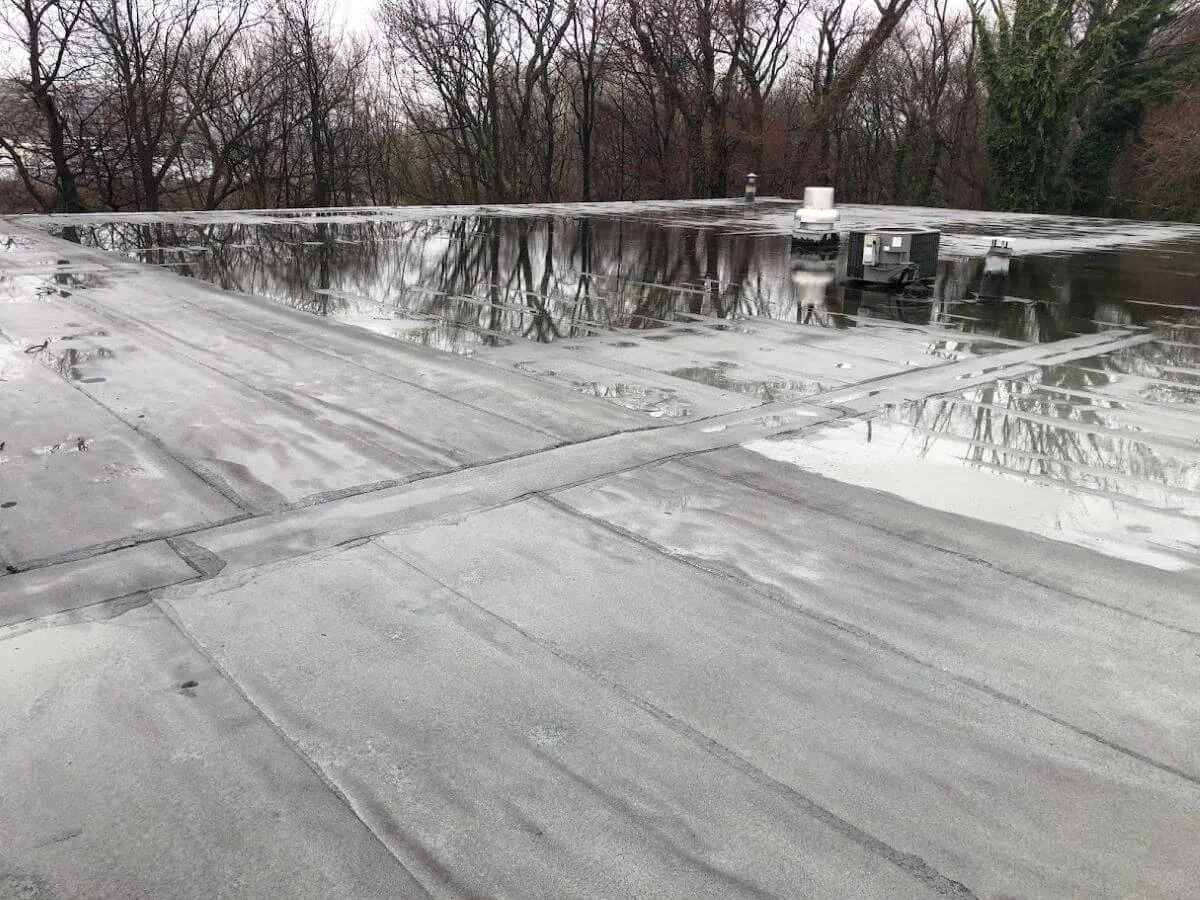
Surface temperature, moisture and weather affect application according to the chosen material's requirements. Membrane attachment, welding and coating cure have different controls. The sequence should identify those needs and the response if conditions change. Daylight or a dry forecast alone does not establish that every substrate is ready for work.
Coordinate equipment and access controls with the responsible building personnel where the sequence depends on them. Specify staging, occupied areas requiring protection and planned restrictions. A reflective roof project still involves material movement and work at details. The owner should understand those effects before comparing a short advertised schedule with the actual operating windows available at the building.
Keep performance and upkeep clear
Retain the installed material information, assembly records and relevant completion checks. Where product ratings or energy documentation apply, keep them with the project file. Actual manufacturer and workmanship documents define coverage, reporting and upkeep requirements. A generic service-life statement should not replace those terms.
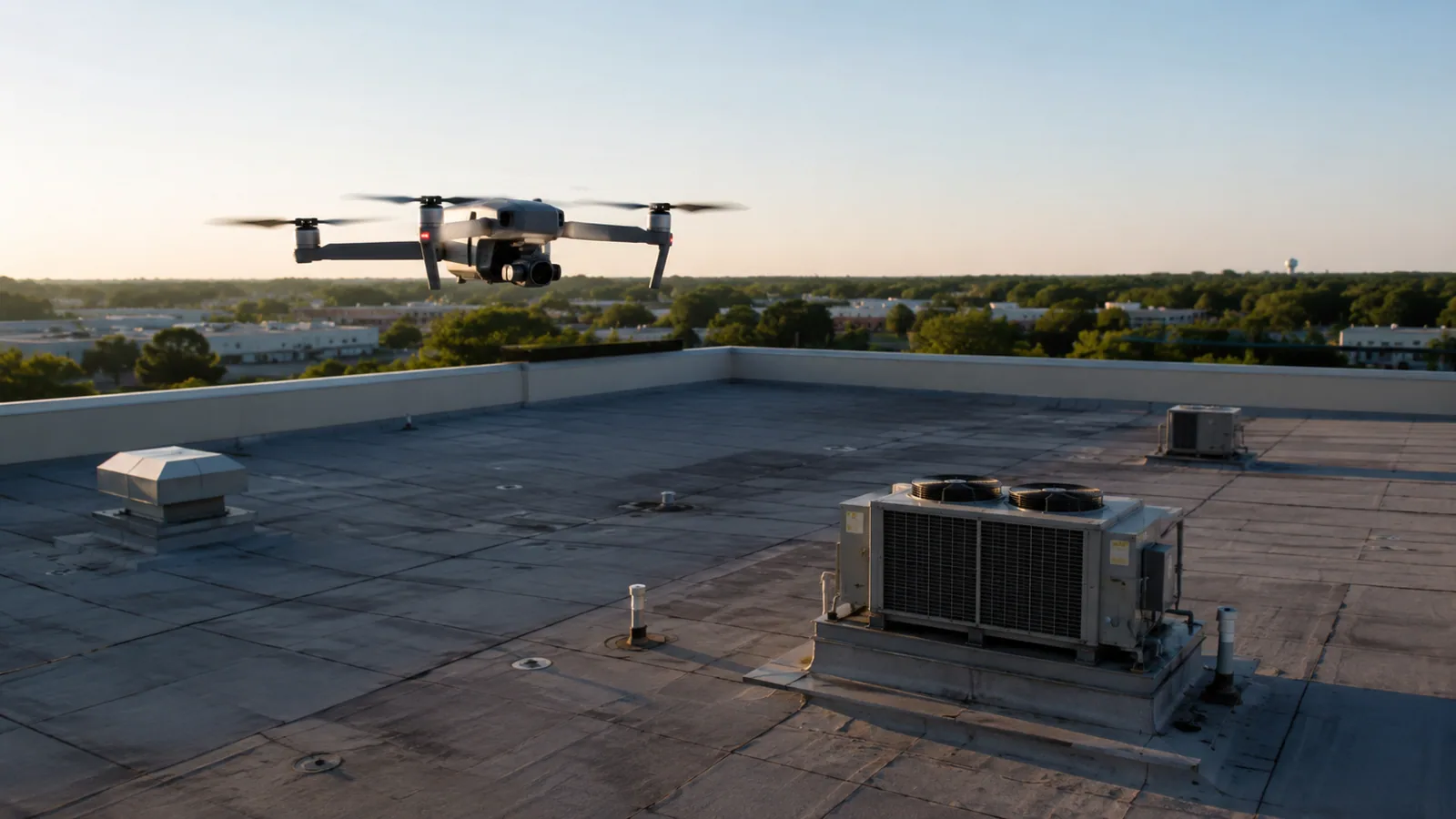
A maintenance plan can examine accessible drainage and details, record trade damage and track surface changes. Cleaning methods follow the selected material's instructions and safe access arrangements. When the owner later considers another roof project, this record helps explain what was installed and why. The next decision can use findings from the building instead of relying on the color seen from the street.
Commercial Roofing Questions
Does a cool roof mean a white coating?
The term concerns relevant surface performance, while the project may use a membrane or a suitable coating system. The complete assembly and applicable requirements govern the choice. Define the actual work before comparing materials.
Can you predict the energy savings?
Building performance involves insulation, equipment and operating conditions as well as the roof surface. A fixed saving cannot be inferred from color or local summer weather. Any project-specific performance assessment needs the appropriate information and method.
Do all reroofs have identical reflectivity rules?
Requirements are reviewed for the building and actual work, including applicable approaches or exceptions. The project documents should establish the necessary ratings and other provisions. Avoid treating a single number as a universal specification.
What if the existing roof is wet?
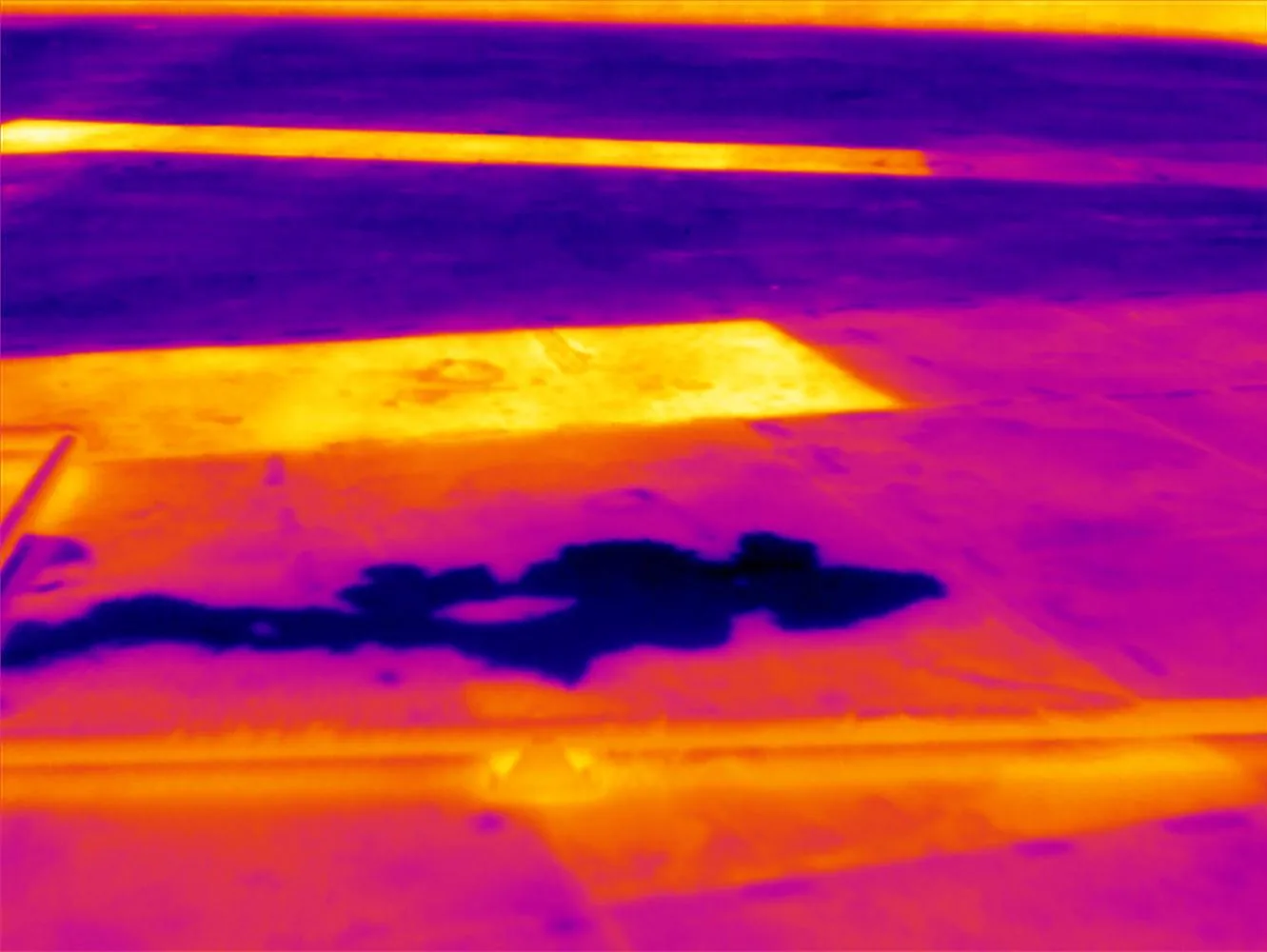
Investigate the concern with suitable methods and explain the extent supported by the evidence. Damaged layers need an appropriate treatment. A reflective finish does not make an unresolved supporting problem suitable for covering.
How should bids be compared?
Look at the complete assembly, preparation, detail repairs, documentation and operating plan. Identify retained materials and exclusions. Those items show what each price accomplishes and which further tasks the owner would still need to arrange.
Choose the roof behind the finish
Arrange a roof walk to discuss reflective materials and the complete work needed. We will explain the suitable scope, project requirements and spending choices supported by the findings.