Commercial Roofing in Eastvale, CA
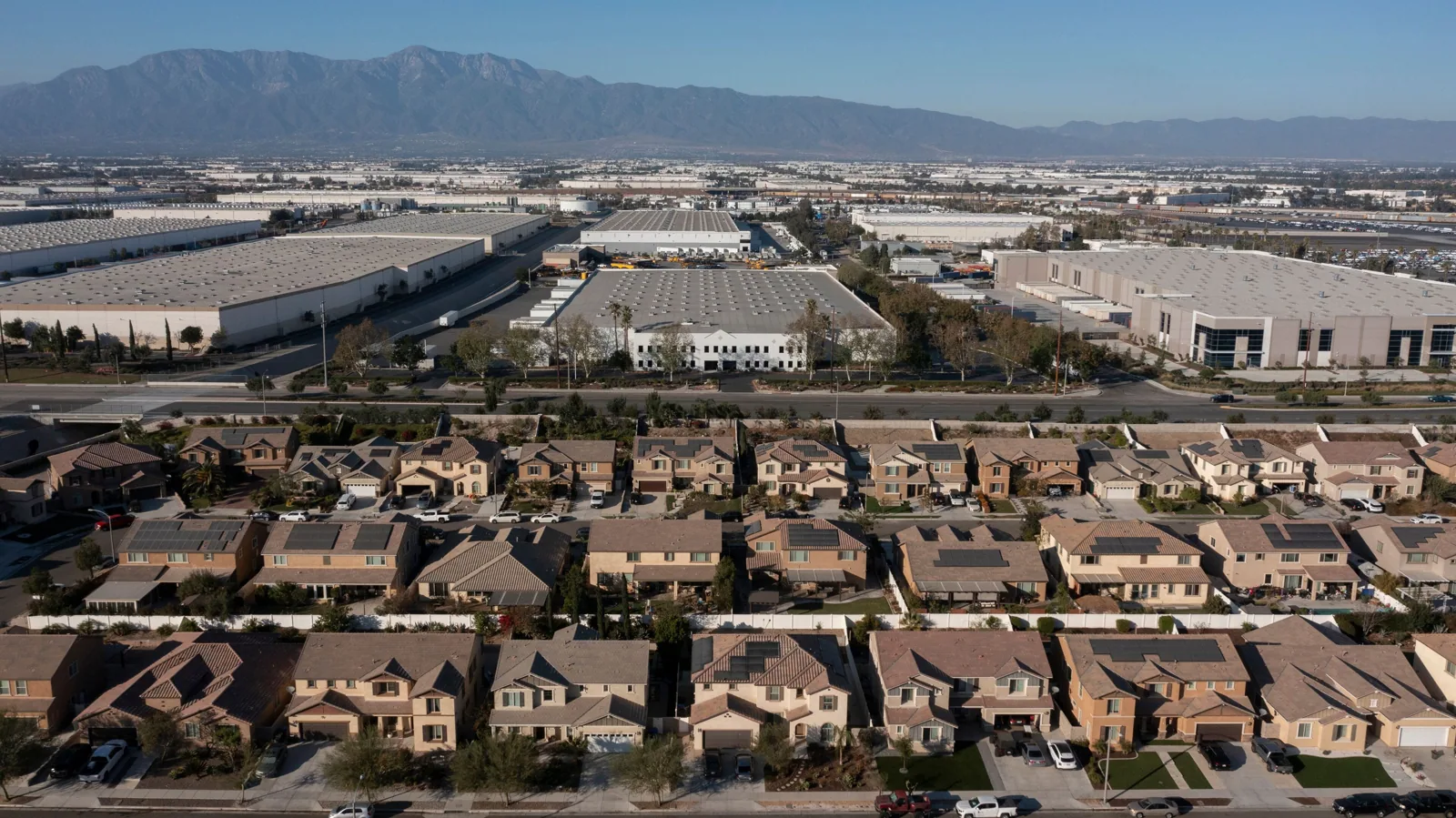
Eastvale's commercial roofs are mostly big ones. Distribution centers and warehouses here can cover many acres, and a single leak above a pick line can disrupt orders and damage product. Owners and facility managers want to know where the water is coming from, what a proper repair costs and whether the rest of the roof has years left. We answer each of those in writing, with photos.
Distribution is a major part of Eastvale's economy. The city sits in northwestern Riverside County, with SR-60 to the north and I-15 to the east, and much of its industrial space was built in the last couple of decades. Before we schedule a visit, we confirm the building, the roof area and who can approve work. Permits and energy requirements are checked with the City of Eastvale for the actual scope.
Planning roof work at a distribution center
A distribution center roof sits over constant activity: trucks backing to docks, forklifts in the aisles and product stacked high on racks. Before we go up, we meet with the facility manager to learn which areas are busiest, which docks can be closed temporarily and what product needs to be protected.
We plan staging so trucks keep moving and yard lanes stay clear. On a large site, that may mean placing the material hoist at a side wall and using a small crew to move materials across the roof instead of crowding the yard.
Each day's work is sized so it can be sealed before the crew leaves. If racks below the work area need tarps or need to be cleared, that is part of the plan and the price. Changes to the plan are discussed before they happen, not after. If an operator needs a section finished before a busy week, we can usually reorder the phases to make that work.

What we check on large roofs
On a large roof, a walk can take hours. We check field seams, parapet and wall flashings, skylights and smoke vents, HVAC curbs, drains and the roof edge. Skylights are a frequent leak source on warehouses, especially where the curb flashing has aged or the lens has been cracked.
Photos are taken in context and up close so your team can find each spot again.
A commercial roof inspection can include core samples to check for wet insulation. On roofs this size, infrared scanning on the right evening can show suspect areas much faster than cores alone, but we confirm suspect zones with cores before recommending any removal. We also look at earlier repairs. A seam that has been patched repeatedly may point to poor original welding or building movement that a new patch will not solve.
The goal is a clear map of where the roof is fine, where it needs attention now and where it should be watched.
Repair, restore or replace
A commercial roof repair makes sense when problems are limited to specific seams, curbs or skylights. On newer single-ply roofs, a properly welded or adhered patch can last as long as the surrounding membrane.
When the roof is older or has wider issues, we compare repair, coating, recover and replacement, each including the flashing, edge and drain work it requires. That lets you compare full projects instead of partial ones.
Large roofs magnify small cost differences. A coating may cost far less per square foot than replacement, but it only makes sense when the membrane is sound and dry. A recover adds insulation and height, which affects curbs, skylights and wall flashings. We explain those details in the estimate so you can see where the money goes and avoid bids that leave out key work.
We can also phase work across several budget years, starting with the worst sections.

Fitting work around the dock schedule
Every distribution center has a rhythm, and roof work has to fit it. Peak seasons are usually off limits for disruptive work. We ask about shifts, peak days and any areas that run 24 hours before proposing a schedule.
Tenants or operators sometimes need advance notice to move product or reroute forklifts. We give that notice in writing, with dates and areas.
When rooftop equipment is replaced, the mechanical contractor sets the curb and support, and we flash it after installation. When skylights or smoke vents are replaced, we coordinate with the supplier so the curb height fits the roof system. Drains are cleared during each visit. If water still ponds afterward, the cause may be slope or a drain set high, and fixing that may involve a plumber or engineer. We list that separately from routine cleaning so the owner can budget for it.
Why small leaks matter on big roofs
On a big roof, a small leak can go unnoticed for a long time. Water spreads under the membrane, soaking insulation over a much larger area than the original hole. By the time it shows inside, the repair may be much bigger. Asking staff to report drips, stains or wet product right away, with the location and time, makes a real difference.
Condensation from cooling equipment or dock doors can also look like a leak, and we check.
The area is hot and dry in summer, with most rain falling in the cooler months. Late summer and fall are the best times for planned repairs before storms arrive. Santa Ana winds can lift edge metal and loose flashing on large flat roofs, so those areas deserve a check after strong wind events. Regular maintenance visits are the cheapest way to keep a large roof in good shape.
Records that follow the building
We also serve Jurupa Valley and Mira Loma and Chino, and every building gets its own inspection and estimate. For emergencies, we stop the water first and follow up with a written plan for the permanent repair.
If we find hidden damage after opening the roof, we stop, take photos and explain the added cost before continuing. You approve it before we close anything up.
At the end of each job, you get roof condition reports with before-and-after photos, a roof map showing repair locations and the materials used. We also list items to watch or schedule, such as skylight curbs nearing the end of their life. That report is useful for budgeting, lease discussions and warranty questions, and it gives the next inspection a clear starting point.
Commercial Roofing Questions
Can you work without shutting down our docks?
Usually. We stage at the side of the building, keep yard lanes open and schedule around your peak hours and seasons.
Why do skylights leak so often?
Their curb flashings age and crack, and lenses can get damaged. We check each one during inspections.
Is coating a good option for a large roof?
It can be, if the membrane is sound and dry. Core samples tell us whether coating is a sensible choice.
How often should a distribution roof be inspected?
At least once a year and after major storms. Regular checks catch small problems before they spread under the membrane.
Get a clear plan for your Eastvale roof
Schedule a roof walk. We will show you what we found, what it costs and how the work fits your operation.