Roof Warranty Management in Rancho Cucamonga, CA
A damaged curb connection at a Rancho Cucamonga warehouse can start two separate reviews. The owner needs a practical correction, and an issued roof agreement may have a notice procedure relevant to the finding. We connect the available documents with the located condition so each task has a clear basis. The repair scope follows the physical evidence while the issuer addresses applicable terms.
Begin with the agreement actually issued for the Rancho Cucamonga, CA installation. Keep its dates, contact and roof references available. If the record or status is uncertain, request clarification from the issuer before treating coverage as established.
The Issued Record Establishes the Procedure
A material name on an old invoice can help identify the assembly. The agreement itself establishes its stated terms and relevant procedures. Collect available installation documents and match the roof areas with the record being reviewed. Add repairs and equipment changes with their dates. A building with separate systems may have different records to examine.
Building roof documentation keeps that information attached to usable locations. The owner can find the construction involved when another request arrives. Where material identity remains uncertain, suitable qualified examination helps establish the product relevant to permanent repair planning. Keep that finding distinct from questions about agreement issuance or status.
Read the applicable notice, maintenance and alteration provisions. Identify the contact and supporting information needed for a request. Retain the dated submission and response so management can follow the review without reconstructing it from separate messages.
Begin with the actual issued documents and identify the covered assembly, term, exclusions, inspection obligations and notice procedure stated there. Keep that review separate from any contractor recommendation; the service team should not interpret coverage beyond the written agreement. When a concern arises, record the date, location, photographs and steps already taken, then route the question to the party named in the document. This process preserves useful facts and helps the owner avoid changing the roof in a way that complicates a later review.
The Finding Establishes the Work Needed
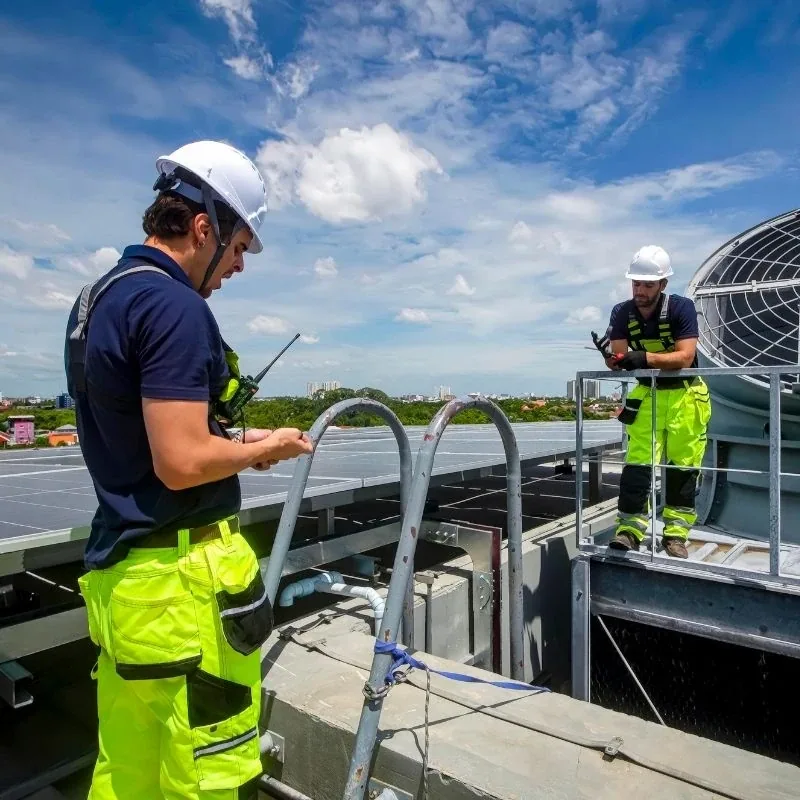
A located condition report identifies accessible damage and the construction relevant to its correction. Suitable surrounding material helps define a repair boundary. A strained connection may need review of its support or another trade's component. The recommendation includes those interfaces with the roofing task they affect.
Water-path assessment uses interior reports and physical evidence to investigate cause. Roof entry, equipment drainage and condensation can require different action. Timing helps direct examination but does not settle the explanation by itself. The scope states the correction supported now and the next task needed where evidence is incomplete.
The condition of layers beneath the surface can change removal quantities and whether retention is feasible. An authorized sampling record establishes the information examined at its identified positions. A thermal assessment carried out in useful conditions can guide where confirmation is needed. Interpret its temperature evidence against surface variations and effects from the equipment present. Keep confirmed points separate from suspected wider extent. The physical work follows evidence sufficient for the construction being considered.
The Request Has a Documented Next Step
Prepare the located finding and available images for the applicable request procedure. Identify the installation record and the task being considered. Save the response with the original submission. An outstanding question retains its responsible contact and the information needed to resolve it, making the next step useful to the owner.
Urgent reports need assessment of safe access, conditions and available crews before immediate measures are selected. Document practical temporary protection and its limitations. Follow relevant notice procedures while retaining the permanent correction or further investigation as an assigned task. A request under review and a completed physical repair have separate status.
Keep the proposed work and any unresolved payment question visible. Management may need to authorize an investigation or correction while the administrative review continues. Record the scope of that approval. Later responses can then be matched with the actual task and documents provided.
Agree who provides additional information and who receives the decision when it arrives. A requested opening may need property permission and a practical closure method, while an equipment question may require another trade. Carry those tasks in the review record with their purpose and the responsible contact for each action. The owner can then arrange useful follow-up and understand which information remains necessary before the scope or administrative position can be resolved.
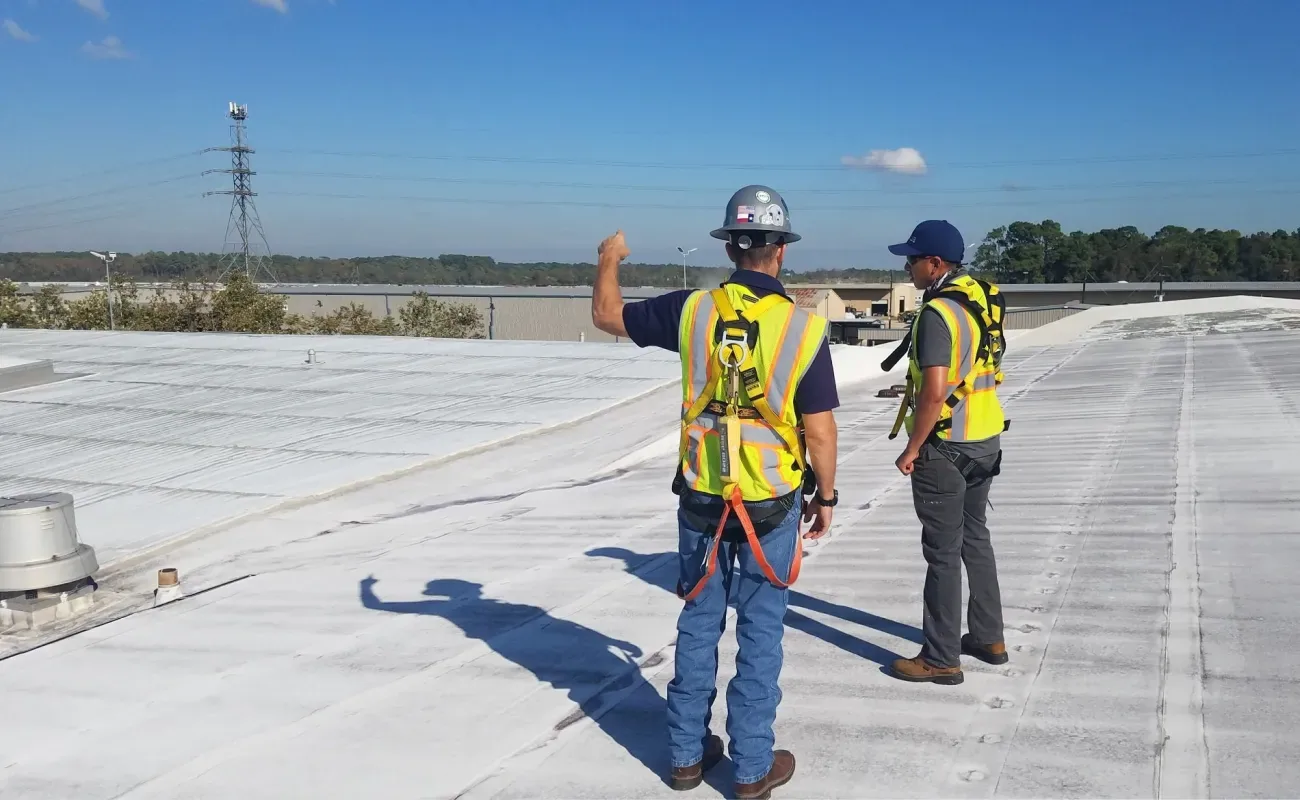
Equipment Work Needs a Reviewed Roof Detail
New supports, cables and curbs can change the completed roof. Obtain the intended position and construction before procurement fixes the alteration. Examine receiving material and support relevant to the new connection. The project team establishes applicable design, product and authority requirements, with issued agreement procedures reviewed where relevant.
Equipment interface coordination identifies the roofing and related trade responsibilities. Changed curb or insulation height can affect flashing and surrounding details. Working space matters to preparation and examination. Price the complete connection with supporting tasks rather than treating equipment delivery as completed roof construction.
GAF installation documents and Carlisle system information remain attached to their respective products. Use applicable procedures for the actual assembly being altered. Retain reviewed details and completed images so another service team can examine a later change against the installed construction.
The Property Supplies Its Access and Protection Needs
Manufacturing and distribution around Milliken Avenue and Etiwanda give Rancho Cucamonga a substantial industrial operating setting. At the building, confirm loading movements and approved receiving arrangements with its operator. Staging and handling follow that actual route. Roof quantities are measured for the work area rather than taken from a published floor-area figure.
A retail phase at Downtown Rancho Cucamonga has different occupied uses and public routes. The operator identifies affected spaces and practical protection. Facility staff and qualified trades agree relevant equipment precautions for the method. Those provisions enter the correction scope with the material and detail work.
Recorded maintenance retains service performed and remaining findings. Outlet cleaning stays distinct from an unresolved geometry or discharge concern. Appropriate further examination is assigned where needed. Hot, dry summers and cooler-season rainfall inform planning, while actual access, forecast and product instructions establish a practical visit.
The Finished Detail Stays With Its History
Completion photographs locate corrected construction and identify material used. Add approved changes and outstanding trade tasks. Keep the issuer's response with the request and relevant installation. Capital scope review can use current findings and complete alternatives when a larger roof decision follows. The owner retains both the physical work history and the administrative record relevant to that review.
Commercial Roofing Questions
What determines the warranty procedure for a new finding?
The issued agreement and applicable issuer guidance establish the reporting process. Identify the installation and roof location involved. Retain the dated request and response with the physical finding so management can track the next step.
Does an issuer request establish a completed repair scope?
The scope depends on the supported condition and suitable construction requirements. A submitted request has its own review status. Keep physical correction, outstanding investigation and the relevant administrative decision separately identified.
When should a planned equipment opening receive advance review?
Review it before procurement or installation fixes the detail. Establish support, receiving membrane and trade responsibilities, with relevant product and agreement procedures followed. The completed record identifies the actual altered connection.
What belongs in the file after a temporary measure?
Identify the location, action and limitation. Keep permanent correction or further examination assigned. Retain applicable notices and responses with the installation record, allowing a later manager to distinguish work performed from decisions still pending.
Review the Issued Agreement With the Roof Finding
Arrange a record and condition review with clear physical correction tasks, applicable notices and the next information needed for the owner decision.