
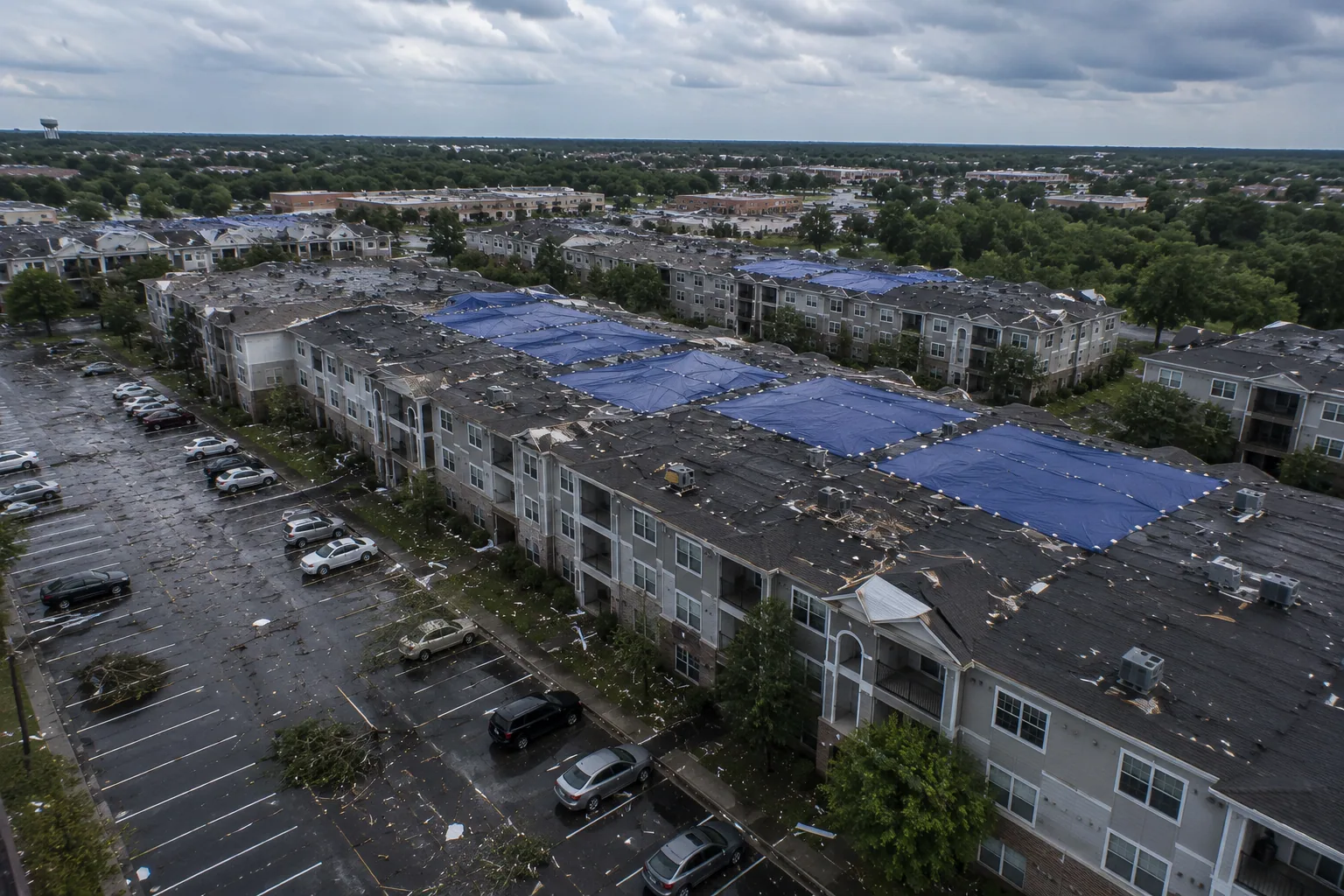
Storm Roof Repair in Rancho Cucamonga, CA
Visible changes on a warehouse roof after rough weather need precise locations before they become a repair list. A lifted edge, damaged flashing or displaced equipment panel deserves a location, a photograph and an access assessment. The owner then needs to know whether immediate protection is possible and what examination would support a lasting correction.
Storm roof repair in Rancho Cucamonga follows that evidence. We compare accessible conditions with available prior records, document the working area and explain what the proposed repair addresses. The event helps establish a timeline. The roof findings establish the scope, with uncertain causes and concealed conditions kept visible in the written recommendation.
Begin with the occupied building
Identify affected rooms and any concern involving people, ceilings or equipment before focusing on the exterior. Interior observations from safe locations can help connect the problem to a roof area. The operator determines which activities need restriction, with qualified professionals handling electrical or structural concerns. Do not assign roof access to staff without suitable arrangements.
If there is an active opening, discuss temporary roof protection and its limitations. Access, weather and the damaged materials determine what can be attempted. Record the authorized scope and any conditions that prevent examination. That first account remains useful when permanent work is priced, because it explains what was known at the initial visit.
Examine the changed components
Accessible edges, coping, flashings and equipment interfaces can offer useful evidence after wind. We look at displaced parts and the surrounding attachment, not just the most dramatic photograph. Existing repairs and earlier images may help distinguish a newly observed change from a longstanding concern. Where the record is incomplete, say what additional checking is needed.
Santa Ana weather is a regional planning consideration. Its presence does not establish a particular failure mechanism at every building. At a property in Fontana, compare the actual roof conditions with its construction information before defining wind-related corrections. Project-specific geometry and attachment requirements guide the repair design. Photographs should show the supporting connection where it can be examined, along with the displaced component. If access prevents checking that connection, identify the missing evidence. This keeps an estimate from quietly assuming that a new piece of metal will resolve a problem in the substrate or an attachment below it. The additional assessment can then be authorized with a clear purpose and location.
Trace water separately
A leak noticed during rain may involve seams, penetrations, outlets or another building interface. The interior stain can be removed from the entry location because water follows concealed components. We connect interior observations with accessible details and select further investigation where the source is uncertain. Testing must be suitable for the assembly and authorized conditions.
Our leak investigation work focuses on that question. A storm inspection may identify a visible damaged component without proving it caused every interior drip. Keeping those findings distinct allows the owner to authorize useful correction and avoid treating an unconfirmed source as settled merely because another roof part needs repair.
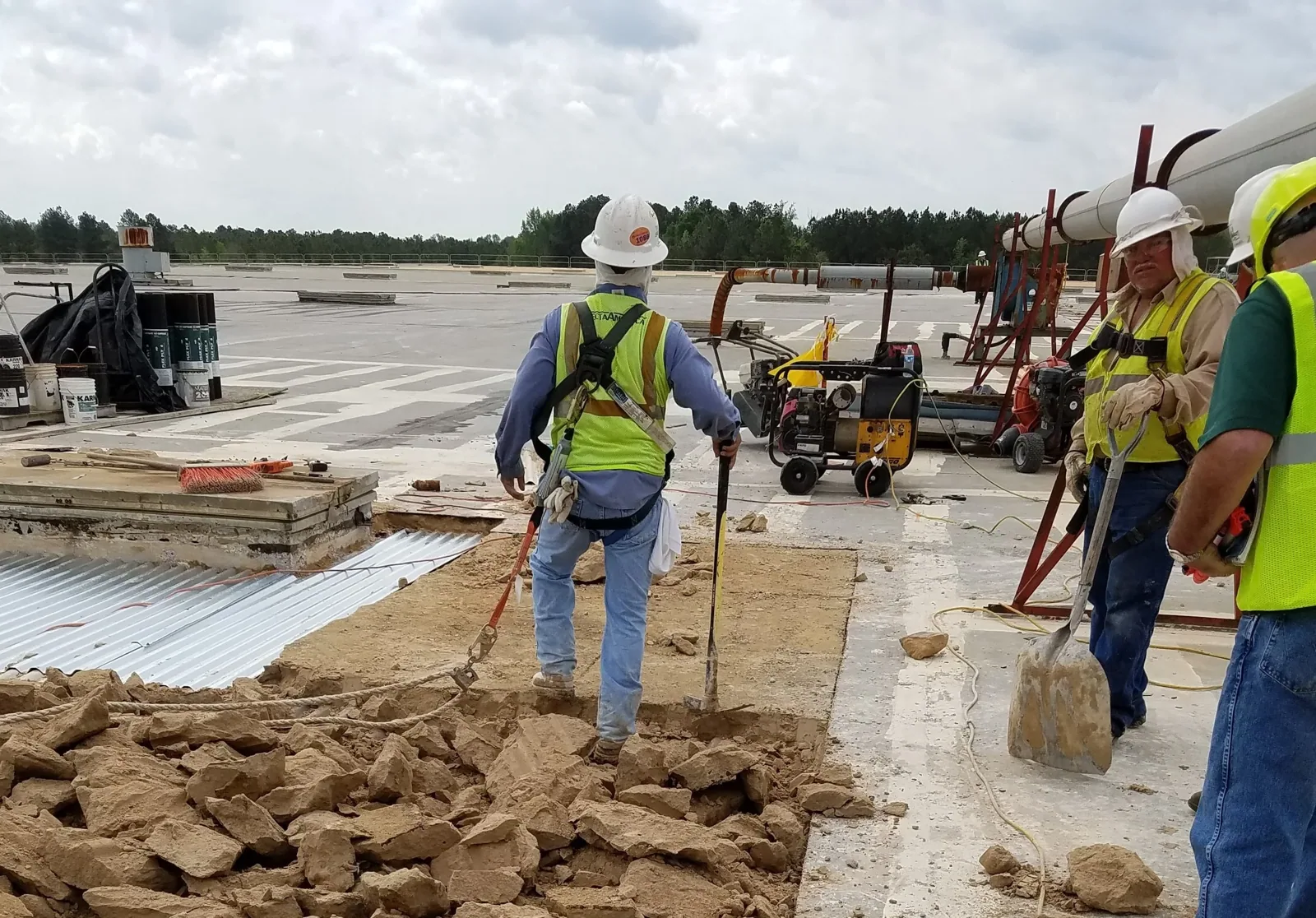
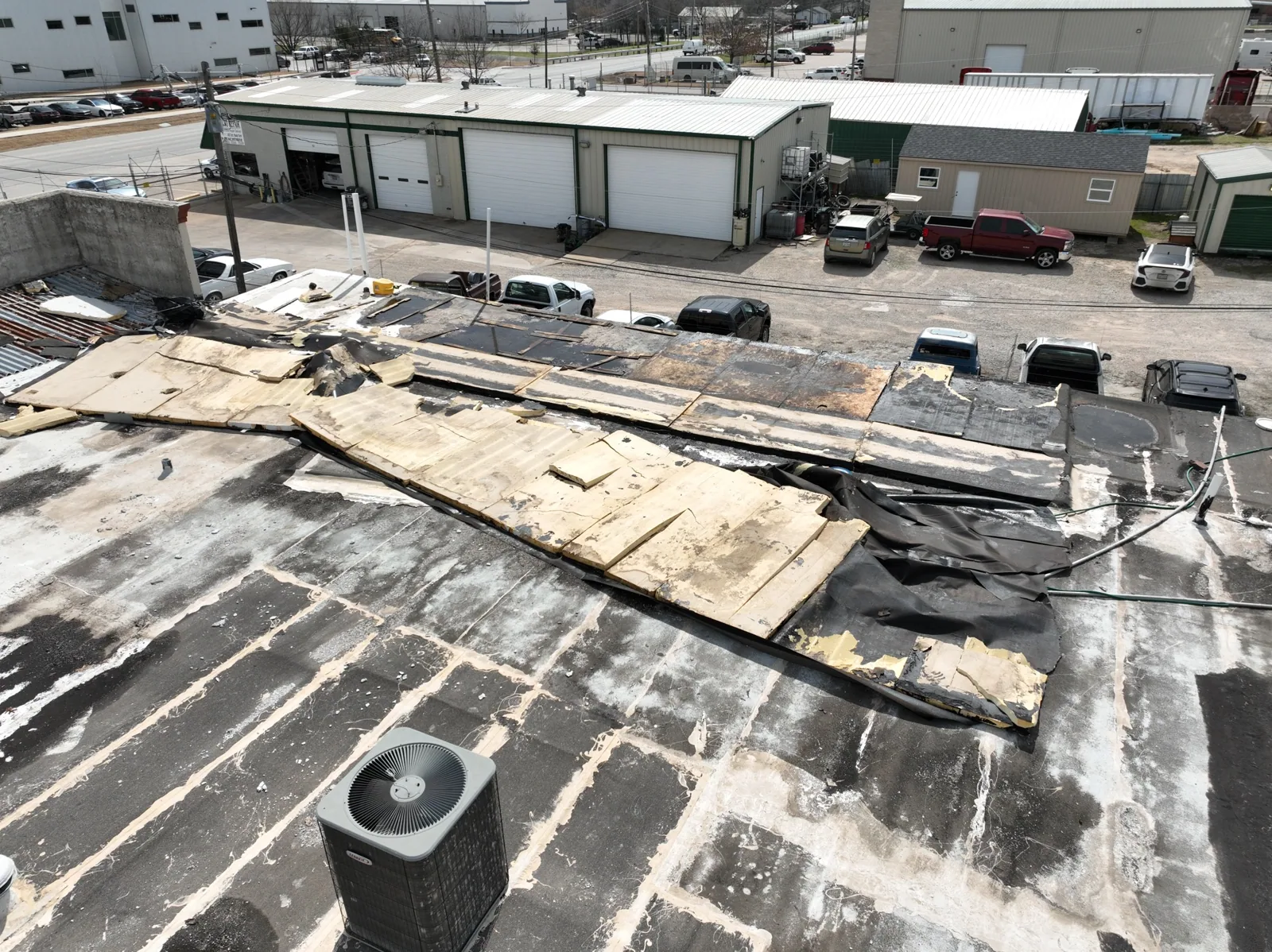
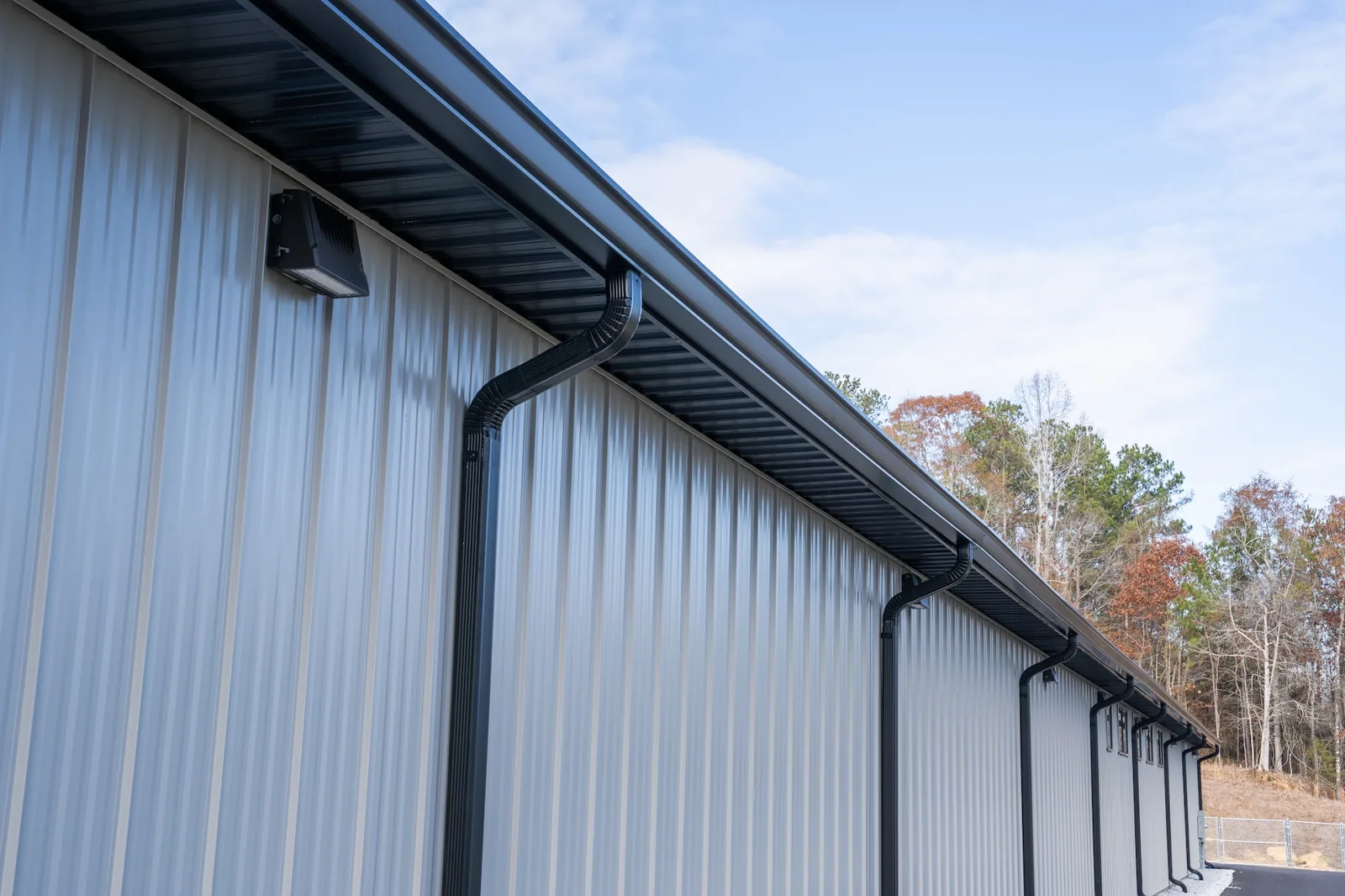
Check what is underneath
Damaged membrane can expose supporting materials, but the extent of concealed damage needs evidence. Suitable instruments and authorized samples may help, with their limits recorded. An infrared moisture investigation can screen temperature patterns under suitable conditions, then guide confirmation. It should not be treated as a picture of established wet quantities by itself.
Where findings confirm local assembly damage, define the removal and rebuilding appropriate to that area. If they raise questions about wider involvement, identify further investigation before choosing broad work. Deck concerns may require qualified evaluation. The owner receives the actual finding and its consequence for the scope, rather than an automatic instruction to remove the whole roof.
Rebuild the useful detail
A lasting correction needs compatible materials and a sound connection to the surrounding assembly. Edge work may involve attachment and supporting conditions. Flashings may need rebuilding at a curb or wall rather than another application of sealant. Drain interfaces require a functioning water route after the repair. The proposal explains those tasks and how completion will be checked.
Compare planned local repairs with broader work where the evidence warrants it. Include preparation, removal, supporting layers and relevant trade work so the prices describe comparable objectives. A roof with repairable localized damage presents a different spending choice from one with extensive unresolved conditions. Patch count or storm timing does not replace that assessment.
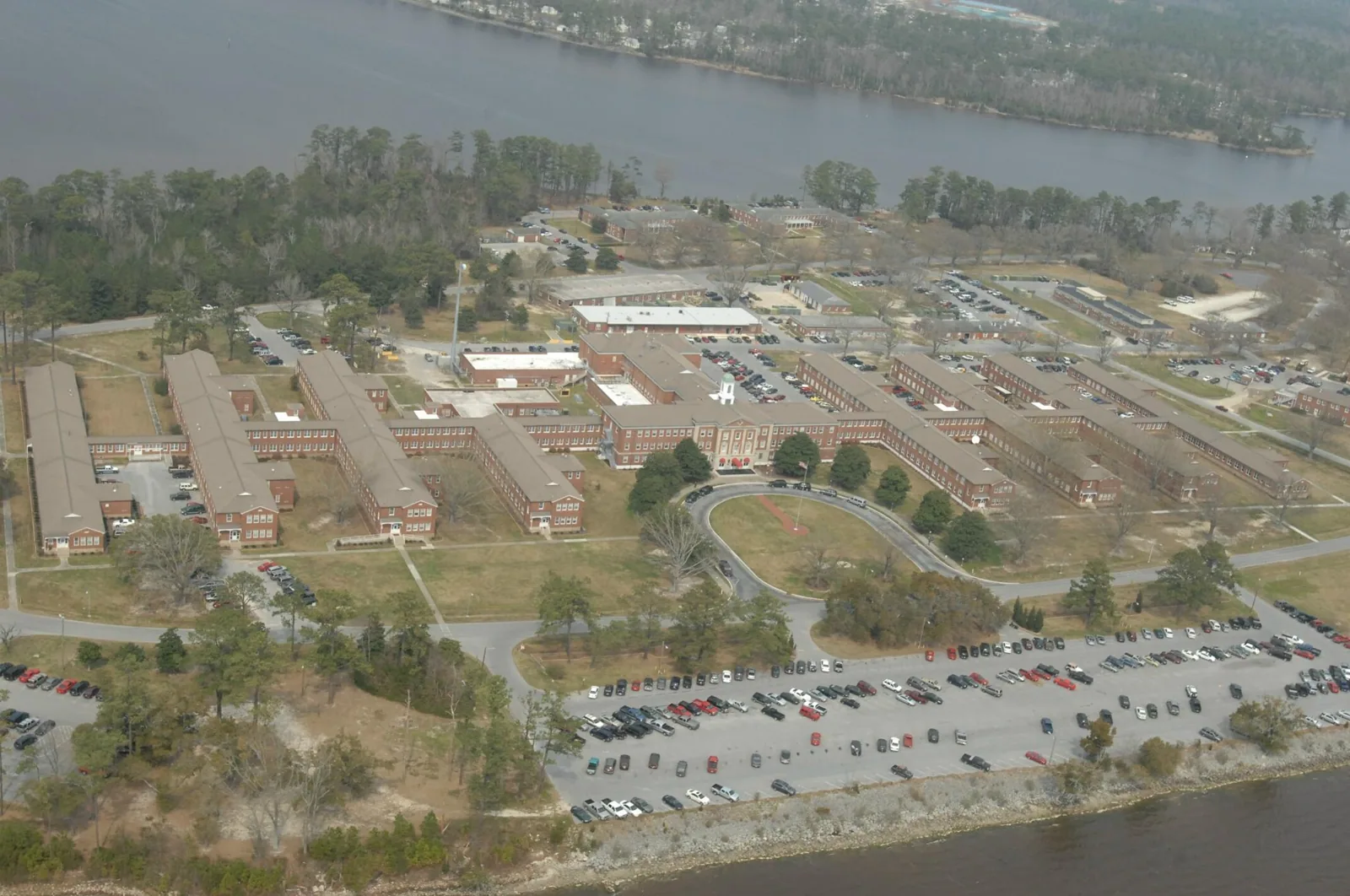
Plan access around real activity
The I-10 and I-15 corridors connect Rancho Cucamonga with nearby industrial and commercial areas. Current travel conditions and the site entrance still determine the approach to a damaged building. Confirm gates, roof access and a contact who can authorize changes before scheduling examination. A clear update should describe the next action and any access restriction.
Near Ontario I-10/I-15 commercial corridor, material staging and repair work may affect receiving routes or tenant areas. Use the actual operator's schedule to set the sequence. Coordinate equipment, fire and access controls with the responsible personnel. A roof repair plan should describe necessary interruptions and protections instead of assuming every activity can continue unchanged beneath the work.
Compare dated pre-event and post-event photographs where they exist, but keep the inspection grounded in the condition found now. A storm timeline can help select the first roof zones; it does not by itself show which component failed or what quantity needs replacement. Mark each visible change on the roof plan and distinguish new damage from older maintenance items. If access is unsafe or debris hides an interface, record the limit and return when examination is practical. That gives the owner a usable event record without treating every roof defect as storm-caused.
Preserve the findings
Keep dated photographs, location sketches, temporary work records and the permanent scope together. Document revised quantities and the finding that prompted each change. Our claim assistance organizes the construction record for owner and insurer review. Policy terms and the insurer's assessment determine coverage, while the contractor's authorization defines the work and charges.
At completion, retain material information and photographs of repaired interfaces. Note any excluded areas or remaining investigation. That handoff gives later examinations a starting point and helps the owner understand what was corrected. If another concern appears, the next roof walk can compare it with an identified repair rather than trying to reconstruct the event from scattered messages.
Commercial Roofing Questions
Does weather timing prove the cause?
Timing helps establish when a concern was noticed. Cause still requires property evidence and appropriate examination. The report should distinguish observations, interpretation and unresolved questions so the repair scope follows what is actually known.
What should be done before a roof visit?
Provide a site contact, access information and safe interior observations. Restrict affected areas where appropriate with the responsible building personnel. Qualified professionals should assess equipment or structural concerns before roof work depends on those conditions.
Can a storm repair be localized?
A defined local correction may be suitable when the surrounding assembly supports it. The decision depends on the affected materials and details. Wider uncertainty may require further investigation before choosing between selective rebuilding and a broader project.
How are temporary measures handled?
Record their purpose, covered locations, limitations and follow-up arrangements separately from permanent repairs. Their condition needs reassessment if circumstances change. The owner should know whom to contact if renewed entry or movement is observed.
What makes the final proposal understandable?
Locate the work, explain the failed detail, identify materials and list the necessary supporting tasks. Include uncertain quantities and their authorization process. That gives the owner a useful basis for comparing options and discussing the record with an insurer.
Get the damage scope clear
Arrange an examination of the observed roof changes. We will explain immediate protection needs, necessary investigation and the repairs worth doing, with a written record of what can wait.