
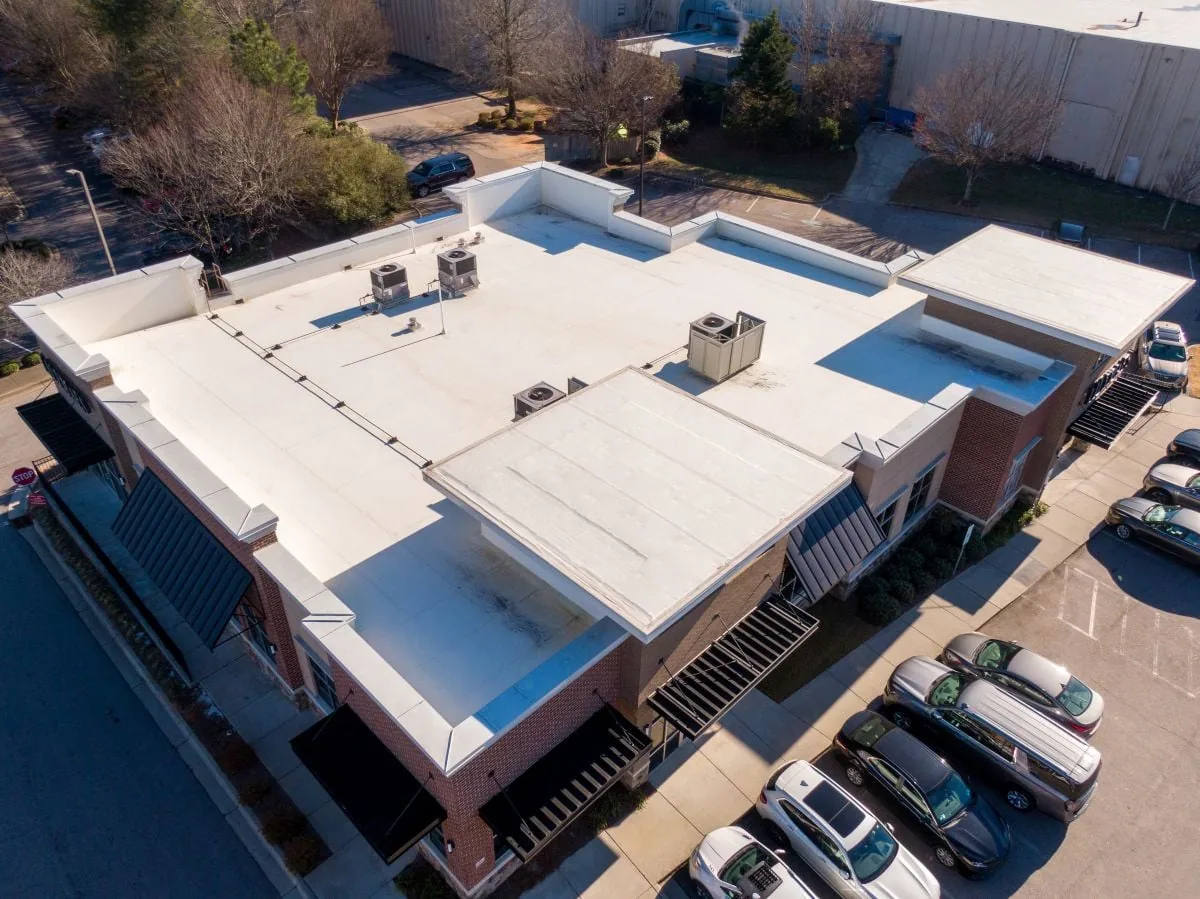
Roof Claim Assistance in Rancho Cucamonga, CA
A roof claim becomes harder to discuss when the photographs have no locations and the repair estimate gives no reason for its quantities. The owner needs a record that connects the observed problem to the proposed work. That means identifying what was seen, when it was examined and what remains uncertain, then keeping temporary protection and permanent repairs understandable.
Our Rancho Cucamonga roof claim assistance helps assemble that construction record. We document accessible findings and explain a defined repair scope for the owner and insurer to review. Coverage decisions follow the policy and the insurer's assessment. The practical goal is clear evidence and a workable correction, with the boundaries of the contractor's role kept plain.
Record conditions before they change
Photograph the affected roof areas before moving or covering components when conditions permit. Pair close views with wider images that show the location. Interior observations also need room names or a simple sketch so they can be compared with the roof. Dated notes help distinguish what was noticed during an event from what was found later.
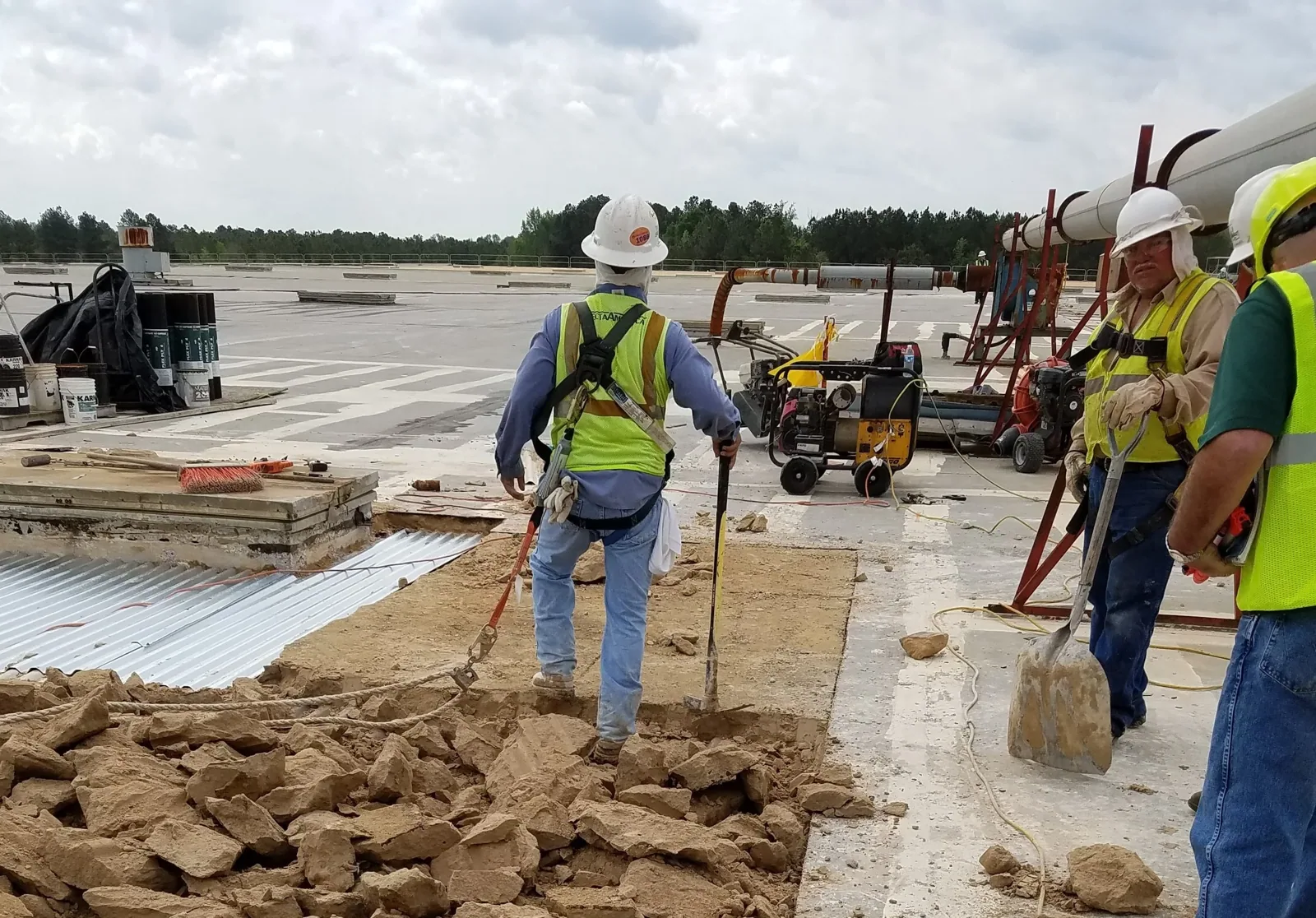
Immediate protection may need to proceed while the record is assembled. Document the reason, the authorized work and the conditions that limited photography or examination. The file should describe those limits instead of suggesting a complete survey occurred when only one accessible opening was examined. Our emergency roof work records the temporary scope separately from the lasting correction.
Separate observation from explanation
A displaced edge component is an observation. Its cause may require examining attachment, adjacent materials, prior repairs and other evidence. A roof report should distinguish those steps. Storm timing can be relevant, but it does not establish that every concern was caused by the same event. Earlier records help make that comparison more useful.
Santa Ana winds are part of this region's weather setting. A reported event can prompt checking changed components, while actual property findings support the proposed repair. Avoid converting regional reports into damage quantities. For a building in Fontana, document the accessible roof itself and explain any necessary further examination before attributing a broad scope to wind.
Give the quantities a basis
A repair estimate should locate the work and explain how its quantities were developed. Surface areas, detail lengths and identified components need a connection to the examination. Where concealed conditions could change the amount of removal, describe that uncertainty and the authorization process. A contingency should not be presented as confirmed damage.
Moisture investigation has similar limits. An infrared roof survey may identify temperature patterns for interpretation and confirmation, while samples establish conditions at selected locations. The file should retain those findings and explain how they affect the scope. That gives the owner and reviewer a basis for discussing additional testing rather than arguing over an unexplained colored map.
Describe a compatible correction
The proposed work needs to restore an appropriate assembly and address the failed detail. Identify preparation, affected layers, compatible materials and completion checks. If an equipment interface requires another trade, show that responsibility. The insurer's review and the roof's technical needs should be able to follow the same location record.
Our storm repair service develops the construction scope from those findings. Broader work may be considered where the evidence and project requirements justify it, but a claim is not itself a reason for replacement. Compare defined options and explain what each resolves. The owner can then assess both the repair recommendation and any uncovered expenditure. Keep changes in a short written log: the new finding, its location, the proposed treatment and the authorization. If two options address different amounts of underlying work, make that difference explicit. The owner should be able to understand why a revised price changed and which items remain optional or dependent on further evidence, even when several reviewers are discussing the same roof.
Keep temporary costs distinct
Temporary protection, investigation and permanent correction are separate tasks. Retain their authorizations, invoices and photographs so the file shows what was done and why. The temporary work record should identify coverage, limitations and follow-up needs. Its price and purpose should remain clear even if the permanent scope develops later.
Policy duties, reporting deadlines and payment terms require review of the actual documents with the appropriate parties. We do not assign a universal deadline or promise that emergency charges will be covered. The owner should keep communication records and ask the insurer what information it needs. Defined contractor work and policy interpretation are different responsibilities.
Coordinate the examination
If an adjuster or other reviewer will visit, arrange access with the owner and identify the relevant roof locations beforehand. Provide the findings and photographs in a consistent order. Authorized openings need a plan for compatible restoration and suitable conditions. Any additional investigation should have a stated question and scope.
At a property near Ontario I-10/I-15 commercial corridor, coordinate staging and access with the actual tenant and receiving schedule. In the industrial area along Milliken Avenue, ask about equipment service and activities below proposed examination points. Those arrangements help the participants review useful evidence without creating an avoidable conflict with building operations.
For a clear claim file, keep the date of inspection, roof location, observed condition, photographs and measured work quantity together. Label an estimate as the contractor's proposed scope, not a coverage decision. If an insurer or consultant performs a separate examination, compare the findings and note any area that remains disputed or uninspected. A supplemental quantity should identify the newly supported work and why it changed. These distinctions let the owner discuss the building's actual repair need while leaving policy interpretation and payment decisions with the insurer.
Close the construction record
After approved repairs, document completed locations, materials and relevant checks. Keep photographs of preparation and concealed work where appropriate, alongside the final surface. The record should explain scope changes and items still awaiting a decision. It is useful beyond the claim because the next owner inspection can compare the repaired detail with later observations.
A follow-up roof examination may be appropriate when the file raises wider condition questions. If the damage concerns an active entry point, leak source work remains part of the technical process. Keep those recommendations connected to the findings rather than treating claim paperwork as proof that the roof problem has been solved.
Commercial Roofing Questions
Can you tell us what the insurer will cover?
Coverage depends on the policy, circumstances and insurer review. We can organize construction observations and explain the repair scope. Questions about policy interpretation and payment decisions belong with the insurer and appropriate adviser.
What should we photograph?
Use safe observations and retain both wider location views and detail images. Note dates and affected rooms. Roof access and examination require suitable arrangements; do not send untrained staff onto damaged areas simply to obtain claim photographs.
Does a storm report prove roof damage?
Regional weather is context for the investigation. The claim record still needs property-specific observations, prior information where available and an explanation of the proposed correction. Keep suspected cause distinct from confirmed findings.
How should hidden damage be estimated?
State what has been examined and where uncertainty remains. Further testing or an authorized allowance may be needed. The scope should explain how new findings will be recorded and reviewed before treating additional quantities as established work.
What is useful after the claim closes?
Retain the investigation, authorizations, scope changes and completed repair record with the roof file. Later inspections can compare those locations and materials with new findings. That continuity helps the owner make the next repair decision.
Make the roof record clear
Arrange a review of the findings and proposed repairs. We will document the construction evidence, identify remaining questions and give you a defined scope for the owner and insurer to assess.