
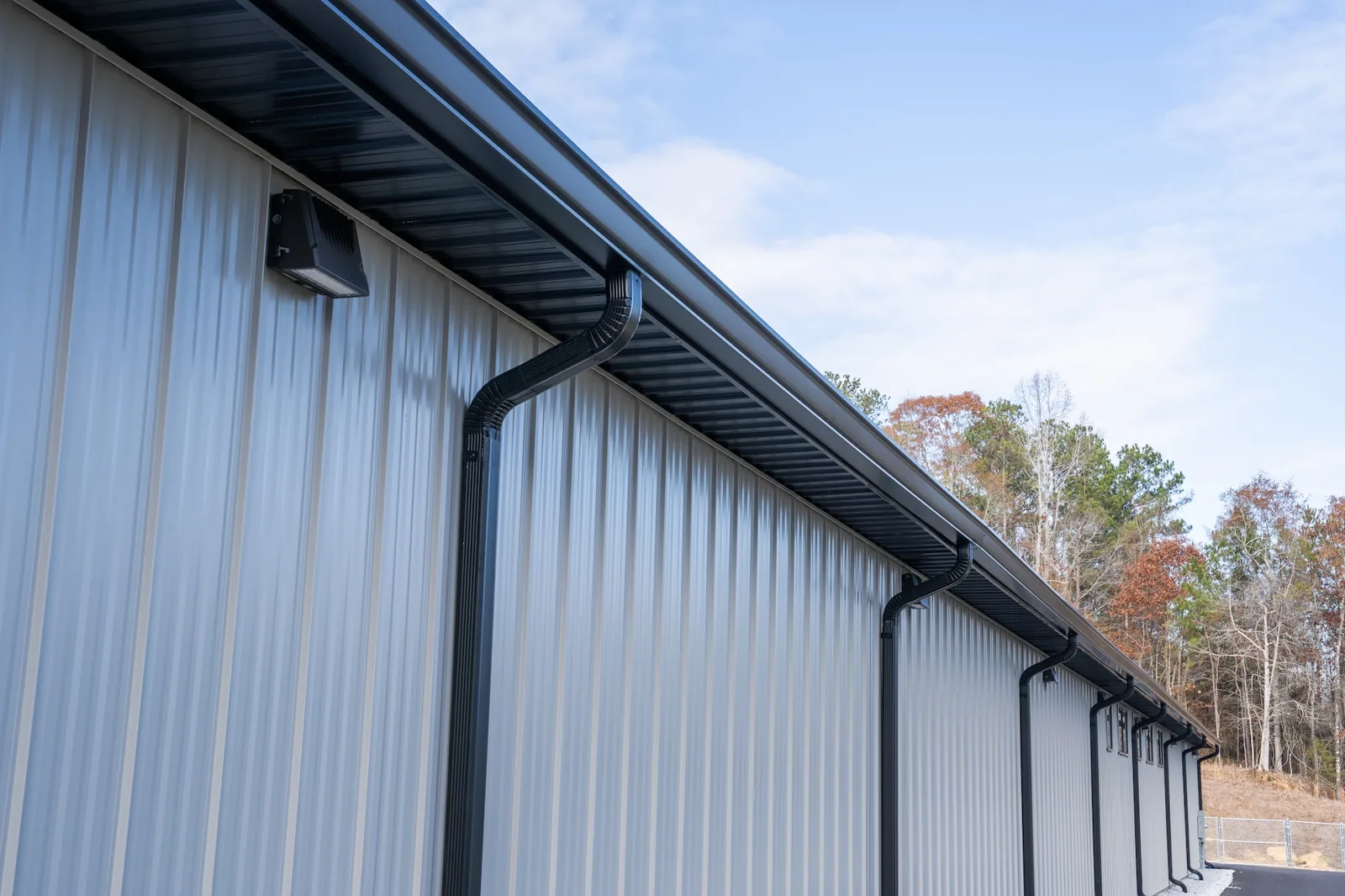
Roof Edge Metal and Coping in Rancho Cucamonga, CA
A loose length of coping on a shop roof deserves a closer look at what holds it in place. Replacing the visible metal may be useful, but only after the supporting connection and surrounding flashing are understood. The owner's question is practical: can the affected length be repaired soundly, or does the problem extend into the detail beneath it?
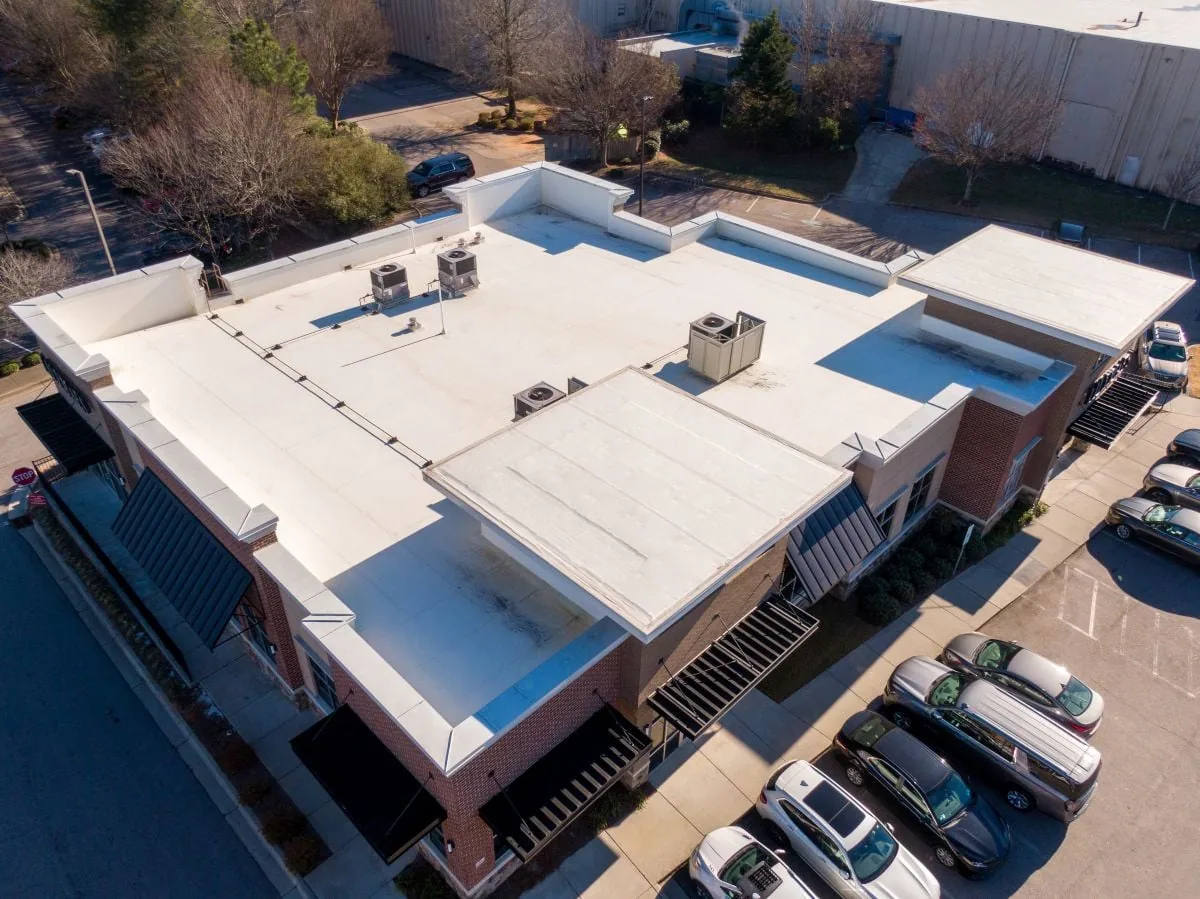
On a Rancho Cucamonga roof walk, we check the edge metal, coping and gutters we can reach, how they are fastened, how they tie into the roof membrane and where the water goes from there. Then we tell you what is worth fixing now and whether anything needs to be measured, opened up or reviewed by a designer before new metal is ordered.
Look at the connection
Edge metal and coping only work as well as what is underneath them: the wood blocking, the cleats or fasteners and the roof membrane they lock down. A loose screw may be the only problem, or it may be a sign that the blocking behind it has rotted. We check what we can see and note what we cannot. Driving a new screw into soft or unknown backing does not make the edge secure.
If an edge looks different after a windstorm, older photos or repair records help show what changed. We mark any lifted sections and gaps clearly. Our wind damage roof repair work is based on what we find on your roof and what your building needs, not on a regional wind report.
Keep the roof interface continuous
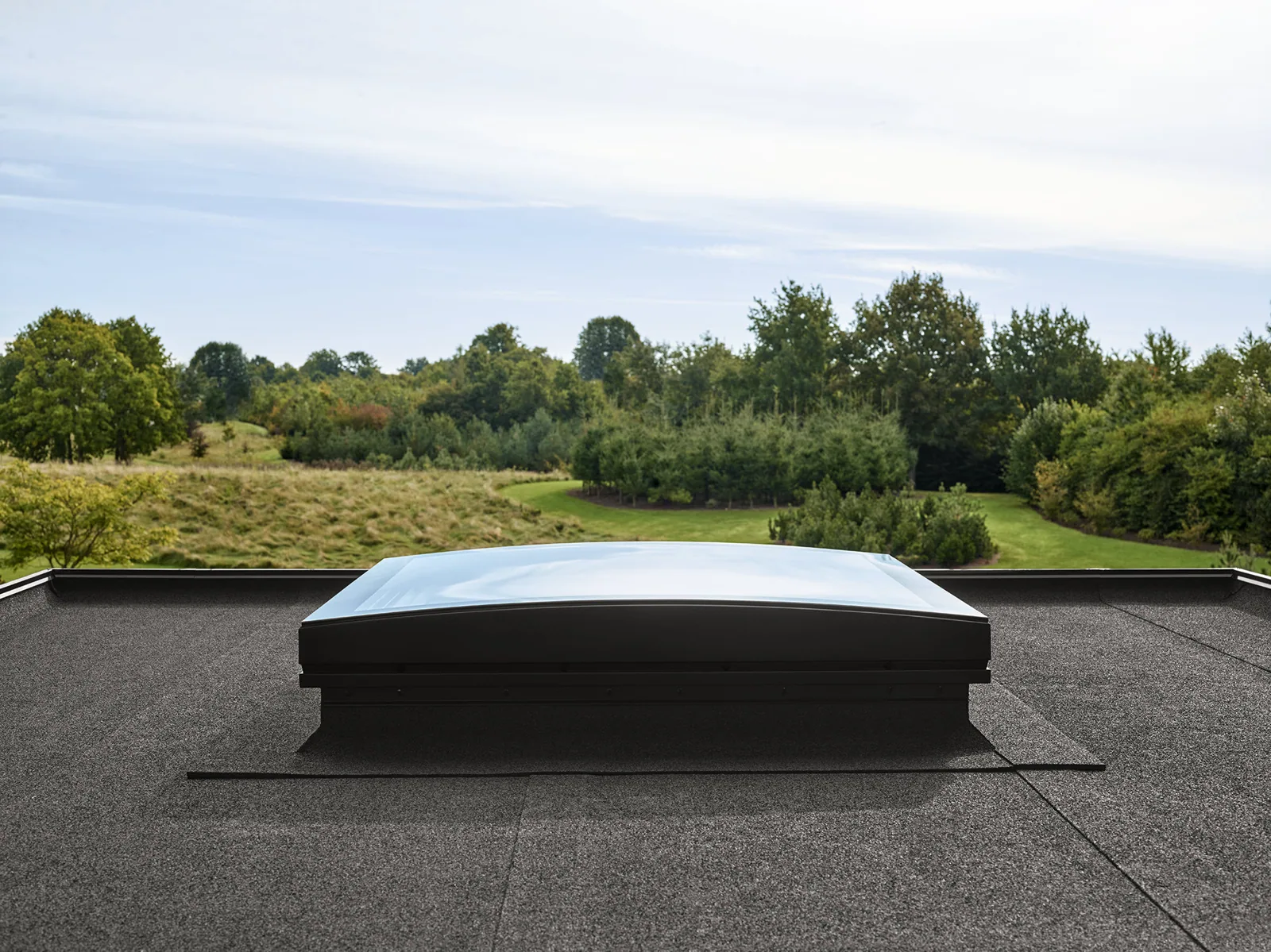
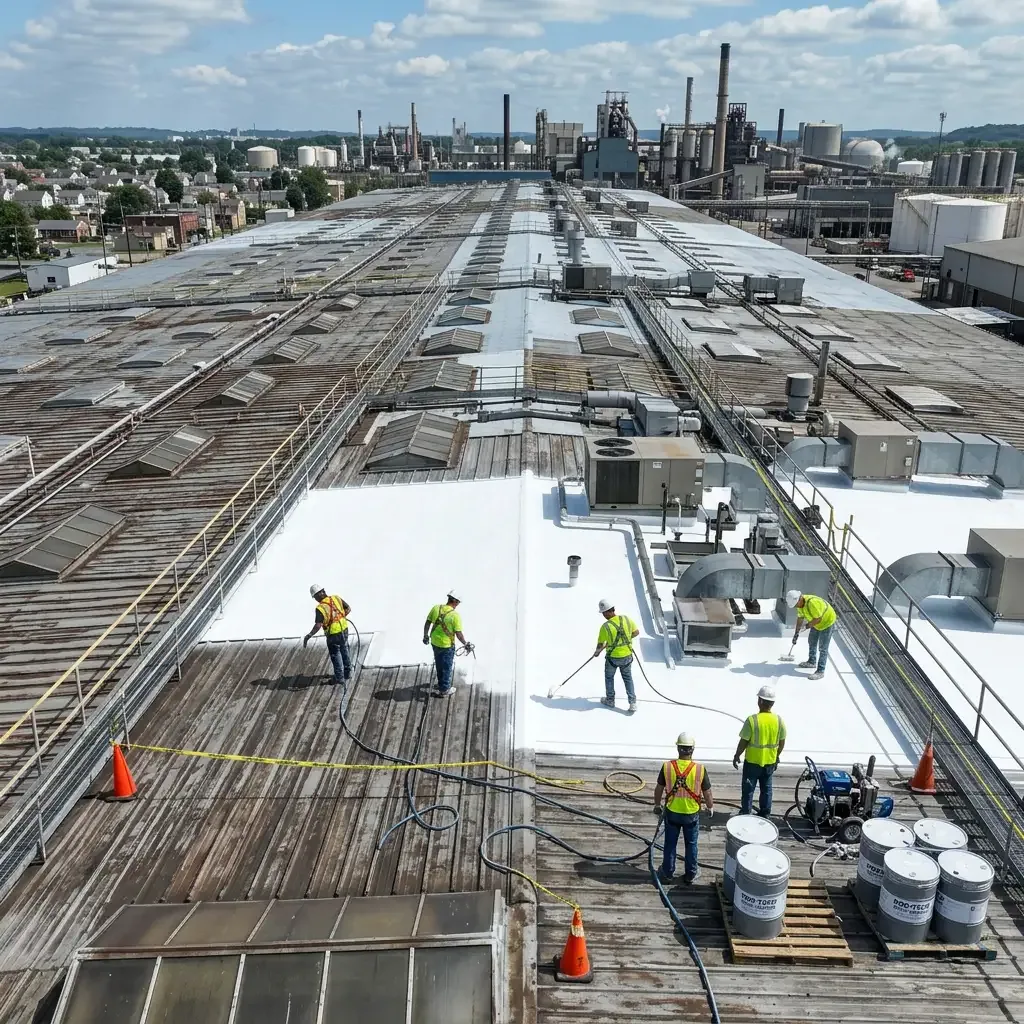
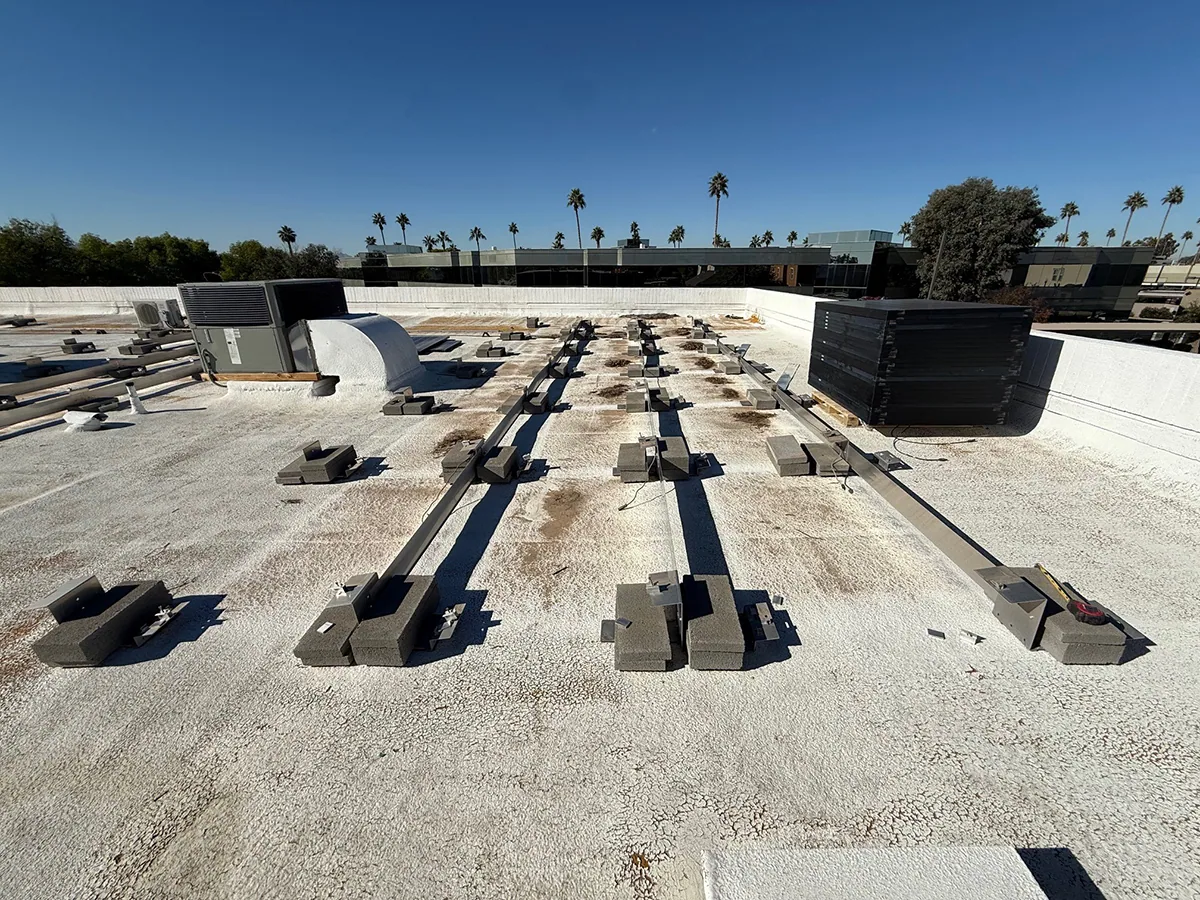
The metal has to tie properly into the membrane or flashing below it. We check terminations, corners and transitions for damage or poor earlier repairs. A gutter problem can also start at the roof edge above it, so we look at both. The estimate covers the whole connection that needs fixing, including any prep work and compatible materials.
If water is actively coming in, leak source investigation may be needed to find out whether the edge is really the source or whether water is entering somewhere nearby. Water under a parapet does not prove the coping is leaking. We keep what we actually saw separate from what we suspect, so you can approve the metal repair and any further checking without confusing the two.
Measure before fabrication
Fabrication depends on real field measurements: the existing dimensions, the condition of the wood or wall behind the metal and how corners and joints line up. Ordering by the face width of the old piece is not enough. Joints also need room for the metal to expand and contract in the heat. Where the edge needs engineering or a specific design, that is part of the job.
Our wall and penetration flashing work can take care of nearby wall or equipment details at the same time. If a reroof will raise the roof surface, the edge height may need to change too. A roof recover estimate should show those changes up front, before new layers leave an old edge too short. That way the edge work is in the first price, not a surprise later.
Field measurements should capture more than the exposed face. We record the roof edge, the condition of the blocking, the attachment area, the wall or fascia below and every corner and change in direction. Those measurements tell the fabricator where pieces end and how water should run past each joint. Old metal can hide soft or uneven backing, so we confirm what we can before the order is final. If opening the edge is part of the approved work, we build in a check of the hidden support and a decision point before new metal goes on.
Use the right project basis
How the new edge is attached depends on the building, the roof system and the permit requirements for that address. In Rancho Cucamonga, plans submitted on or after January 1, 2026 fall under the 2025 California codes as adopted by the city. We confirm what applies to your job before we specify the new edge.
Santa Ana winds are a good reason to secure materials on the roof and check any edge that already looks loose. They do not mean every edge needs the same fix or extra fasteners. Roof height, shape, exposure and the structure behind the metal all matter. If the design needs an engineer's review, we say so in the estimate, so you can compare a complete fix with a bid that only swaps the visible metal.
Follow gutter discharge
A gutter has to carry water from the roof through its outlets and downspouts to the ground. We look for dents, splits, debris and loose brackets or joints. Cleaning can be part of regular maintenance. If the gutter is undersized or the water has nowhere good to go, that needs a closer look. New trim should never hide a drainage problem that has not been fixed.
For drains and scuppers, our roof drain and scupper service keeps roof work separate from plumbing. We note where water discharges and whether any walkway or entrance below will be affected by the repair. If outlet size or layout needs design review, the estimate says so, and each part of the job goes to the right trade.
Arrange a manageable work area
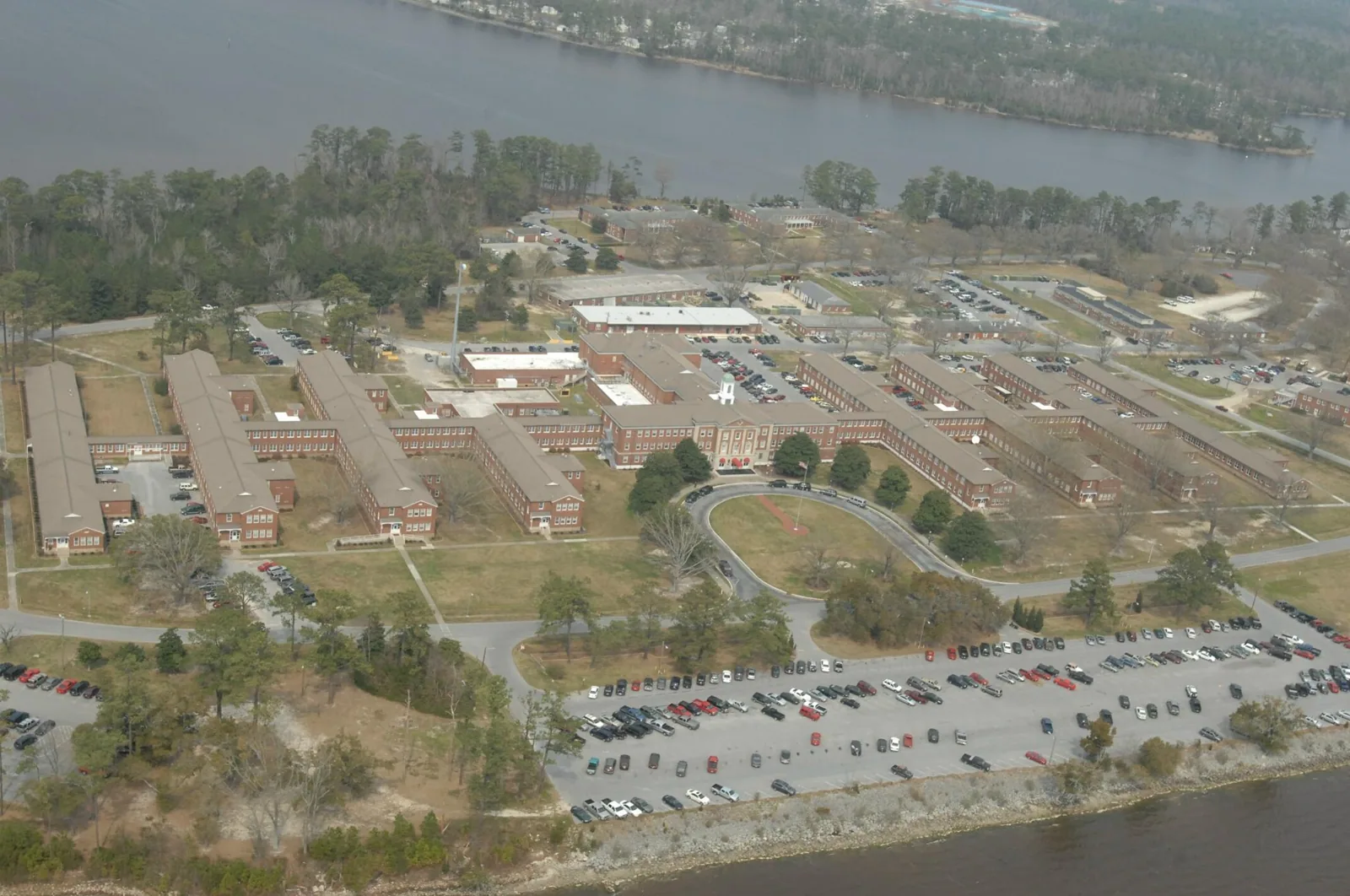
Near Downtown Rancho Cucamonga, work on the outside edge of a building can affect tenant entrances and delivery routes. We confirm what is happening at the building, how we will reach the edge and where materials will be staged before setting the order of work. The plan shows which areas below will be closed off and who will coordinate with tenants. Long metal pieces also need enough room and the right equipment to handle them safely.
At a commercial property in Etiwanda, we ask the site manager about truck traffic, equipment service and roof access. Those answers come from the building itself, not from a general schedule for the area. A clear plan shows you when protection or a short closure is needed and how the crew will work around your business hours.
Leave a useful edge record
Final checks follow the edge detail and installation method that were specified. We photograph the blocking and other hidden work before it is closed up, then photograph the finished corners and joints. Any change caused by what we found under the old metal is written down along with your approval. Material and design information goes into the roof file so the next inspection has a reference.
A preventive maintenance visit can check those same spots later and look at drainage and any new movement. The report should note real changes, not assume another storm caused them. If bigger roof problems show up, a separate assessment may make sense. You end up with a clear record: what was done, what questions are still open and what to watch before the next spending decision.
Commercial Roofing Questions
Is a loose screw a small repair?
Sometimes. It depends on whether the wood or wall behind it is still solid. We check what we can reach and tell you if anything hidden needs a closer look before we call it a small fix.
Can new coping use the old supports?
Only if the old blocking and cleats are sound and suit the new detail. Some need repair or replacement. We confirm that before installing new metal on top of them.
Why review edges during a recover?
A recover raises the roof surface, which changes how the edge and flashing line up. Measuring and planning those changes first means the full reroof price includes the edge work.
Who plans gutter changes?
We handle the roof side. If the downspouts, underground piping or gutter size need to change, a plumber or designer may be involved, and the estimate shows who does what.
How do we prepare an occupied property?
We confirm entrances, delivery routes and a safe staging area with your site contact. The work plan shows which areas below the edge will be closed and when, before work is scheduled.
Check what holds the edge
Book a roof walk to look at coping, edge metal and gutters. We will explain what we found, the right fix and any design questions to settle before work starts.