
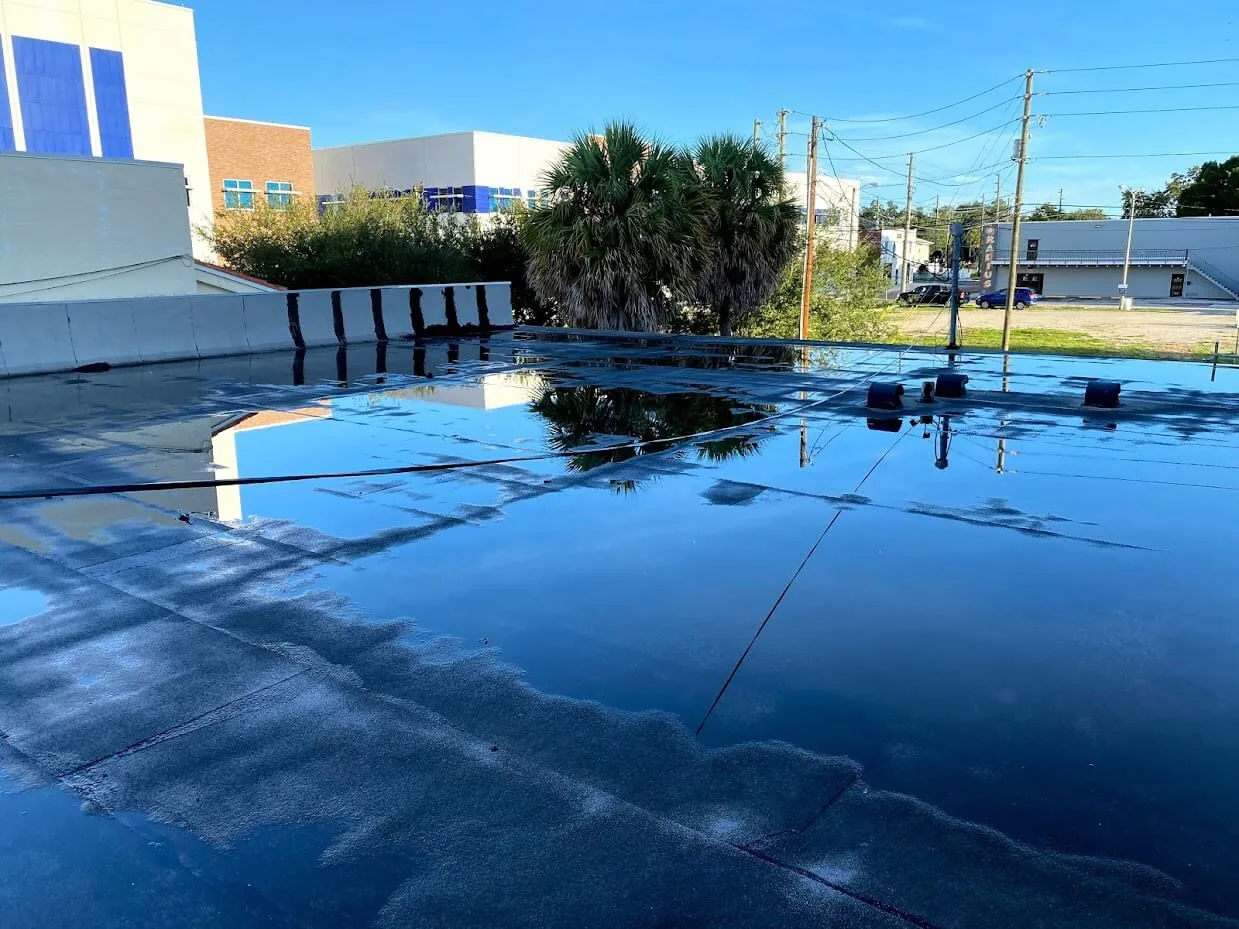
Ponding Water Roof Repair in Rancho Cucamonga
Will clearing the drain fix the standing water on a distribution roof near Milliken Avenue? Sometimes. If leaves or debris are blocking it, yes. If the deck has sagged or the drain line is restricted further down, cleaning won't change much. We figure out which it is before proposing work.
You should know why you're paying for something. We note where the water sits, check the drains and scuppers we can reach and explain what still needs looking into. Routine maintenance is kept apart from changes that need a bigger design review.
That gives the facility manager a clear choice. A simple local fix can be priced now. If slope or structure is in question, it gets checked before anyone quotes a full drainage rebuild.
We note where and when the water sits
We note the roof section and the main drains we can reach, plus any overflow drains or scuppers. We record when the water was seen and the conditions at the time. A photo shows that moment; it doesn't measure how fast the roof drains.
A commercial roof inspection checks the membrane, flashings and surface around the wet area. Past changes, like a new unit or a re-routed drain, can affect the flow. We compare drawings with what's installed and say where it's unclear.
We look for debris and blockages first. Cleaning can clear a clogged drain, but a low spot may stay low for reasons cleaning won't touch. The report keeps those separate.
Etiwanda and the Milliken area have a lot of large flat roofs, but each building has its own elevations, drain locations and access. The neighborhood tells us nothing about structural capacity or hidden piping.
One puddle is not a verdict on the entire drainage system.
Record when the water was observed, how long after a rain event, and which drains or scuppers were accessible at that time. A single photograph shows a condition at one moment; repeat observations can help distinguish temporary retention from a persistent low area. Note nearby equipment or recent construction that may affect the flow path. If water remains, document its boundaries and whether a safe route to the outlet is visible, then assign capacity or structural questions to the appropriate design professional.
Cleaning a drain is not the same as fixing slope
Our roof drain and scupper repair spells out which drain or scupper is being worked on and what's attached to it. The plumber handles the pipe; we handle the roof. A drain body needs a sound membrane seal around it and a drain line that actually carries water away.
For a low area, we measure the roof and look at how it's built. A photo can't tell you how much slope to add. We work out how a fix would meet the drains, equipment and the roof next to it.
Tapered insulation and cover board changes the finished height. Building up one spot can push water somewhere else, so we plan those changes together before locking in a local build-up.
That's the real choice: maintenance clears a blockage; rebuilding the slope means understanding what it will change.
Structural questions go to a licensed engineer. If the deck looks deflected or the support is in doubt, nobody on a roof walk should say how much water is safe. We point out the concern; we don't approve capacity.
The price separates known work from unknowns
The estimate lists drain service, piping, prep and membrane work as separate items. A drain-cleaning price shouldn't be sold as a complete fix when slope or drain line questions are still open.
Core cuts show the layers and condition at each spot. Wider damage needs enough samples to back up the quantity. Infrared readings need to be confirmed. Any allowance for hidden damage notes how much was tested.
Seam repair fixes open seams. Standing water and leaks are separate questions, so we compare what's leaking inside with what we find rather than blaming every leak on the pond.
A coating needs a roof that qualifies and a product rated for the conditions. It doesn't add drainage.
Hoisting, disposal and protection inside go into the comparison. Anything new found during the work is located, priced and approved. You'll see what's measured now and what still needs testing before a firm quantity.
Work over occupied space is planned in advance
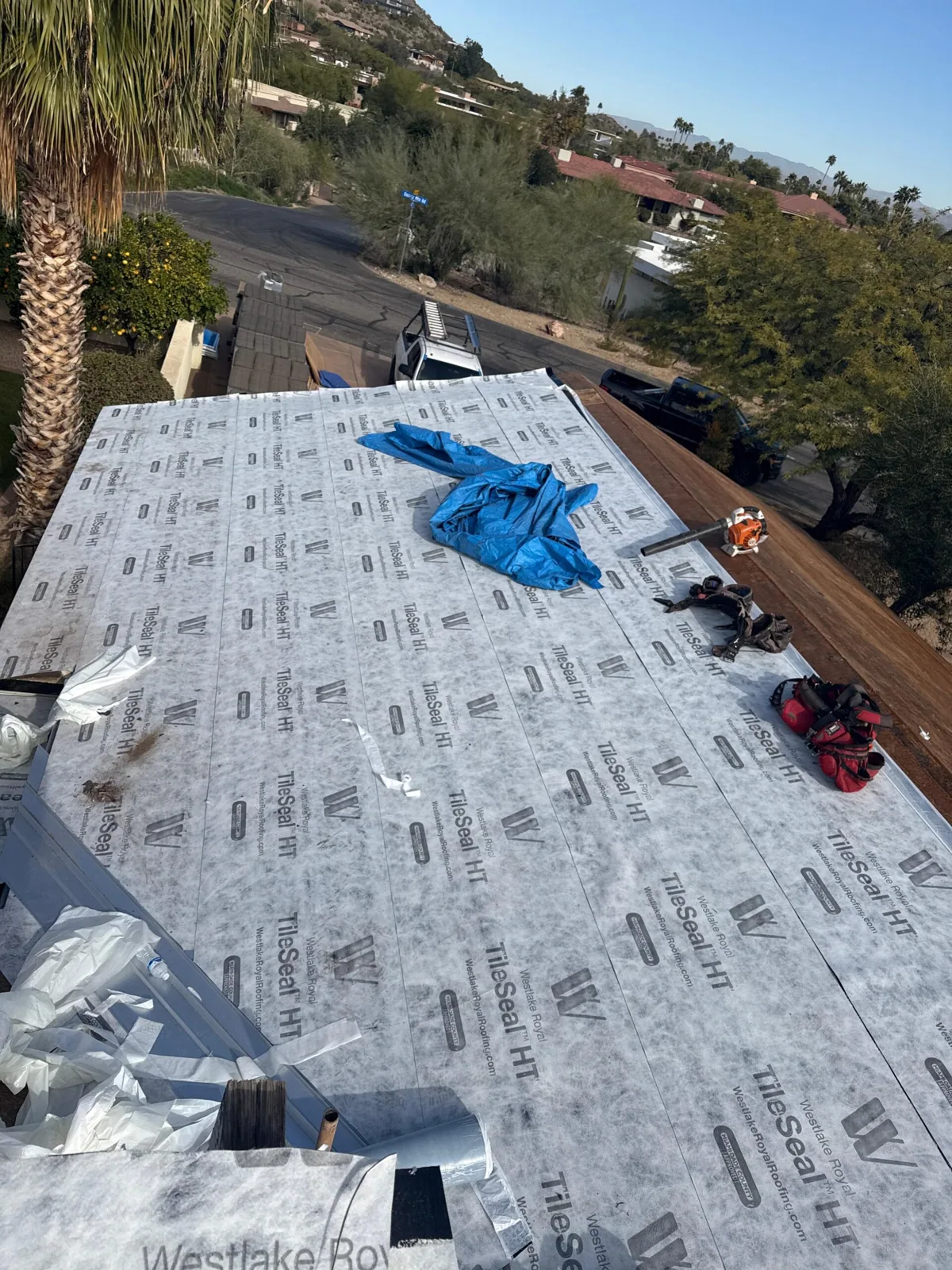
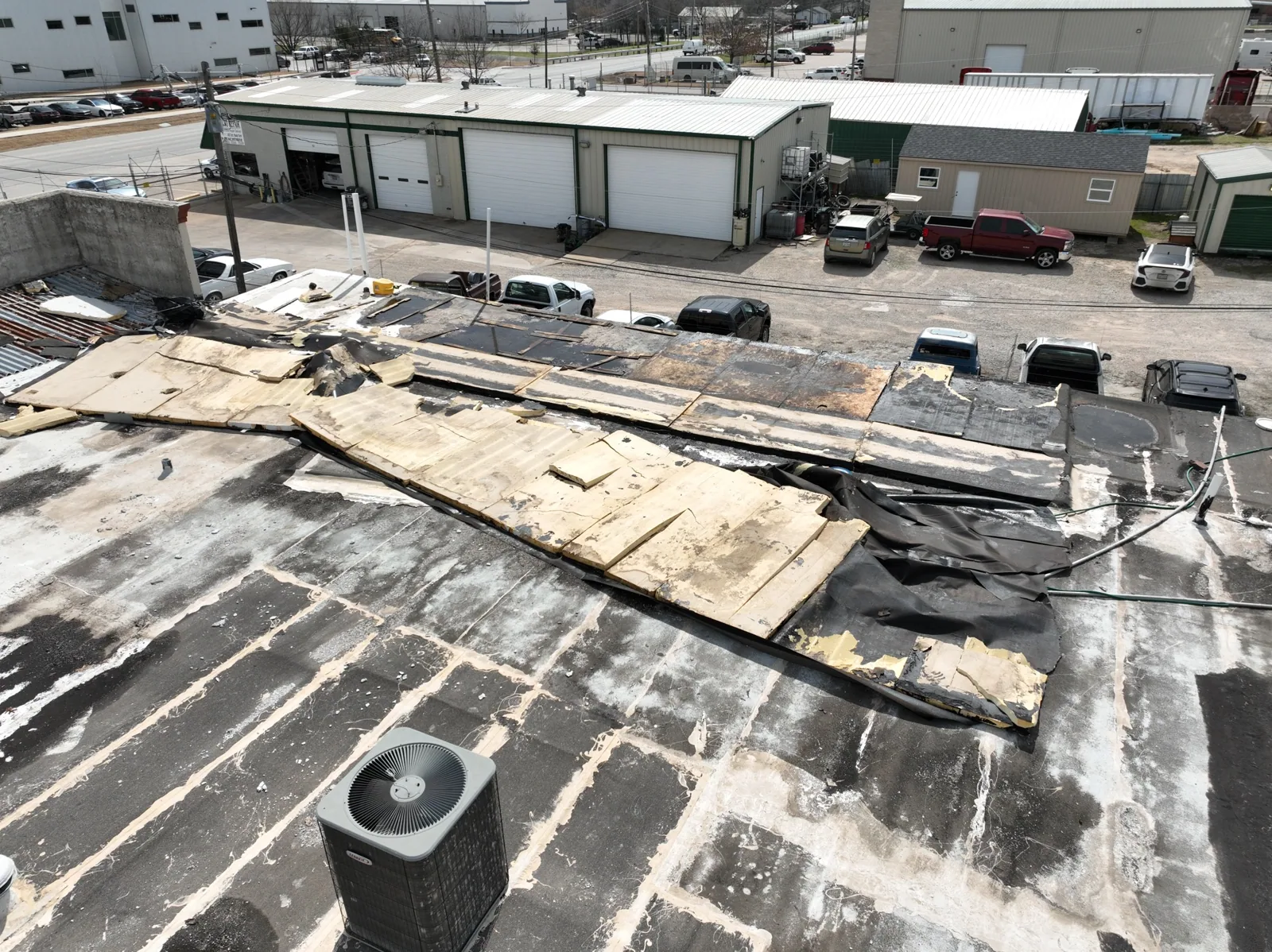
For work over occupied space, we ask what's in the rooms below any test cut or tear-off. Sensitive stock or equipment can call for more protection even under a small opening, and the facility tells us before we set the work area.
For a building near Victoria Gardens, we confirm the exact property and delivery setup. The landmark helps us find it; it doesn't give us use of a neighbor's walkway or loading area.
Your facility team and the electrical or mechanical contractor approve shutdown and restart. We don't block running intakes or cut power to make a drain detail easier.
Drains stay working during the job. We don't flood the roof to test it informally. Any water test is reviewed with the right people and approved only after structural, electrical and occupied-space risks are covered.
The work plan includes prep and protection if the job can't finish as planned. Weather, deck condition and product requirements decide when we start, and the person who makes decisions stays reachable if findings change.
Drainage changes get proper review
We confirm which building department covers the property and the work. Rancho Cucamonga lists its codes by filing date, including the change on January 1, 2026. Local amendments and the actual scope still get reviewed.
Moving a drain or reshaping roof slope may need design and plumbing decisions beyond the membrane. We line up those people and their checks before the roof detail is set.
California Energy Code rules depend on the work and offer different compliance paths and exceptions. They matter when the roof system changes. A preferred surface color doesn't answer that question.
The structure and slope get settled first. The roof follows that plan; new membrane shouldn't be used to hide an unresolved drainage problem.
The repaired area is watched after it rains
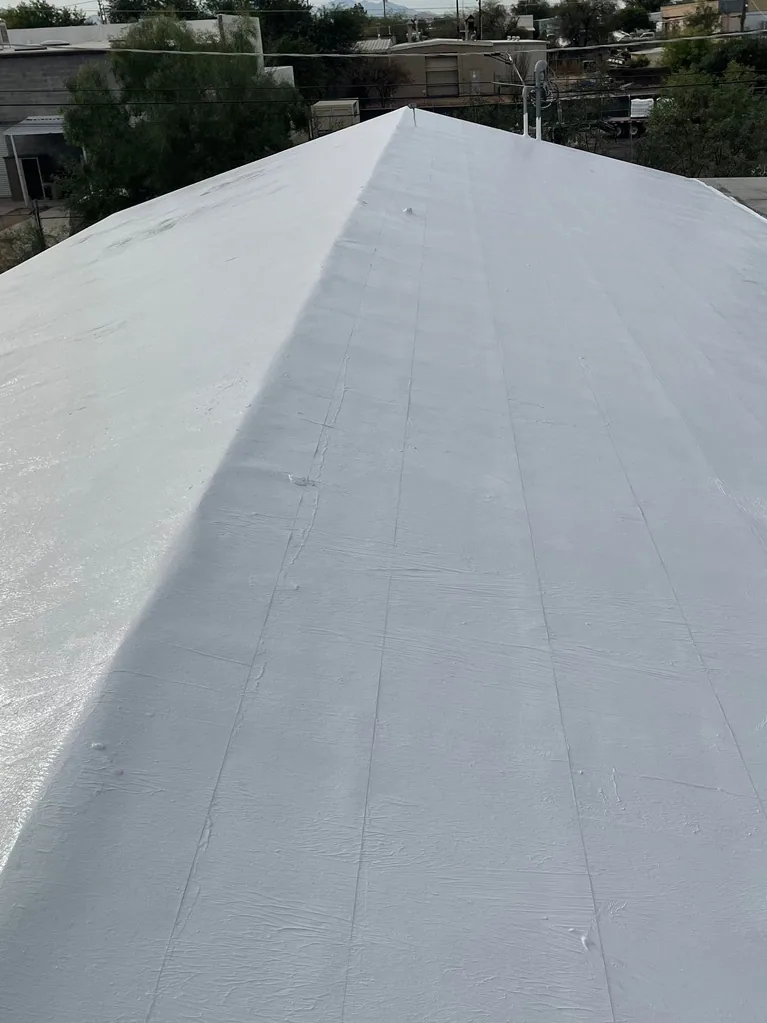
We photograph the deck and finished drain details at locations you can find, and keep approved changes and checks with the scope. Any drain or pipe we couldn't inspect is listed.
Preventive roof maintenance schedules drain checks and debris removal, each with a roof area, a reason and a responsible person. A drain cleared once still needs regular attention.
Our roof condition report keeps track of remaining low spots and open testing. For jobs in the Rancho Cucamonga industrial district, it includes the building's own references and access limits.
Later rain gets its own dated notes. One good storm helps judge the repair but doesn't guarantee every future one. New ponding gets located and checked before the issue is considered closed.
You can see what you paid for and what's still open, which helps when a different manager fields the next rainy-season call.
A leaking drain flashing gets its own repair. We keep that separate from any slope or flow review, so your records show which detail was fixed and which drainage question still needs evidence.
Commercial Roofing Questions
When is outlet cleaning the useful first task?
When there's a visible blockage at the drain or scupper. If a low spot or a problem further down the line remains, it's handled separately.
What decides whether geometry needs correction?
Measurements of the roof and a look at how it's built. A photo alone can't tell you how much slope to add.
Can roofing staff approve ponding capacity?
No. Structural capacity is a question for a licensed engineer. A roof inspection can point out the concern but can't set load limits.
What should remain after the correction?
Photos and locations of the finished work, any checks and changes, plus a list of drain lines not inspected and the next maintenance date.
Find out why water is standing on your roof
Schedule a Rancho Cucamonga roof inspection. We'll explain the drain condition, the fixes that make sense and any testing still needed, in writing, before you decide what to approve.