
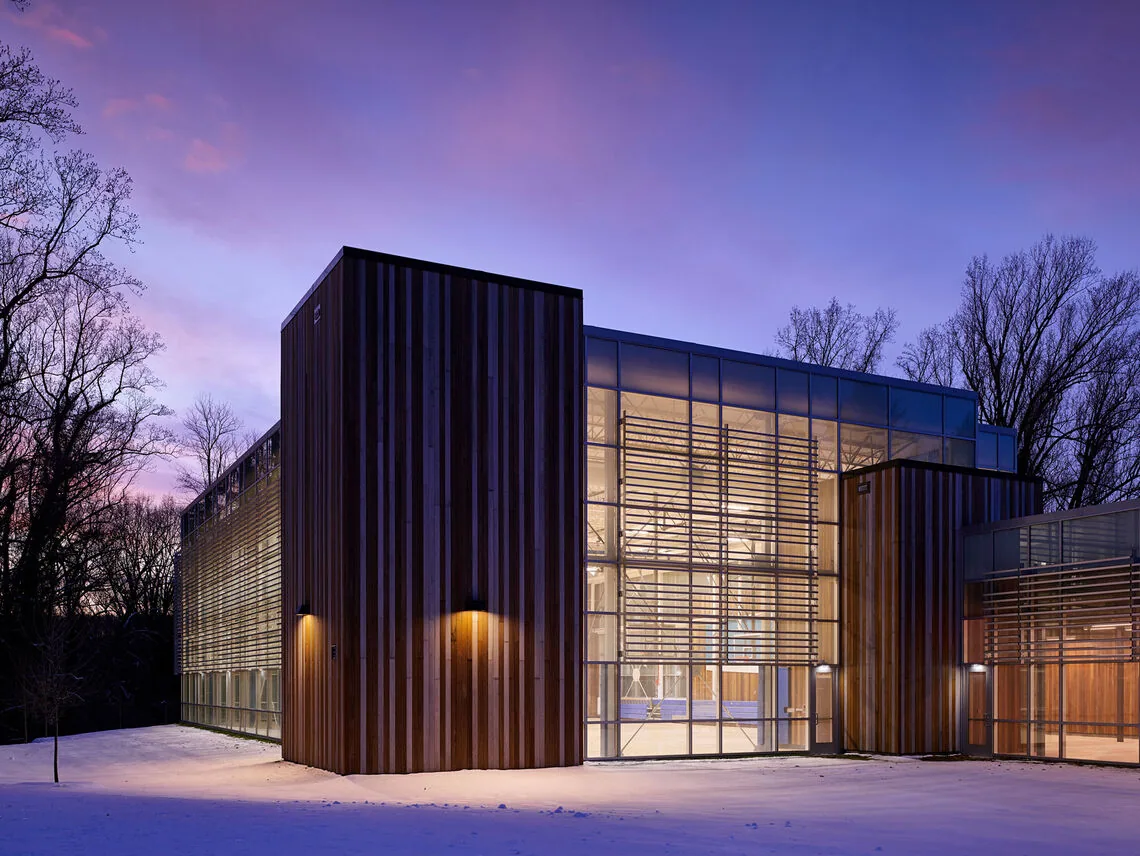
Fitness Center Roofing in Rancho Cucamonga, CA
When a gym has a leak, the owner needs to know what the roof inspection actually explains and what might belong to the HVAC or plumbing contractor. That should be clear before choosing a repair. Fitness center roofing in Rancho Cucamonga, CA, starts with where the water appeared and what's on the roof above it. We explain the repair, the prep it needs and how we'll work around the club's hours. Anything outside the roof goes to the right trade.
A usable roof price covers the finished repair and how crews will reach it. The club's schedule is planned alongside the roof work.
Matching the Leak to the Roof Above
We get the room and the time it leaked from the club's manager, plus any recent HVAC or plumbing work. Then we inspect the roof above and around that spot. Gyms often have big rooftop air units, and locker rooms and pools add humidity and condensation. Water on the floor might be a roof leak, a dripping duct or a condensate line. We tell you which one the evidence points to.
Our leak repair notes include photos with enough surrounding view to find each spot again. We check drawings and product records for that roof section before pricing the prep.
If a water test or test cut would help, we explain what it's meant to answer, get approval and protect the floor and equipment below. If the HVAC contractor needs to look at a unit, that stays with them. The owner gets the roof repair the inspection supports, plus any extra checking needed before a bigger decision.

Getting Materials Past the Front Door
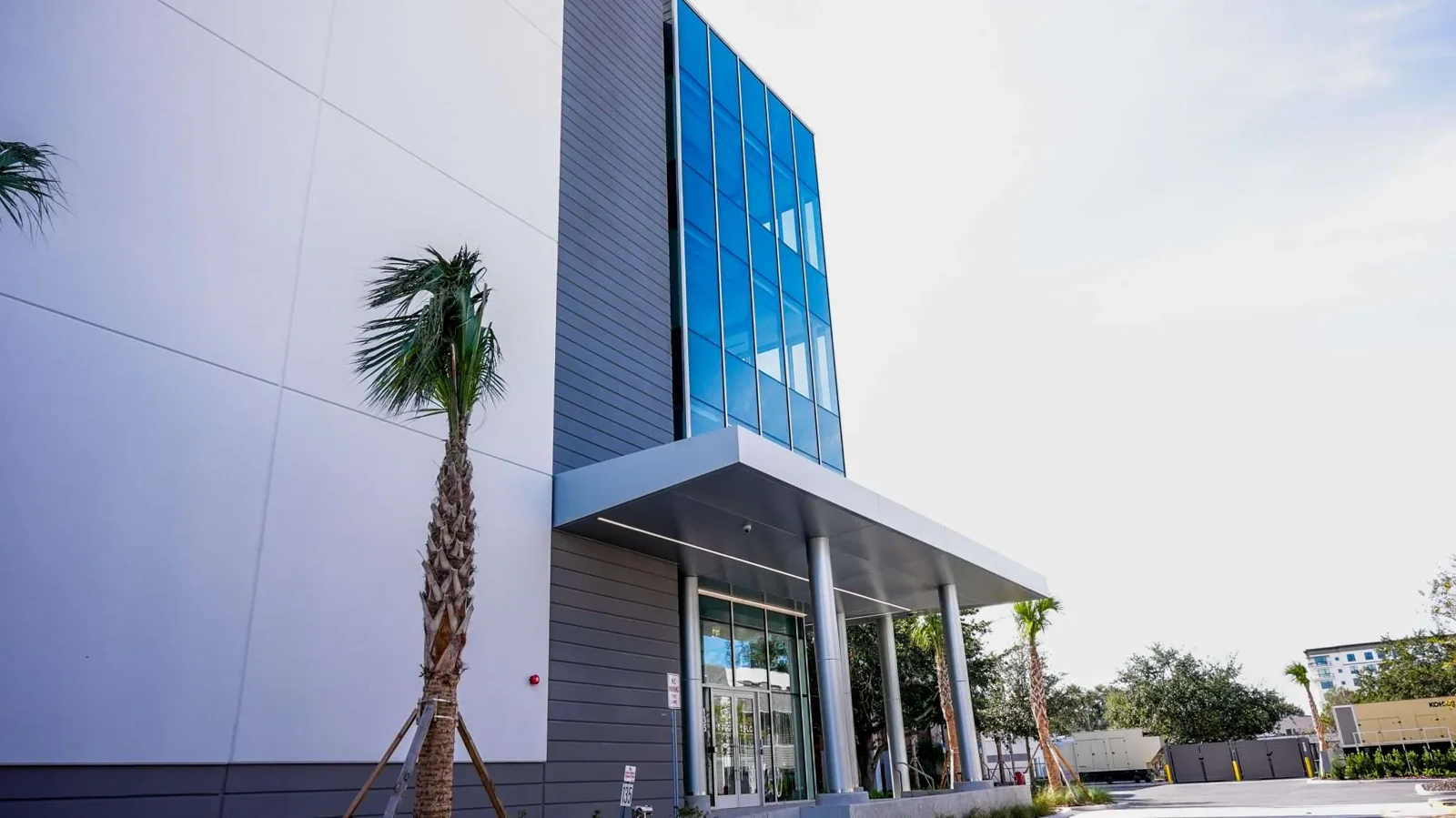
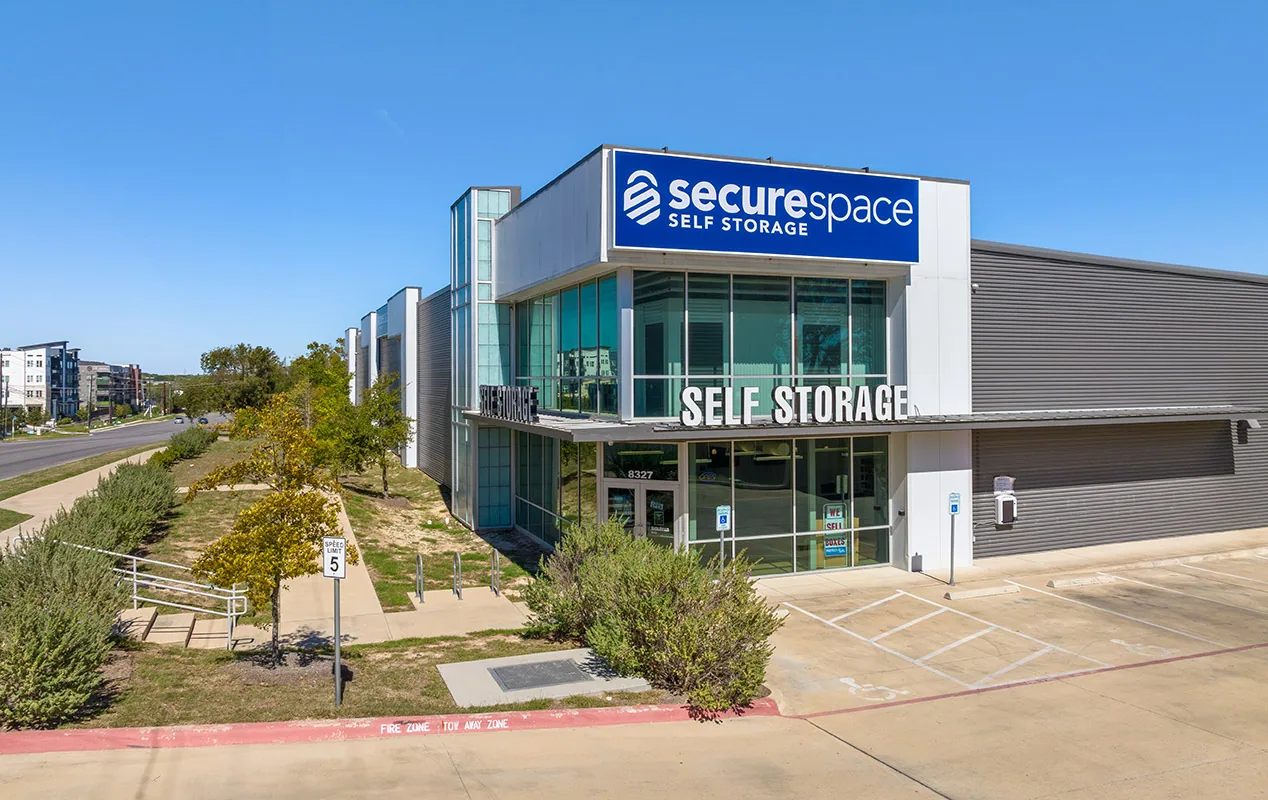
A gym near Victoria Gardens and another on Route 66 may have different landlords and site contacts. We confirm the address and the approved unloading spot before ordering materials. Members use the front entrance, so roofing deliveries usually go through the back or side. We share our staging, lift location and debris route for approval, and the price includes the handling that plan requires.
Our downtown Rancho Cucamonga roofing estimates list that setup next to the roof work. A longer carry or an extra lift move adds labor, and we spell it out rather than leaving it off the estimate.
The club names someone who can change the plan if parking or member traffic changes. Another section of the building may need its own access. Equipment and materials arrive only once the approved spot is ready, and any landlord approval is noted where it applies.
Planning Around Member Hours
We explain what's coming off the roof, what's being rebuilt and how materials move. The club decides which rooms and walkways are affected and approves barriers and protection. HVAC shutdowns and restarts are approved by the club and handled by its mechanical contractor. A studio, pool area or locker room may need a separate phase. We provide our footprint so those choices are made against the actual work.
When reroofing occupied buildings like an open gym, the approved schedule is part of the price. Early-morning and evening peaks often shape when the noisiest work happens. If the club changes its plan, we show how it affects staging and cost.
Each area is cleaned and handed back as agreed. If an HVAC unit still needs to be restarted by another contractor, that's noted next to the finished roof work. The club and owner can see clearly what's done and what's still waiting.


Repairs Tie Into Sound Material
We identify the roof material and any old coatings at the damaged spot, then check the surrounding area and the room needed for a lasting repair. A seam repair is different from a wall flashing that has to be rebuilt. New material must be compatible and installed per the manufacturer's instructions. We measure what has to be removed or rebuilt and explain why.
Penetration and flashing repairs at walls, skylights and HVAC curbs start with what's there now. If a stucco wall or equipment curb needs another trade first, we agree on the sequence before the roof work depends on it.
For new rooftop units, we compare the planned location and size with the roof and the space needed for flashing. Supports and connections belong to the mechanical contractor. We coordinate before the unit is set, and if a curb is left open between trades, we agree on temporary protection.
Larger Projects Include the Edge and Drain Work
If the club or owner is considering a recover or full replacement, we figure out what we need to know about the existing roof. Test cuts need approval and protection. Each core describes its own spot, so a larger decision needs testing across the area. An engineer reviews any structural questions before we price a method.
We compare the new roof height with drains, walls and curbs, and the changes go with the option that needs them. A recover includes prep and attachment; a tear-off adds disposal and new insulation. Approved access and HVAC coordination are included so the full cost is clear.
Properties like a shopping center or medical office have different operators. This gym's work rests on its own measurements and approvals. A small proven repair stays separate from a larger project that still needs testing or a decision from another trade.
Permits, Weather and the Closeout
We confirm design review and permit needs for the address and scope, and how California's Title 24 energy rules and exceptions apply. Rancho Cucamonga's heat and winter rain guide the schedule, and we watch Santa Ana wind forecasts before handling material. Installation waits for a dry surface and the right conditions. If a related task leaves a connection open, we keep it protected.
The club can call about an urgent leak overnight, on a weekend or on a holiday. Tell us where it is and who can let the crew in. What we can do right away depends on crew availability, access and safe conditions. If we make a temporary repair, we explain the permanent fix still needed.
If hidden damage turns up, we show you exactly where it is and how we'd fix it, with the added cost and effect on the club's schedule, and wait for approval. You get photos, a materials list and the approved changes. Open HVAC or wall items stay on the list, so later reviews can see what's finished and what's still pending.
Commercial Roofing Questions
What should a gym's leak report include?
The room, when it leaked and any recent HVAC or plumbing work. We compare that with what we find on the roof. If a duct or condensate line is the cause, the HVAC contractor takes it.
How do you get materials onto the roof without disrupting members?
The club approves a delivery and staging spot, usually away from the main entrance. If that spot requires extra handling, it's included in the price.
Who decides which areas are closed during roof work?
The club manager reviews our footprint and approves barriers and protection. HVAC shutdowns and restarts are handled by the club's mechanical contractor.
Why might a small roof repair grow?
The repair has to tie into sound material. Old coatings or worn membrane around the damage may need to be removed or rebuilt. We measure that before pricing.
How do you compare a larger roof project for a gym?
With testing across the area, changes at drains, walls and curbs, disposal and approved access. Anything still uncertain is kept separate from work ready to approve.
Get the Gym Roof Findings and Full Repair Cost
Book a roof walk with your club or property manager. We'll explain the repair needed now and what to check before choosing a larger project.