
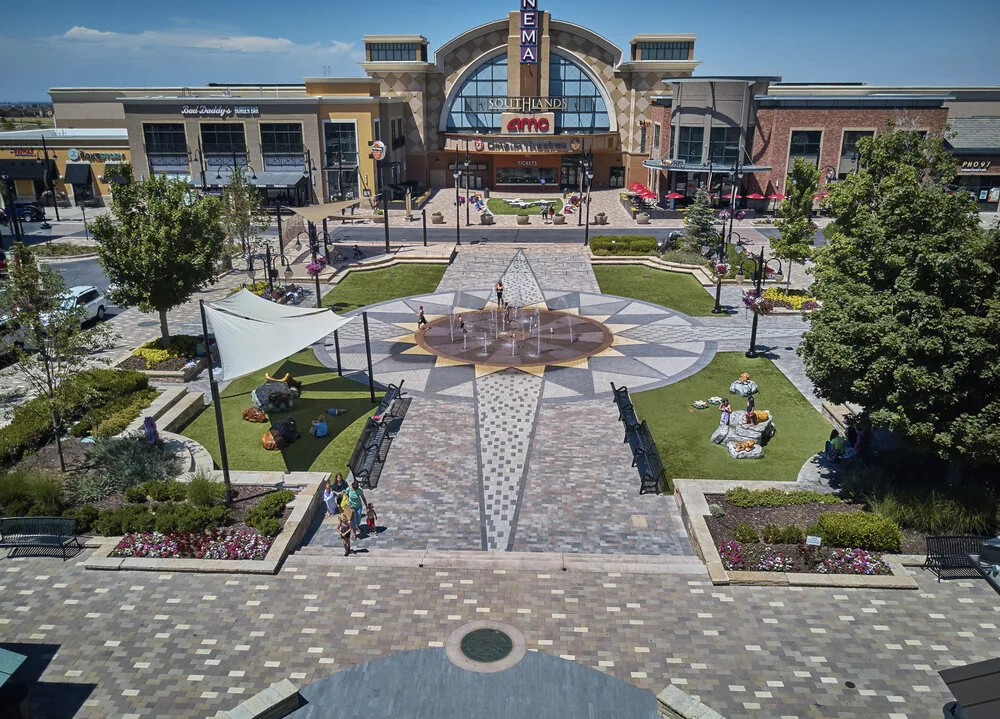
Shopping Center Roofing in Rancho Cucamonga, CA
On a shopping center near Victoria Gardens, where should the roof repair stop, and which tenant has to approve the work for it to happen? The owner needs both answers before comparing prices. Shopping center roofing in Rancho Cucamonga, CA, identifies the roof section and the material the repair will tie into. We explain the repair and how crews will get to it. A different tenant's roof or equipment issue stays separate if the facts or timing differ.
A center-wide budget still needs separate quantities for each building. The measured repair and its access plan should be visible before wider work is approved.
Matching the Tenant's Leak to the Roof
We get the tenant suite and room, plus when it leaked. Then we inspect the roof above and around it. An addition or older recover may be a different roof system, so we match drawings and product records to the actual section. Where the leak shows up helps us look in the right place, but it doesn't set the repair size by itself.
Our leak repair work locates the problem the repair will fix. If a storefront, wall or tenant HVAC unit could be the cause, we flag it for separate checking.
Close-up photos come with wider shots and measured locations, so the property manager can find the same spot later and compare future reports. The recommendation explains what supports it and what else needs checking before a larger scope.
Shoppers Change How We Work
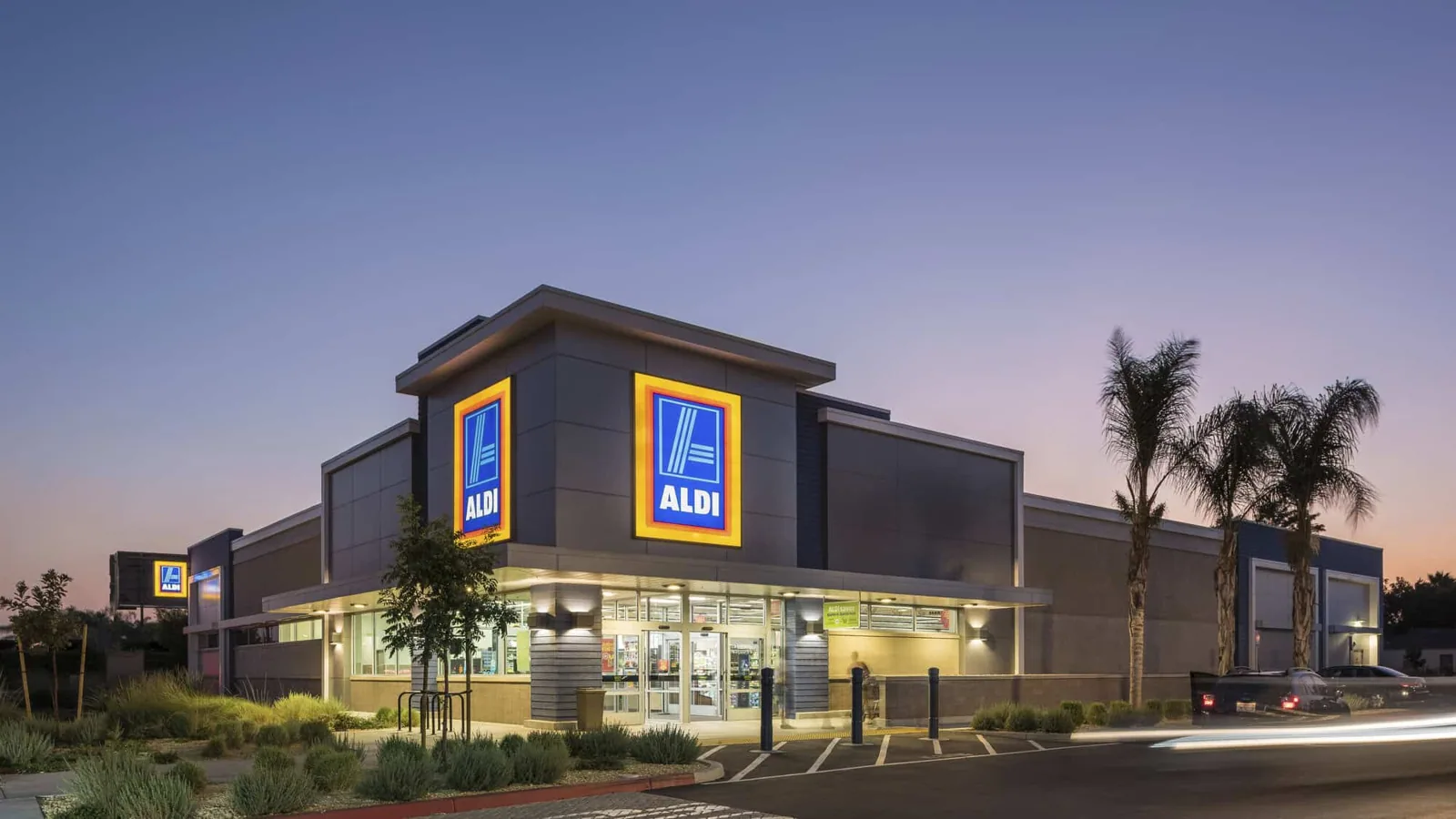
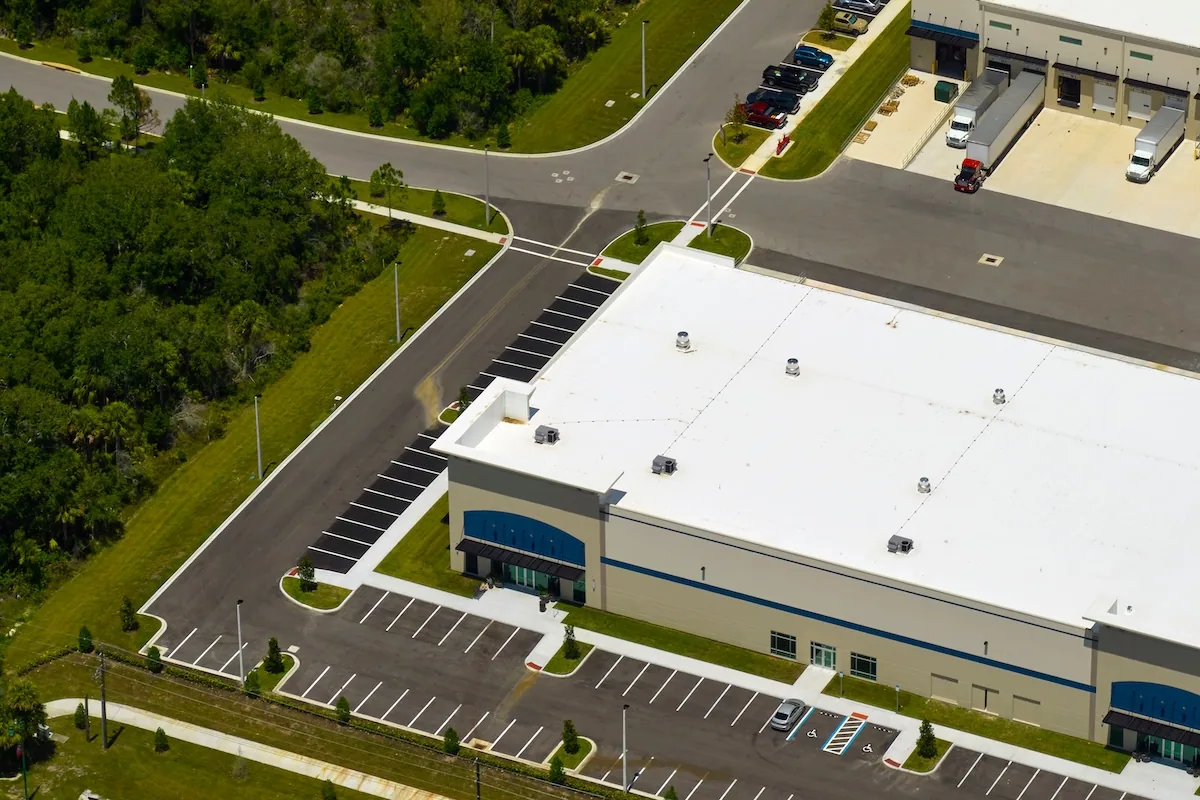
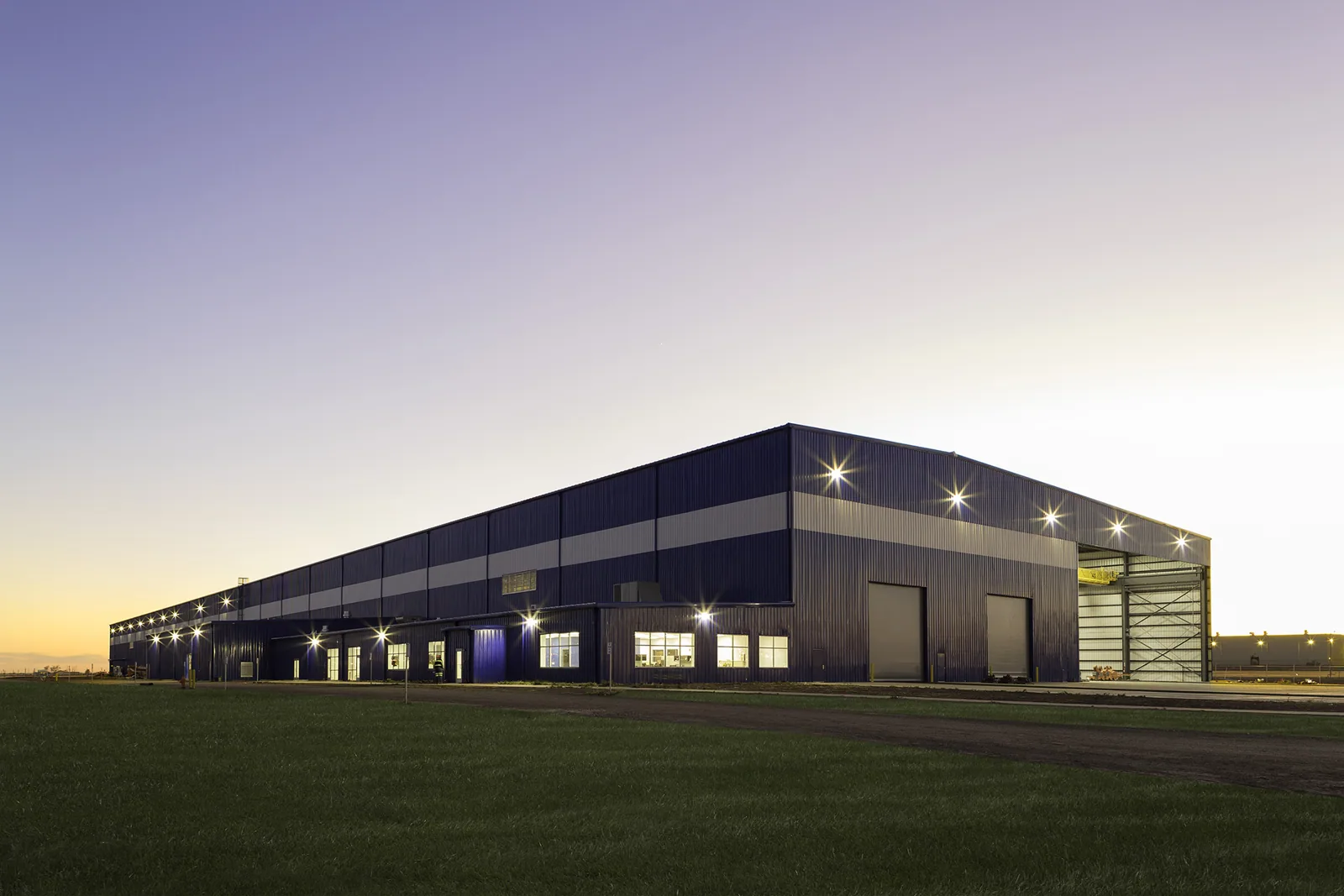
Victoria Gardens is the city's main open-air shopping and dining center, and centers nearby follow similar patterns. Each project needs the property's contact and the specific building. Management decides how shoppers and tenants move around our work. We show our staging, tear-off and material route for review. Another entrance may need a different plan instead of copying the first one across the property.
Our downtown Rancho Cucamonga roofing estimates follow the approved unloading spot up to the roof, with extra handling or lift changes included. The price reflects the method management approves.
A center at Ontario Mills would have its own contact and rules. An owner can compare projects across centers while keeping each roof and quantity separate. Each property decides its own construction entrance and barriers.
Property management should point out tenant deliveries, walkways and emergency access before materials arrive. When the work area moves, the site notice and detour for customers are updated. A center can stay open during roof work, but noise, overhead work and temporary closures still need managing. We record who approved the route at the start and end of each shift, so the next crew doesn't assume yesterday's plan still applies.
Repairs Need Sound Material
We identify the roof material and check the area around the damage. Old patches or worn membrane change the prep. A lasting repair needs solid support and enough sound material beyond the defect. We measure what has to be removed or rebuilt, and if an old coating's makeup is unknown, we say so before choosing how to seam it.
Commercial roof repair includes that prep in the price. We explain why the measured repair is bigger than the visible hole, and the owner can see exactly what's included.
A parapet, edge or drain may be part of the same repair. Clearing a clogged drain is maintenance; rebuilding a damaged one is a repair. Changing drainage may need a plumber or designer, and we keep that separate from the roof work rather than treating it as ready to install.
Tenant Equipment and the Roof
When a tenant adds or changes a rooftop unit, we compare its size with the roof and the planned roof height. The tenant's mechanical contractor and engineer handle supports and connections. We tell them how much room the curb flashing needs. A bigger curb can change prep that worked for the old unit, so we coordinate before it's set.
Our rooftop equipment curbs and supports work includes that prep. If a curb sits open between trades, we agree on temporary protection and who's next. The tenant and management approve shutdowns and restarts.
A different tenant's schedule may change the approved access or barriers. We name who can revise the plan. A unit arriving on site doesn't mean the electrical and mechanical work is ready. The owner sees what's actually ready before materials and equipment are committed.
Testing Before a Larger Project
Hidden layers can decide whether a roof can be recovered or must be torn off. We explain what to test and take approved cores across the area, recording what we find and patching each one. Larger areas need more testing, and an engineer reviews structural questions.
We compare complete options. A repair includes prep. A recover needs a sound roof underneath. A tear-off includes disposal and rebuilding. A thicker roof changes drains, parapets and curbs, and those changes go with the option that causes them.
Big-box stores and restaurants in the center often have their own operators. The shopping center budget keeps each section's findings and approvals separate, while the owner compares costs across the property.
Permits, Weather and the Closeout Record
We confirm the review the tenant phase needs before it starts. The address, scope and California's Title 24 energy rules shape that review, including any exceptions. Seasonal heat and rain guide scheduling, and we watch Santa Ana wind forecasts when moving material. Each surface must be dry and ready, and tenant work that leaves an opening gets protected.
Leaks can be reported at night, on weekends or on holidays. Tell us the tenant space and who from management can provide access. What we can do right away depends on crew availability, access and safe conditions. If it's a temporary fix, we explain the permanent repair still needed.
If tear-off reveals more damage, we show which tenant space is affected and how we'd rebuild it, with the cost and schedule change, and get approval. The closeout record keeps approved changes with product and detail information. Open tenant equipment items stay assigned, so the next review has a clear starting point.
Commercial Roofing Questions
How do you identify which roof area a repair covers?
We use the tenant suite and roof section, with measured findings and photos. If another cause or material is uncertain, we list the check needed before pricing it.
How does shopper traffic affect the roof price?
Management approves our barriers and material route. If that requires extra handling or a longer schedule, it's included in that building's price.
What should happen before a tenant adds rooftop equipment?
We compare the unit's size with the roof height and flashing space. The tenant's contractors handle supports and connections, and we agree on protection for any open curb.
When is a larger shopping center roof option ready to compare?
When testing covers the area and the price includes prep and the drain, parapet and curb changes. Unconfirmed areas stay separate from proven work.
What should be kept in the shopping center's roof file?
Photos of finished details, installed products and approved changes, plus any open tenant or wall items. Future leak reports can then be compared with what was fixed.
Get the Shopping Center Roof Scope and Full Cost
Book a roof walk with the property manager. We'll explain the repair needed now and what to check before approving a larger project.