Multi-Site Roof Programs in Rancho Cucamonga, CA
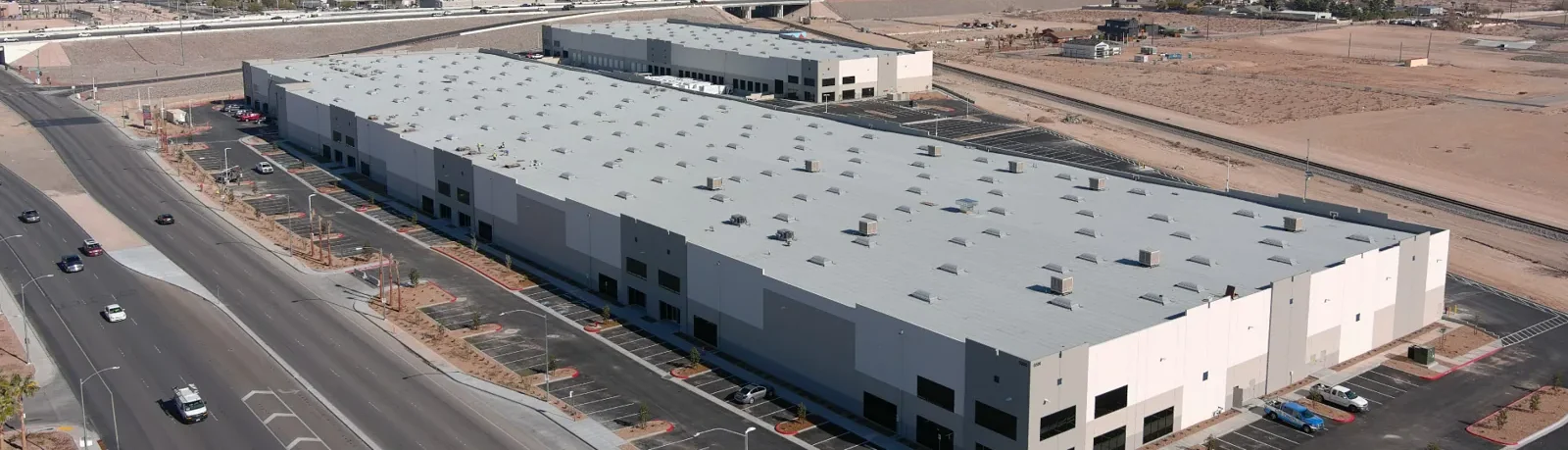
Several commercial roofs can need attention in the same budget year without needing the same correction. A distribution building near Milliken Avenue may have a damaged connection awaiting investigation. A retail property can need an access plan before its detail work is priced. Our multi-site roof programs keep those tasks tied to the findings and operation at each address.
For an owner reviewing buildings in Rancho Cucamonga, CA, common records make the next decisions easier to compare. Each roof retains its own assembly, quantities and working restrictions. The expense follows the work supported at that property rather than a standard scope applied to every location.
Each Building Keeps a Findable Roof Record
Identify the properties included and the roof sections being managed. Separate levels, additions and known material changes receive their own references. Installation documents retain their source and date. Earlier corrections connect to the location they affected, with equipment changes added to the same history.
Building roof records make that information useful to another manager or service team. Keep current operating contacts and access arrangements with the building. Mark construction questions needing assessment before selecting a permanent correction or retained-layer option. The program can then compare decision status while preserving the evidence available at each roof.
Restricted areas remain visible in the record. Assign the access task relevant to their examination rather than leaving the section out of a summary. Management can understand the assessment limit and arrange the visit needed where that question affects the proposed expense.
Use a shared identifier for each property and roof section, then map it to the operator's own building name and service address. Record the source and date for each field so portfolio users can see when information was last checked. Normalize task status carefully: a completed inspection, temporary leak response, approved repair and finished reroof are different events. A consistent record enables prioritization across sites without making unlike scopes appear equivalent or carrying an old condition forward as though it were current.
The Findings Support a Task at the Actual Roof
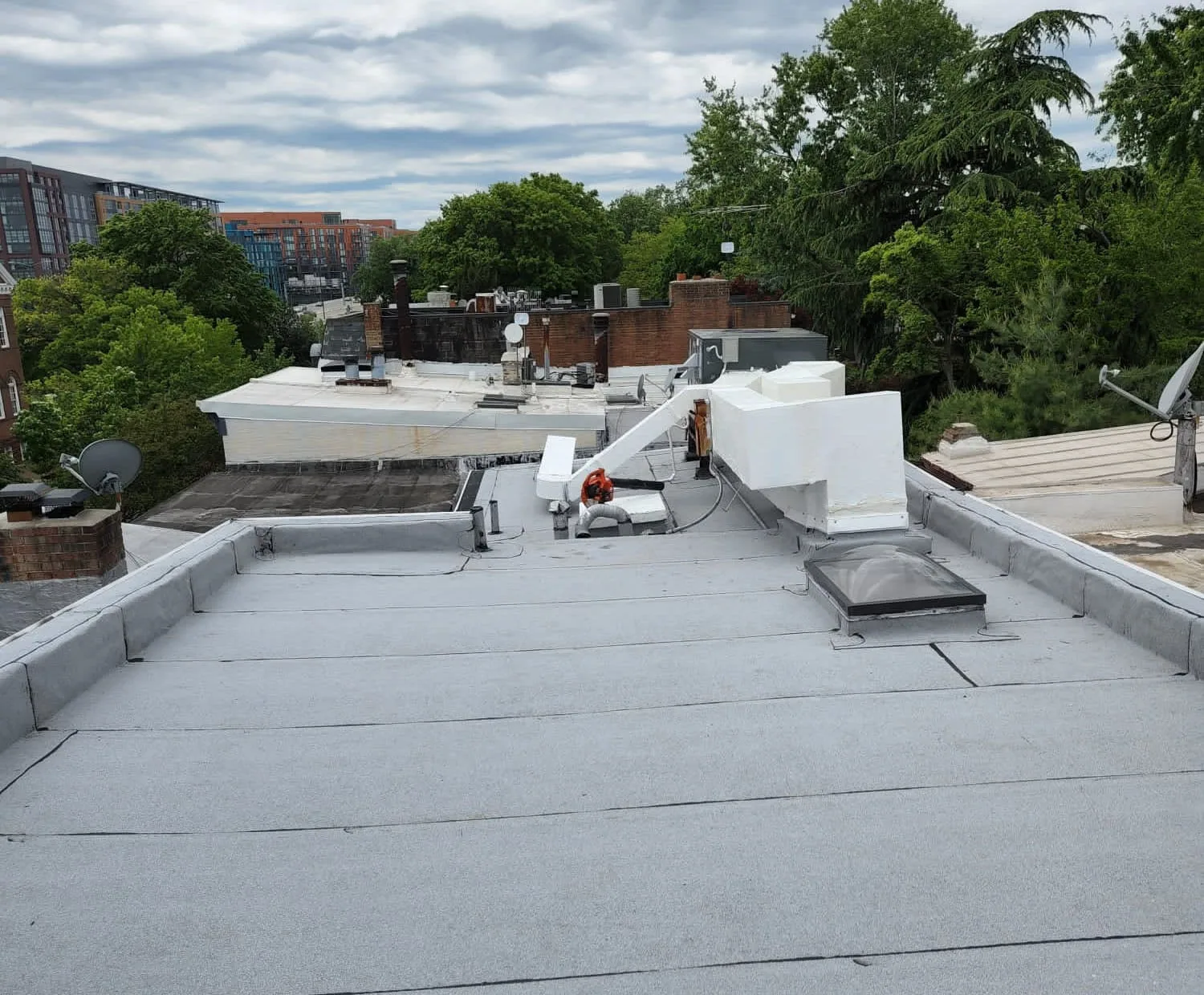
Dated condition assessments locate accessible defects and the construction relevant to correction. Examine suitable material around the boundary and supporting details where they affect the connection. A related equipment or wall concern receives its own review responsibility. The owner sees how the full task is being developed.
Where concealed layers affect a larger option, select suitable investigation and obtain permission for openings. Samples establish local material and condition. Thermal patterns may direct confirmation under appropriate conditions, with surface variation and equipment effects considered. The report keeps confirmed points distinct from suspected wider extent.
Use evidence sufficient for the area and construction being considered. One property's findings do not establish condition at another building. A shared format organizes the review, while each correction retains the physical basis supporting its own quantity and method.
Completed Service and Permanent Work Have Clear Status
Recorded maintenance describes the task performed and the accessible condition left at its location. Outlet debris may need cleaning while a damaged connection needs construction. A low area or unresolved discharge question can require appropriate further examination. Those different actions remain clear after the visit.
Temporary measures retain their limitations and the next permanent task. A completed service entry should not obscure an unfinished cause investigation. For a water report, compare timing and operation with physical findings. Roof entry, equipment discharge and condensation may need different corrections. The recommendation follows the explanation supported by the evidence.
Assign responsible contacts and approval tasks for work still open. An unavailable operating window can affect readiness without resolving the condition concern. Keep both questions visible so management can arrange useful access or practical protection while the physical scope develops.
Complete Scopes Explain the Expense Differences
Capital scope planning compares feasible choices at each property. Local repair needs suitable receiving construction and a compatible detail. Restoration requires appropriate substrate condition and preparation. Larger removal or retained-layer options carry their supporting assessment and project requirements.
A replacement phase includes removed construction, supporting correction and the complete new assembly. Changed heights can affect drainage, curbs and terminations. Keep handling, occupied protection and other trade work in the estimate. The owner can compare the expense with the physical tasks it includes.
Separate measured quantities from concealed allowances and state a discovery procedure. Locate and document new findings before an expanded correction is approved. The program retains the changed quantity with the roof where it was established rather than carrying an unexplained increase into a group total.
Each Operator Establishes a Practical Work Area
Rancho Cucamonga's industrial activity includes distribution and manufacturing around Etiwanda and Milliken Avenue. At an included building, the operator identifies loading movement, receiving and approved staging. Roof access equipment follows those arrangements. Published floor area is kept separate from the roof quantities measured for the proposed scope.
A retail project at Downtown Rancho Cucamonga requires its own customer routes and occupied-use protection. Another property in Ontario has different operating and receiving arrangements. The project team confirms the rooms and equipment affected by the selected work method before agreeing facility precautions.
Appropriate trades coordinate equipment or air-handling controls with management. Price those tasks with the roof correction and establish when they need to be completed. A common procurement process can support several buildings while retaining the practical restrictions that govern work at each address.
The Sequence Follows Readiness and Actual Conditions
Hot, dry summers and cooler-season rain provide context for planning in Rancho Cucamonga. Actual forecasts, safe access and product application conditions establish usable work periods. Opening limits depend on practical protection and available closing details. Supporting design, authority review and related trade decisions are assigned before procurement commits the construction phase.
Priority follows the observed condition and affected use. Explain why a proposed task belongs in the next work period and what information remains necessary. The owner can review protection, investigation and permanent correction as distinct decisions, with their physical purpose and practical requirements clear.
The program records readiness at each roof. A material choice may be established while a receiving route remains unresolved. Another building may need an opening before its allowance can be finalized. Keeping those differences visible lets management approve the task that moves the specific scope forward.
The Finished Construction Remains With the Building
Issued agreement information stays with the installation it describes. Completion photographs identify material and corrected positions. Add authorized scope changes and maintenance guidance. Tasks unfinished by another trade retain their contact and next action. The owner can compare a later finding with the work actually completed and identify the useful decision still ahead.
Commercial Roofing Questions
What makes several property records useful to compare?
Use common fields for roof location, date and next task. Keep findings, assembly information and operating restrictions independent. The owner can then review decision status without treating different buildings as the same construction.
How should priorities be established between roofs?
Use actual condition and affected operation to explain the recommended task. Identify practical protection and useful investigation where needed. Readiness also depends on access and project decisions, so keep those inputs clear beside the physical concern.
Can one material specification settle every roof option?
Each building needs a feasible assembly suited to its construction and applicable requirements. Procurement may be coordinated where appropriate. The support, detail work and operating provisions still follow the actual roof being corrected.
What should remain after several phases finish?
Retain located completion information at each building with approved changes and material records. Keep issued terms and maintenance guidance findable. Outstanding work remains assigned so the next owner review has a clear history and useful task status.
Get the Next Roof Task Clear at Each Building
Arrange a property-by-property review with supported findings, complete scope choices and the operating decisions needed before construction moves forward.