
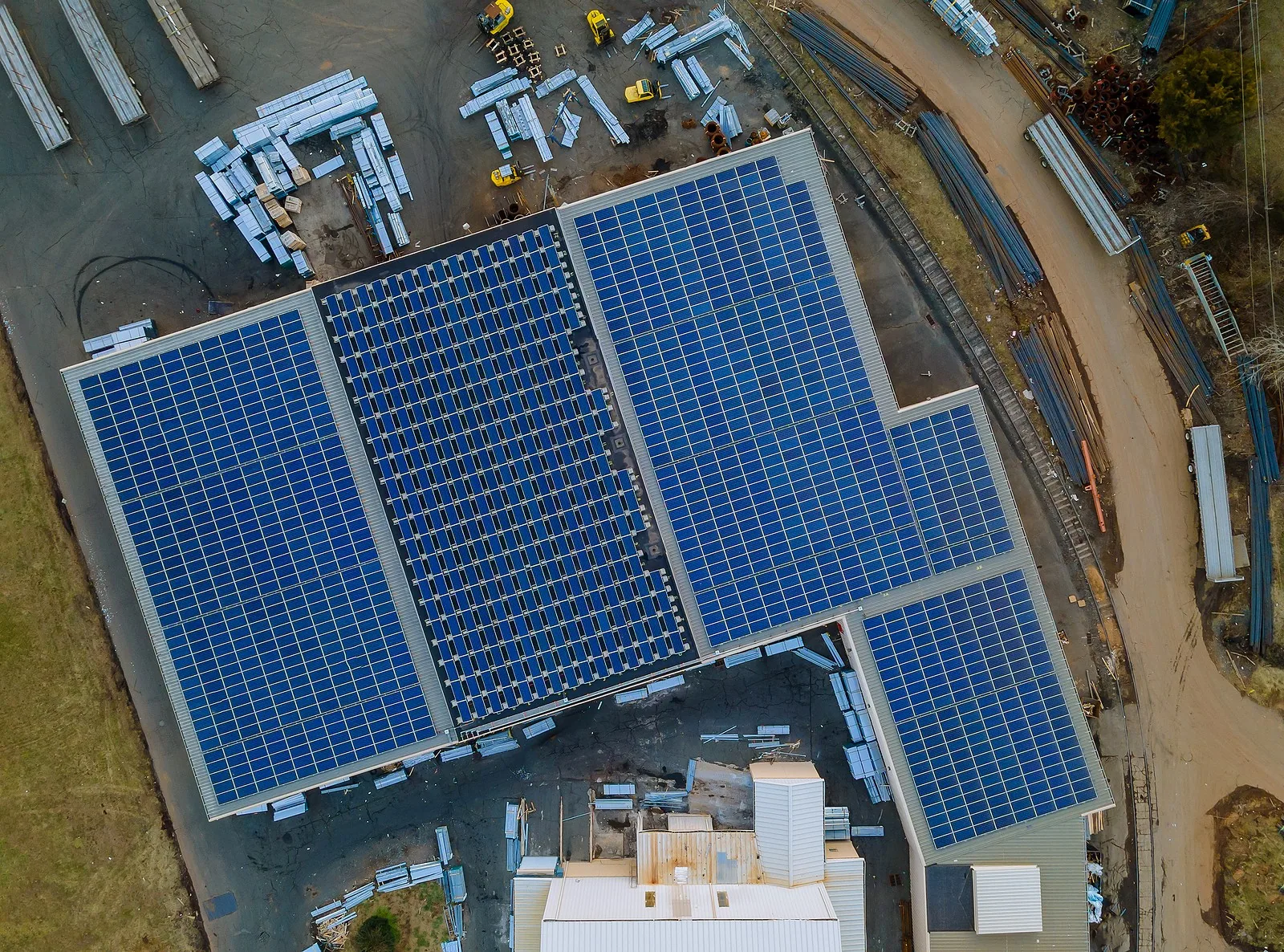
Solar-Ready Roofing in Rancho Cucamonga, CA
A property owner planning rooftop solar needs to settle the roof questions before panels make the surface harder to reach. The decision is about the existing assembly, repair access and the proposed installation interfaces. A useful review identifies work worth doing first and the information needed from the solar team.
Our Rancho Cucamonga solar-ready roofing service defines the roof portion of that plan. We examine accessible conditions and available records, then coordinate the proposed attachment and service routes. Qualified design and solar professionals address their responsibilities. The owner receives a clear sequence for roof investigation, repairs and documentation before the installation schedule is treated as settled.
Examine the roof before committing
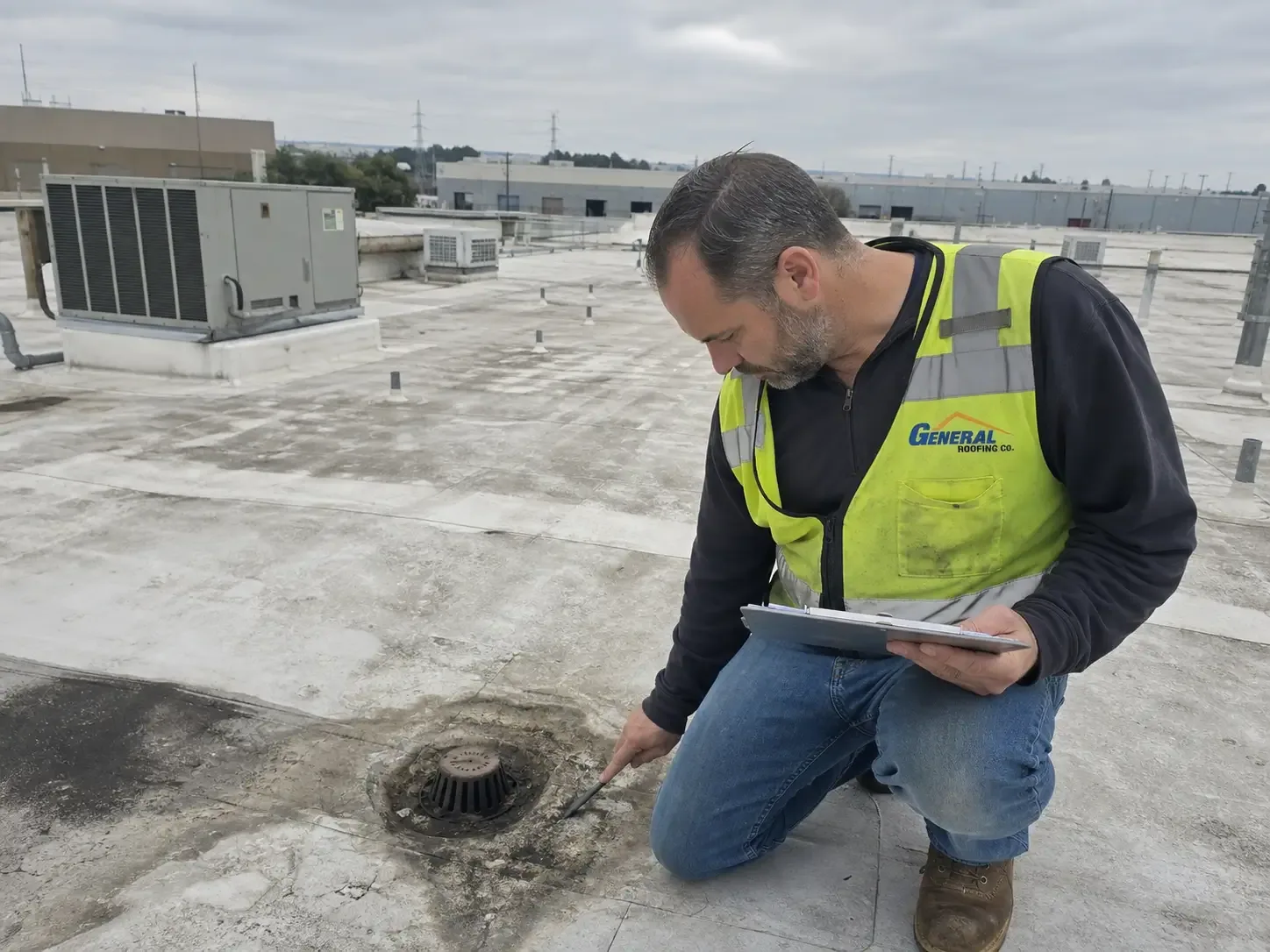
Review previous reroofing, repairs and available coverage documents. An accessible roof walk records membrane, flashing and drainage concerns, with locations that can be compared to the proposed array. Concealed assembly questions may need suitable investigation. A visual inspection alone cannot establish the condition of every supporting layer.
Our roof condition inspection can help establish that initial record. If the findings raise moisture concerns, an appropriate moisture investigation may contribute interpreted and confirmed evidence. The report should identify what remains uncertain, so the owner can decide whether further checks belong before equipment restricts access.
Discuss the remaining roof plan
A roof's installation date is useful history, but age alone does not settle whether it should be replaced before solar. Condition, repairs, intended use and practical access all matter. Compare a defined repair scope with broader work where the findings justify it. Keep the solar project's proposed duration and equipment arrangement part of that discussion without converting them into a promise about roof life.
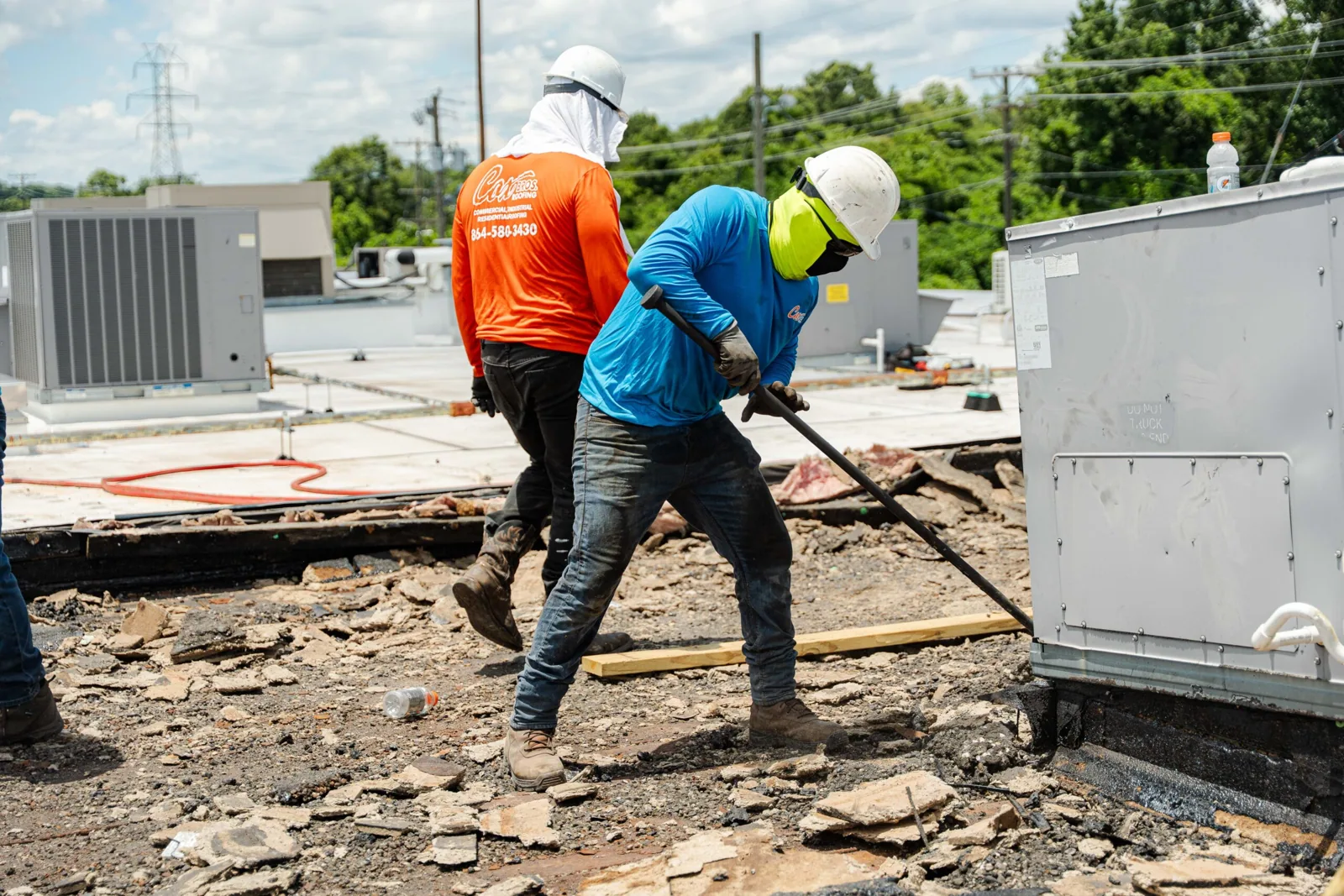
If a replacement project is appropriate, coordinate it with the solar design before materials are selected. If local repair is useful, identify the areas and method. The owner should understand which roof tasks remain likely to require access beneath or around the future installation and how that affects the proposed sequence.
Resolve attachment responsibilities
Solar support and attachment arrangements require qualified structural and system design. The roof contractor's role includes coordinating compatible waterproofing interfaces where appropriate. A ballasted layout still needs loading, layout and assembly review; avoiding a penetration does not remove every roof question. Likewise, a penetration needs a defined supporting and flashing detail.
Obtain the solar team's proposed locations and interface information before finalizing roof work. Our roof support interface service can help clarify the roofing scope alongside the responsible professionals. The written plan identifies who designs, installs and checks each part. That handoff makes it easier for the owner to see an unresolved responsibility before crews begin.
Attachment design needs a coordinated load path, waterproofing detail and equipment layout. The roofing contractor can identify where penetrations affect the membrane and how those interfaces may be flashed, while a qualified design professional addresses structural capacity and the solar provider owns its mounting design. Resolve who supplies each curb, rail, fastener and seal before procurement. A roof described as solar-ready is not a promise that a future array will fit every location; it means the current project records the conditions and open design decisions needed for that later evaluation.
Preserve drainage and access
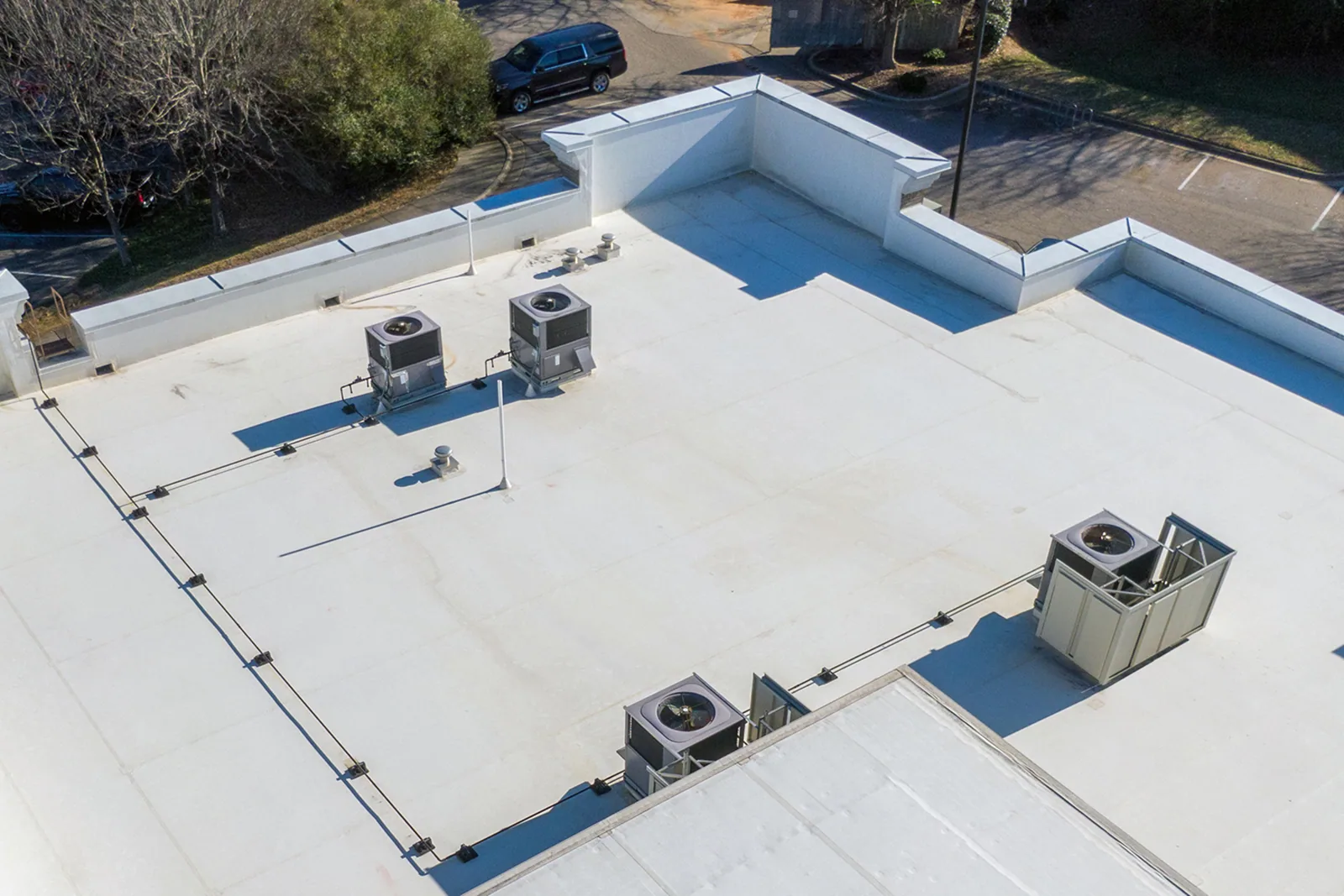
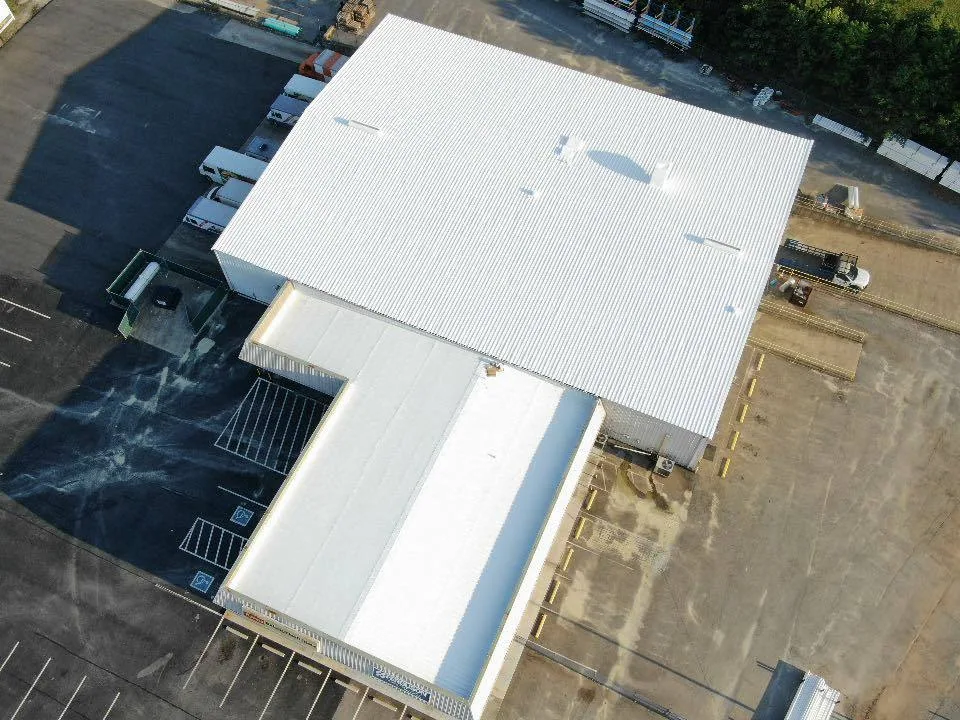
The array layout must account for roof outlets, equipment service and routes needed for examination or repair. Panels and supports can affect how people move across the roof. Locate the existing components and compare them with the proposed arrangement. The roof file should retain that layout rather than leaving future access to a verbal understanding. During planning, ask how a damaged detail would be reached and what equipment might need removal to perform that repair. Identify the responsible contact and the basis for any related work authorization. That discussion can reveal a practical cost or scheduling issue while changes to the layout are still possible. It also gives the owner a reason to compare two arrangements beyond the amount of equipment each places on the roof.
Any drainage correction needs its own measured assessment. Our outlet and drainage work can define necessary roof-side tasks, with other trades involved where appropriate. Keep clear how outlets will be reached and examined after installation. An inaccessible drain can complicate upkeep even when the membrane below the panels was in suitable condition when the project began.
Review documents before changes
Roof manufacturer and workmanship documents may contain requirements relevant to rooftop additions, attachments or subsequent work. Review the actual terms with the appropriate parties before altering the assembly. Do not assume that a particular mounting style preserves every warranty automatically. Keep written requirements and approvals where they apply to the chosen project.
Roof work also needs the applicable permit and energy review for its actual scope. Rancho Cucamonga identifies a 2025 California code basis with local amendments for plans filed from January 1, 2026. Establish the address authority and accepted submission requirements with the project team. Solar documents and roof documents should describe compatible arrangements, especially if the roof scope changes during planning.
Use the site schedule
For a building in Etiwanda, coordinate staging with the operator's truck and equipment routes. Ask which activities occur below proposed penetrations and which service windows need agreement. In a commercial property near Downtown Rancho Cucamonga, tenant access and receiving can influence material movement. Use the actual schedule rather than a generic assumption about the neighborhood.
The work sequence identifies roof preparation, solar tasks and interface checks. Establish who authorizes a change if hidden conditions appear. Temporary protection requires a suitable plan for any openings, with its purpose and limits recorded. A clear sequence helps the owner avoid treating a roof repair as complete while a later installation task will immediately change the same detail.
Keep a combined roof record
Retain photographs before and after installation, attachment locations, roofing materials and relevant completion records from the responsible trades. Include changes from the original layout. The file should make clear which roof areas remain accessible and which tasks require coordination with the solar team. That information supports future upkeep and repairs.
A maintenance plan can examine accessible components and record later changes, with suitable roof and equipment access arrangements. If a new drip occurs, compare the findings with the attachment and repair locations without assuming the solar installation caused it. The owner gets a usable history, helping the next examination focus on evidence from this roof.
Commercial Roofing Questions
Does solar-ready mean replacing the roof?
Replacement is one possible choice when the condition and project objectives justify it. A suitable roof may instead need defined repairs or additional investigation. The recommendation should explain the findings and practical access considerations behind the proposed sequence.
Who checks structural support?
Qualified design professionals establish the support and loading requirements for the proposed installation. Roofing work coordinates the assembly interfaces within that design. Responsibilities should be identified before the mounting arrangement is finalized.
Are ballasted systems free of roof concerns?
Ballast avoids some penetrations but still introduces loading, layout and assembly questions. Drainage, membrane protection and future access also matter. Review the actual system with the responsible professionals rather than assuming no penetrations means no roof coordination.
What happens to existing coverage?
The actual manufacturer and workmanship documents govern their terms. Review requirements for additions and alterations with the relevant parties before work. Keep any project-specific approvals and installation records in the roof file.
What should future maintenance consider?
The plan needs accessible routes, outlet locations and coordinated equipment arrangements. Record inspections and changes against the installed layout. When a roof concern appears, the combined file helps identify what can be examined and which trade needs involvement.
Settle the roof questions first
Arrange a roof review alongside the solar plan. We will explain condition findings, useful repairs and the interfaces that need coordination before equipment goes on the roof.