Commercial Roofing for Chino Industrial Properties
Industrial roofs in Chino tend to be big, low-slope and covered with equipment, and the work underneath them rarely stops. When one leaks, the question is simple: where is the water coming in, what will it take to fix it properly, and is the rest of the roof worth keeping? We answer those three things in writing, with photos, so you can decide with real information.
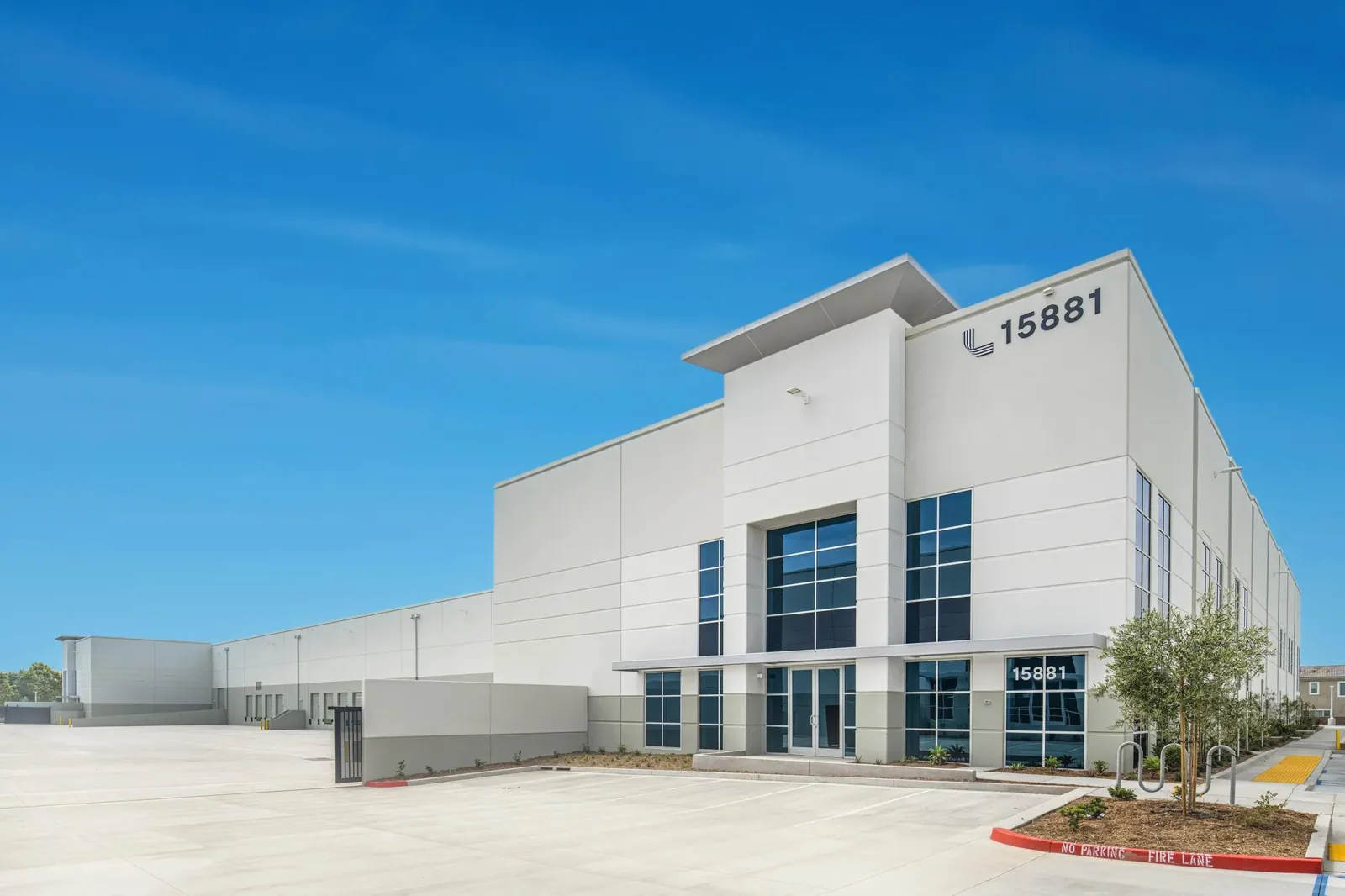
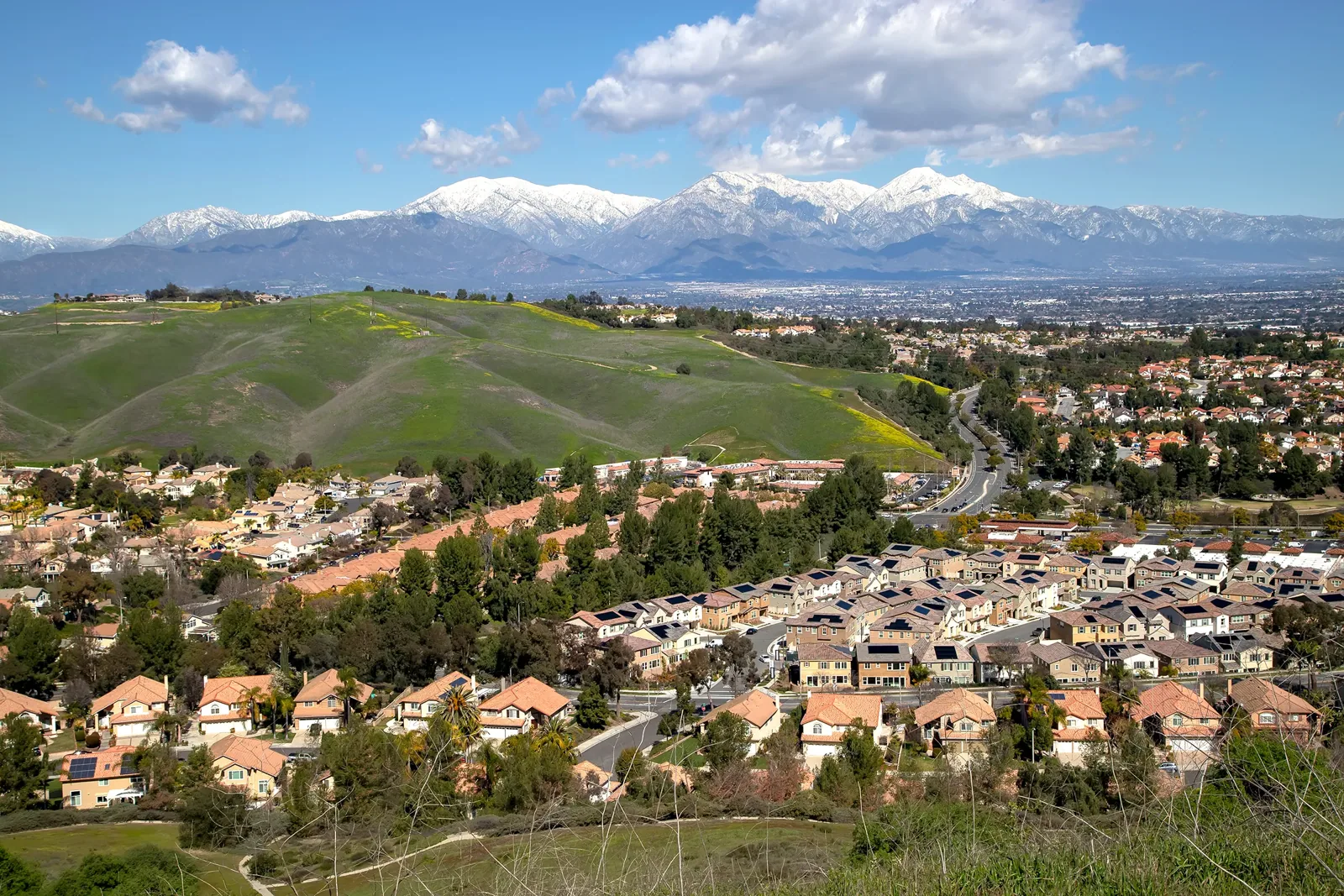
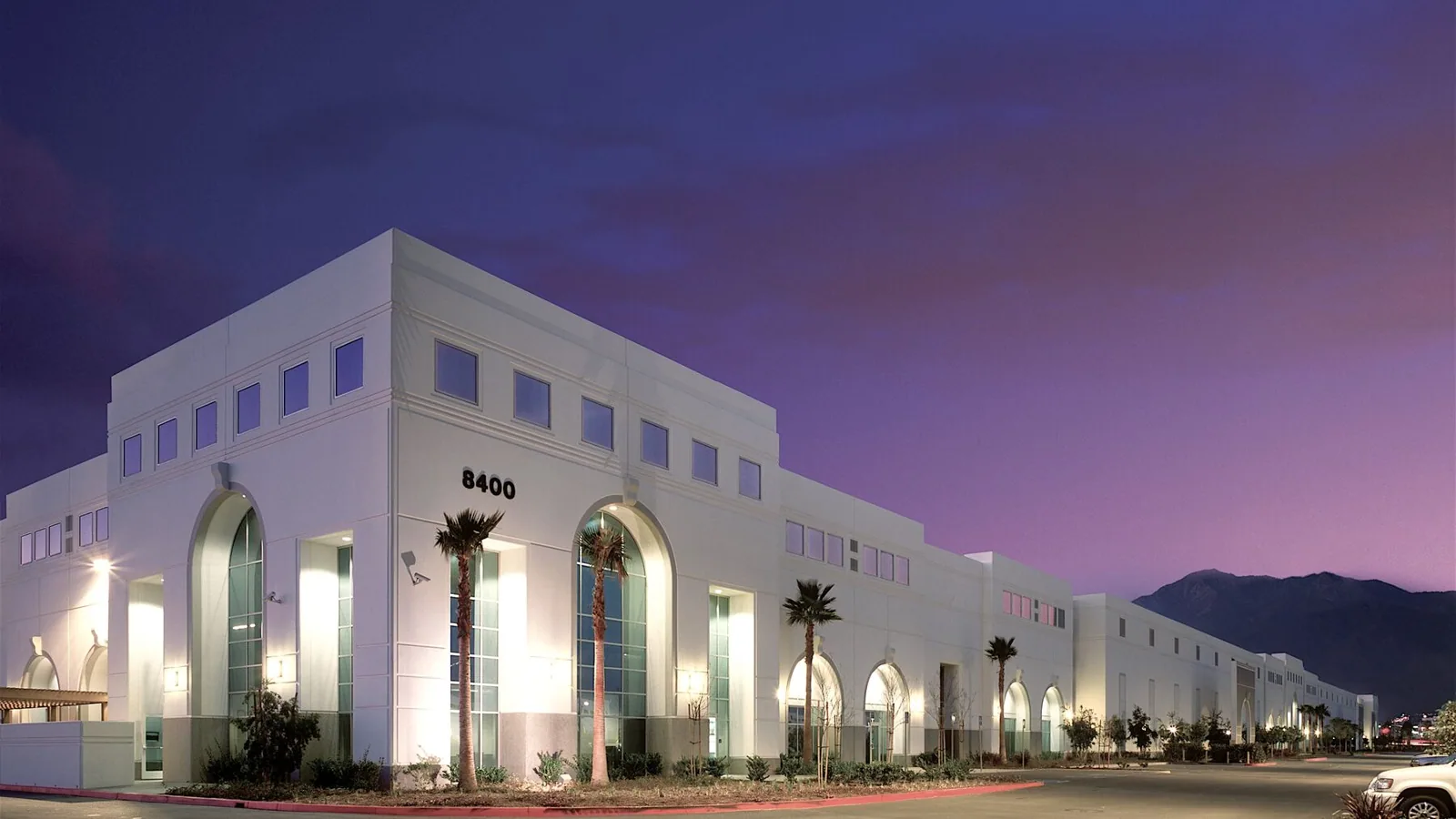
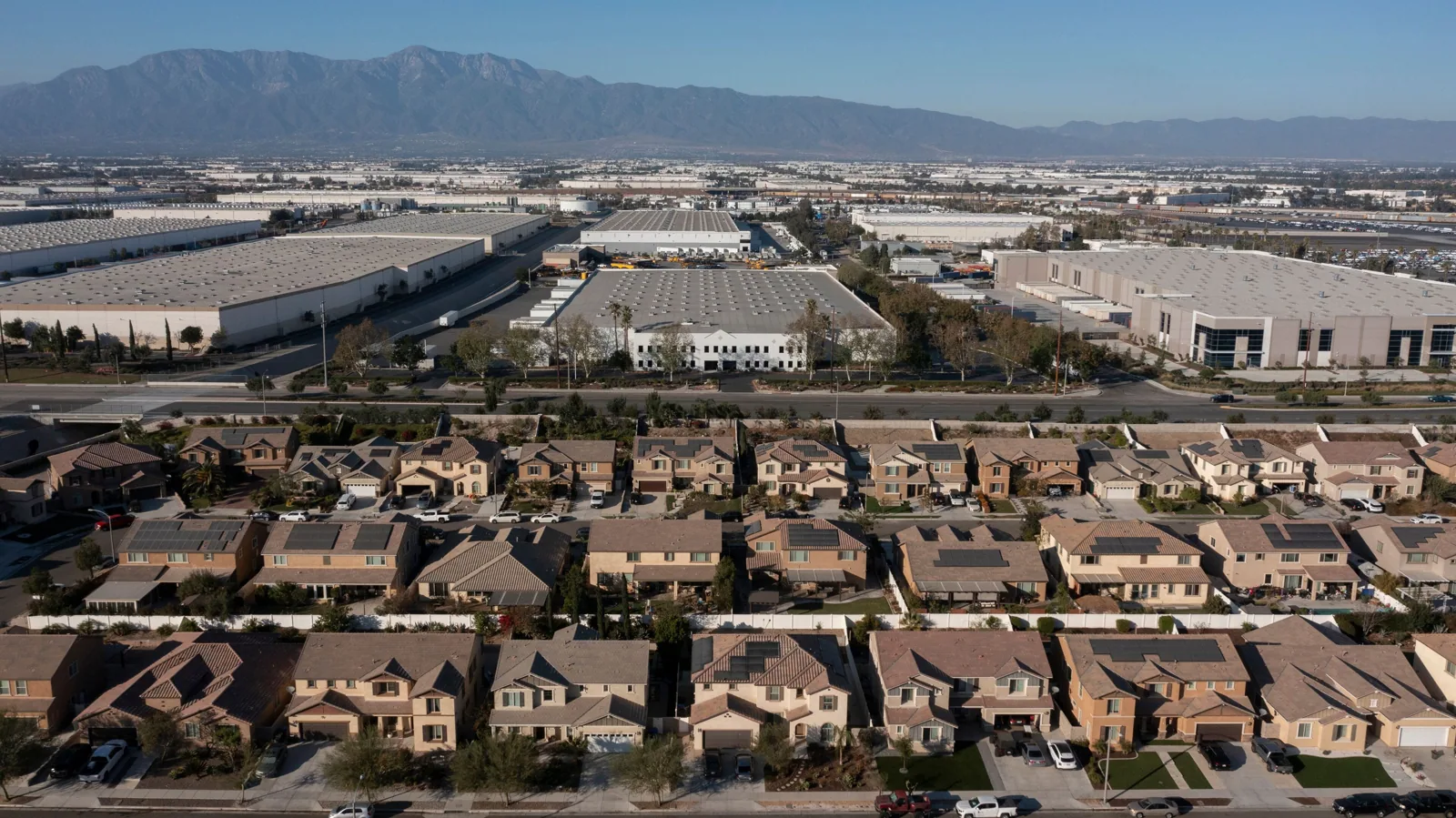
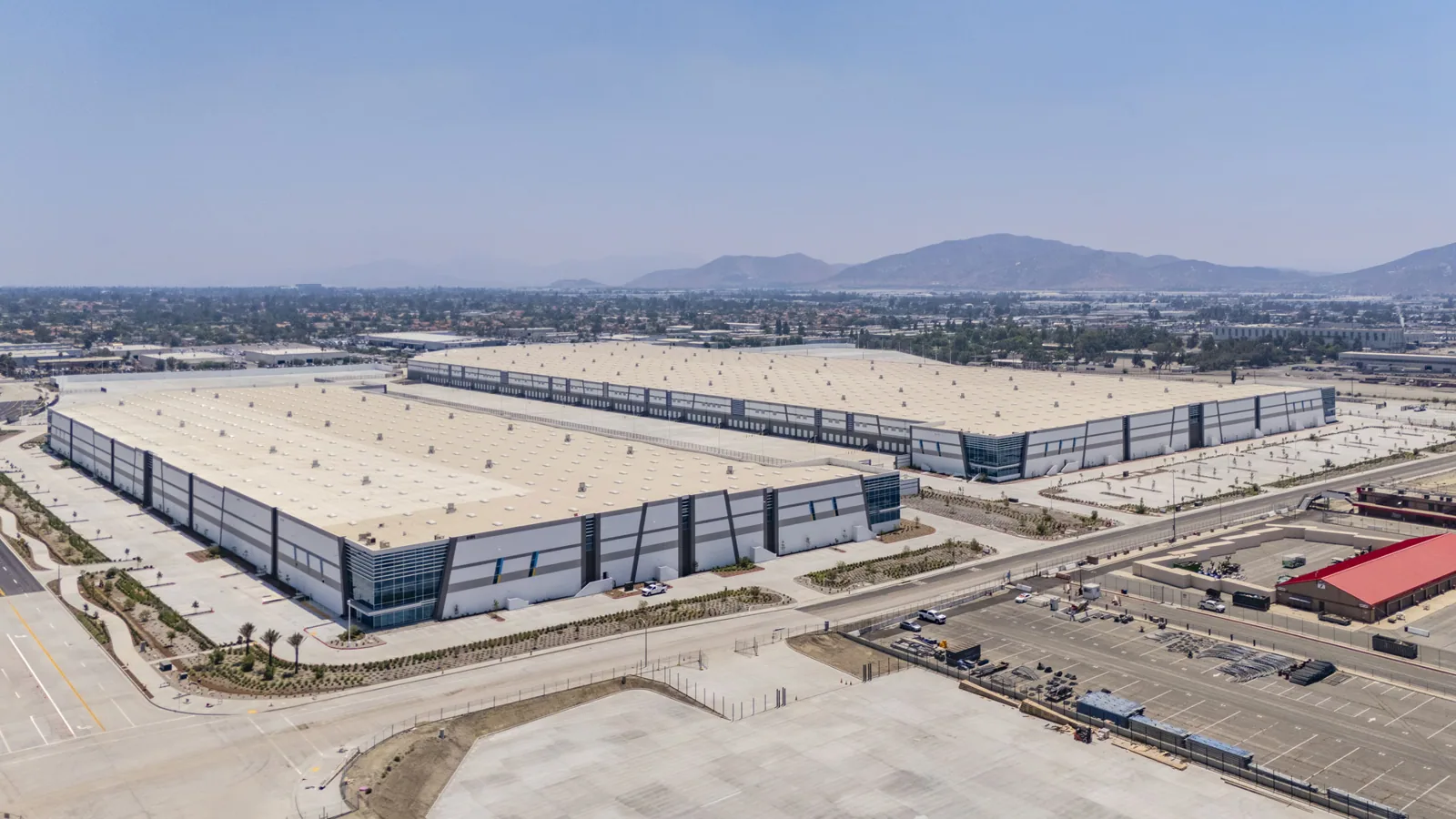
Chino has a long agricultural and dairy history and now mixes industrial areas with suburban development, so we work on everything from older metal shops to newer tilt-up buildings. Each site has its own operator, gate rules and roof system. For any Chino job, we confirm the building, the section of roof involved and who on site can approve work, then plan the visit around your operating hours.
Hangars, shops and industrial buildings
Chino Airport, a county-owned general aviation airport, adds a different kind of building to the mix. An aircraft hangar roof spans a wide open floor, often with aircraft parked directly below, so a leak or a dropped tool is a serious problem.
Access at an airport or a secured industrial yard is controlled. Before we arrive, we confirm escort requirements, gate times, where our trucks can park and whether any areas are off limits. Airport tenants and the airport itself may have their own rules, and we follow them.
On manufacturing and warehouse sites, we ask about forklifts, process equipment and dust-sensitive areas below the work zone. Some floors can simply be cleared under the work area. Others need tarps, a temporary ceiling barrier or work at night. We put those steps in the estimate so the price reflects how the job will really run.
What the inspection covers
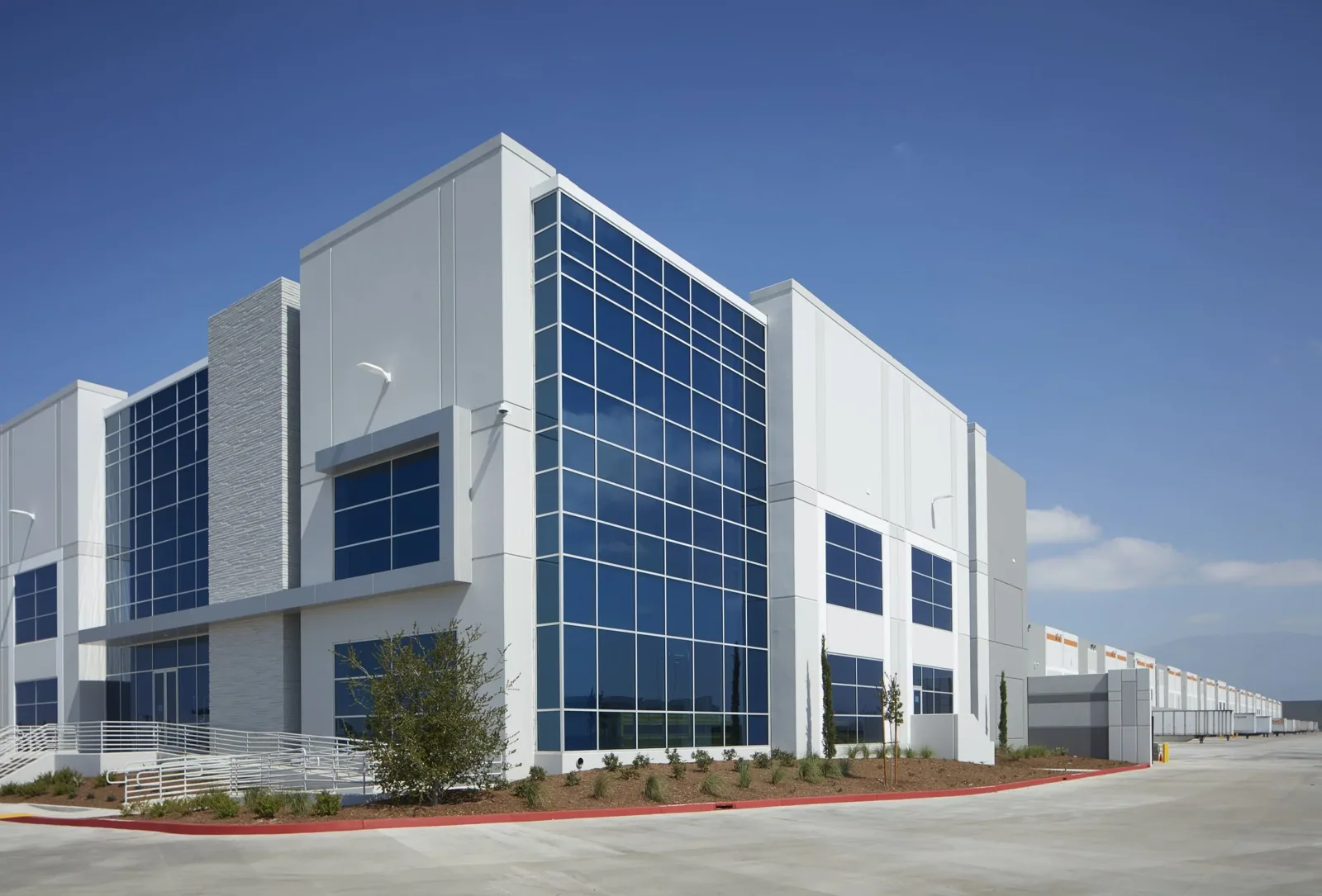
We inspect the full roof: field seams, flashings at walls and skylights, curbs, exhaust fans, drains and edge metal. On a hangar we pay close attention to the large door header and the transition where the roof meets taller walls, since those areas move and often leak. Photos show the spot in context and up close.
A commercial roof inspection also looks for wet insulation, which you cannot see from the surface. Cores tell us what layers are there and whether they are dry. Infrared can point to suspect areas when conditions are right, but we verify with cores before we call anything wet.
If earlier repairs are on the roof, we look at whether they addressed the cause. A seam that has been patched again and again may point to building movement or poor original welding that a new patch will not fix.
Picking a repair that lasts
A commercial roof repair is the right first step when the problem is limited to a few details. We use materials compatible with the existing membrane and run the repair to a solid termination, not just over the visible tear.
When the roof has wider issues, we compare repair, coating, recover and replacement side by side. Each option includes the flashing, edge and equipment work it needs, so the totals are real.
Industrial roofs often have conditions that change the math. Adding insulation raises the roof, which can leave door headers, wall flashings and equipment curbs too short. Some decks need repair before anything new can go on. Penetrations for process piping or exhaust take time to flash correctly. We point out where those costs come from so you are not surprised by them later, and so a low bid that skips them is easy to spot.

How we work on an active site
When process equipment or HVAC is being added, moved or removed, the equipment supplier and any engineer set the size, weight and supports. We flash the curbs and supports after they are installed and inspected. When something comes off the roof, we fill the opening with new deck and insulation before sealing it.
We schedule our work after the other trades finish, so the roof is not cut open a second time.
Drains on industrial roofs collect dust, debris and sometimes residue from exhaust fans. Routine cleaning is part of maintenance. If water keeps ponding, the cause might be slope, deflection of the deck under heavy equipment or a blocked line inside the building. A plumber or engineer may need to weigh in on fixes, and we keep that pricing separate from the roof work.
The cost of waiting on a leak
Water inside an industrial building can come from many places: the roof, a leaking wall panel, a skylight, a process line or condensation from cold equipment in a warm building. When your staff notes where the water appeared, when and in what weather, it saves time. We check the roof paths and tell you if something else looks like the more likely source.
Leaving a leak alone can soak insulation, rust the deck and damage stock or machinery.
The region is hot and dry in summer, with most rain coming in the cooler months. That makes summer and early fall good times for planned work. Santa Ana winds can pull at loose edge metal and flashing, so those are worth checking afterward. Permits and energy requirements depend on the building and the scope, and we confirm them with the City of Chino before ordering material.

Paperwork you can use later
We also work throughout Chino and along the Ontario logistics corridor, and each building gets its own plan. For emergencies, we make the roof watertight first and follow up with a permanent repair and a written summary of what is still open.
If opening the roof turns up hidden damage, we photograph it, explain the added work and price, and wait for approval before continuing.
When the job is finished, our roof condition reports list each repair location, the materials used and before-and-after photos. Items that still need attention, like a curb to be replaced with the next HVAC change or a section of deck to monitor, are listed with a suggested next step. That gives your facilities team a usable history for budgets, insurance questions and the next inspection.
Commercial Roofing Questions
Can you work on a hangar with aircraft inside?
Yes, with planning. We confirm what can be moved, protect what cannot and follow the airport's access rules. Work over parked aircraft is scheduled with the operator in advance.
How do you know if insulation is wet?
We take small core samples where the surface or an infrared scan suggests a problem. The cores show the layers and whether they are wet, and we patch them the same day.
Will a recover cause problems at the doors and curbs?
It can, because new layers raise the roof. We measure door headers, wall flashings and curbs before recommending a recover and include any changes in the price.
What do you need from us before starting?
Access and escort rules, the hours that work for your operation, what sits below the work area and who can approve changes on site.
Get a written answer for your Chino industrial roof
Schedule a roof walk. We will explain what we found, what it will cost and how the work fits around your operation.