
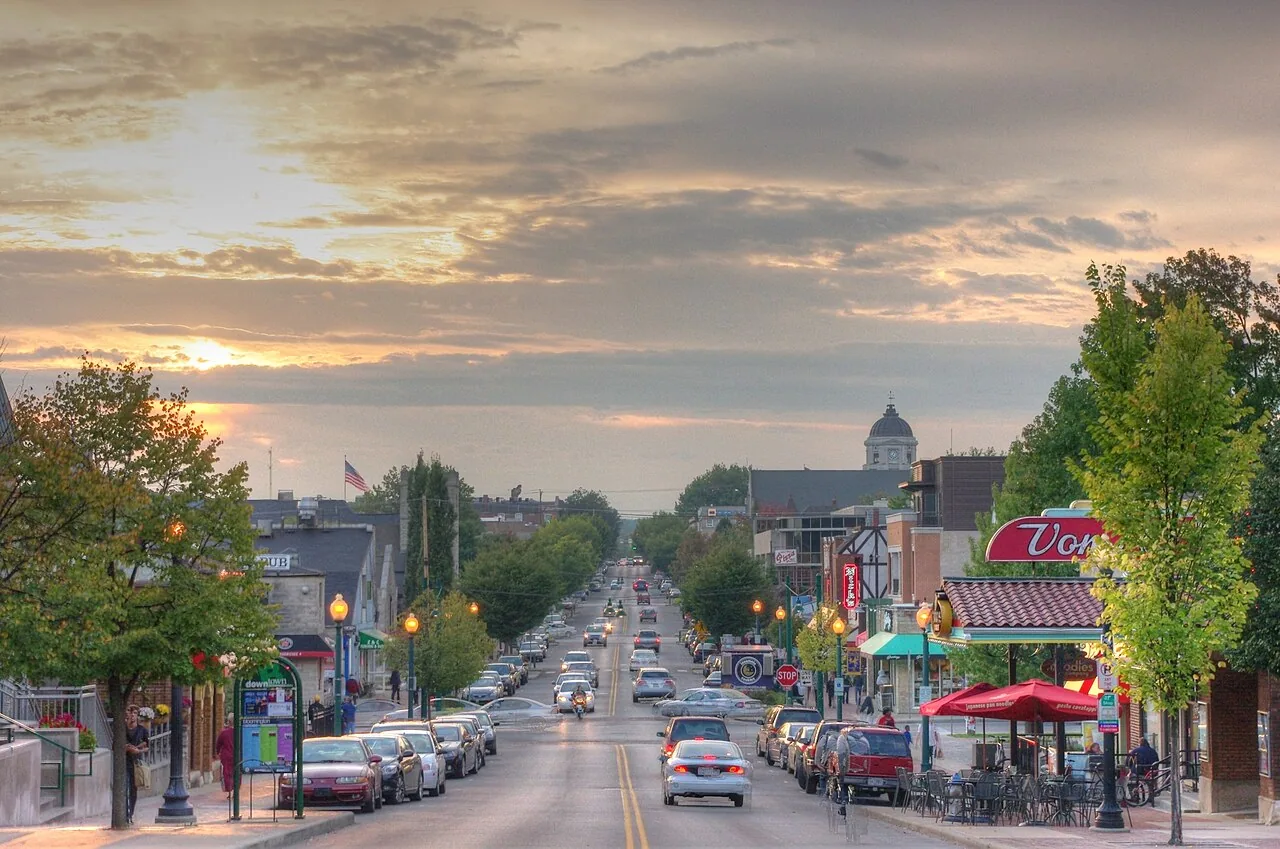
Commercial Roofing in Bloomington, CA
Most commercial roof calls in Bloomington start the same way: a stain on a ceiling tile, a drip near a dock door, or a tenant who noticed water by a rooftop unit. Our job is to find where the water is actually getting in, fix that spot properly, and tell you plainly whether the rest of the roof is in good enough shape to keep. Sometimes a small repair is the right answer. Sometimes the roof needs a closer look before anyone spends real money.
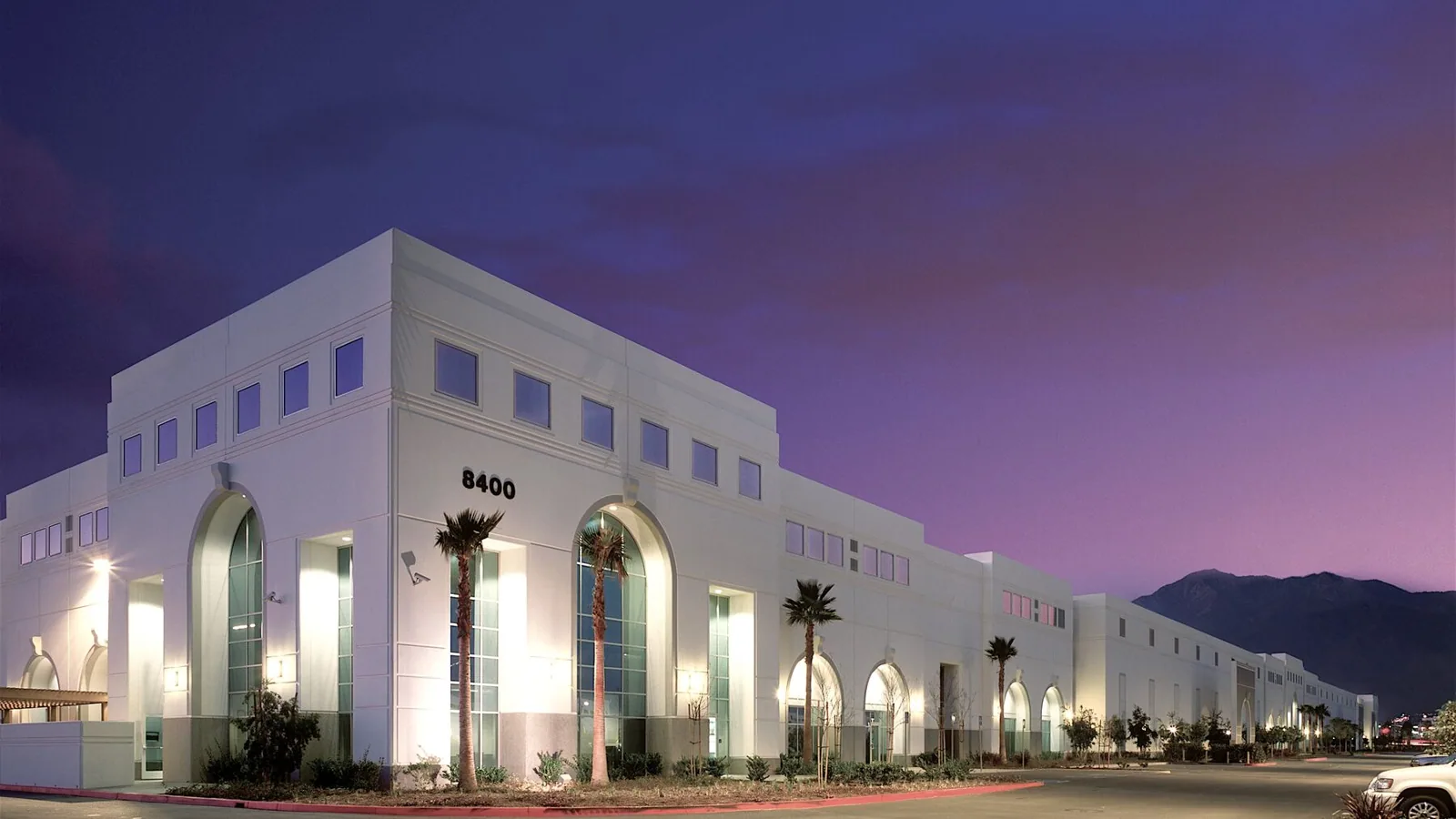
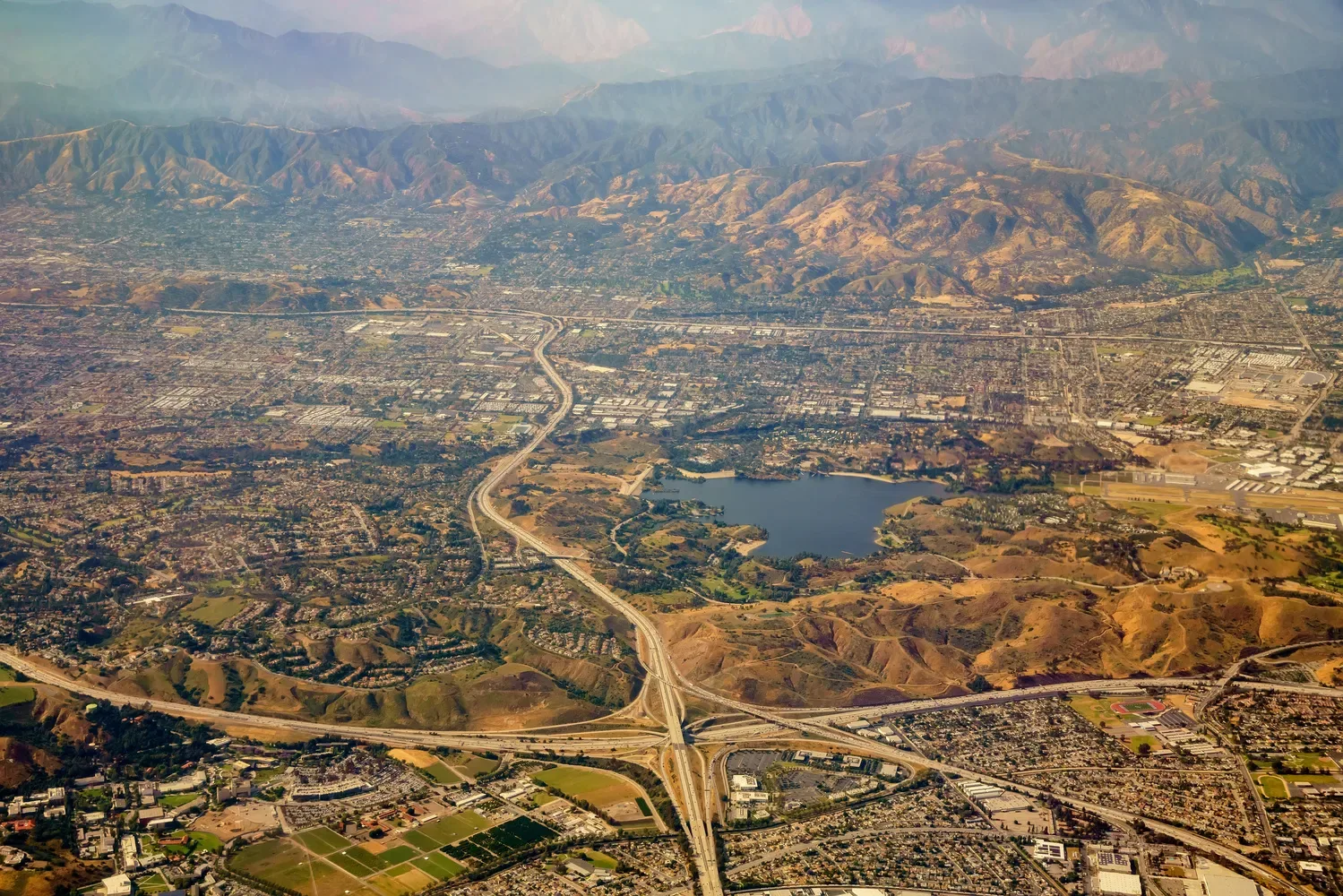
Bloomington is an unincorporated community crossed by I-10, with the Union Pacific rail yard nearby, and much of its commercial building stock is low-slope warehouse and light industrial space. Because it is unincorporated, permits for roof work go through San Bernardino County rather than a city building department. We sort that out early so it does not hold up the schedule.
What we look for on a Bloomington roof
We walk the whole roof, not just the area above the leak. On a typical Bloomington warehouse we check field seams, the flashing at parapet walls, rooftop unit curbs, pipe penetrations and every drain or scupper. We photograph what we find from far enough back that you can tell where each photo was taken, then close up so you can see the actual defect.
Old patches tell us a lot. A wall flashing that has been patched three times usually has a problem the patches never fixed, such as a loose termination bar or wet wall sheathing behind it.
When the surface looks fine but the ceiling says otherwise, a commercial roof inspection with core cuts or an infrared scan can show whether the insulation underneath is wet. Infrared readings are a guide, not proof, so we confirm suspect areas with cores before pricing any tear-off. That keeps the estimate tied to what is really under the membrane instead of a guess.
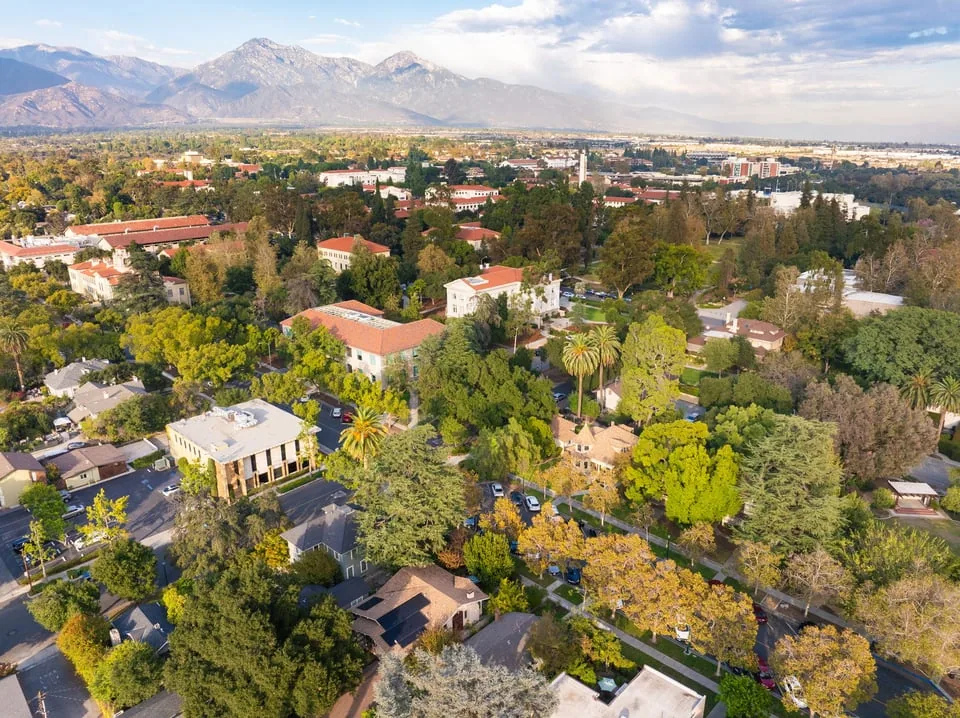

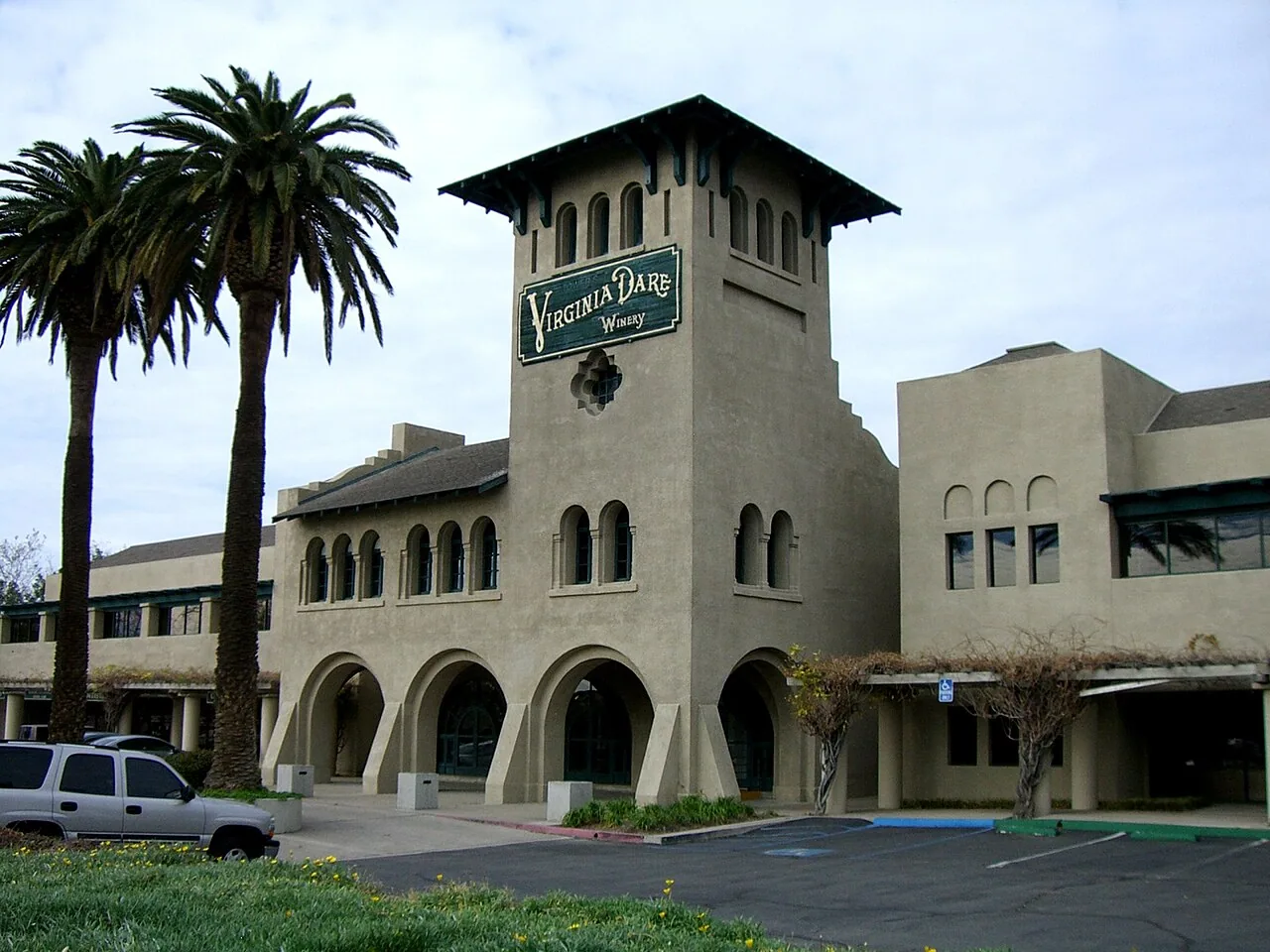
Warehouses and yards along I-10
A warehouse roof in Bloomington usually sits over racking, inventory and forklifts, so where and when we work matters as much as how. Before we open any section, we ask the facility manager what is stored below, which dock doors stay active and which hours are busiest. If product needs to be moved or tarped, that goes into the plan and the price up front.
Truck traffic is the other big factor. Many sites here run trailers in and out all day, and a crane or material hoist cannot block the yard. We walk the lot with your site lead and pick a staging spot that keeps lanes open. On tight sites that can mean smaller material loads and more trips, which costs a little more in labor but avoids shutting down receiving. Each phase of work is sized so it can be fully sealed at the end of the day, not left half-open over the racks.
Repair, recover or replace
For a leak at one curb or one seam, a commercial roof repair is often the sensible move, as long as it is done with compatible material and carried all the way to a proper termination. A coating can make sense when the membrane is sound and dry. A recover over the existing roof can work when the insulation is dry and the deck is solid. Full replacement makes sense when wet insulation is widespread or the deck is damaged.
When we give you options, each one includes the flashing, edge and drain work it actually needs, so you can compare real totals and not just the price per square foot.
Adding a new layer raises the roof surface, which can leave wall flashings too short, put units on curbs that are now too low and change how water reaches the drains. We check those heights before recommending a recover. A detail that is hard to flash properly takes more labor than open field area, and we explain that in the estimate.
Curbs, units and drains
Rooftop equipment is where many warehouse leaks start. If a unit is being replaced or moved, the mechanical contractor sets the new curb size and support, and we flash the curb once it is in place. When a unit is removed for good, the old opening needs new decking and insulation before we patch it, or it will sag and pond. We cover both locations in the scope so nothing is left half finished.
We coordinate timing with the other trades so roofing goes on after their work is set, not before.
Drains get their own check. Clearing debris is routine maintenance. If water still sits around a drain after it is cleared, the problem may be roof slope, a sunken deck or a drain set too high. Changing a drain or adding one involves plumbing and sometimes an engineer, and we price that separately from simple cleaning so you can see which money goes where.
Leaks, heat and the rainy season
Water that shows up inside is not always directly below the hole. It can run along a deck flute or a pipe for a long way before it drips. When your staff tells us where and when they saw water, what the weather was and whether anyone had been on the roof, it narrows the search fast. Condensation from equipment or a cold duct can also look like a roof leak, so we check for that before blaming the membrane.
Small leaks rarely stay small. Wet insulation loses its value, and long-term moisture can rust a steel deck.
The Inland Empire climate is hot and dry most of the year, with most rain arriving in the cooler months. Summer is the easiest time to schedule roof work, and fall is the time to get repairs done before the first storms. Santa Ana winds are a good reason to check edge metal and loose flashing, since that is where wind tends to get under a roof.
After the job is done
We work across the area, including nearby Colton and Rialto, and each building gets its own inspection and plan. For an urgent leak, we make the roof watertight first with a temporary repair, then come back with a permanent fix and a clear note of what is still open.
If we open a section and find more damage than expected, such as wet insulation or a rusted deck, we stop, take photos and explain the change and the added cost before closing anything back up. You approve it before we continue.
At the end you get roof condition reports with before-and-after photos, the locations repaired, the materials used and any items we recommend watching. That record makes the next inspection quicker and helps you plan budgets, since you will know which areas were fixed, which were patched temporarily and which still need attention when a unit is replaced or the roof gets older.
Commercial Roofing Questions
What should I tell you when I call about a leak?
Tell us where the water showed up, when it started, what the weather was and whether anyone has been on the roof recently. That information helps us find the source faster and keeps the inspection shorter.
Do you work while the warehouse is operating?
Yes. We plan staging around your trucks and dock doors, protect inventory under the work area and seal each section before we leave for the day.
Who handles permits in Bloomington?
Bloomington is unincorporated, so roof permits go through San Bernardino County. We confirm what the county requires for your project before work starts.
What happens after an emergency repair?
We stop the leak first, then give you a written plan for the permanent repair, including any items that still need a decision. Nothing is left open without a clear next step.
Get a straight answer on your Bloomington roof
Schedule a roof walk. We will show you what we found, what it costs to fix and what can wait.