
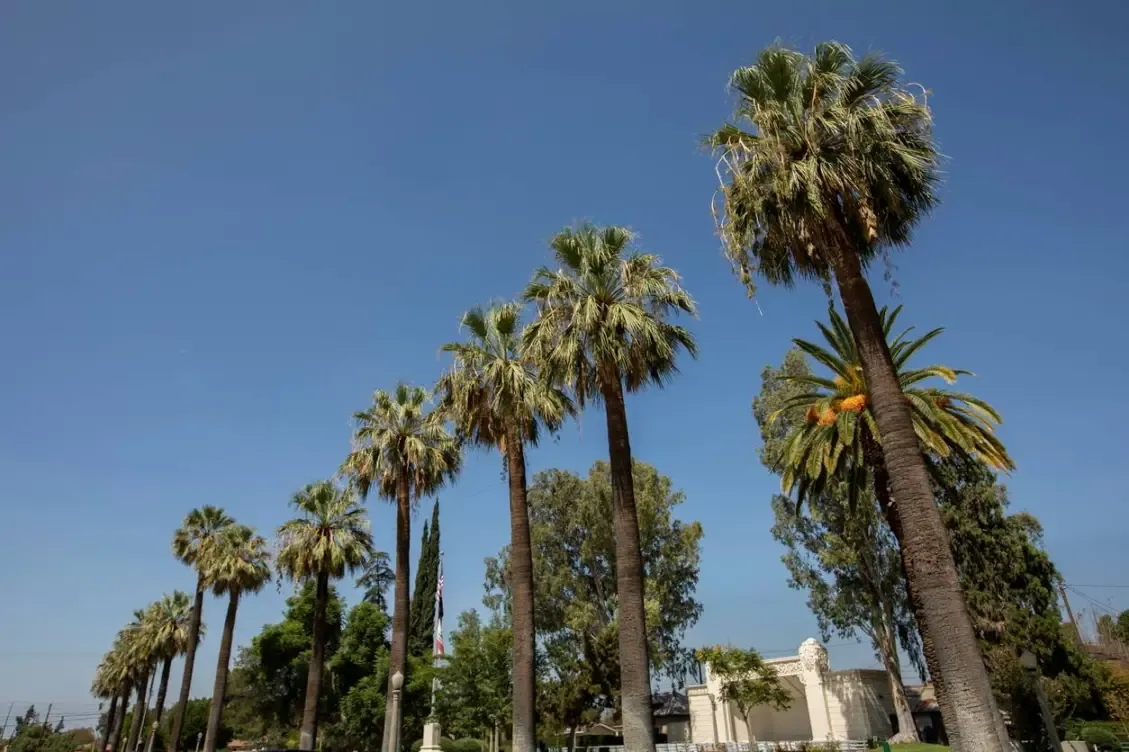
Commercial Roofing in Colton, CA
Colton's commercial roofs work hard. Many sit on industrial and flex buildings near rail lines and freeways, where dust, heat and rooftop equipment take a toll. When one starts leaking, owners want to know where the water is coming from, what a proper repair costs and whether the roof is worth keeping. We answer those questions in writing with photos, so the decision is easy to explain to a partner or a lender.
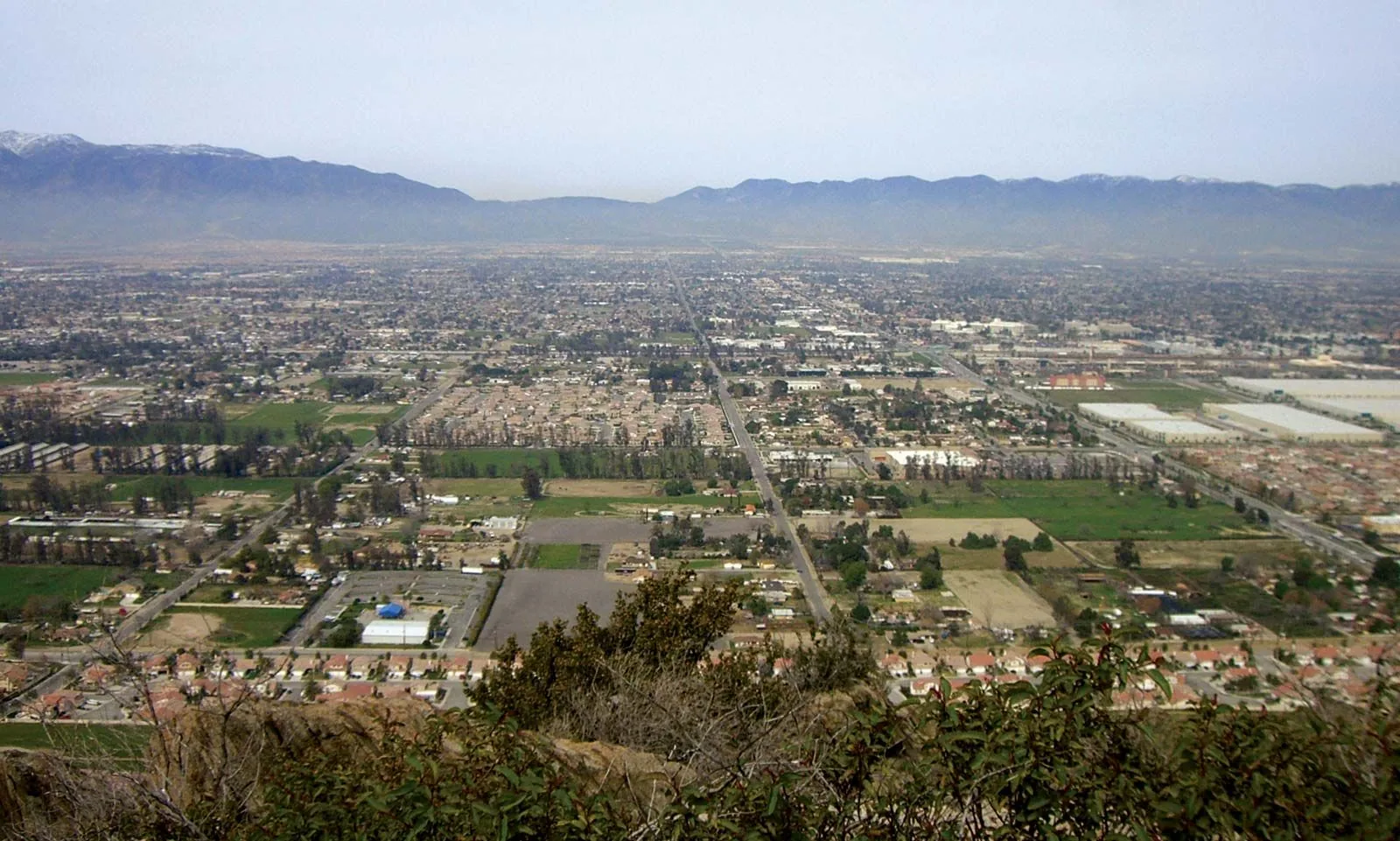
The Agua Mansa area is Colton's main industrial corridor, and the city is served by I-10, I-215 and SR-60. Before any visit, we confirm with the property contact which building and roof area need attention, how we get access and what is happening inside. Permits and energy requirements for the job are confirmed with the City of Colton before we order materials.
Industrial and flex buildings in Colton
A flex industrial roof usually covers office space in front and warehouse or shop space behind, sometimes with several tenants. Each tenant has different hours, deliveries and sensitivities. Before work starts, we find out who is below the work area and what they need protected.
Shop and warehouse tenants care about forklifts, trucks and inventory. Office tenants care about noise and odors. We plan staging so loading doors stay usable and parking is not blocked, and we size each day's work so it can be sealed before we leave. If a tenant needs off-hours work or plastic over equipment, that goes into the estimate. When the space below changes, for example a new tenant moves in mid-project, we check in before moving to the next section rather than assuming the old plan still works.

What we check on the roof
We walk the entire roof. On Colton buildings that usually means long runs of seams, wall and parapet flashing, HVAC curbs, exhaust fans, skylights, drains and edge metal. Dust from nearby industrial sites and freeways can build up in drains and around equipment, so we check those closely.
Every finding gets two photos: one wide enough to show where it is and one close enough to show the problem.
If we suspect wet insulation, a commercial roof inspection can include core samples that show the layers and their condition. Infrared scanning may help locate suspect areas, but it needs to be confirmed with cores before anyone recommends tearing off roof. That keeps the estimate tied to the real condition of the roof rather than assumptions.
We also note how the roof drains overall. Long industrial roofs often have only a few drains, and one blocked outlet can put a lot of water against a wall or curb.
Repair or something bigger
Many problems can be solved with a commercial roof repair: a reseal or rewelded seam, a rebuilt curb flashing or a replaced section of damaged membrane. We use compatible materials and carry the repair to solid roof so it holds.
When the roof is worn or wet across larger areas, we price repair, coating, recover and replacement side by side, each with the flashing, edge and drain work it needs. That lets you compare complete projects.
A recover adds height, which can leave wall flashings, door headers and equipment curbs too short. Those adjustments are part of the price, and leaving them out just delays the cost. Tight details around piping and supports take more labor than open field area. We explain those items in the estimate so the cheapest bid is not mistaken for the best value.
Curbs, units and drainage
When equipment is added, replaced or removed, the mechanical contractor and any engineer set the curb sizes and supports. We flash the curbs after they are installed. Old openings get new deck and insulation before we patch them so they do not sag and hold water.
We finish our roof work after the other trades are done, so the roof is not opened twice.
Drains on industrial roofs collect a lot of debris. Clearing them is maintenance. If water still sits after cleaning, the cause may be slope, a deflected deck under heavy equipment or a drain set too high. Fixes may involve a plumber or engineer, and we price them separately from cleaning. That way you can see which costs are routine upkeep and which are one-time corrections.
What waiting can cost
Water inside a building can come from the roof, a wall panel, a skylight or condensation on cold equipment. When your staff notes where and when they saw water and what the weather was, the search goes faster. We check roof paths first and tell you if another source looks more likely.
A small leak left alone can soak insulation, rust a steel deck and damage inventory or equipment. It also tends to grow.
The area is hot and dry for much of the year, with most rain in the cooler months. Summer and early fall are good times for planned roof work, before the first storms. Santa Ana winds can lift loose edge metal and flashing, so it is worth checking those after a strong wind. Scheduling repairs early in the dry season usually gives the most flexibility on price and timing.
When the job is finished
We also serve San Bernardino and Grand Terrace, and each building gets its own inspection and estimate. In an emergency, we make the roof watertight first and follow up with a permanent fix and a written list of anything still open.
If opening the roof shows more damage than we expected, we stop, photograph it and explain the added cost. Work continues only after you approve it.
When the job is finished, you receive written roof reports listing the repaired areas, materials and before-and-after photos. We also note anything that should be watched, such as a curb to rebuild when a unit is replaced or a section to recheck after the rainy season. That file makes the next inspection faster and gives you a clear basis for future budgets.
Commercial Roofing Questions
Why check drains so closely in Colton?
Dust and debris from nearby industrial sites and freeways build up quickly. Clogged drains are a common cause of ponding and leaks.
Can you work while tenants are operating?
Yes. We stage around loading doors and parking, protect what is below the work area and seal each section before leaving.
Does a recover affect curbs and doors?
It can, because it raises the roof surface. We measure first and include any needed adjustments in the price.
Who decides new curb sizes?
The mechanical contractor and any engineer set the size and support. We flash the curb after it is installed.
Get a straight answer on your Colton roof
Book a roof walk. We will explain what we found, what it costs and what can wait.