
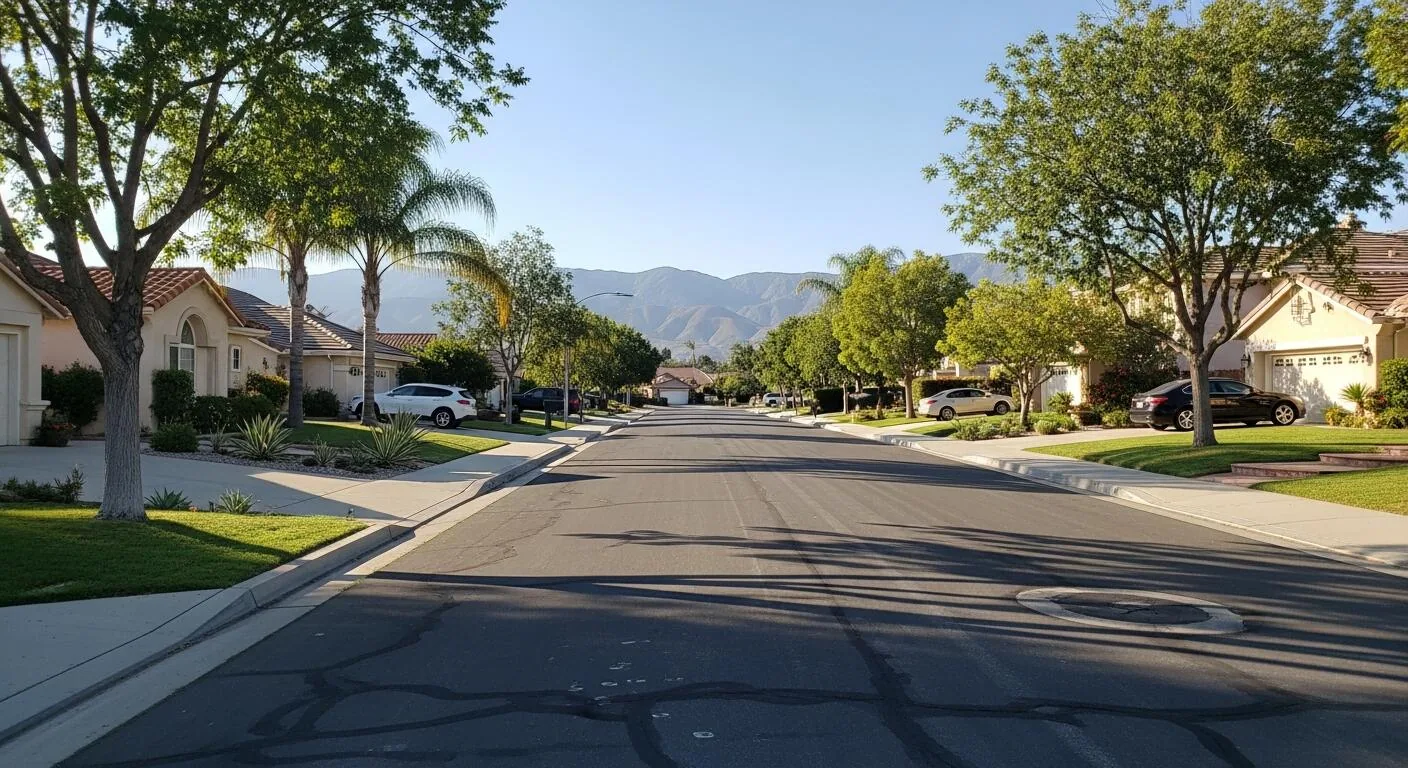
Commercial Roofing in Alta Loma, Rancho Cucamonga, CA
A useful roof recommendation for an Alta Loma commercial building tells the owner what needs fixing and what prep it takes before any money is committed. We inspect the problem area and put together the full repair its condition supports. Sometimes that's a contained repair; sometimes it's a follow-up test needed to decide on a bigger option. The written price covers the material the new work ties into, how we'll work around the building and any decision still pending, so the next approval is tied to something the owner can point to on the roof.
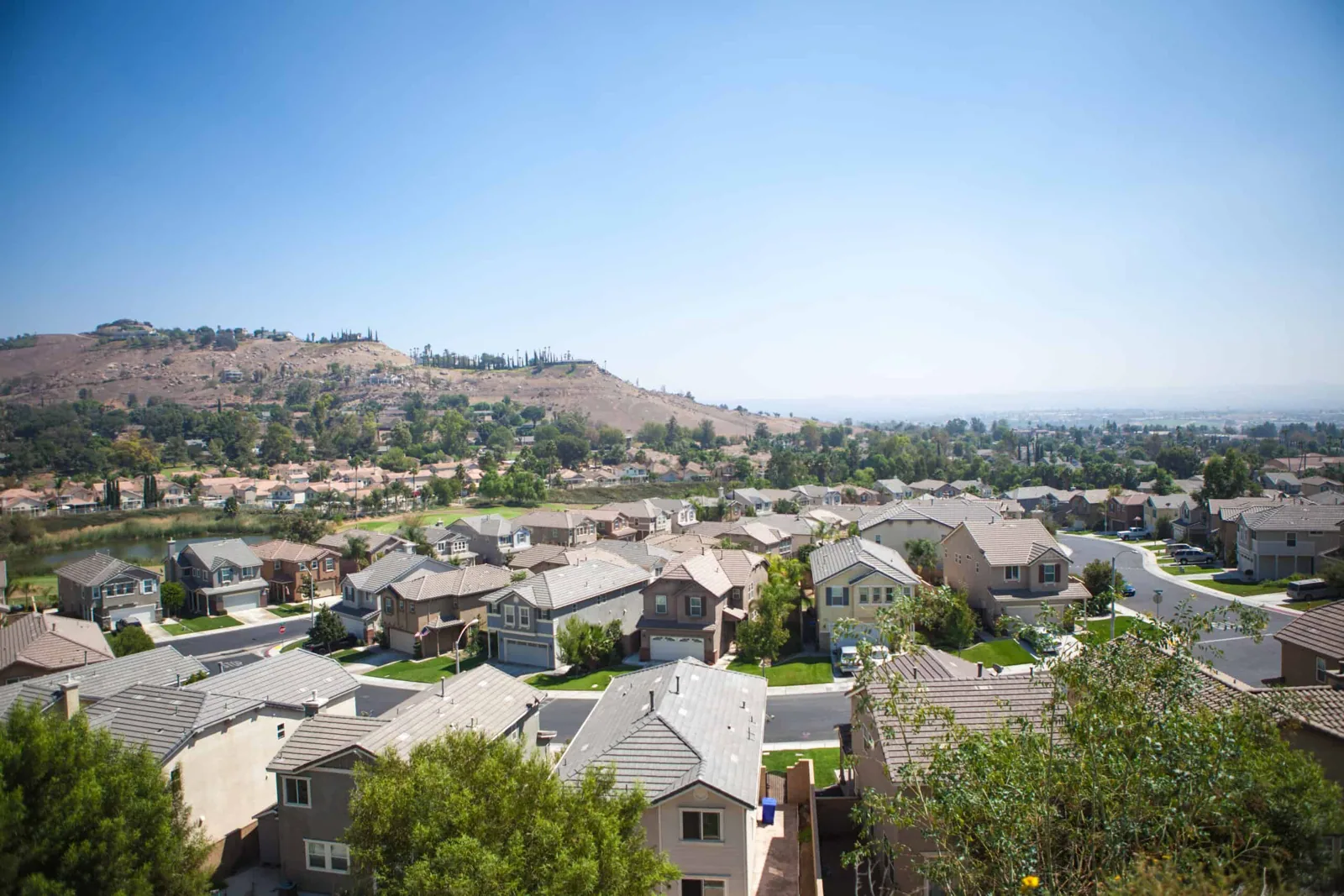
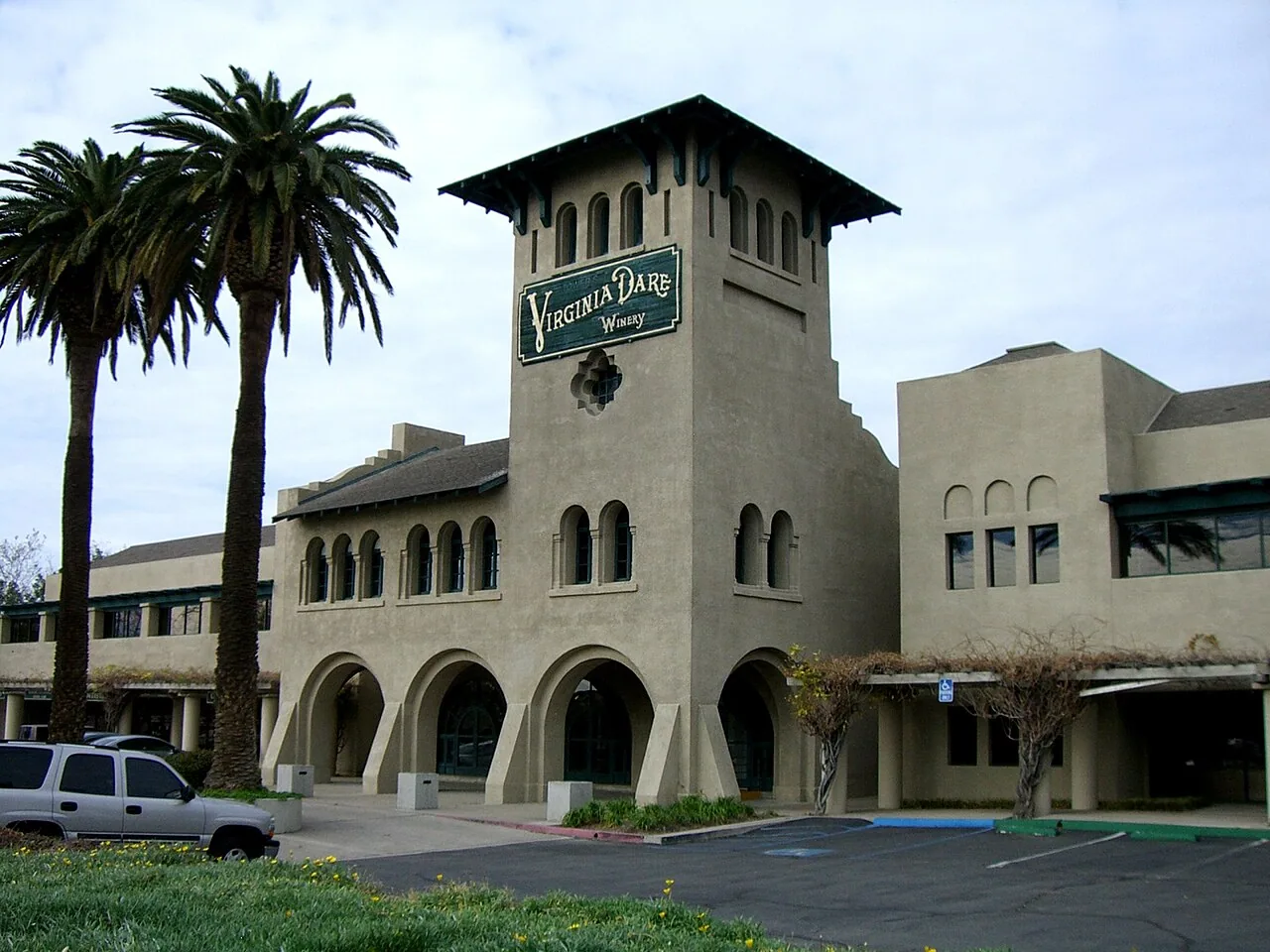
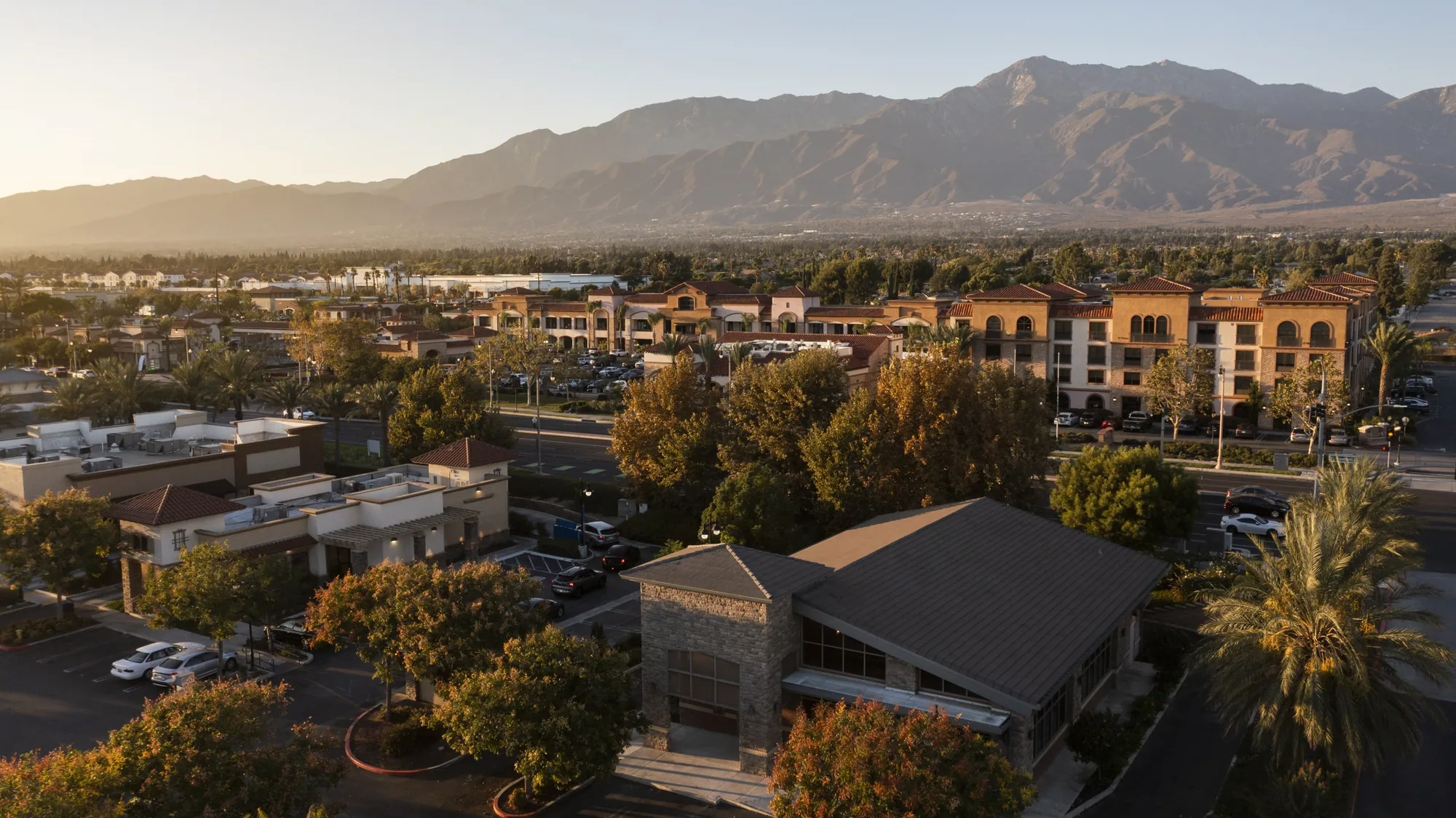
Alta Loma became part of Rancho Cucamonga when the city incorporated in 1977. Chaffey College's main campus sits in the area, and Lemon Avenue and Haven Avenue carry much of the local commercial traffic. Commercial Roofers of Rancho Cucamonga starts with the specific Alta Loma property and the person who can authorize roof work there. We follow the owner's or manager's instructions and the roof that's actually installed.
Every repair ties into something
At the problem spot, we look for changes in the membrane, the edges of past repairs and nearby wall or curb flashings. A seam failure may need prep beyond the visible split to reach sound material. We note the location against walls or equipment and take photos with enough context for staff to find it again. Drawings are compared with what's actually built. If a wall or HVAC unit is part of the problem, we say so before calling the roof patch the full fix.
The scope describes the base under the new material as well as the material itself, and explains the prep that makes the whole repair work.
A commercial roof inspection can reveal hidden questions that change the options. Approved core samples show the layers at each spot, and we patch every opening. Deciding to keep or tear off a larger area needs enough testing to support it. An infrared survey can help pick where to take cores when the roof and weather conditions suit it. We account for things that can skew the readings and confirm with cores before using the results to price prep.
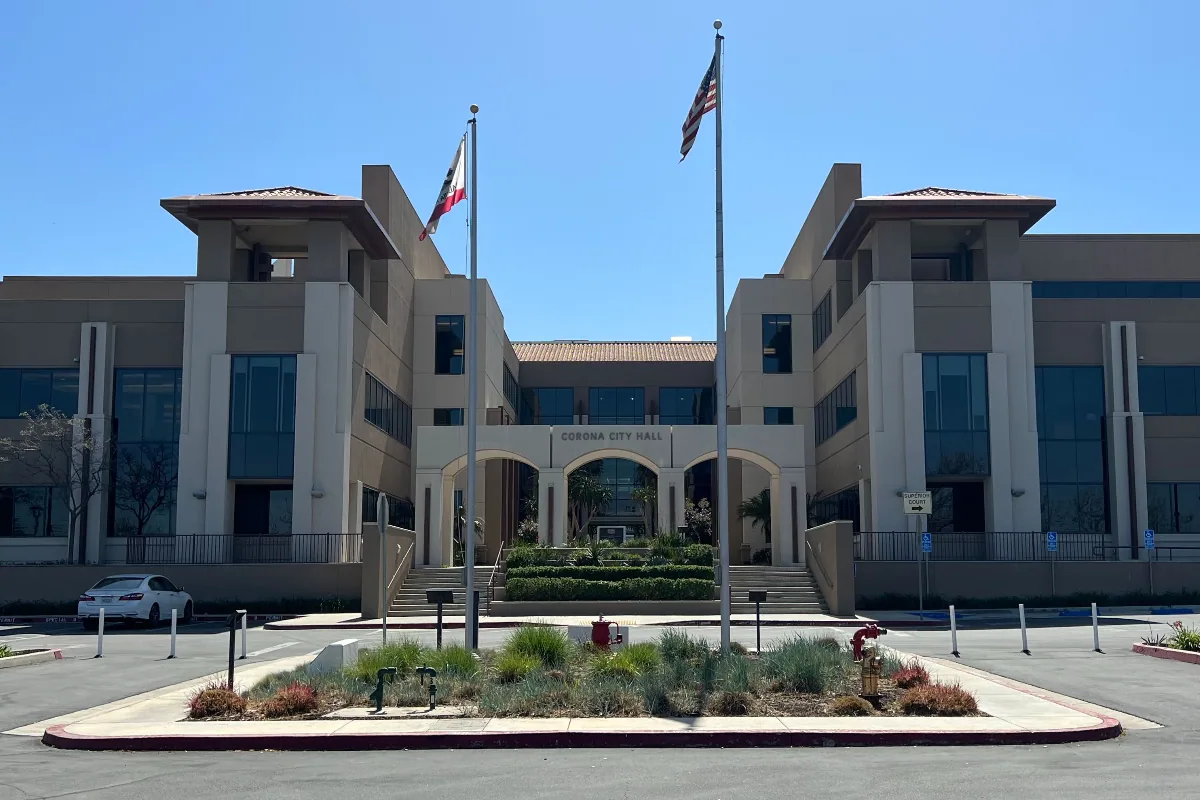
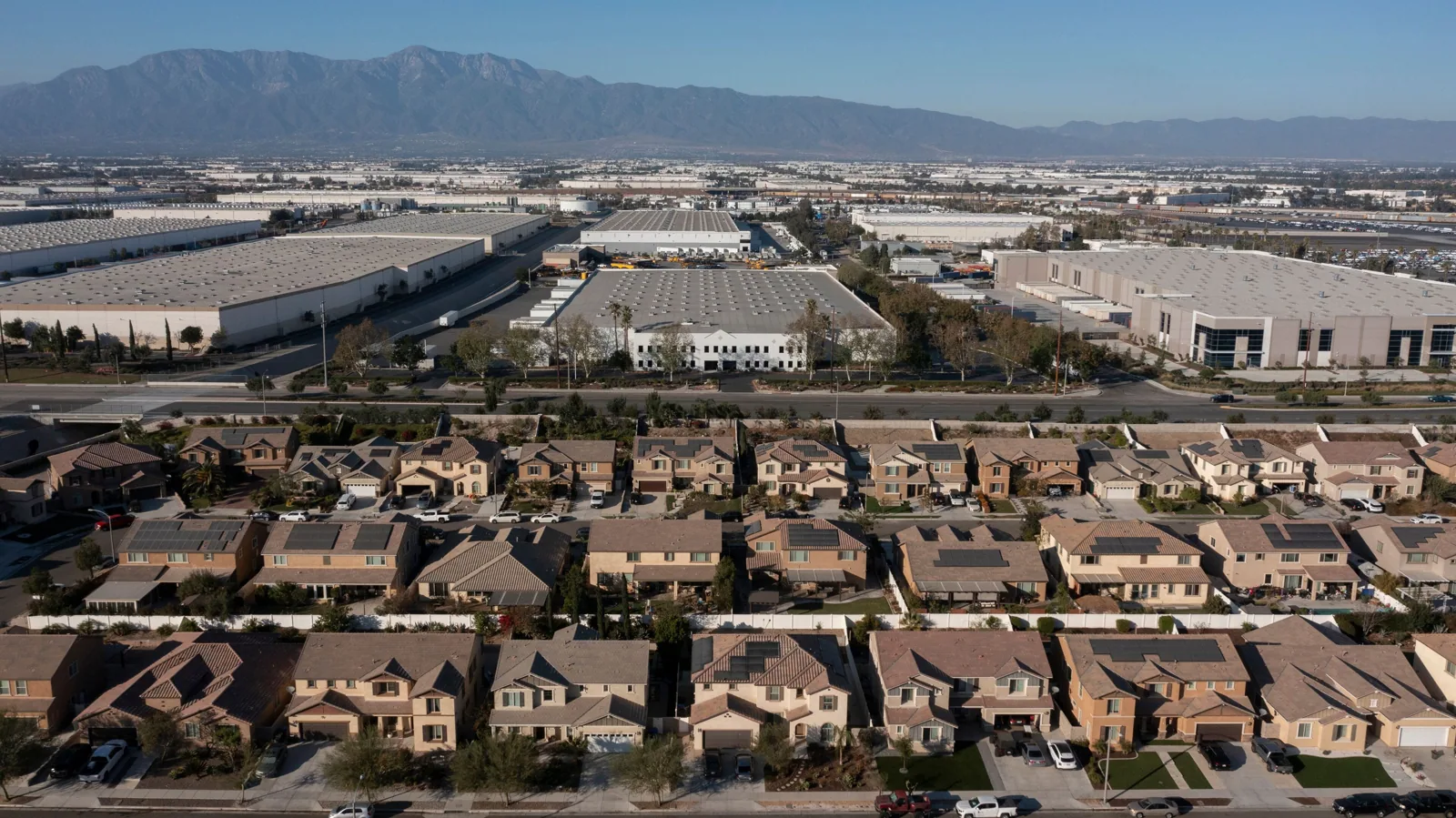
The building's staff decide what's affected
On a college or university building or any occupied property, management tells us which rooms, contents and activities sit below the work. We confirm the approved access, how we'll communicate and when we can work. Methods and products are reviewed with facility staff. HVAC and other equipment work is handled by qualified contractors, and our protection plan follows their instructions. If the affected area changes, we coordinate again.
The price covers a planned job, including what it takes to make the work window usable.
We walk the delivery and debris routes with the site contact. Storage space and walkways that must stay open can affect setup. Some properties need smaller deliveries, extra carries or repeated setups, and we show that cost next to the work it supports. Materials, protection and prep are sized to the area we open, and each phase finishes its flashings completely instead of just hitting a tear-off quantity.
Prep explains a bigger price
For commercial roof repair on a single detail, we check that the new material is compatible all the way through the flashing and edge. A coating option needs the surface tested and prepped for that product. A recover needs a sound existing roof, proper support and attachment, and enough height at walls and curbs. Where the existing roof can't provide a sound base, we price tear-off and replacement. Each option addresses the same problem, with related work and access priced as a complete job.
The owner should understand the difference. More roofing material is only one part of a larger project.
Adding insulation can change drain heights, equipment clearance and wall flashing height. We sort those out before materials are ordered. If another trade prepares part of the base, we name them and inspect their work before covering it. Tricky corners and penetrations take more labor than open field, and the price reflects that. A good recommendation shows the work that must be done before the next layer covers it up.
Moving a unit creates more work
When rooftop equipment is moved, the mechanical contractor and engineer provide sizes and support decisions. Those guide the insulation and roofing around the new curb, with room for proper flashing. We also check the old unit location. The opening left behind may need new deck or insulation before it can be roofed over. We assign who does that and when it's inspected, and keep the old spot on the list alongside the new curb.
Coordinating those trades is part of the job. The owner can approve both locations knowing what prep each one needs.
For drainage, we check the drains and scuppers we can reach and how water moves. Sometimes cleaning is the answer. Ongoing ponding means checking roof heights and how the structure is sloped. Moving a drain or changing slope goes to a plumber or designer, and our roofing follows their plan. We keep that work separate from routine cleaning so each price describes what it's for.
Every test should answer a question
When water shows up inside, staff can tell us where, when and whether any repair or equipment work happened recently. Water may travel inside the roof before it shows. We check likely outside routes and related equipment. If condensation is a possibility, we look at temperatures, humidity and how the building runs. We state what we confirmed on the roof and the fix. If a wall or equipment cause is still possible, we name who should check it and what they should look at.
More testing can be worth it before committing to a bigger repair. We explain what it should answer and how that answer affects your decision.
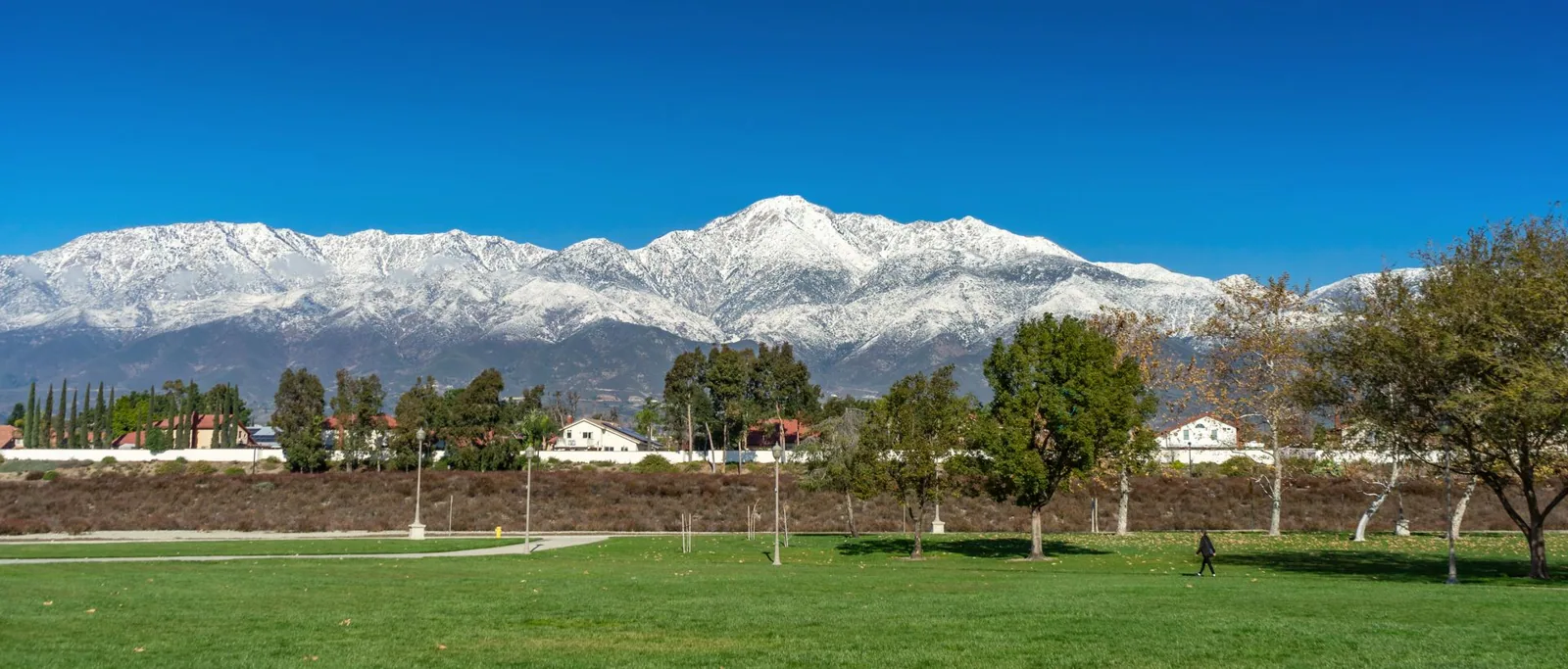
Rancho Cucamonga has hot, dry summers and cooler, rainy winters. Work at an Alta Loma property follows actual weather and surface conditions for the products chosen. Santa Ana winds make roof edges and metal worth a close look, while the design sets edge and fastening requirements. We confirm permits for the address and scope, along with current California code and Title 24 energy rules and any exceptions, before the work becomes a purchase.
Keep the record for the next budget
A property in Upland or Cucamonga gets its own inspection and access plan. For an urgent leak in Alta Loma, we need permission for the visit and a safe way onto the roof, and we tell you what help is available for that job. Management decides what happens inside. We show where temporary protection went and what it doesn't cover, and list the permanent repair or further testing still needed.
If tear-off reveals more damage, we take photos and describe how the prep changes. We explain the cost and effect on the schedule and get approval before covering it. The final roof condition report ties approved changes to locations you can find and lists finished details. Open maintenance and related items stay listed with contacts and next steps. The owner can explain the spending, follow up on open questions and use that record when an equipment change or the next budget brings a new roof decision.
Commercial Roofing Questions
What should a bigger roof price explain?
The extra prep, the flashing and edge work and any related trade work, not just more membrane. It should also include the access and scheduling needed to do the job.
When is an infrared survey useful?
When the roof type and weather conditions suit it, an infrared survey helps pick where to take core samples. We confirm with cores before pricing any insulation replacement.
What needs attention when a rooftop unit moves?
Both locations. The old opening may need new deck or insulation, and the new curb needs proper support and flashing. We name who does each part and when it gets inspected.
Why keep a next step on an unresolved problem?
A later roof decision may depend on the answer. We assign who should check it and what to look at, so the question doesn't get lost.
Get a clear written answer for your Alta Loma roof
Book a roof walk at your building. We'll explain the repair worth approving and any testing that should come before a larger project.