
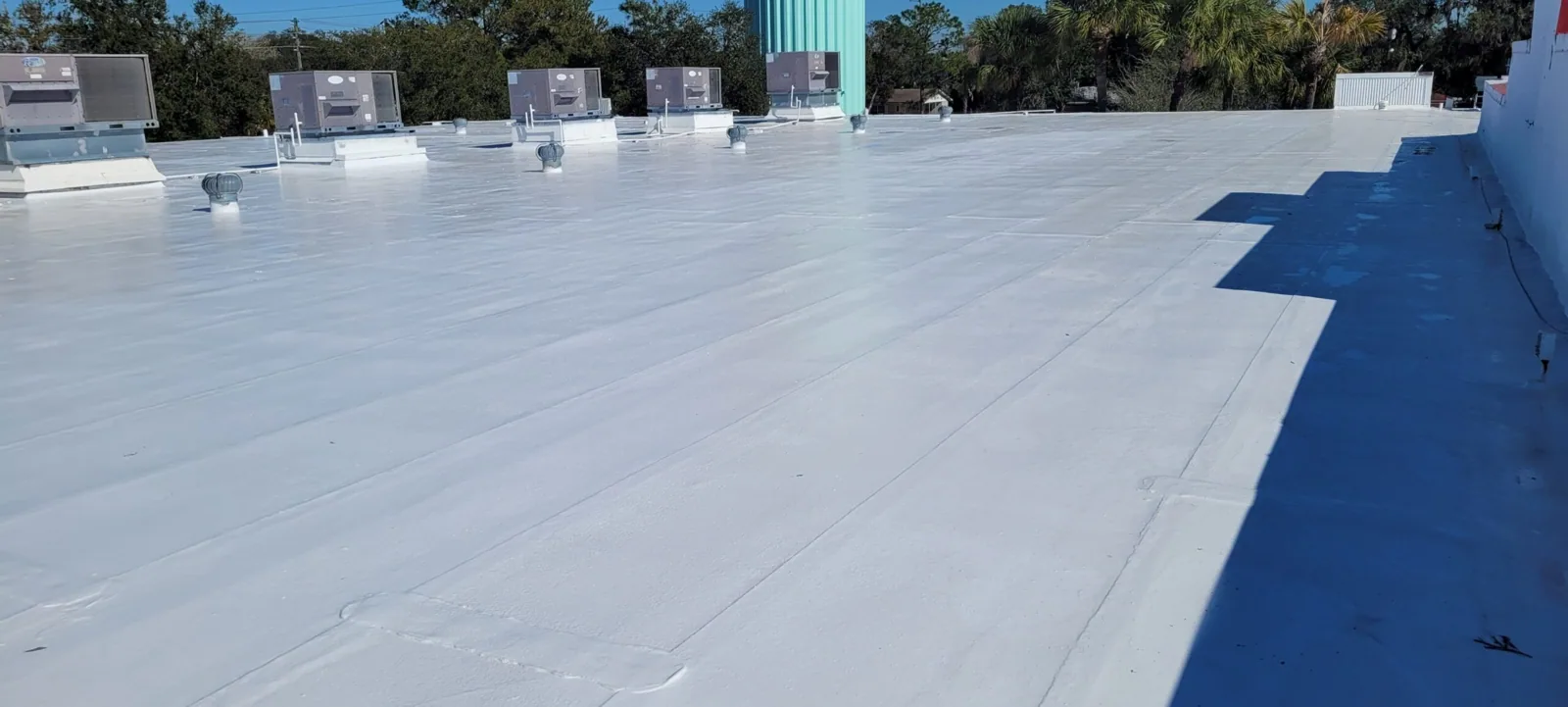
Silicone Roof Coatings in Rancho Cucamonga, CA
If you're considering a silicone coating, separate the coating from the work underneath it. The product may suit your roof, but a failing drain or wet insulation still needs its own fix. A good coating proposal explains those tasks before you compare the price per square foot.
Our Rancho Cucamonga silicone review inspects the roof and confirms the actual product being proposed. We explain the prep, compatible detail work and any testing needed, then put the choice in writing. You can see whether a coating makes sense and which findings call for repair, tear-off or more testing instead.
Acrylic roof coatings have their own product and application rules. Spray foam roofing adds an insulating foam layer under the top coat. Ask what each proposal keeps and what it adds. Those answers explain the real difference behind the prices.
Check the existing surface
We identify the roof material, earlier coatings and any dirt, chalking or oils on the surface. The silicone product has rules about which surfaces it can go over and how they must be prepared. Where an adhesion test makes sense, we pick spots that match the planned work and note the limits. A good result in one spot doesn't mean every area is ready.
An old coating's condition can change prep or future repairs. We keep any product information we find and note what's unknown. The scope shows what gets cleaned, removed or rebuilt before coating. Our roof coating restoration review ties those tasks to the full goal, so you know what the finished surface depends on.
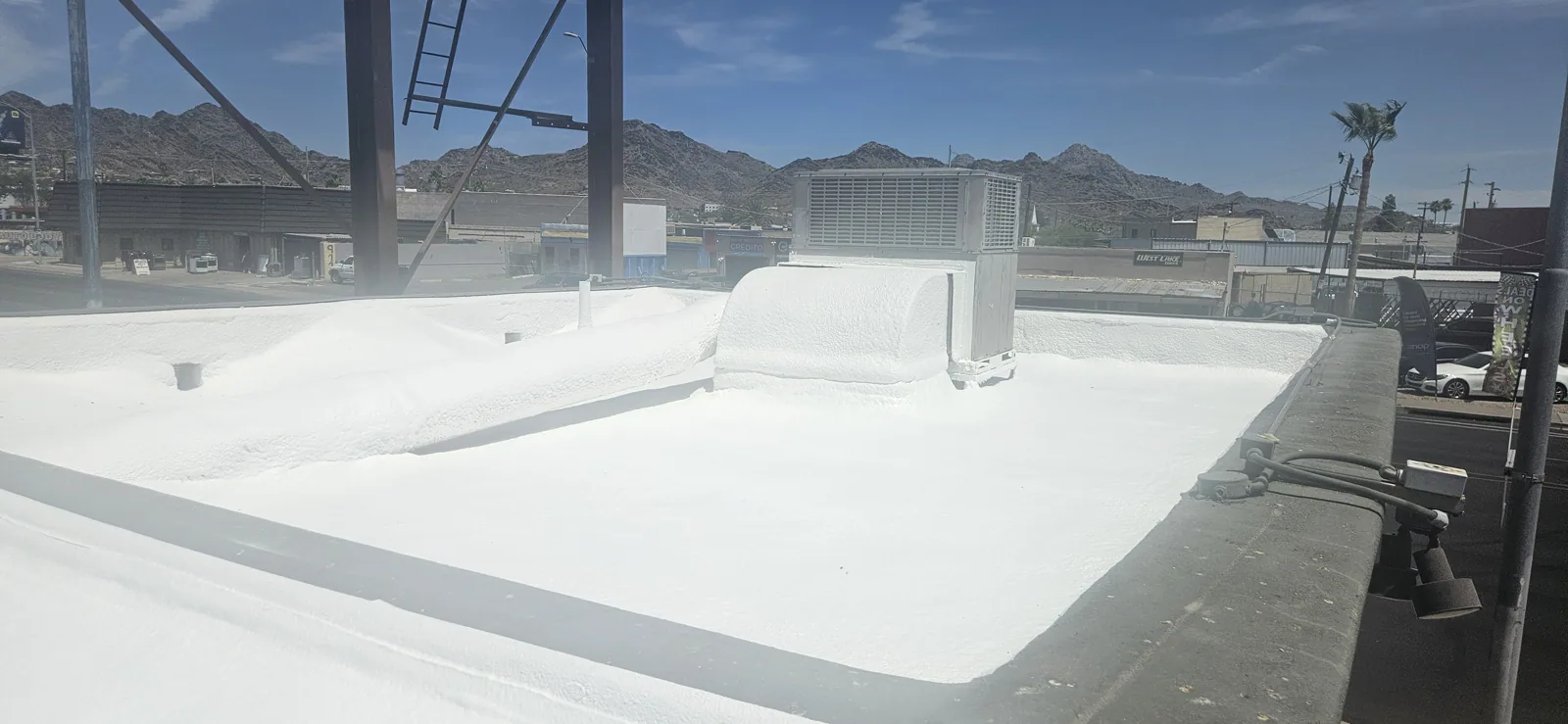
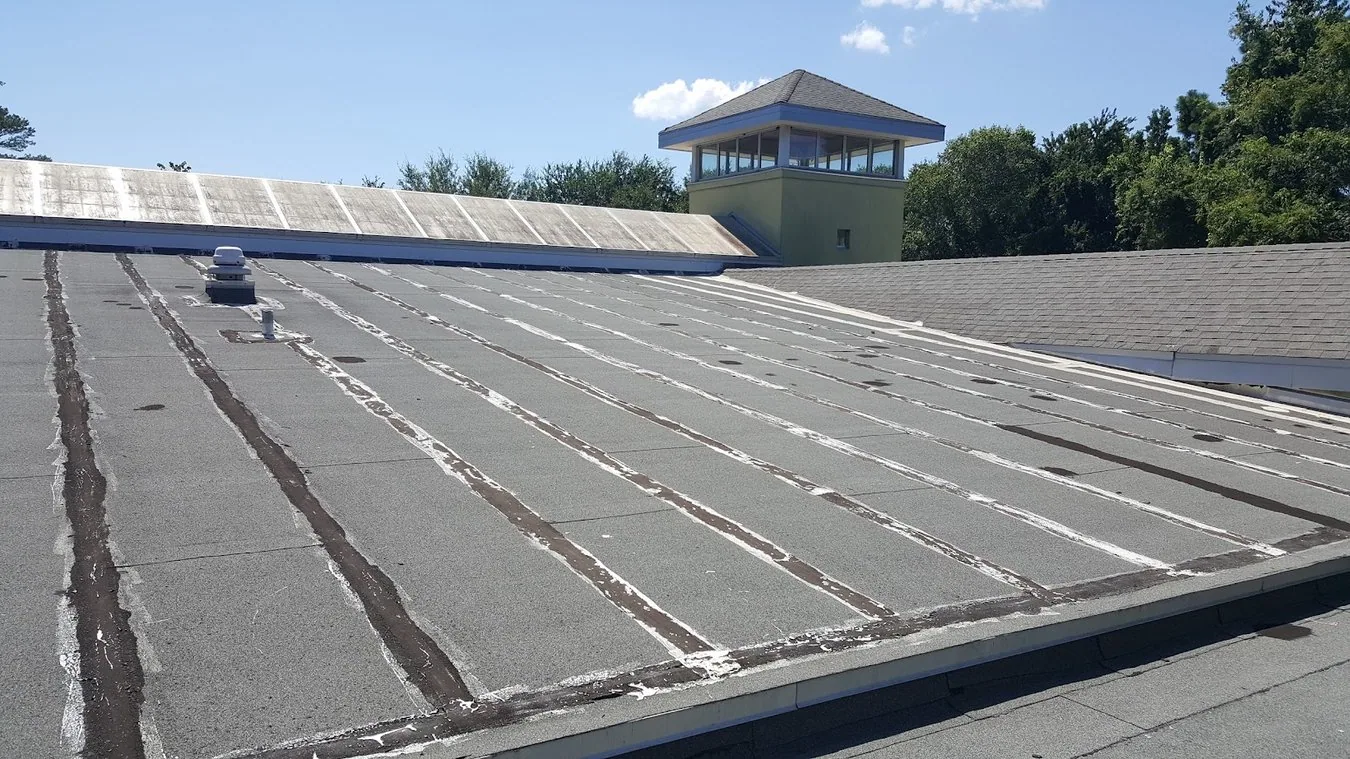
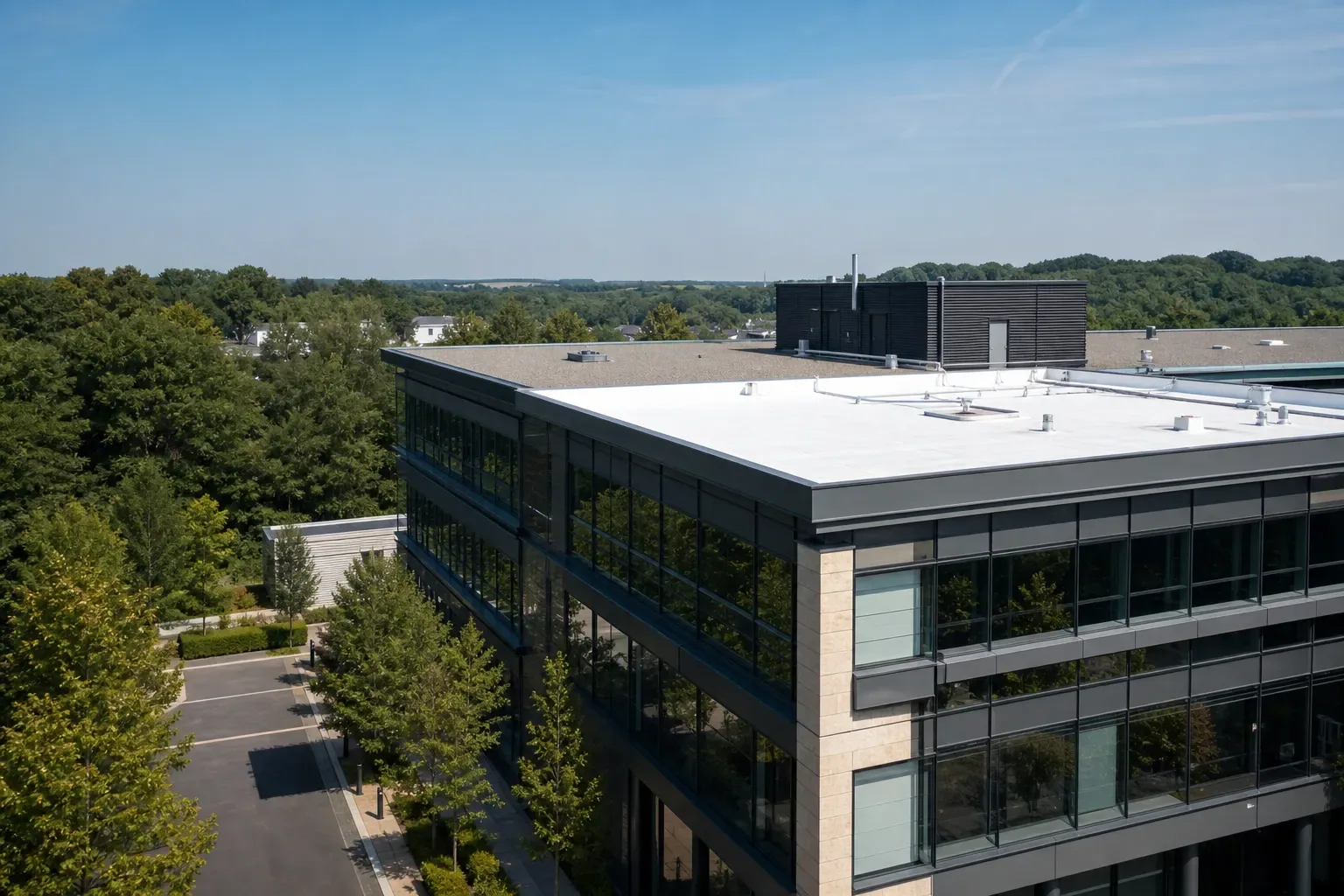
Fix what's underneath first
Wet insulation or damaged layers need testing before coating. Walking the roof can't tell you the condition of every board below. Core samples and moisture meters help within their limits. Infrared surveys need careful reading and cores to confirm them. We describe what we know at each spot before estimating larger areas.
An infrared moisture survey helps organize that evidence. Confirmed wet spots get cut out and replaced; wider uncertainty may call for more testing. A coating won't fix a wet roof underneath, so the proposal lists the needed repairs and why, letting you compare restoration with other options fairly.
Choose the product for the roof
Silicone products vary in what they're rated for. We review the manufacturer's instructions for your actual roof, including any limits on standing water and surface types. Silicone's reputation for water resistance doesn't mean it's approved for every ponding area or every roof. Whether the product fits and how water drains off the roof are separate questions.
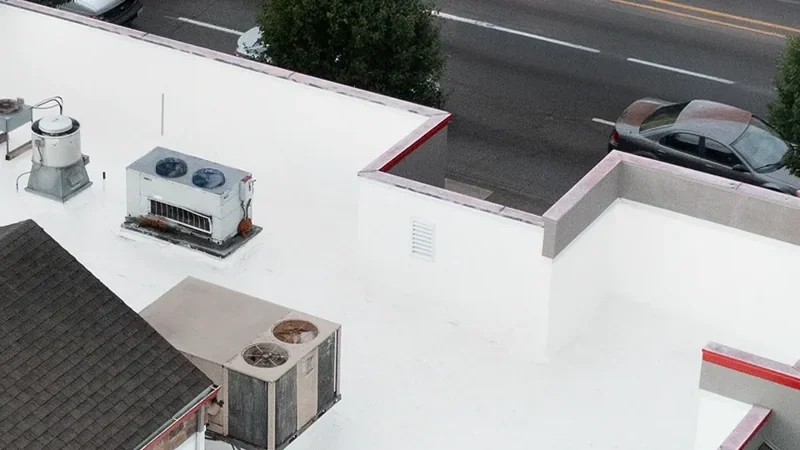
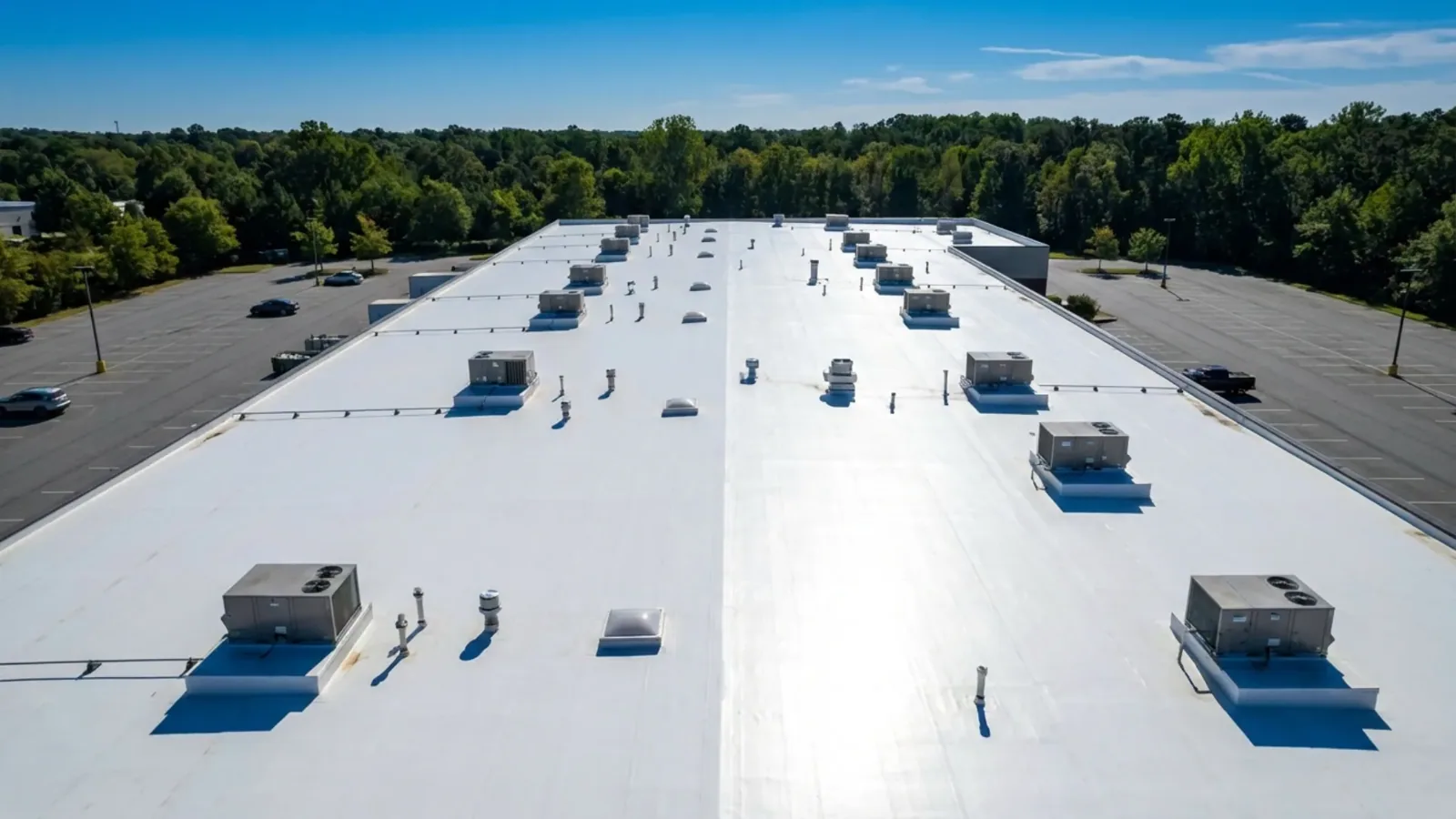
Foot traffic and equipment also matter. Silicone can be slippery when wet and can be damaged by heavy service traffic. At an industrial building in Etiwanda, we ask the operator how often people walk to rooftop units. The proposal can then include walk pads or other protection the system calls for. We ask how future HVAC service will reach each unit and what's needed to protect the coating along the way. That goes in the closeout record as well as the install plan, so the operator can schedule future work knowing what's on the roof, and the owner can tell routine maintenance from damage that needs a compatible repair. Silicone generally only bonds well to more silicone, which matters for every future repair.
Repair details before coating
Seams, flashings and penetrations need compatible repairs within the chosen system. A detail that needs rebuilding gets rebuilt, not just an extra coat over the gap. The scope describes prep, reinforcing fabric where specified and inspection checks.
Our commercial roof repair work fixes specific findings. If a leak is still unexplained, leak repair and tracing should come before coating the field. A stain inside doesn't tell you where the water gets in. We tie each repair to the detail we inspected so you can see why it addresses the problem.
Drainage needs its own plan
We check drains and scuppers wherever water stands. Cleaning may clear debris, while low spots or hidden blockages need other work. A coating doesn't change the roof slope. If a drain fix is proposed, measurements and possibly a plumber or engineer may be needed before the coating is planned around it.
Our roof drain and scupper work covers those spots. Near the Ontario I-10/I-15 corridor, we coordinate drain access and material moves with the tenant's delivery schedule. The scope says which drainage task comes first and who does it, so you don't approve a coating while a basic drainage decision is still open.
Apply in the right conditions
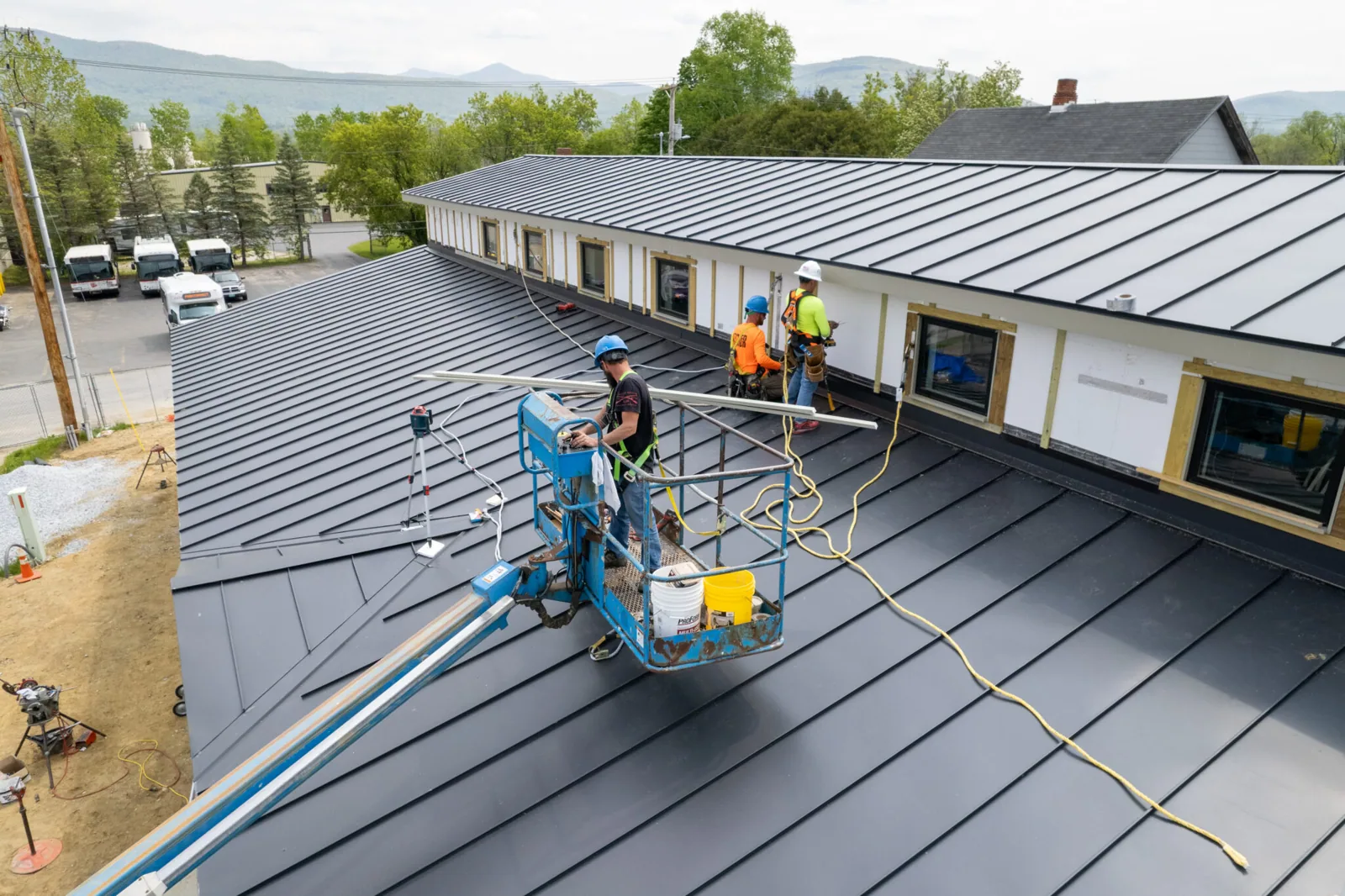
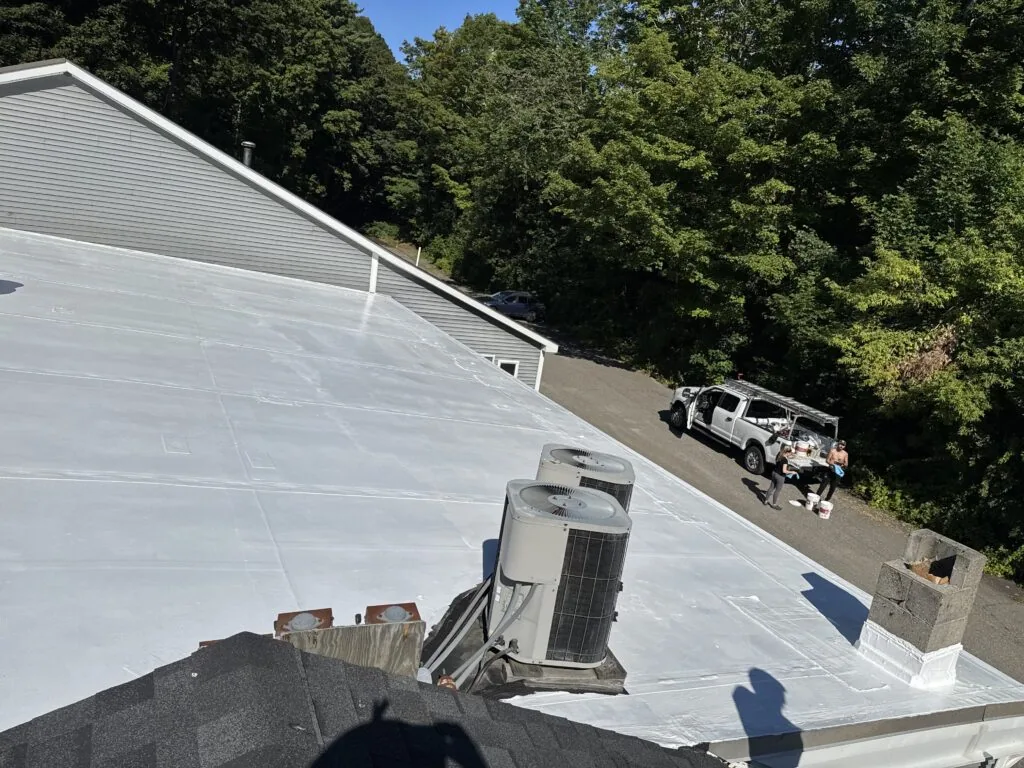
Product instructions set the temperature, moisture, cure and application requirements. We check actual surface conditions and weather before starting. Rancho Cucamonga's summer heat and cooler, rainy winters guide scheduling, but the season alone doesn't mean the roof is ready. The plan explains the window needed for prep and application.
Overspray, access and building activity need controls that suit the method. Any rooftop equipment shutdowns are coordinated with the right people. California's Title 24 energy rules also apply to the scope, including any exceptions. Reflectivity ratings may matter where required, but the project can involve more than the coating.
Application records list surface prep, primer where required, the coats applied and the measured coverage for each finished area. We confirm that rain, dew and overnight conditions fit the product's instructions before opening each section. If conditions change, we stop at a planned edge and protect it. That makes the finished coating easier to inspect and gives maintenance staff a practical reference for future repairs.
Keep the coating record
The closeout record identifies the product, areas coated and inspection checks. We photograph prep and detail repairs before the coating covers them. The manufacturer's and contractor's actual warranty documents set coverage and maintenance requirements. Those terms go in the roof file instead of a one-size-fits-all recoat schedule.
A maintenance plan checks for wear, damage and drainage changes. Cleaning and repairs follow the product's requirements. Later work by other trades and new problems are recorded against the known installation. That gives you a practical basis for deciding whether a spot repair, more testing or a broader recoat deserves the next dollar.
Commercial Roofing Questions
Does silicone fix ponding water?
Some silicone products are rated for ponding, but a coating doesn't change slope or clear a drain. We check how water actually leaves the roof and include drain repairs where needed.
Can silicone go over an existing coating?
Sometimes. We identify the existing coating, check compatibility and may run adhesion tests. The proposal explains why another coating layer will bond before recommending it.
What if the insulation is wet?
We test it and record the limits of each test. Wet insulation gets cut out and replaced, and if too much is wet, we'll tell you a coating isn't the right option.
How do you pick the work window?
From the product's requirements, actual roof conditions and the building's schedule. Prep and curing need the right weather, and the plan says what happens if conditions change.
What helps with upkeep later?
The product name, coated areas, prep records and warranty documents, plus later inspections and repairs in the same file. Future repairs can then use compatible silicone materials.
See the complete silicone coating scope
Book a roof walk to check the surface and what's underneath. We'll explain whether a coating fits, the repairs it needs and what should guide your next decision.