
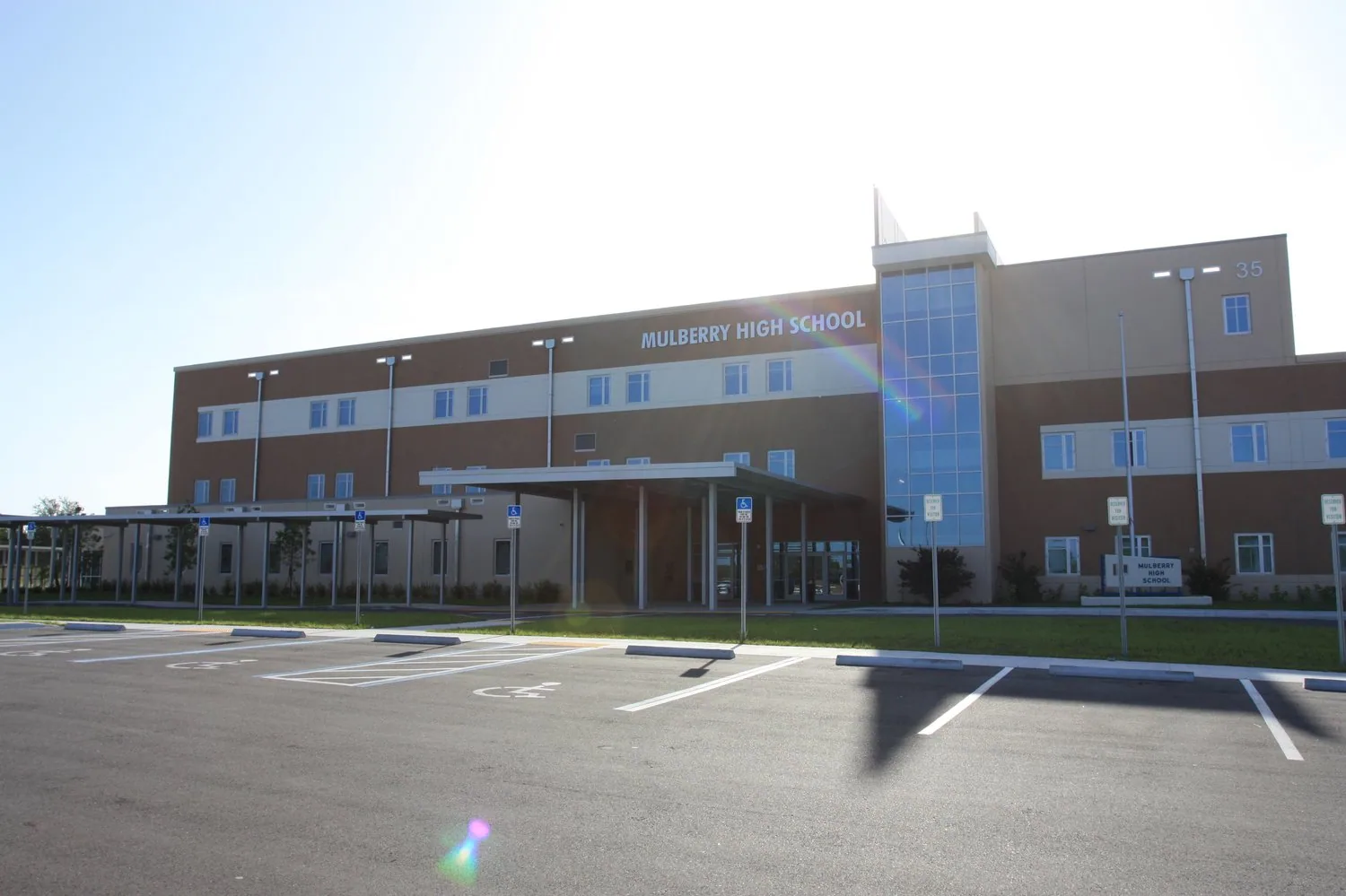
School Roofing in Rancho Cucamonga, CA
Is the leaking roof over an Etiwanda classroom ready for a permanent repair, or does the material around it need a closer look first? That answer should shape the budget before a summer or break window is booked. School roofing in Rancho Cucamonga, CA, starts with the specific building and what's on its roof. We explain the repair the findings support and the prep it needs. The school decides how crews move around students and staff.
A school break is a good time for roof work, but the repair still needs a clear end point, the right materials and approval from the campus.
Start With the Building and Room
Etiwanda School District runs schools across the north side of Rancho Cucamonga. For any district roof project, we identify the actual building and the contact who can arrange an inspection. We use the room where the leak shows up, along with roof drawings and product records. A wing added later may have a different roof, so we match each record to the section involved before pricing prep.
A school in Upland belongs to a different district with its own decisions. Schools can be bid together while each campus keeps its own approvals and findings.
Our Etiwanda roofing crews follow the campus contact's instructions for the gate and unloading area. Any extra permission for photos or test cuts is requested up front so the inspection can collect what's needed.

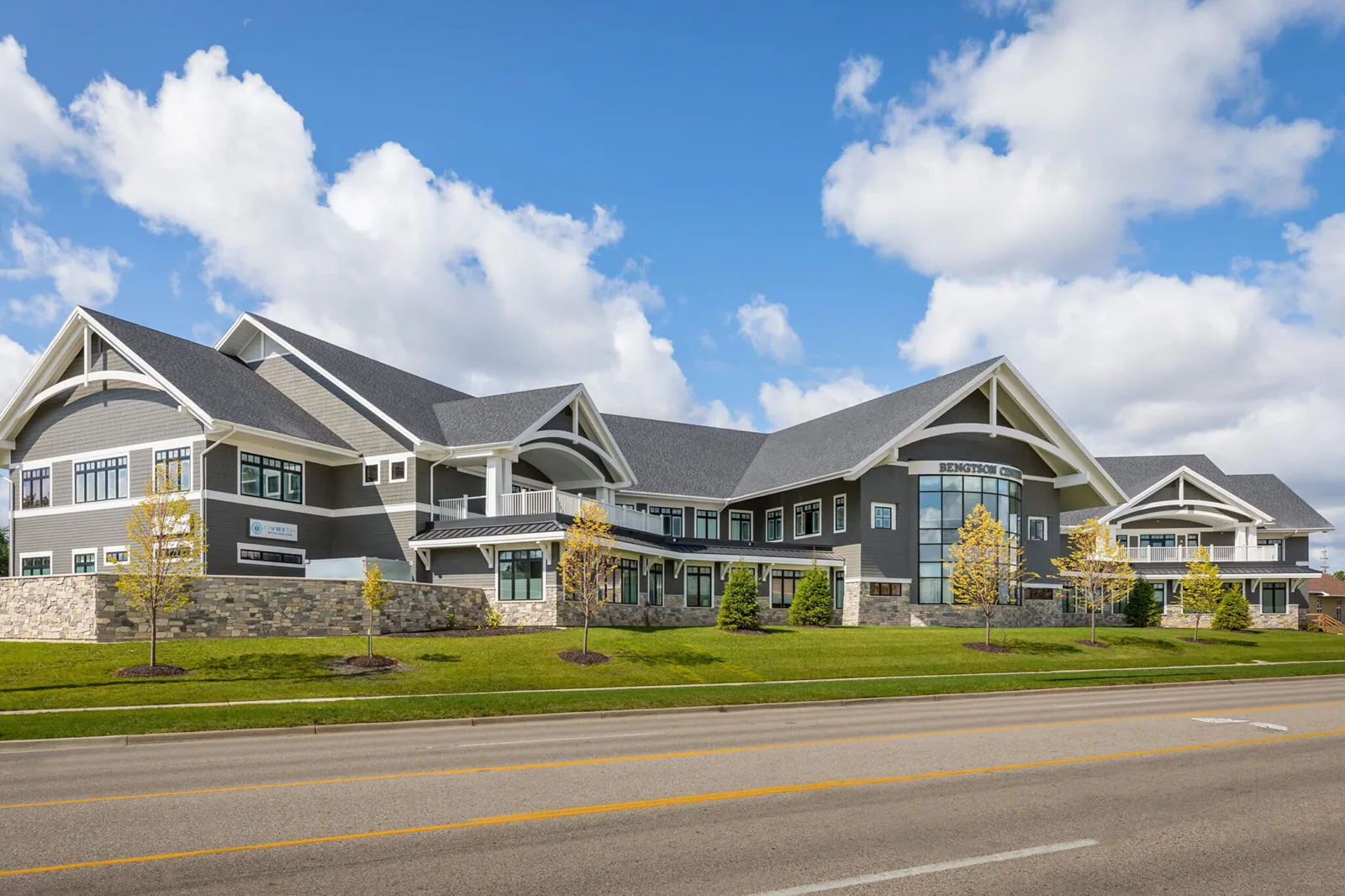
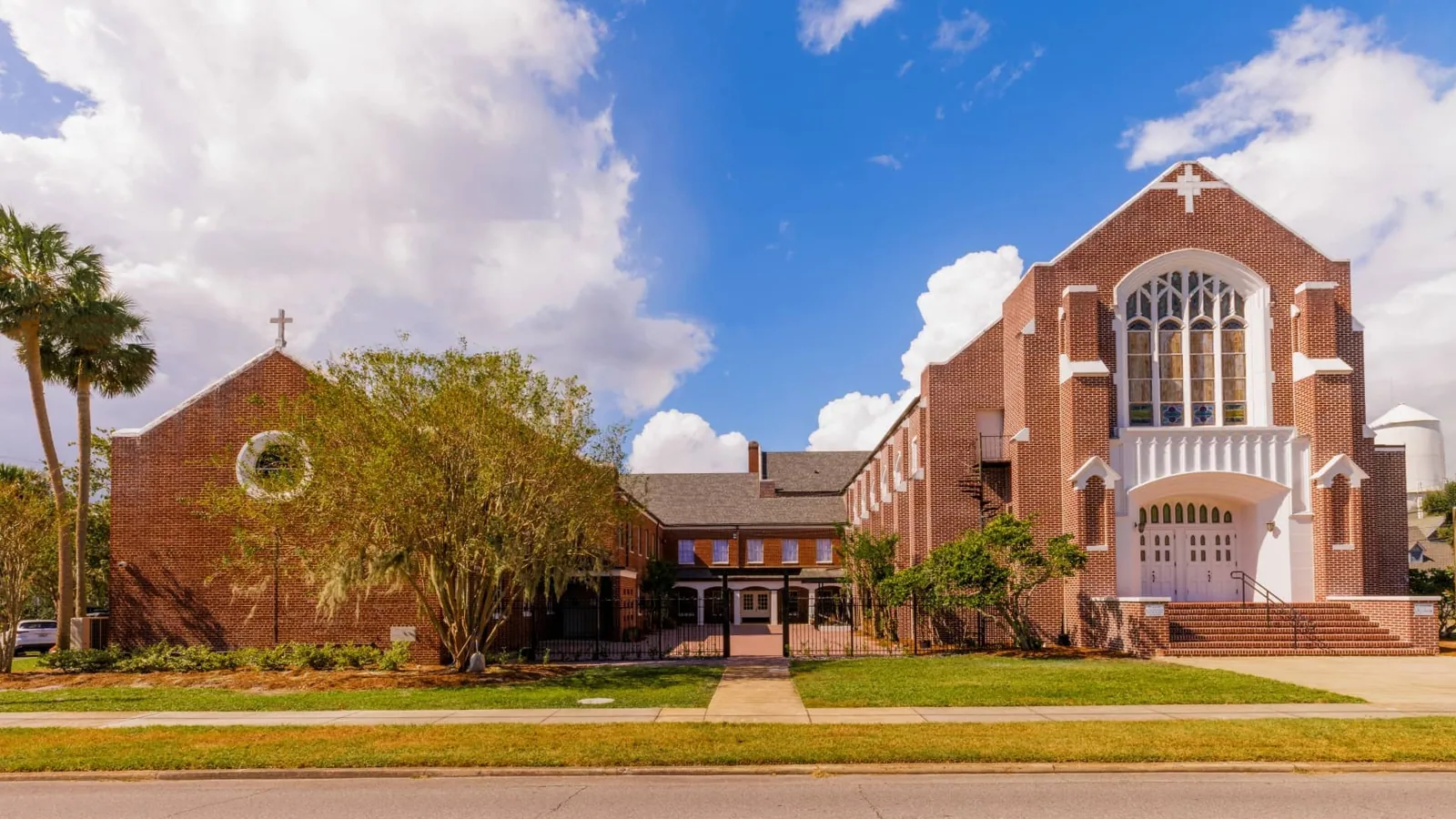
Tracing a Classroom Leak
We use the classroom and when it leaked to guide the roof inspection. Recent HVAC or electrical work nearby helps narrow it down. Water often travels inside the building before it drips into a room. When the roof is the cause, we explain exactly where water is getting in. If a window, wall or rooftop unit could be involved, we flag it for that trade.
Our leak repair work ties each finding to a spot you can find on the roof. If a water test would help, we explain what it should answer, get approval and protect the classroom below.
We keep the repair we can support now separate from any extra testing. One classroom leak can point us to the right area without proving the whole building needs a new roof. The district can approve the next test when what we've found so far leaves a bigger question open.
Planning Around Students and Staff
The school tells us where students and staff move near our staging, tear-off and debris routes. We show the exact work areas, and together we agree on fencing and protection for each phase. A different classroom wing may need its own plan if its schedule differs. The route to the roof is part of that discussion.
When reroofing occupied buildings like a school, the approved plan is part of the price. Extra material moves or lift setups cost more, and the district sees them next to the roof work.
The school names who can approve changes. We price cleanup and returning areas to use. Before booking a break, we confirm that staging, materials and any HVAC work will be ready, so the time is actually usable.
We build the schedule around the district's calendar and how each building is used. Drop-off, dismissal, lunch, sports and summer programs all create different foot and vehicle traffic. We mark work zones so staff can steer students and visitors away from delivery areas, and agree how unexpected changes get to the principal or facilities lead. A campus may have buildings on different schedules, so we release one roof area at a time and recheck the ground route below before work resumes.
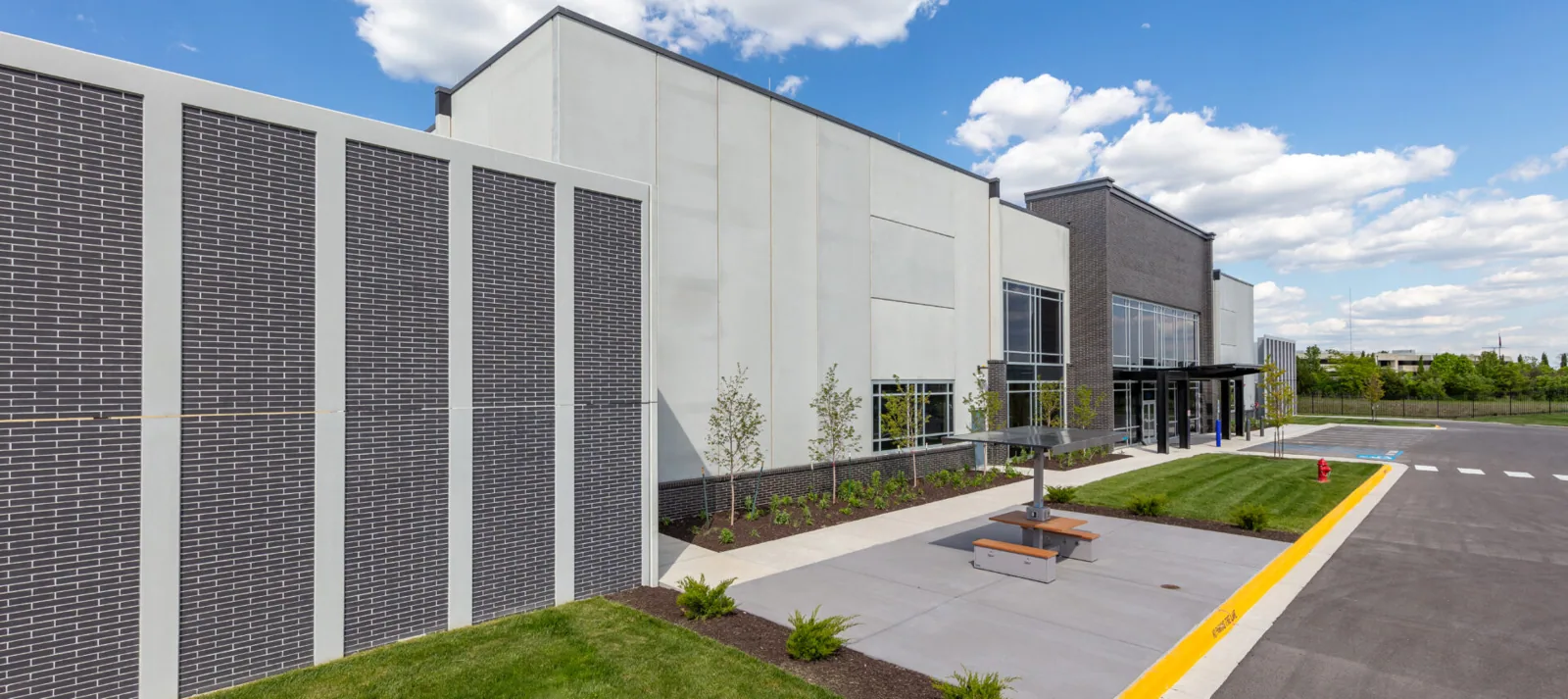

Repairs Need Sound Material
We identify the roof type on the affected section from what we see and any records. We check old patches and the material around the damage. Prep and seaming follow the actual roof and its condition. If damage reaches the repair's edge, we measure what has to be removed or rebuilt to reach sound material.
Commercial roof repair includes that work along with the finished surface. If a support or material is uncertain, we say so before anything is ordered. The price covers a finished repair, not just the first spot you can see.
We check every drain and scupper. A clogged drain needs cleaning; a damaged drain needs rebuilding. Moving or adding drains may need a plumber or designer. New rooftop units need their size and height checked against the roof before the flashing is designed.
Testing Before a Larger Project
Hidden layers can decide whether the existing roof can stay or must come off. We explain what to test and take approved cores, patching each one and recording what we find. Larger projects need testing across the area, and an engineer reviews any structural questions.
Each option is priced with the work needed to finish it. A recover needs a sound existing roof and the right attachment. A tear-off includes disposal and new insulation. A thicker roof changes walls, drains and curbs, and those changes are included so the district reviews a complete job.
Colleges and government buildings have their own operators and approval rules. A district budget can cover several schools without mixing their roofs. Each building gets the quantity and access plan its own inspection supports.
Permits, Weather and the Closeout Record
We confirm what design review and permits apply to the address and scope, and how California's Title 24 energy rules and exceptions apply. Rancho Cucamonga's summer heat and winter rain shape timing. Each product needs a dry surface and the right temperatures, and we watch Santa Ana wind forecasts. We only open what can stay protected if a detail takes longer to finish.
Leaks can be reported at night, on weekends or over holidays. Tell us the building and who from the school can provide access. What we can do right away depends on crew availability, access and safe conditions. If it's a temporary fix, we explain the permanent repair still needed.
If hidden damage changes the job, we show where it is and how we'd fix it, with the added cost and effect on the campus schedule, and wait for approval. You get photos, products and the approved changes. Open HVAC or wall items are listed with a contact, so the district can see what's finished and what's next.
Commercial Roofing Questions
What do you need before inspecting a school roof?
The building and the room where it leaks, a campus contact who can provide access, and any roof records. We confirm photo and test cut rules before the visit.
Is summer break always the best time for school roof work?
Only if crews, materials, any HVAC work and the district's approval are ready in time. The estimate includes the approved plan for that window.
Why might a repair extend past the visible damage?
The repair has to tie into sound material. If old patches or worn membrane surround the damage, we measure and rebuild that area so it lasts.
When should more testing come before a bigger project?
When hidden layers or wet insulation could change the recommendation. We explain what the test answers. A whole-roof decision needs testing across the roof.
What records does the school get after the work?
Photos of finished details, installed products and approved changes, plus any open items for other trades. That makes it easy to compare a future leak with what was done.
Get the School Roof Repair and Next Steps
Book a roof walk through your campus contact. We'll put the repair needed now, and anything still to check, in writing before a larger project.