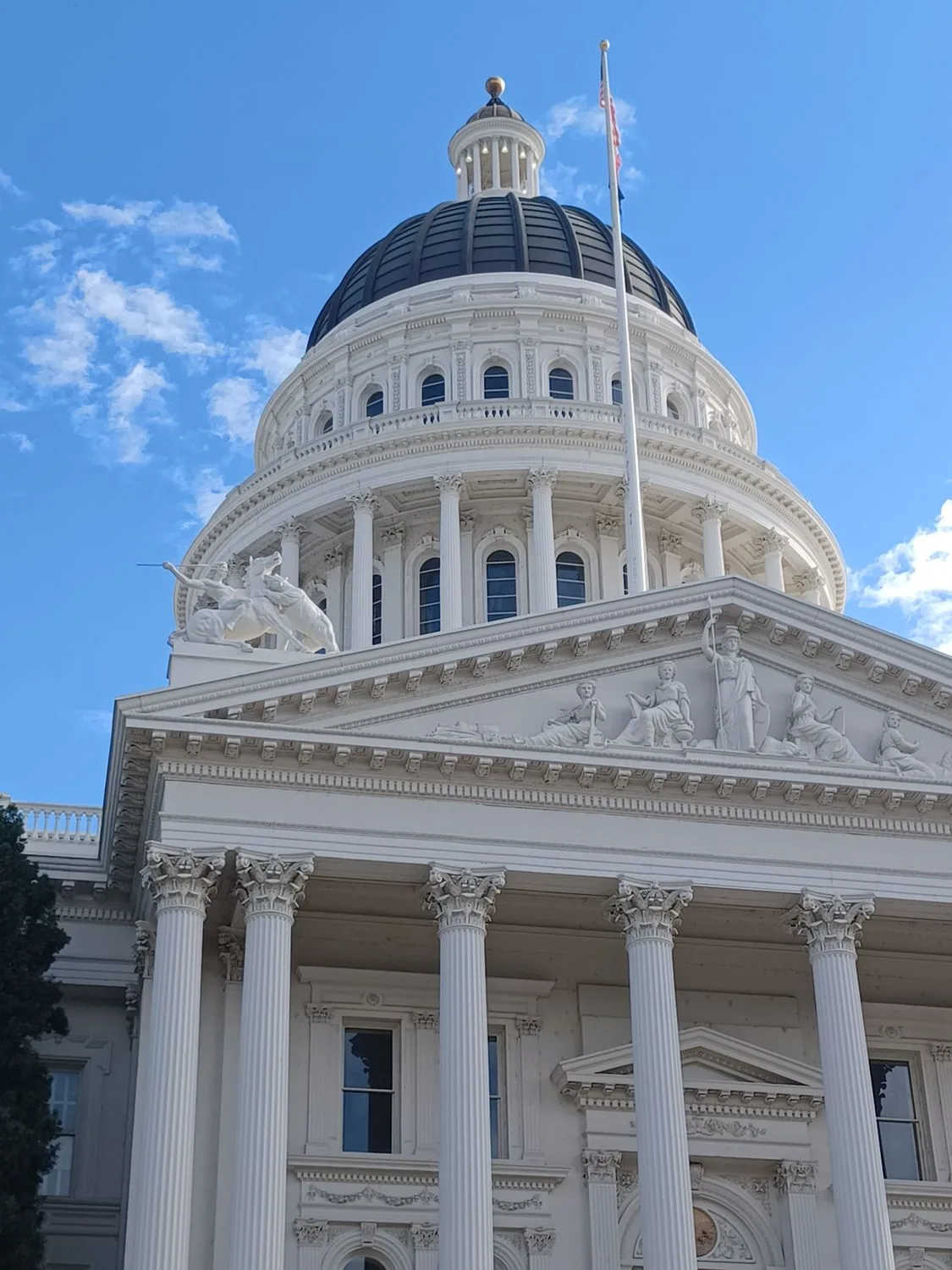
Government Building Roofing in Rancho Cucamonga, CA
For a public building, every roofing dollar should trace back to something measured on the roof and a repair that can actually be built. The agency needs that link to be obvious. Government building roofing in Rancho Cucamonga, CA, inspects the affected roof section and explains the prep behind each recommendation. We describe the repair the findings support and what else needs checking before a larger budget makes sense. Public access and building operations stay under the agency's control.
A usable scope shows where the work ends, what other trades need to do and how it gets approved. That helps a later reviewer understand exactly what was bought.
Findings an Agency Reviewer Can Follow
We confirm the building and the agency contact for the inspection. Then we locate the problem using drawings and what we see on the roof, with enough surrounding detail that the next person can find it again. We match product and alteration records to the right section, because an addition may be built differently. The proposal names exactly which roof areas it includes.
A commercial roof inspection links each condition to the repair we recommend. If a material or support question still needs checking, we say so. Work that's ready and testing that's still needed are listed separately.
The report explains why the prep extends to a measured point. Reaching sound material often means more work than the visible defect, and we spell out what has to be removed or rebuilt. If a wall or masonry contractor must finish their part before the roof flashing goes on, that's in the proposal.
Public Entrances and Construction Access
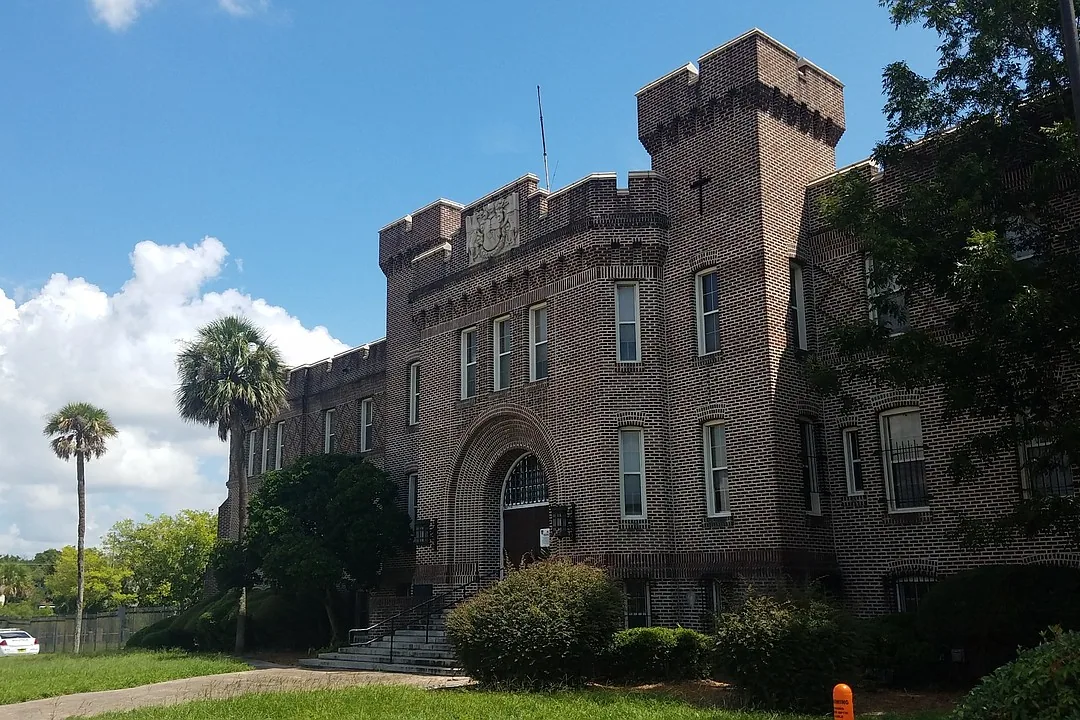
Rancho Cucamonga has civic and public activity around Victoria Gardens and commercial traffic along Route 66. For any agency building, we confirm the address and building contact before arranging access. The visitor entrance is rarely the right place for roofing deliveries. We review unloading, lift placement and how materials get to the roof under the agency's access rules.
Our downtown Rancho Cucamonga roofing estimates include that approved access in the handling cost. A longer carry or a restricted staging spot can change the price, and we include it before booking equipment.
The agency reviews our movement around public and staff areas. Another building or entrance may need separate approval, including permission to take photos. We note who can approve changes. If several buildings are bid together, each keeps its own access plan.
Phasing Work Around Public Use
We show the agency where materials will be staged, what's being removed and how debris leaves. Agency staff decide which areas are affected and approve barriers and protection. Decisions about keeping services running stay with the agency. If a phase depends on another approval, we flag it up front.
When reroofing occupied buildings like a public office, the approved plan is part of the scope. Changes in access can affect handling or timing, and we explain those effects next to the roof quantities.
At the end of each phase, we walk the area with the agency and clean up as agreed. If an HVAC or electrical task still needs to be restored, we name who's responsible. The closeout record shows finished roof work and open items clearly enough that a different facility contact can pick up where things stand.
Tracing the Leak
We use the leak location and timing to check the roof seams, edge metal and rooftop equipment above it. Water can travel inside walls before showing up below, and sometimes a window, wall or HVAC unit is the real source. The roof repair we propose must match the evidence. Anything we can't explain is flagged for further checking, not folded into the roof price.
Our leak repair notes tie each observation to a location. If more testing would help, we explain the method and what it should answer, and get approval first.
At the repair, we check the material the new flashing or membrane will bond to. Old coatings and condition affect the prep. A clogged drain needs maintenance, while a damaged drain needs rebuilding. Changing drainage may need a plumber or engineer. The agency's budget keeps those separate so each item is tied to real work.
Comparing Bid Options Fairly
To compare a recover against a tear-off, we need to know what's in the existing roof. Approved test cuts with same-day patching tell us. Each test applies to its own spot, and a larger area needs testing across it. An engineer reviews structural questions; choosing a membrane alone isn't a full feasibility decision.
We compare the new roof height with walls, drains and equipment curbs, and include those changes in the option that needs them. A recover needs prep and the right attachment. A tear-off adds disposal and rebuilding. Agency access and HVAC coordination are included so each option describes a complete job.
Institutions like schools and colleges have their own decision makers. This government building's choice stays tied to its own findings, quantities and approvals. Other buildings in the same bid keep their own scopes.
Permits, Weather and the Closeout Record
We confirm which permits and design review the address and scope need, and how California's Title 24 energy rules and exceptions apply. We plan around Rancho Cucamonga's summer heat and winter rain and check Santa Ana wind forecasts before moving material. Each product needs a dry, sound surface. If another trade's work holds up a connection, we keep it protected.
Agencies can report an urgent leak overnight, on weekends or on holidays through their building contact. Tell us the building, the location and how crews get in. What we can do right away depends on crew availability, access and safe conditions. If it's a temporary fix, we explain the permanent repair or testing still needed.
If we find damage outside the approved scope, we document it and explain the fix, with the added quantity, cost and schedule effect, and submit it through the agency's approval process. The approved change is kept with the photos and materials list. Open items for other trades stay listed, so later reviewers can see exactly what roofing was delivered.
Commercial Roofing Questions
What makes a public building roof scope easy to review?
Each finding has a location and a clear repair it supports, with the prep and any other trade's work listed. Approved work and further testing are kept separate.
Who approves construction access at an agency building?
The agency's building contact. We describe the equipment and material moves, and they approve the route. Other entrances or buildings may need separate approval.
How should a leak show up in the proposal?
Tied to a specific roof location and a cause the inspection supports. If a wall or HVAC unit might be the source, we flag it for the right trade.
What should a recover vs. tear-off comparison include?
Testing across the area, flashing and drain changes, disposal, rebuilding and agency access, so both options describe complete jobs, not just membrane prices.
What happens if hidden damage is found?
We document where it is and how to fix it, with the added quantity, cost and schedule effect, and submit it for approval. The approved change goes into the closeout record.
Get the Public Building Roof Scope in Writing
Schedule a roof inspection with the agency's building contact. We'll explain the repair the roof needs and what to check before approving a larger project.