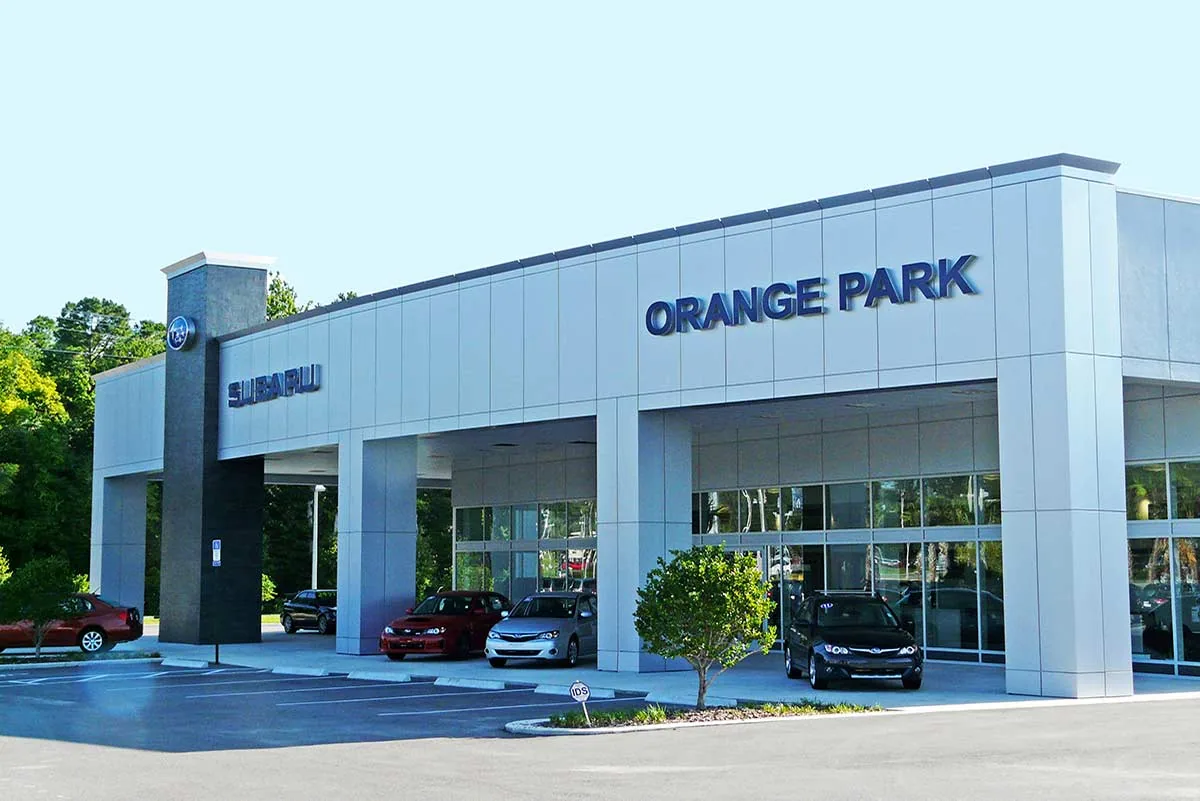
Auto Dealership Roofing in Rancho Cucamonga, CA
Is the roof money going to the leak over the showroom, a problem above the service bays, or a section that hasn't been looked at yet? The price needs to say which. Auto dealership roofing in Rancho Cucamonga, CA, connects what we find on the roof to the part of the building it affects and to a repair with a clear end point. We explain what the repair includes, how materials get to the roof and what other trades need to handle. The dealer decides when and where we can work.
One budget may cover several roof sections. Each section needs its own inspection and its own repair quantity.
Showroom and Service Roofs Get Separate Findings
We start with where the leak shows up inside and any drawings the dealer has, then find that spot on the roof. When did it leak, and has anyone recently worked on the roof or added equipment? The showroom roof and the service building often have different construction and different histories. A repair should match the roof it's on, not a guess about the whole property based on one leak.
A commercial roof inspection pins each finding to a spot on a roof plan, with a close-up photo and a wider shot. If the material or deck is uncertain, we recommend a specific check before putting it in the price.
That lets the dealer compare work that's ready to approve with a bigger option that still needs testing. A small repair may stop cleanly at sound membrane, or damage around it may need more rebuilding, and we explain why. If a wall, sign or HVAC unit needs another trade before the roof can be finished, that's listed in the proposal.
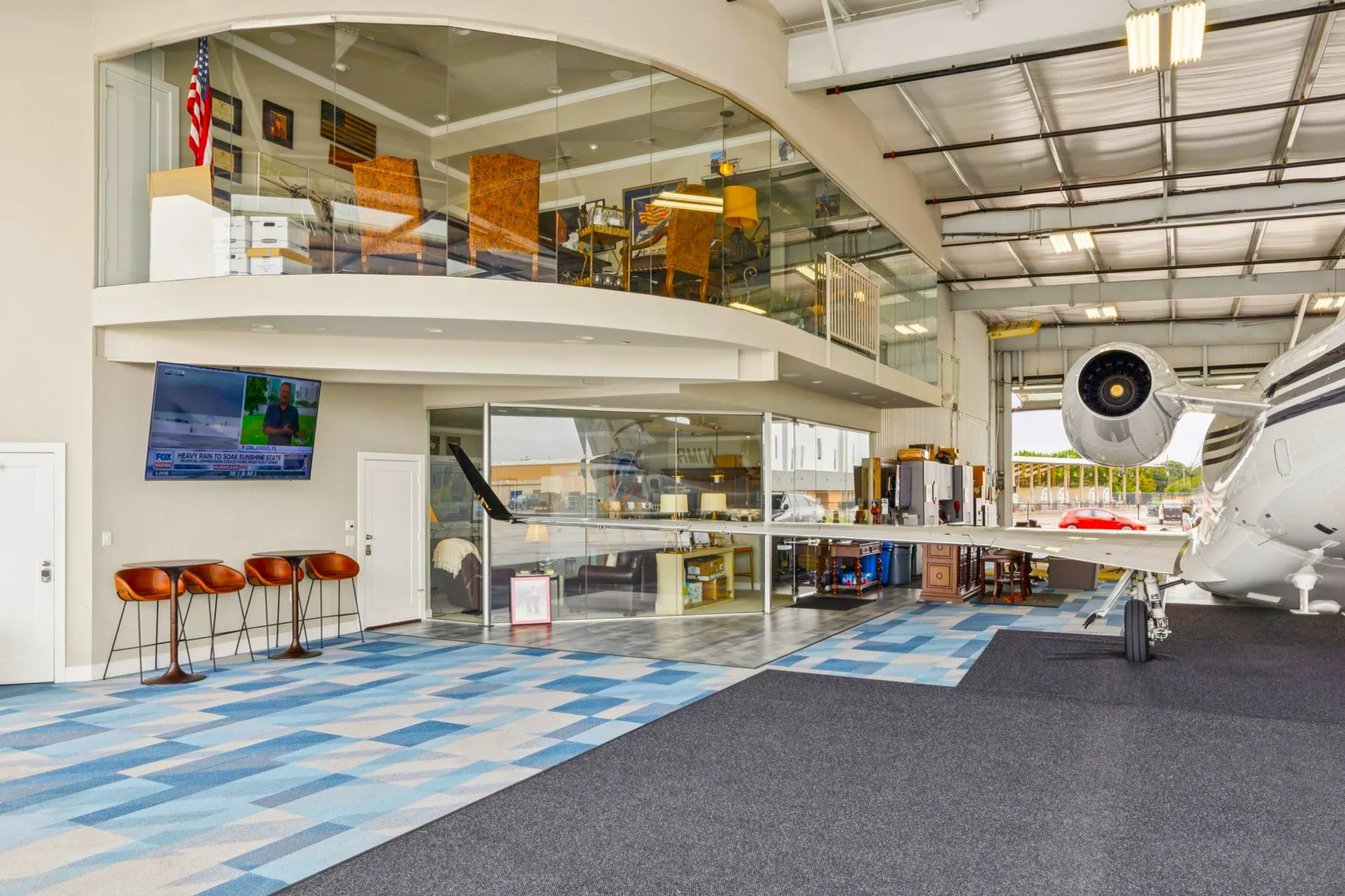
Working Around Vehicles and Customers
A dealership on Route 66 and another near Milliken Avenue each need their address and site contact confirmed. The dealer decides where the lift can go and which lanes stay open for vehicles. Customer parking and the spot for a material truck are usually not the same place. We share our staging area, material route and debris plan so the dealer can approve what works for that roof.
Our Cucamonga area roofing estimates include that approved setup. A longer carry or an extra lift move adds cost, and we explain the route instead of assuming the main entrance will work.
We agree on who can change the plan when sales or service schedules shift. Another building on the same lot may need a different setup. Material and equipment only arrive once the approved spot is ready.
We confirm how customer parking, vehicle photography, test drives and service-lane queues change through the day. A delivery truck or lift can disrupt several parts of the dealership at once, so we set exact staging and no-go areas with the operator. We protect inventory from debris and pick a route that doesn't cross an active vehicle delivery. If work moves to another building, we get a new sign-off instead of reusing the original route plan.
The Dealer Approves the Work Areas
We explain what we're removing, what we're rebuilding and which equipment needs coordinating. The dealer's contact decides which parts of the showroom, service drive or lot are affected and approves the barriers and protection. HVAC and electrical work stay with those trades. A different room or bay may need its own phase. That plan is written into the roofing scope before the schedule depends on it.
When reroofing occupied buildings like an active dealership, the approved plan sits right next to the roof quantities. If the affected area changes, protection or handling may change too, and we show the cost.
Each area is cleaned and reopened as agreed. If an HVAC or electrical crew still has to restore something, we note it next to the finished roof work. The owner can see clearly what roof work is done and what other task is still holding up that space.
Leaks at Glass, Signs and Rooftop Units
We compare the leak with the roof seams, edge metal and flashings around signs, glass walls and rooftop units. Water can travel inside the building before it shows up. Sometimes the cause is the storefront glass or a wall, not the roof. We tell you what the roof evidence shows and what the repair will fix, and flag anything that needs another trade to check.
Our penetration and flashing repairs start by checking the material and space around the detail. Old sealants and coatings affect prep, and the new flashing has to be compatible with the roof and installed to the manufacturer's instructions.
At the edge of a repair, we measure what has to be removed or rebuilt to reach sound material. A wall or curb fix may need another trade. If new rooftop equipment or signage is planned, we check its size and height against the roof before it's placed, so the flashing can be done right. Structure and utilities stay with the right contractors.
Larger Projects Include the Flashing and Drain Work
If a recover or tear-off is being considered, we need to know what's under the roof across that area. Test cuts are made with approval and patched the same day. One test describes one spot. The decision needs enough testing for the whole area, and an engineer reviews structural or attachment questions before we price the method.
We check the new roof height against walls, drains and equipment curbs, and the changes go with that option. A recover needs prep and the right attachment. A tear-off adds disposal and new insulation. Dealership access and any HVAC or electrical coordination are included so the prices describe complete jobs.
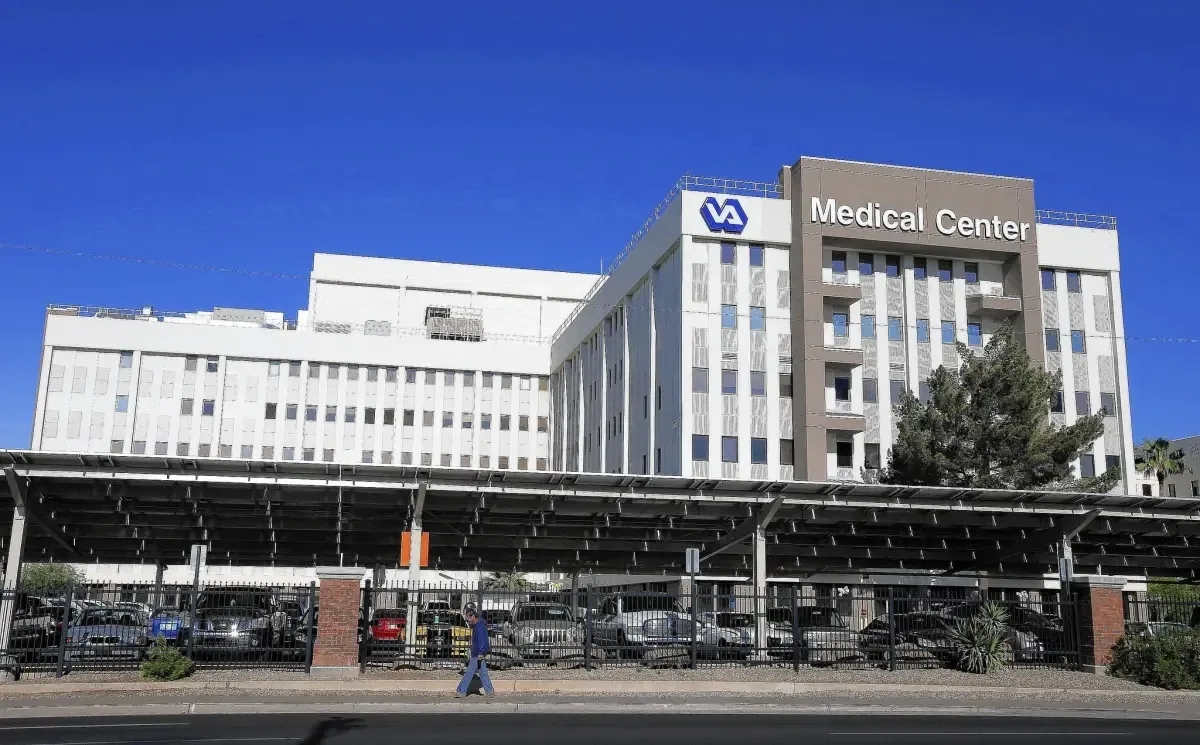
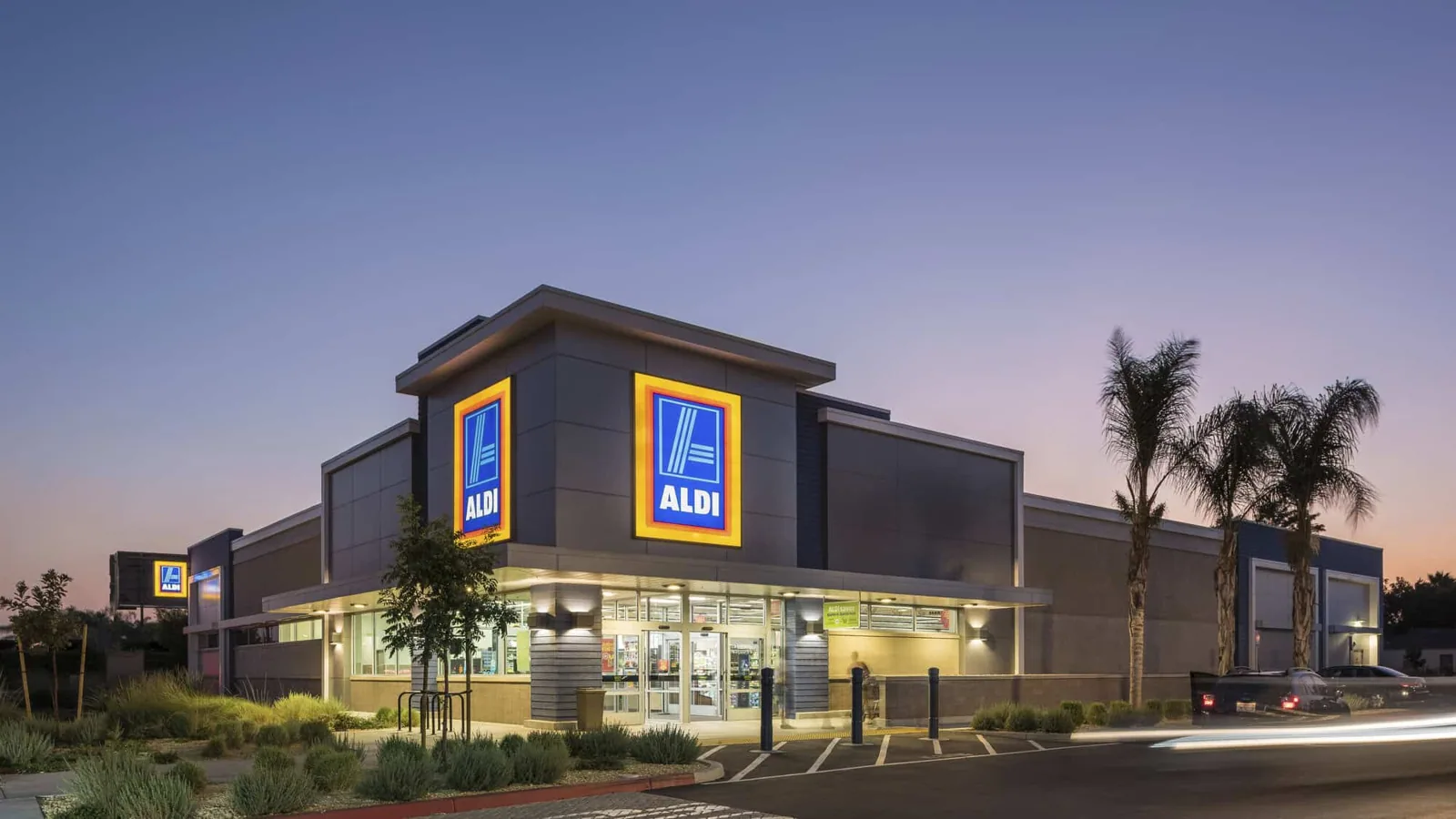
Buildings like big-box retail roofs and flex industrial roofs have different operators. This dealership's decision rests on its own findings and traffic plan. Another section of the same property isn't included automatically; it gets its own inspection.
Permits, Weather and the Closeout Record
We confirm whether the scope needs a permit and how California's Title 24 energy rules apply, including any exceptions. Summer heat and winter rain shape the schedule, and we watch Santa Ana wind forecasts when moving material. Installation waits for a dry, sound surface and the conditions the product requires. If another trade holds up a connection, we keep it protected.
The dealer can call about an urgent leak at night, on a weekend or on a holiday. Tell us where the water is and who can meet the crew. What we can do right away depends on crew availability, access and safe conditions. If we make a temporary repair, we explain the permanent one still needed.
If we find damage past the approved repair area, we show you where it is and what's needed to fix it, along with the added cost and schedule effect, and wait for approval. You get photos, a materials list and any approved changes. Open items for other trades stay on the list, so the next visit starts from a clear record.
Commercial Roofing Questions
How do you know which roof section the price covers?
We match the leak inside to the roof using drawings and an on-roof inspection, and mark each finding on a roof plan. Other sections get their own inspection.
How does vehicle traffic affect the roof job?
The dealer approves where we unload, place the lift and stage material. If that spot is far from the work or needs to move, extra handling is added to the price.
Who approves work near the showroom or service drive?
The dealer's contact decides which areas are affected and what protection is needed. HVAC and electrical crews handle their own restoration. That plan is part of the phase.
What does a repair at a sign or rooftop unit include?
Cutting back to sound material, compatible prep and new flashing. If a wall or curb also needs work by another trade, we coordinate it before the roof flashing is finished.
What if more damage is found during the work?
We show you where it is and what's needed to fix it, with the added cost and schedule effect. Nothing extra proceeds without your approval, and the change goes in the closeout record.
Get the Dealership Roof Repair and Full Cost
Book a roof walk with the dealership's facility contact. We'll explain the repair needed now and what to check before approving a larger project.