Commercial Roofing for San Bernardino Industrial Properties
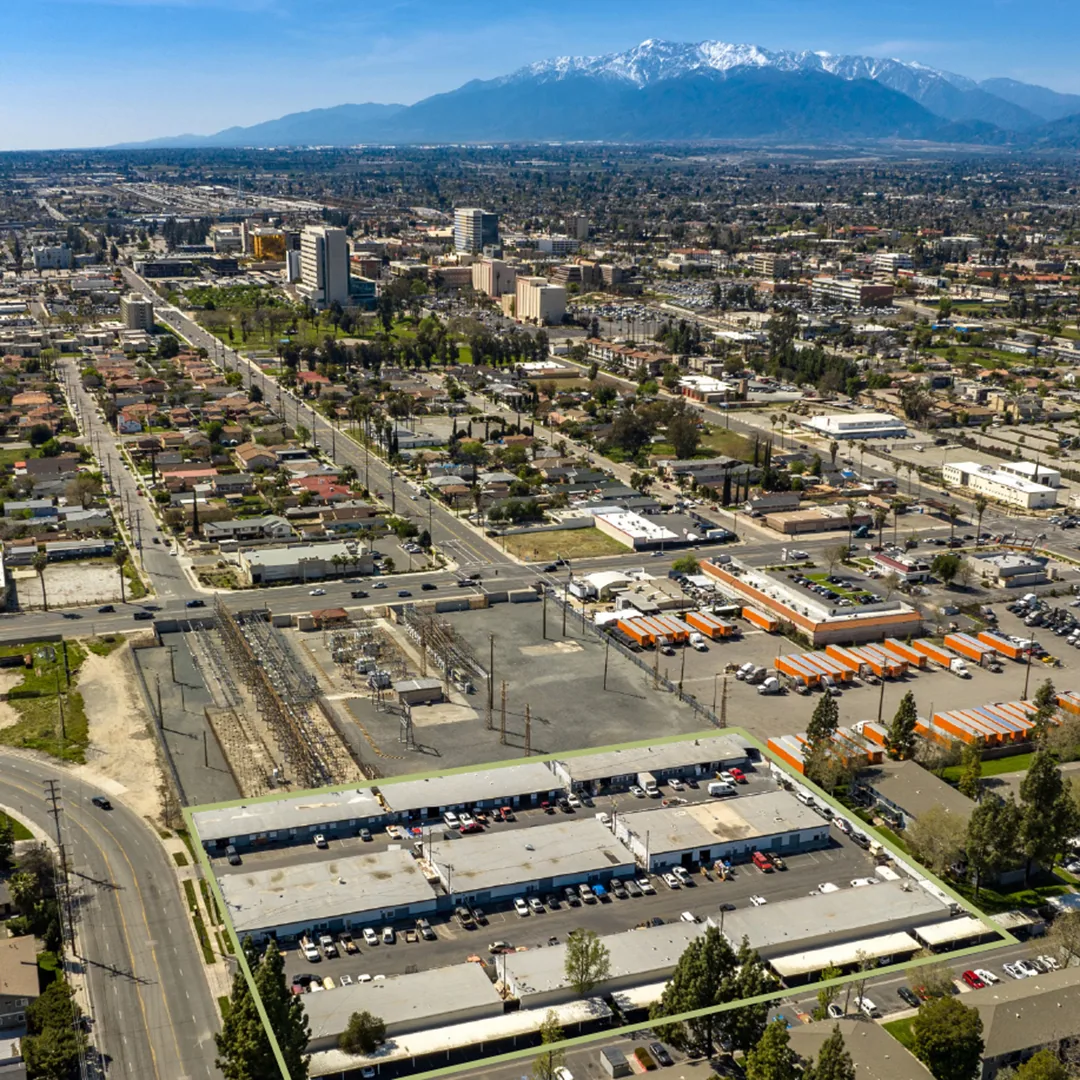
San Bernardino has industrial and logistics buildings in several parts of the city, from older shops near downtown to large distribution centers on the east side. Many sit under big, low-slope roofs that see intense sun and a short, sometimes heavy rainy season. When one leaks, owners and facility managers need to know where the water is getting in, what a lasting repair costs and how much life the roof has left.
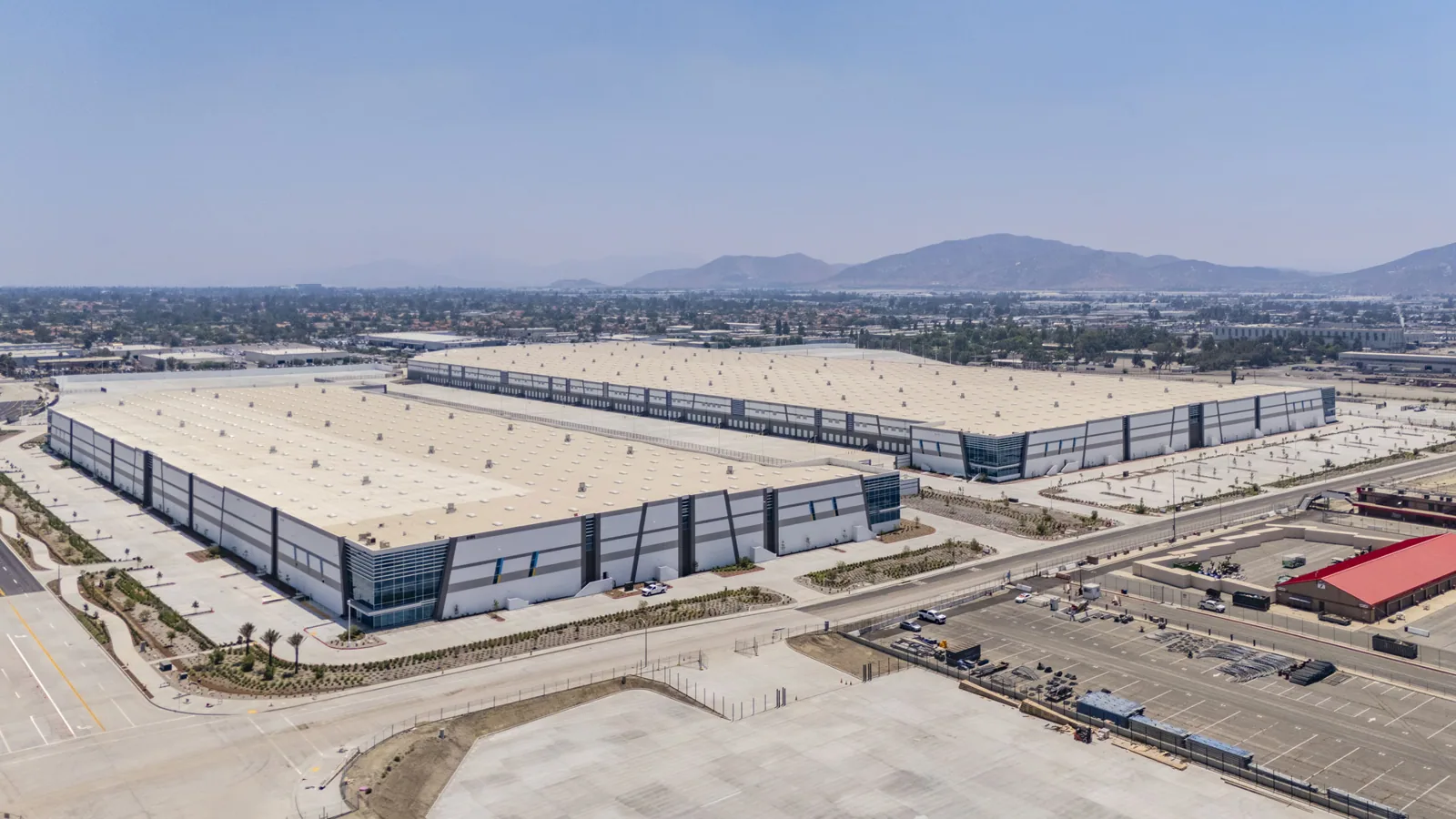
The former Norton Air Force Base has been redeveloped with commercial, warehouse and distribution buildings, and it is one of the best-known industrial areas in the city, though far from the only one. For every job, we confirm the building and who can approve work. The site contact tells us about access, operations and the roof section involved before we plan anything. Permits and any energy-code items are confirmed for the actual scope rather than assumed from another job.
Distribution and warehouse roofs
A distribution building roof covers racking, inventory, forklifts and constant truck traffic. Before work starts, we meet with the facility manager to learn which docks can close, which areas are busiest and what needs protection. Peak seasons usually rule out disruptive work.
Many sites near the former base have gate rules, check-in procedures and set hours for contractors. We confirm those ahead of time and follow them.
We choose staging spots that keep yard lanes open, size each day's work so it can be sealed before we leave and plan protection for racks or equipment below the work area. If an operator needs a section done before a busy week, we can usually reorder the phases. All of that planning shows up in the estimate, so the cost of working around operations is clear from the start.

What the inspection covers
We walk the full roof, checking field seams, wall flashing, skylights and smoke vents, HVAC curbs, drains and edge metal. On large industrial roofs, skylight curbs and drains clogged with dust are among the most common leak sources.
Each finding is photographed in context and up close so your maintenance team can find it again.
An industrial roof inspection may include core samples to check for wet insulation and count roof layers. Infrared scanning can cover large areas quickly when conditions are right, but we confirm suspect areas with cores before recommending tear-off. We also look at past repairs. Repeated patches in one spot usually mean the real cause has not been fixed, and the next repair needs to go further.
Older buildings in the area may have been expanded in phases, with newer roof sections tied into older ones. Those joints are common leak points. We also check paths worn to rooftop equipment, where foot traffic and dropped tools leave punctures that are easy to miss.
Choosing a repair that holds
When problems are limited to specific seams, curbs or skylights, a commercial roof repair is usually the best value. We remove failed material, use roofing compatible with the existing system and carry each repair onto sound membrane.
If the roof has wider problems, we compare repair, coating, recover and replacement, each priced with the flashing, edge and drain work it needs. That keeps the comparison fair.
On big roofs, the details drive cost. A recover raises the roof, which affects skylights, curbs and wall flashings. Wet insulation spread over large areas may make replacement the better long-term choice. Damaged deck sections must be fixed before anything new goes on. We explain which option fits the evidence and can phase work over several budget years, starting with the areas that matter most.
Equipment, drains and other trades
When rooftop equipment is added, moved or removed, the mechanical contractor and any engineer set curb sizes and supports. We flash the curbs after installation. Old openings get new deck and insulation before patching so they stay flat and dry.
We schedule our final roofing after other trades finish, so the roof is not cut open twice.
Drains on industrial roofs collect dust and debris quickly. Cleaning is routine maintenance. If water still ponds afterward, the cause may be slope, deck deflection under heavy units or a drain set too high. A plumber or engineer may be needed to fix it, and we price that separately from cleaning. Owners can then budget for regular upkeep and plan one-time corrections on their own schedule.
For sites with frequent equipment changes, we can set up a simple routine: the mechanical contractor lets us know when a curb is going in, and we schedule the flashing right after. That avoids temporary patches left in place for months.
What a leak costs on a big roof
On a large roof, a small hole can let water spread under the membrane well beyond the original opening. By the time a stain appears inside, the wet area may be much larger than expected. Fast reporting limits the damage. Ask staff to note where they saw water, when and in what weather.
Condensation from cooling equipment or dock doors can look like a roof leak, so we check for that too.
The area has hot, dry summers and most rain in the cooler months, so late summer and early fall are best for planned work. Santa Ana winds can lift edge metal and flashing on large exposed roofs. Permits and energy requirements depend on the building and scope, and we confirm them with the City of San Bernardino before ordering materials.
Records and nearby areas
We also work throughout San Bernardino and along the Ontario logistics corridor. We never price one roof from another building's numbers. In an emergency, we stop the water first and then return with the permanent fix.
If opening the roof turns up hidden damage, we pause, show you photos and explain the added cost. You decide how to proceed.
When the job is done, you receive roof condition reports with a roof map, before-and-after photos and the materials used at each location. Items to watch, like aging skylight curbs or drains that clog often, are listed with a suggested timeline. Facility managers use those reports for budgets and the next inspection.
Commercial Roofing Questions
Do you work at the former Norton Air Force Base area?
Yes. We confirm each site's gate rules and contractor procedures in advance and follow them on site.
Can work be scheduled outside peak season?
Yes. We plan disruptive work around your busiest periods and can phase larger projects.
Is infrared scanning enough to find wet insulation?
It is a useful guide, but readings can be misleading. We confirm suspect areas with core samples.
What causes ponding on industrial roofs?
Clogged drains, low spots in the deck, deflection under heavy units or drains set too high.
Get a clear answer on your industrial roof
Schedule a roof walk. We will explain the findings, the cost and how the work fits your operation.