
Commercial Roofing in La Verne, CA
La Verne's commercial roofs cover university buildings, small offices, older downtown storefronts and retail centers along the main roads. Many have been patched and recovered over the years. When a roof leaks, the owner or facility manager needs a straight answer on the cause, the cost of a proper fix and how much life the roof has left. We provide that in writing, backed by photos.
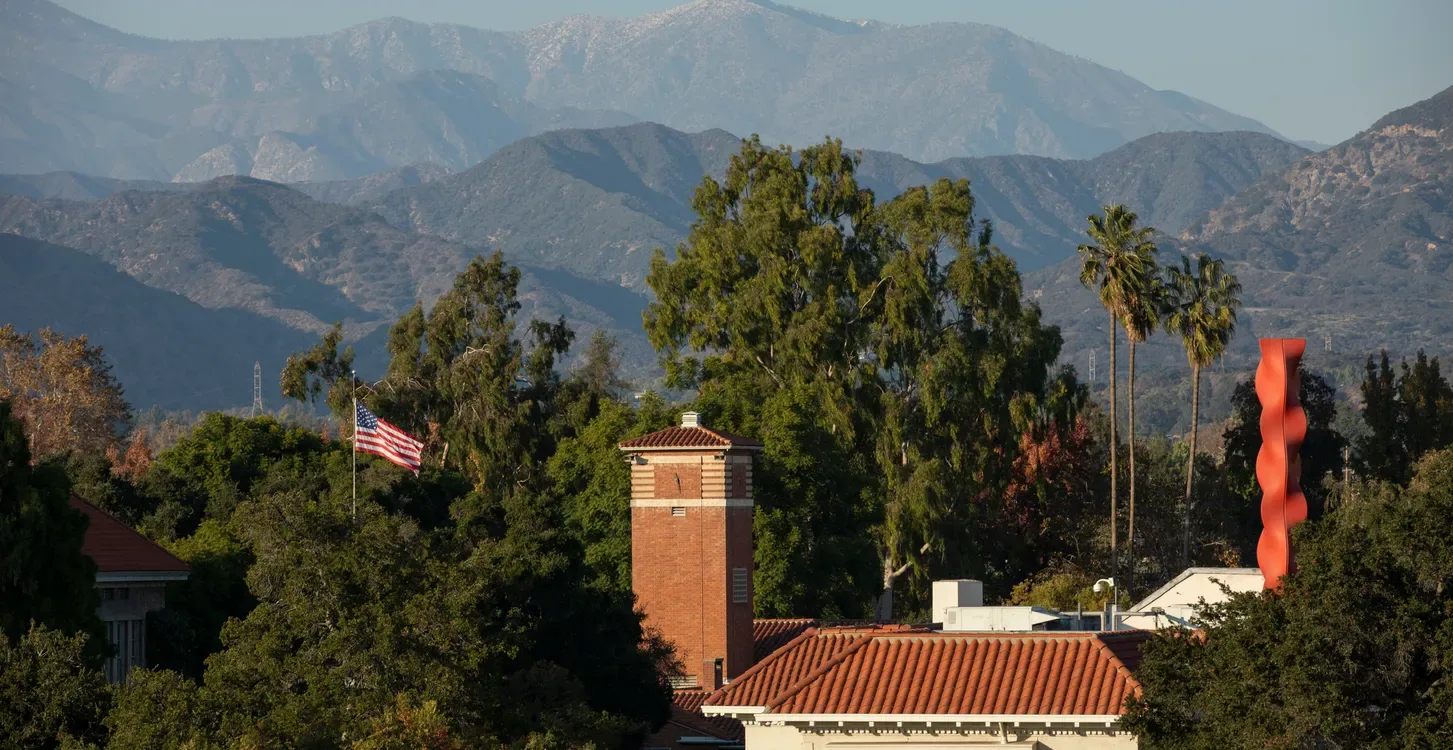
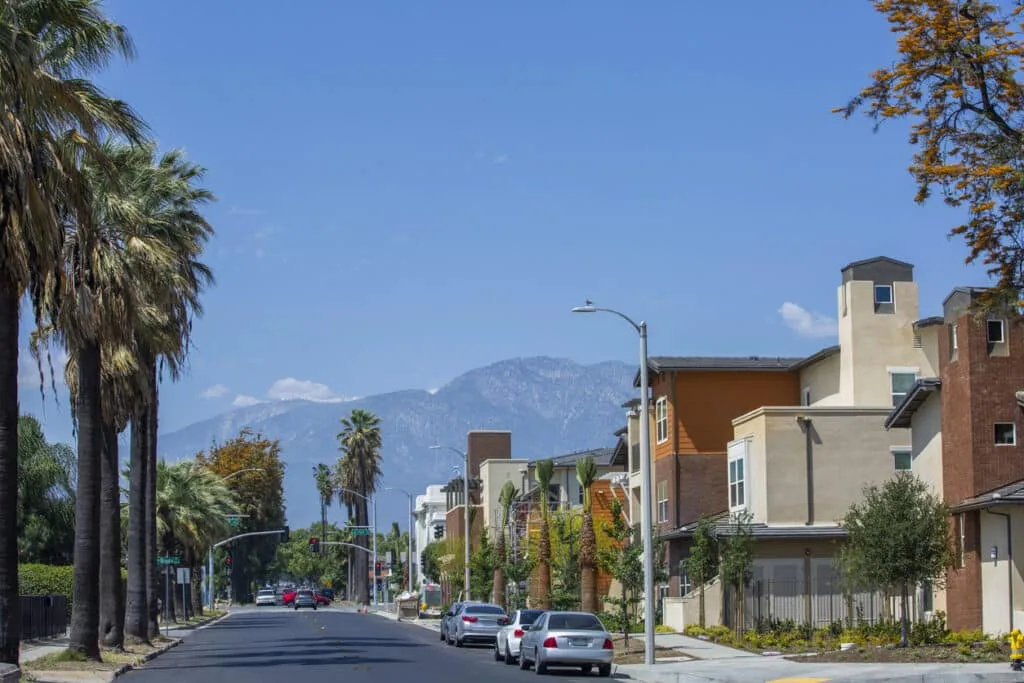
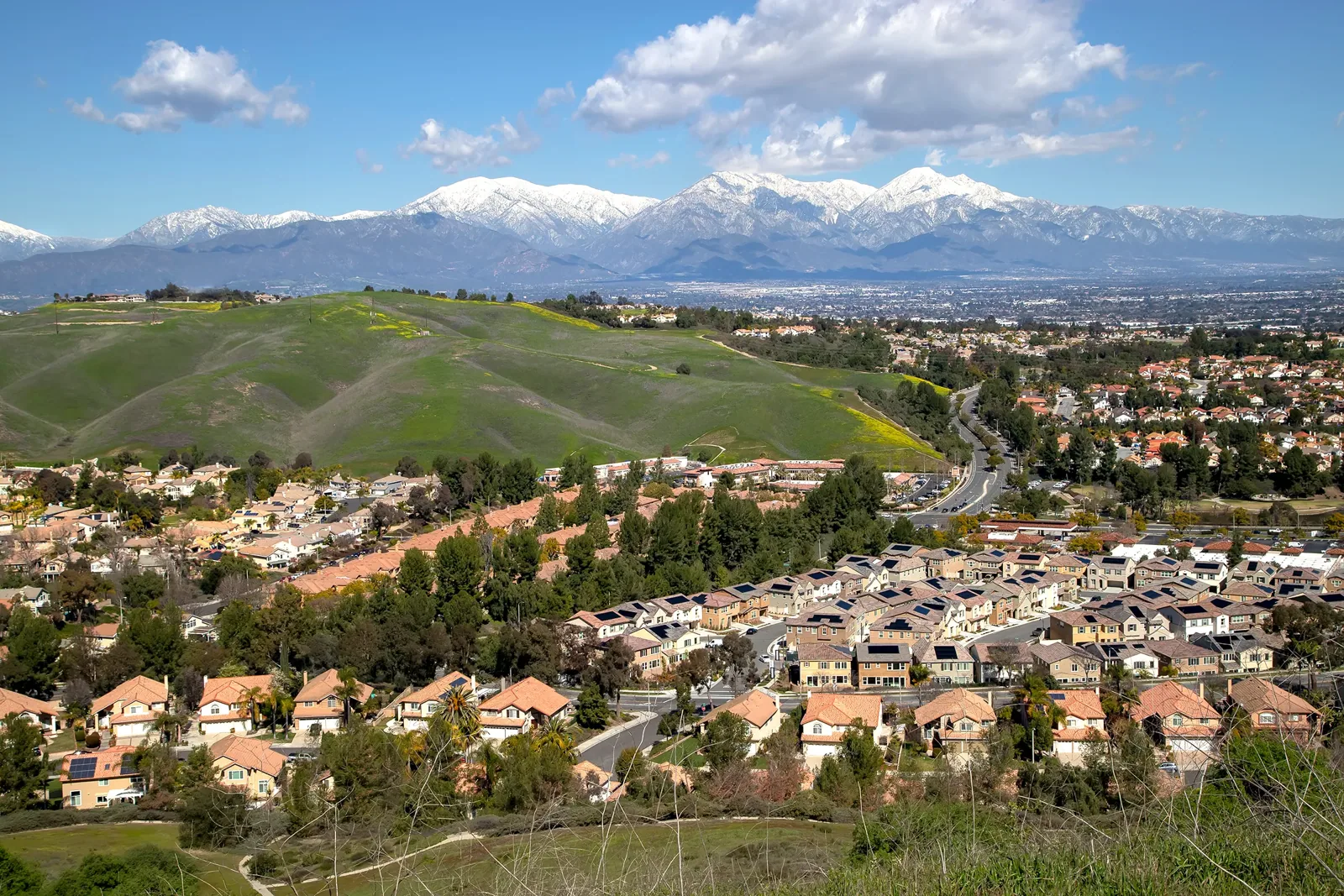
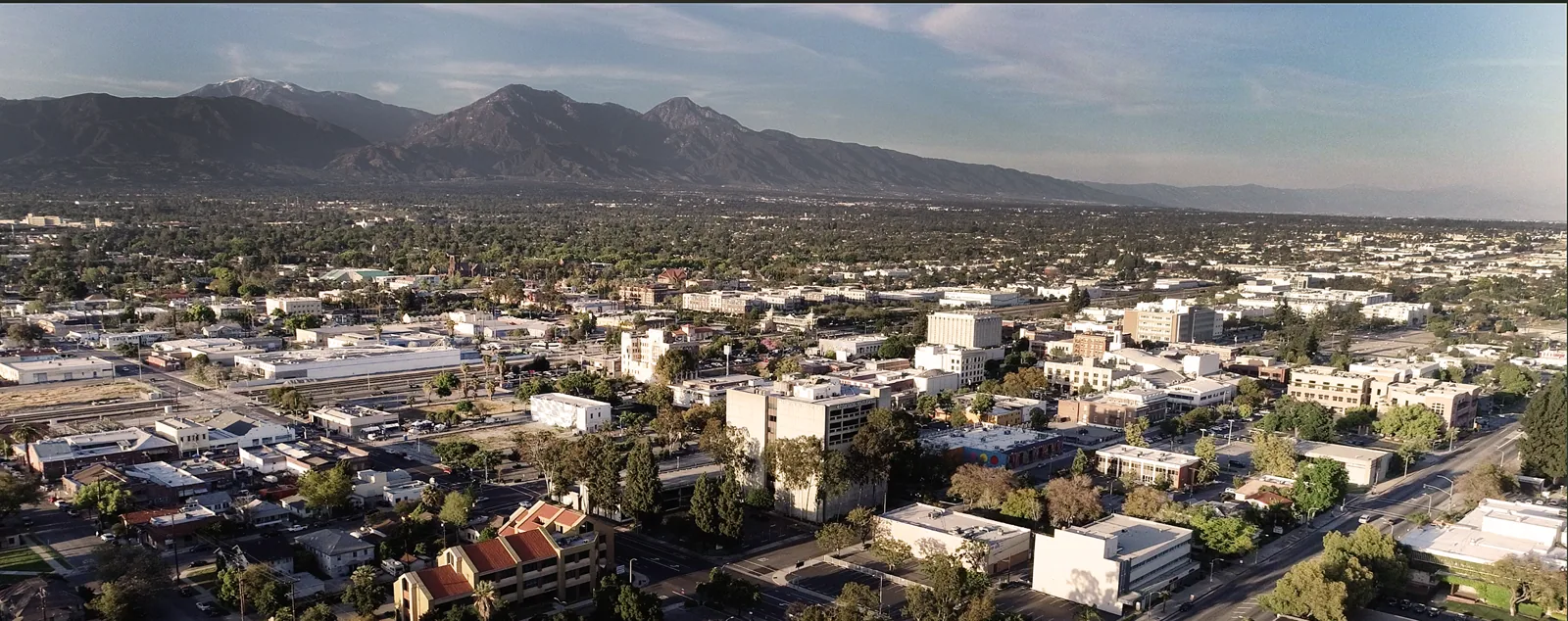
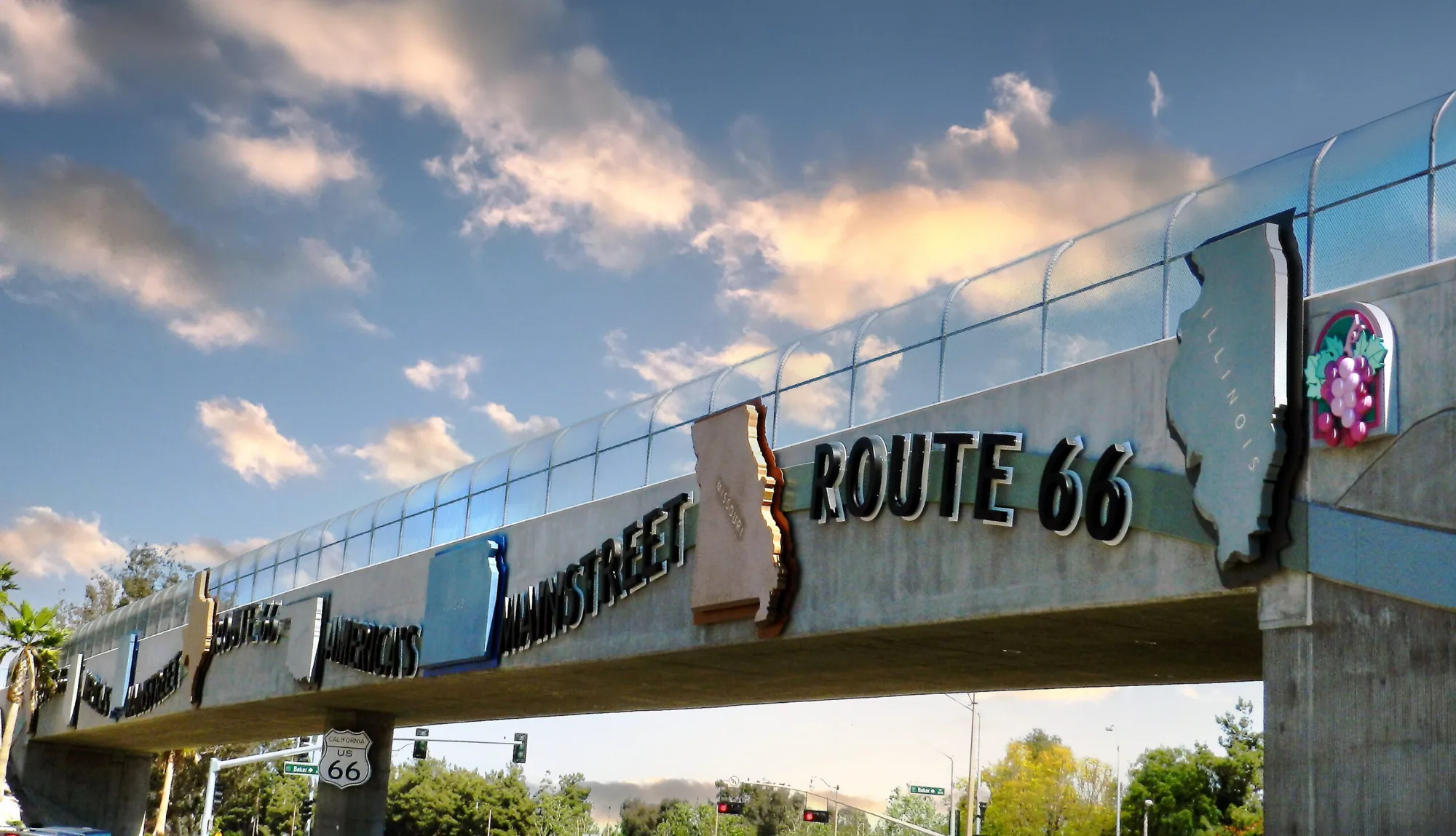
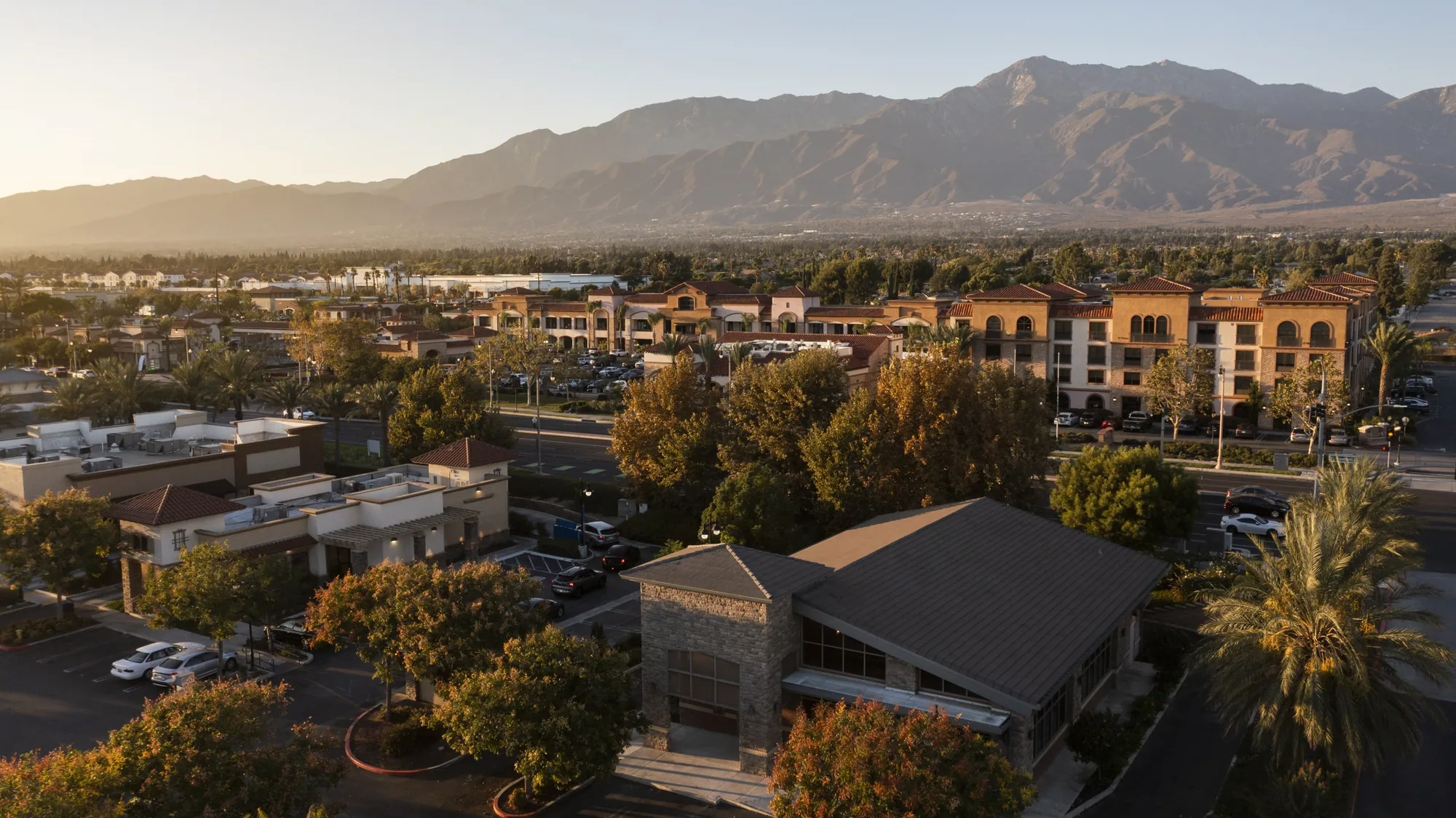
The University of La Verne is the city's best-known institution, with a campus that mixes older and newer buildings, and SR-210 and historic Route 66 both cross town, which sits in the Pomona Valley below the San Gabriel Mountain foothills. For each job, we confirm the building, the roof area and who can approve work. We then plan around what is going on inside before pricing anything. Permits and energy requirements are confirmed with the City of La Verne.
Start by finding the real source
The most expensive leak is the one fixed in the wrong place. Water inside a building often travels along a beam, a deck flute or a pipe before it drips, so the stain may be well away from the opening. Condensation from cold ducts or a blocked condensate line can also look like a roof leak.
A commercial roof inspection starts with what your staff saw: where the water appeared, when, what the weather was and whether anyone had recently worked on the roof. Then we check the likely paths on the roof above.
If the source is still unclear, a second visit after the next rain or a controlled water test may be worth the small cost before committing to a larger repair. And if the evidence points to a wall, window or mechanical problem instead of the roof, we tell you. Waiting too long has its own cost: wet insulation, stained ceilings and, over time, a damaged deck.
What a full roof walk covers
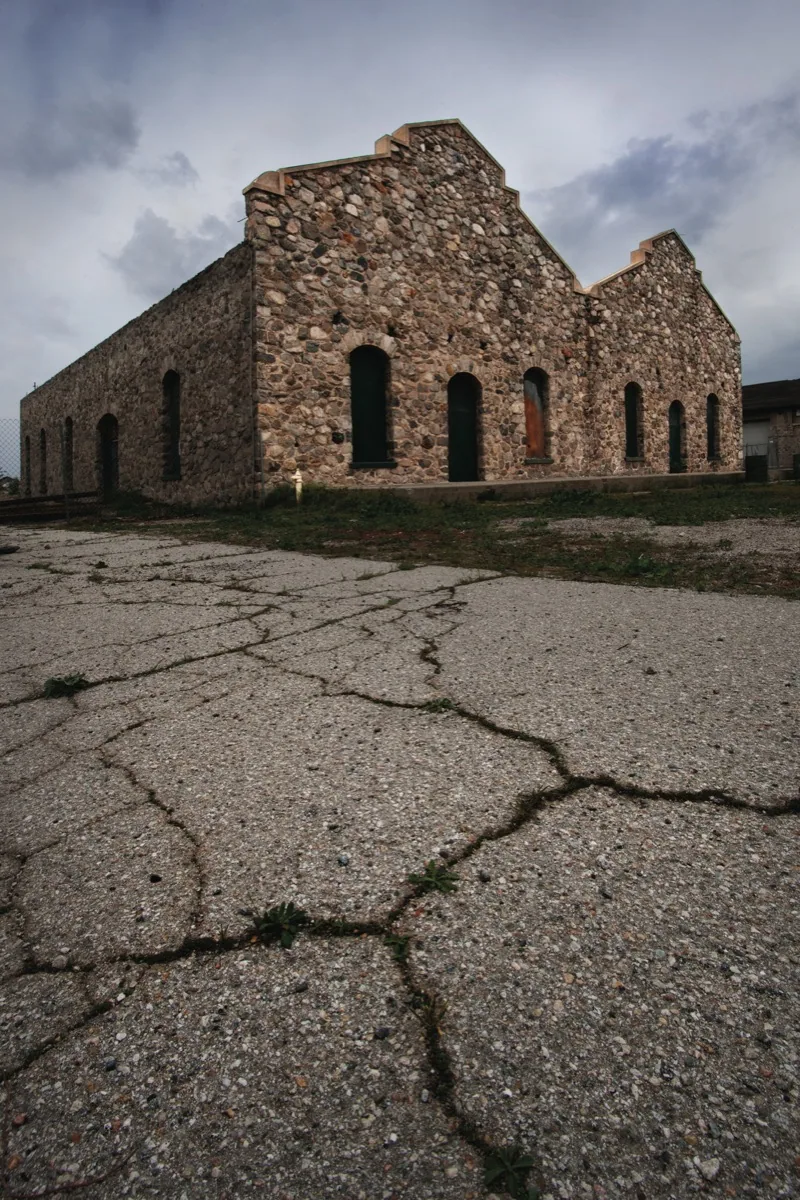
We walk the entire roof, not just the area above the stain. That includes seams, parapet and wall flashing, curbs under HVAC units, pipe boots, skylights, drains, gutters and edge metal. On older buildings, we also look for chimneys, abandoned equipment and other details that are easy to forget.
Each issue is photographed from a distance so you can find it and up close so you can see what is wrong.
Many La Verne buildings have more than one roof layer. Small core samples show how many layers there are and whether the insulation is wet, which matters for deciding whether a recover is even possible. Infrared scans can help locate suspect wet areas, but we confirm with cores before suggesting removal. We also review old patches. Repeated repairs in one spot usually mean the cause was never addressed.
Repair, recover or replace
A commercial roof repair is usually the best value when the problem is limited to a few details. We remove the failed material, use roofing compatible with what is there and carry the repair onto sound roof.
When the roof is worn or wet across larger areas, we compare repair, coating, recover and replacement. Each option includes the flashing, edge and drain work it needs, so you can compare complete projects.
On older buildings, the details often drive cost. A recover adds height, so wall flashings, door thresholds and equipment curbs may need to be raised. Decorative parapets and tight downtown access add labor. We explain those items in the estimate so the numbers make sense and you can see what a cheaper bid may have skipped. If a repair is only meant to bridge the gap to replacement, we say so, and we give you a rough sense of how long it should hold so you can plan.
Campus and institutional buildings
A college or university roof sits over classrooms, offices, labs and residence halls, and the academic calendar shapes when work can happen. We meet with facilities staff to agree on dates, crew entry points, staging areas and safety rules near students and staff.
Disruptive work is usually planned for summer or breaks. Smaller repairs can be done in the evening or on weekends with the space below protected. Roofing can create odors, so air intakes near the work may need to be shut down briefly, which we coordinate with the campus HVAC team.
Churches, community buildings and medical offices in La Verne get the same kind of planning, adjusted for their schedules. All protection and off-hours work are listed in the estimate so the owner sees the full cost before approving.
Working with other trades
When HVAC units are replaced, the mechanical contractor decides curb size and support. We flash the new curb after it is set. If a unit is removed, we close the opening with new deck and insulation before patching so it does not sag.
We schedule our final roofing after the other trades finish, so it is not cut open again.
Drains and gutters need regular cleaning, especially near the foothills and mature trees. If water still ponds after cleaning, the cause may be slope, a low deck or a drain set too high. A plumber or engineer may need to be involved, and we list that separately from routine cleaning.
The local climate is hot and dry in summer, with most rain in the cooler months. Late summer and early fall are the best time for planned repairs. Santa Ana winds can loosen edge metal and flashing, so those areas are worth a check after strong winds.

Reports and nearby areas
We also serve nearby Claremont and San Dimas, and each building gets its own inspection and estimate. In an emergency, we make the roof watertight first and follow up with a written plan for the permanent repair.
If opening the roof shows more damage than expected, we stop, photograph it and explain the added cost. Nothing is sealed over until you approve it.
When the work is complete, you receive roof condition reports with before-and-after photos, repair locations and the materials used. Items to watch, such as a skylight nearing the end of its life or a curb to rebuild with the next HVAC change, are listed with a suggested next step. Campus planners and building owners use that record to plan budgets and to give the next inspection a clear starting point.
Commercial Roofing Questions
Why is the leak not directly above the stain?
Water often runs along beams, pipes or the deck before dripping. We trace those paths from the roof.
Is a water test worth paying for?
When the source is unclear, a test can prevent paying for the wrong repair. It is usually a small cost compared with a large repair.
Can roof work be done during the school year?
Small repairs can be done after hours. Larger work is usually planned for summer or breaks.
What if the problem is not the roof?
We will tell you, and suggest who should look at the wall, window or mechanical issue.
Get a clear answer on your La Verne roof
Book a roof walk. We will explain what we found, what it costs and when the work can be done.