
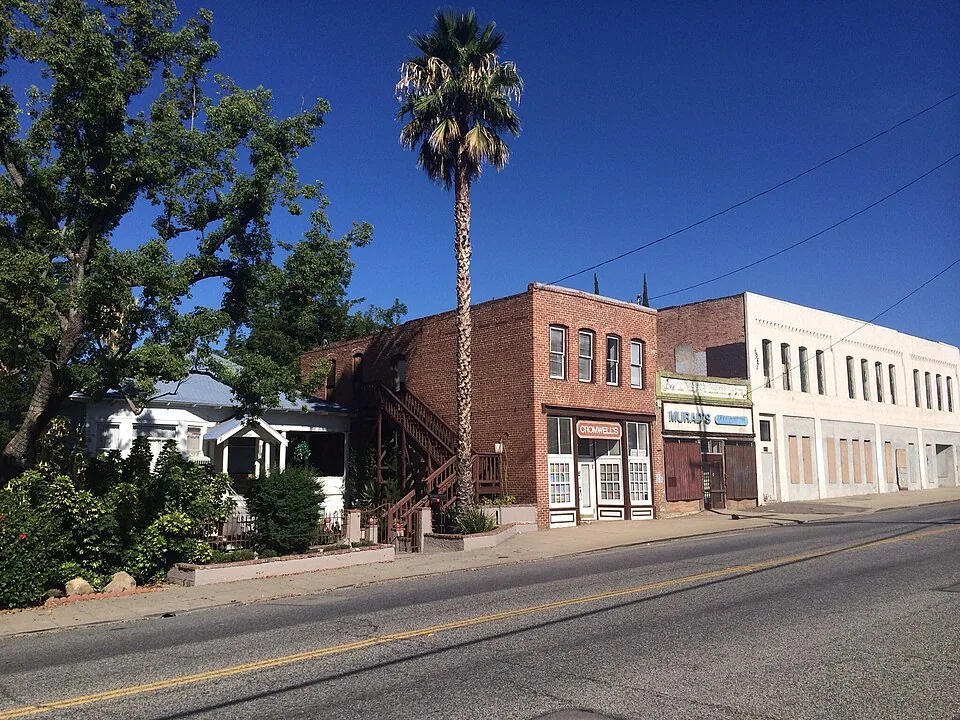
Commercial Roofing in Highland, CA
Highland's commercial buildings sit close to the mountains, and their roofs feel it: strong winds, heavy debris from nearby slopes and, in some years, smoke and ash from wildfires. When a roof leaks or a storm passes through, owners want to know what happened, what it will take to fix and whether the rest of the roof is still in good shape. Our estimate answers each of those, with photos to back it up.
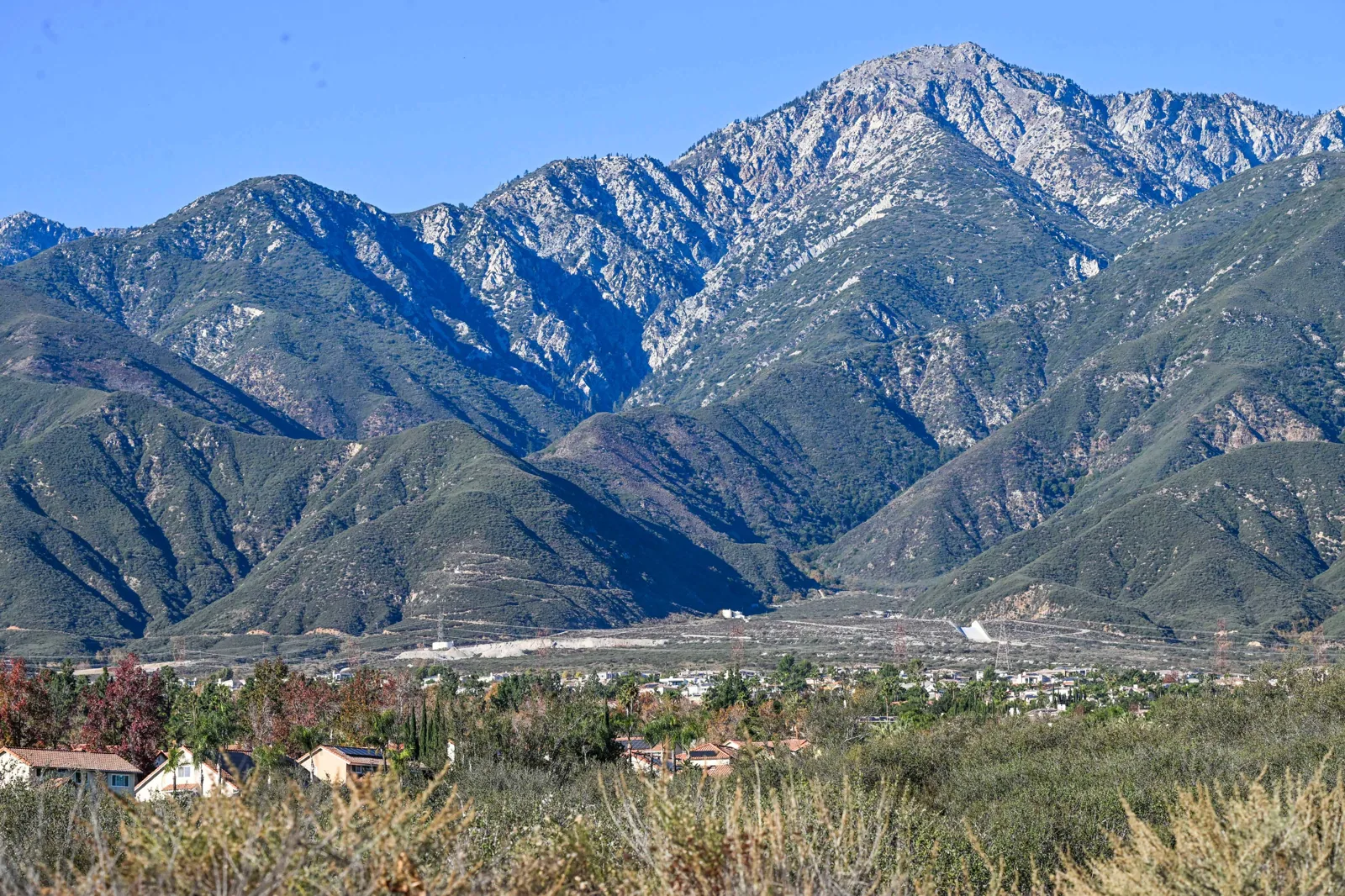
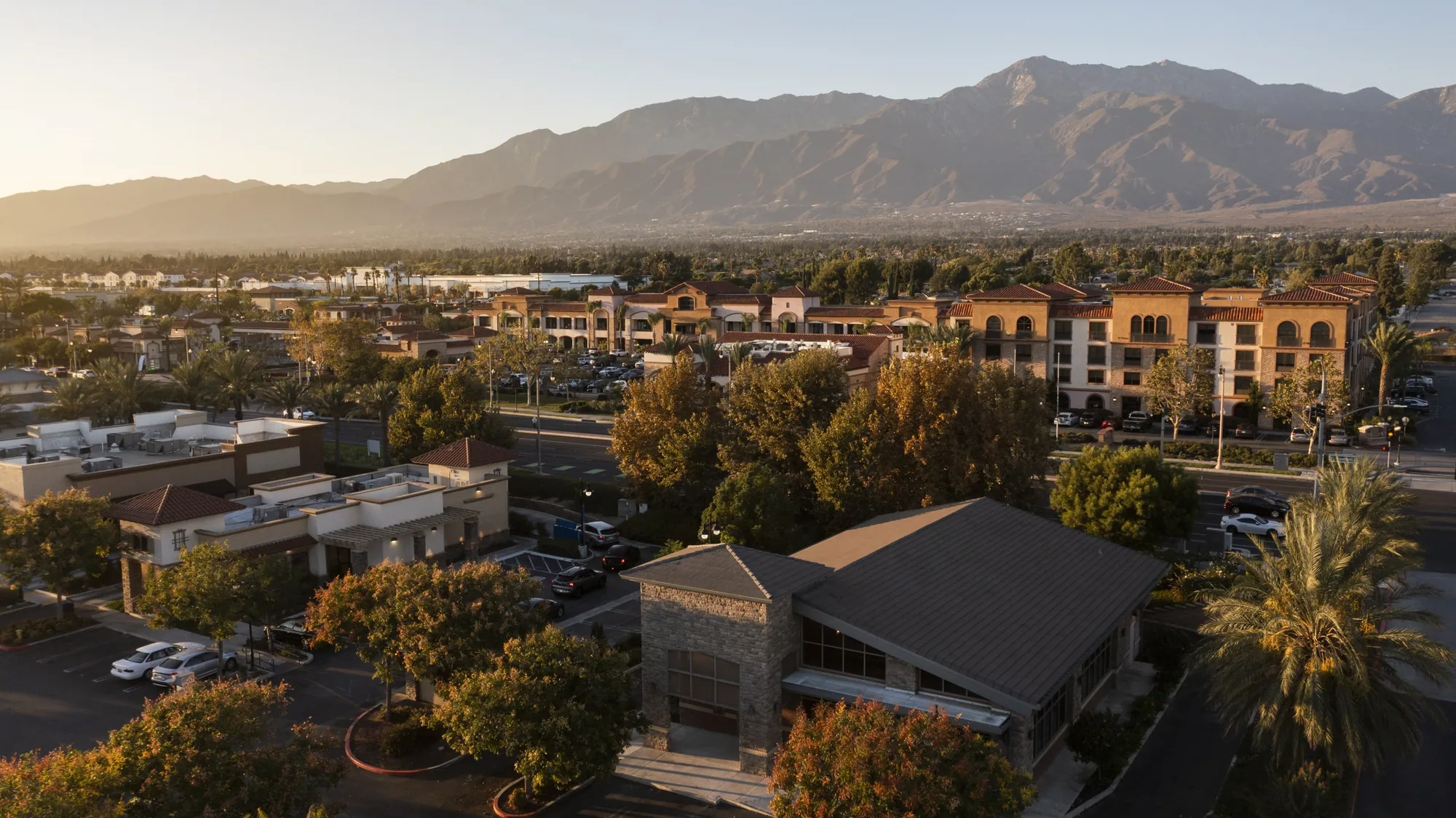
Highland sits at the southern base of the San Bernardino Mountains. The 2024 Line Fire began near Highland along Baseline Road, a reminder that fire season is part of life here. For any job, we confirm the building, the roof area and who can approve work, then check the roof itself before pricing anything. Permits and energy requirements are confirmed with the City of Highland.
Checking a roof after fire, wind or storms
After a storm, a high-wind event or nearby fire, a careful roof check is worth the time. We look for loose or lifted edge metal, torn flashing, punctures from blown debris, and ash or leaves packed into drains and gutters. Ash and debris do not always mean damage, but clogged drains can cause ponding and leaks on the next rain.
We photograph every finding in context and up close, so you can see what we saw.
A commercial roof inspection covers the whole roof, not just the obvious damage. That includes seams, curbs, pipe boots, skylights and walls. If we suspect wet insulation, we take core samples to confirm it. Infrared scans can help locate suspect areas, but we check them with cores before recommending removal. We report what we can confirm and do not claim damage we cannot show.
Highland roofs also tend to collect pine needles, leaves and grit carried down from the slopes. Left in place, that debris holds moisture against the membrane and speeds up wear around drains and walls.
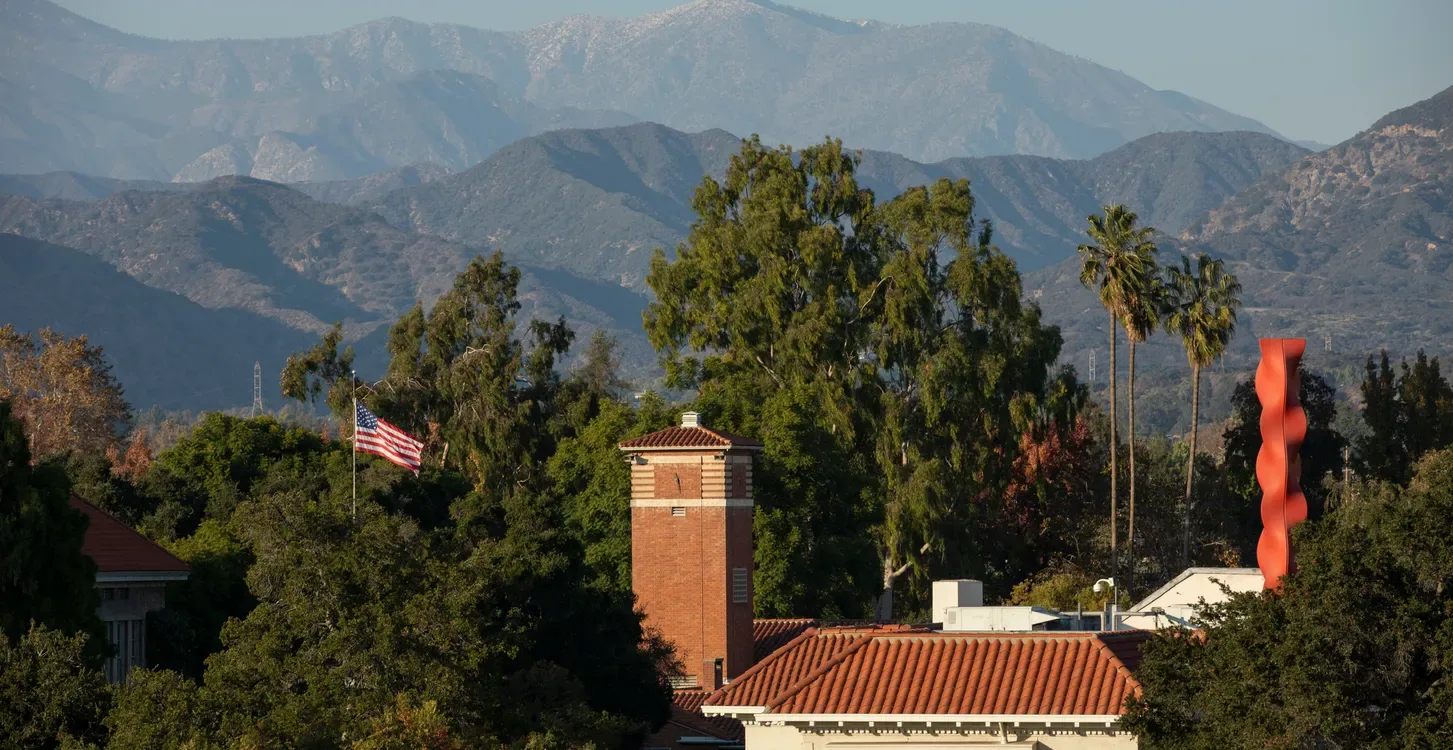


Office and commercial buildings
An office building roof in Highland often covers medical, professional or government tenants who need a dry, quiet building. Before work starts, we ask the property manager which suites are under each area and when they are busiest.
Noisy work is scheduled for approved times. Air intakes near the work area may need to be turned off briefly, which we coordinate with the HVAC contractor. That is especially important after a fire, when tenants may already be sensitive to smoke and odors.
We choose a staging area that keeps parking and entrances open and size each day's work to be sealed before we leave. Retail centers and mixed-use buildings get the same planning, adjusted for store hours and deliveries. All protection and scheduling steps are included in the estimate so the owner can see the full cost before approving the work.
Picking the right fix
For damage limited to an edge, curb or seam, a roof repair is usually the right answer. We remove the damaged material, use roofing compatible with what is there and tie the repair into sound roof on all sides.
If damage or wear is widespread, we compare repair, coating, recover and replacement, each priced with the flashing, edge and drain work it needs. That gives you a true comparison.
If you are working with an insurer after a storm or fire, clear photos and a written description of what we found help everyone understand the scope. We describe the damage we can confirm and the work needed to fix it. Decisions about coverage are between you and your insurer, but good documentation makes that conversation easier. We also flag any hidden costs, like deck repair or taller curbs, so the estimate is complete.



Equipment, drains and timing
When HVAC equipment is replaced, the mechanical contractor sets the curb and support, and we flash it after installation. Removed units leave openings that need new deck and insulation before patching. We schedule our work after other trades finish so the roof is not reopened.
Drains and gutters in Highland can fill quickly with leaves, ash and debris from the slopes. Cleaning them is routine and is especially important before the rainy season and after any nearby fire.
If water still ponds after cleaning, the cause might be slope, a sagging deck or a drain set too high. Correcting it may involve a plumber or engineer, and we price that separately. Keeping cleaning and correction apart in the estimate helps owners budget and decide what to tackle first.
For buildings near open hillsides, we can set up a simple maintenance schedule with a visit before the rains and another after the windy season. It is one of the least expensive ways to protect a roof here.
Why leaks should not wait
Water inside a building may travel along a beam or pipe before it drips. Condensation from cold ducts can also look like a leak. When tenants report water, ask for the location, the time and the weather, and note any recent work on the roof. That helps us find the source quickly.
A leak left alone can soak insulation, damage ceilings and rust the deck. After a storm, the sooner the roof is checked, the easier it is to tie damage to the event.
Summers are hot and dry, most rain falls in the cooler months and Santa Ana winds can blow hard along the foothills. Edge metal and flashing are the first things wind tries to lift, so they deserve a check after strong winds. Late summer and early fall are the best times for planned repairs before the rains arrive.
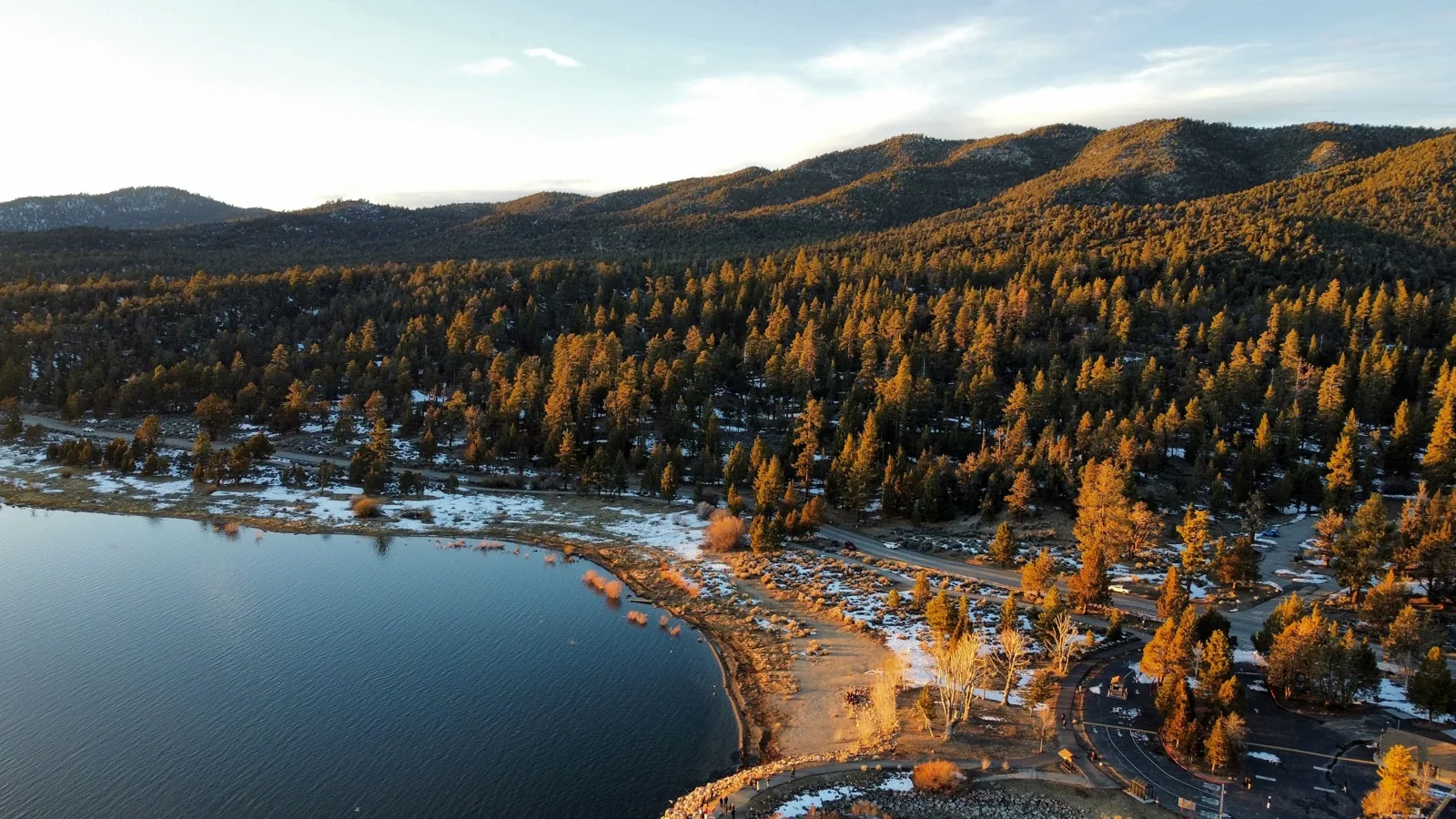
Your records and next steps
We also serve nearby Redlands and San Bernardino, and each building gets its own inspection and estimate. In an emergency, we stop the water first and then return with a plan for the permanent repair.
If opening the roof shows more damage, we photograph it and explain the added cost. We do not close anything up without your OK.
When the work is done, you receive roof condition reports with before-and-after photos, repair locations and materials used. We also note items to watch, like edges that may need more attachment or drains that clog often. That record is useful for insurance questions, budgeting and the next inspection.

Commercial Roofing Questions
Should I have my roof checked after a nearby fire?
It is a good idea. Ash and debris can clog drains, and embers or heat can damage roofing. We report what we can confirm.
Can you help with an insurance claim?
We provide photos and a written description of the damage and repair. Coverage decisions are between you and your insurer.
What does wind usually damage first?
Edge metal and flashing. Loose edges let wind get under the roof, so we check them after strong wind events.
When should drains be cleaned in Highland?
Before the rainy season and after storms or fires that leave debris on the roof.
Get a clear answer on your Highland roof
Schedule a roof walk. We will explain what we found, what it costs and what to do next.