Commercial Roofing in Fontana’s Industrial Corridor
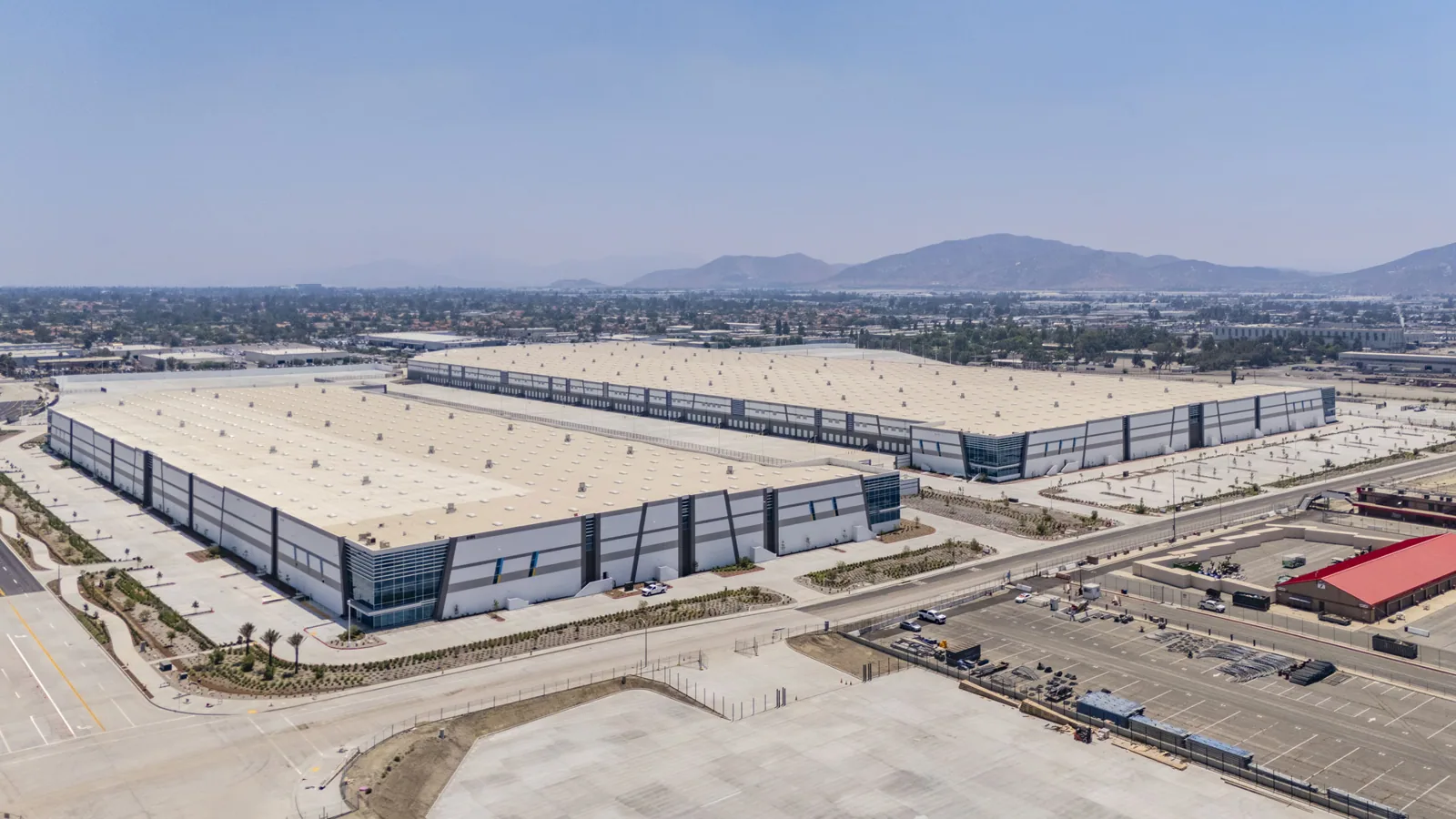
Fontana's industrial corridor is full of large roofs over warehouses, truck terminals, manufacturing plants and steel-related operations. These roofs carry heavy equipment, collect dust and take punishing summer heat. When one leaks, owners and plant managers need to know quickly where the water is getting in, what a lasting repair will cost and how much life the roof has left.
Fontana's economy leans heavily on industrial uses, especially trucking. The former Kaiser Steel site and the operating California Steel plant are part of the city's industrial history and present, but every building here has its own roof and its own problems. For each job, we confirm the building, the operator and the roof area involved, then check the access route and plan the work around operations before pricing anything. Gate rules, truck traffic and site safety requirements all shape how a roof job runs here.
Manufacturing and heavy industrial roofs
A manufacturing plant roof may support exhaust fans, dust collectors, process piping and large HVAC units. The floor below may run around the clock. Before work starts, we ask the plant manager about shifts, sensitive equipment, safety rules and areas that cannot get wet or dusty.
Some areas can be cleared below the work zone. Others need tarps, temporary barriers or night shifts. Truck terminals and warehouses have their own challenges: trailers moving constantly, docks that cannot close and forklifts in every aisle. We plan staging away from main lanes and size each day's work so it can be sealed before the crew leaves.
All protection, off-hours work and coordination costs go into the estimate so the full price is clear before the job starts.
What we look for
We walk the entire roof: seams, wall flashings, HVAC curbs, exhaust fans, pipe penetrations, skylights, drains and edge metal. Industrial roofs often have years of patches and alterations, and those tell us a lot about where trouble keeps returning.
Each issue is photographed in context and up close so your maintenance team can find it again.
A commercial roof inspection can include core samples to check for wet insulation and to count roof layers. Infrared scanning may help locate wet areas on large roofs, but we confirm with cores before recommending tear-off. We also look for residue near exhaust outlets, since oils and chemicals can degrade some roof membranes. Older metal roofs in the corridor get checked for rust, loose fasteners and failed seam sealant.
We also look at how the roof has been used. Foot traffic paths to equipment, areas where materials have been stored and spots where tools have been dropped all leave damage that is easy to miss. Walkway pads in those areas can prevent repeat punctures.
Repair, recover or replace
A commercial roof repair is the right first step when problems are limited to specific details. We use materials compatible with the existing roof and any residue on it, and we carry each repair to sound material.
When problems are widespread, we compare repair, coating, recover and replacement. Each option includes the flashing, edge and penetration work it needs so you are comparing complete projects.
Industrial details drive cost. A roof with many pipe and conduit penetrations takes far more labor than open field area. A recover raises the roof, which may require taller curbs and flashings. Damaged deck sections must be replaced before new roofing goes down. We explain those items in the estimate so you can see what a lower bid might be missing. For large roofs, phased replacement over several budget cycles is often an option.
Equipment changes and drainage
Equipment changes are constant in industrial buildings. When units, fans or supports are added, moved or removed, the equipment supplier and any engineer set the size, weight and support. We flash them once installed. Openings left by removed equipment get new deck and insulation before patching, so they stay flat and dry.
We schedule roofing to finish after other trades, so the roof is not opened twice.
Drains on industrial roofs collect dust and debris quickly. Cleaning is maintenance. If water keeps ponding, the cause may be slope, deck deflection under heavy equipment or a drain set high. Fixes may involve a plumber or engineer, and we price them separately from cleaning so plant managers can budget for routine upkeep and one-time corrections.
For plants with frequent equipment changes, we can set up a simple process: the mechanical contractor tells us when a curb is going in, and we schedule the flashing right after. That avoids temporary patches that are left in place for months.
Leaks, weather and timing
Water inside an industrial building can come from the roof, wall panels, skylights, process lines or condensation from cold equipment. When staff note where and when water appeared and what the weather was, the search goes faster. If the evidence points to something other than the roof, we say so.
Ignoring a leak risks wet insulation, rusted deck and damaged product or equipment.
Summers here are hot and dry, with most rain in the cooler months, so summer and early fall are best for planned work. Santa Ana winds can loosen edge metal and flashing, especially on large exposed roofs. Permits and energy requirements depend on the building and scope, and we confirm them with the City of Fontana before ordering materials.
Reports and records
We also work throughout Fontana and in the Rancho Cucamonga industrial district, and each building gets its own inspection and estimate. In an emergency, we stop the water first and follow up with a permanent repair and written list of open items.
If opening the roof shows more damage than expected, we stop, photograph it and explain the added cost. The crew waits for your sign-off before going further.
When the job is done, you receive roof condition reports with before-and-after photos, a roof plan marking each repair location, and the materials used. Items to watch, like a curb to rebuild during the next equipment change, are listed with a suggested timeline. That record helps plant managers plan budgets and gives the next inspection a clear starting point.
Commercial Roofing Questions
Can you work on a roof over an active plant?
Yes. We plan protection, access and timing with the plant manager and can work nights or weekends if needed.
Do you work on metal roofs?
Yes. We check for rust, loose fasteners and failed seams and recommend repair, coating or replacement depending on condition.
Why do penetrations add so much cost?
Each pipe, conduit or support needs hand-built flashing. A roof with many of them takes much more labor than open field.
Can a roof replacement be phased?
Yes. We can start with the worst sections and finish each phase at a sealed edge so the roof stays watertight between phases.
Get a written answer for your industrial roof
Schedule a roof walk. We will explain the findings, the cost and how the work fits your operation.