Johns Manville Roofing in Rancho Cucamonga, CA
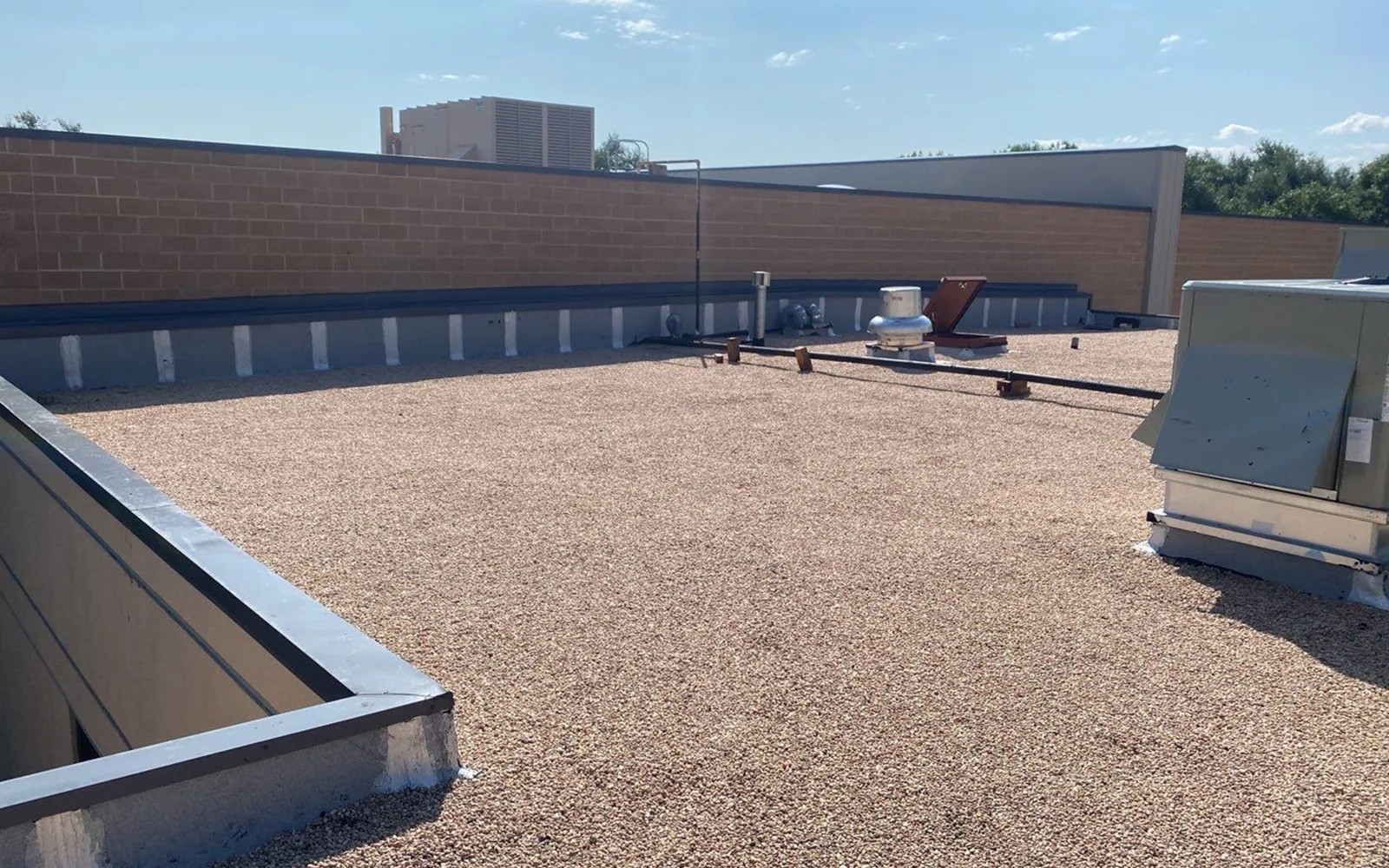
Does the Johns Manville roof proposal include raising the drains, curbs and wall flashings that a thicker new roof will need? That alone can change the total cost a lot. For Johns Manville roofing in Rancho Cucamonga, CA, we match the installed products to what we find on the roof and recommend either a targeted repair or a bigger project. You see the edge and detail work included, not just a square-foot number.
Roof records help when they match the section in question. We still inspect the actual roof and where the repair has to end before pricing it.
The Installed Product Leads the Review
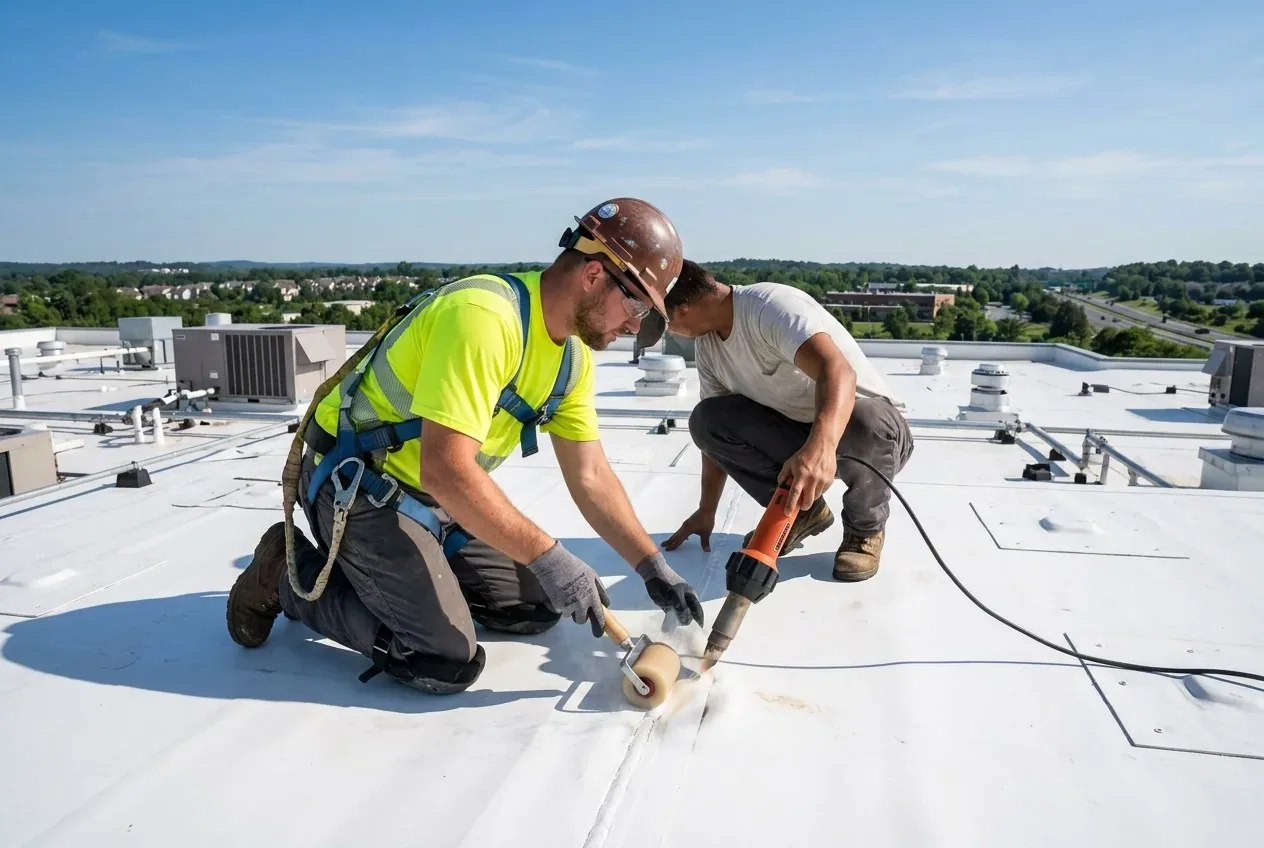
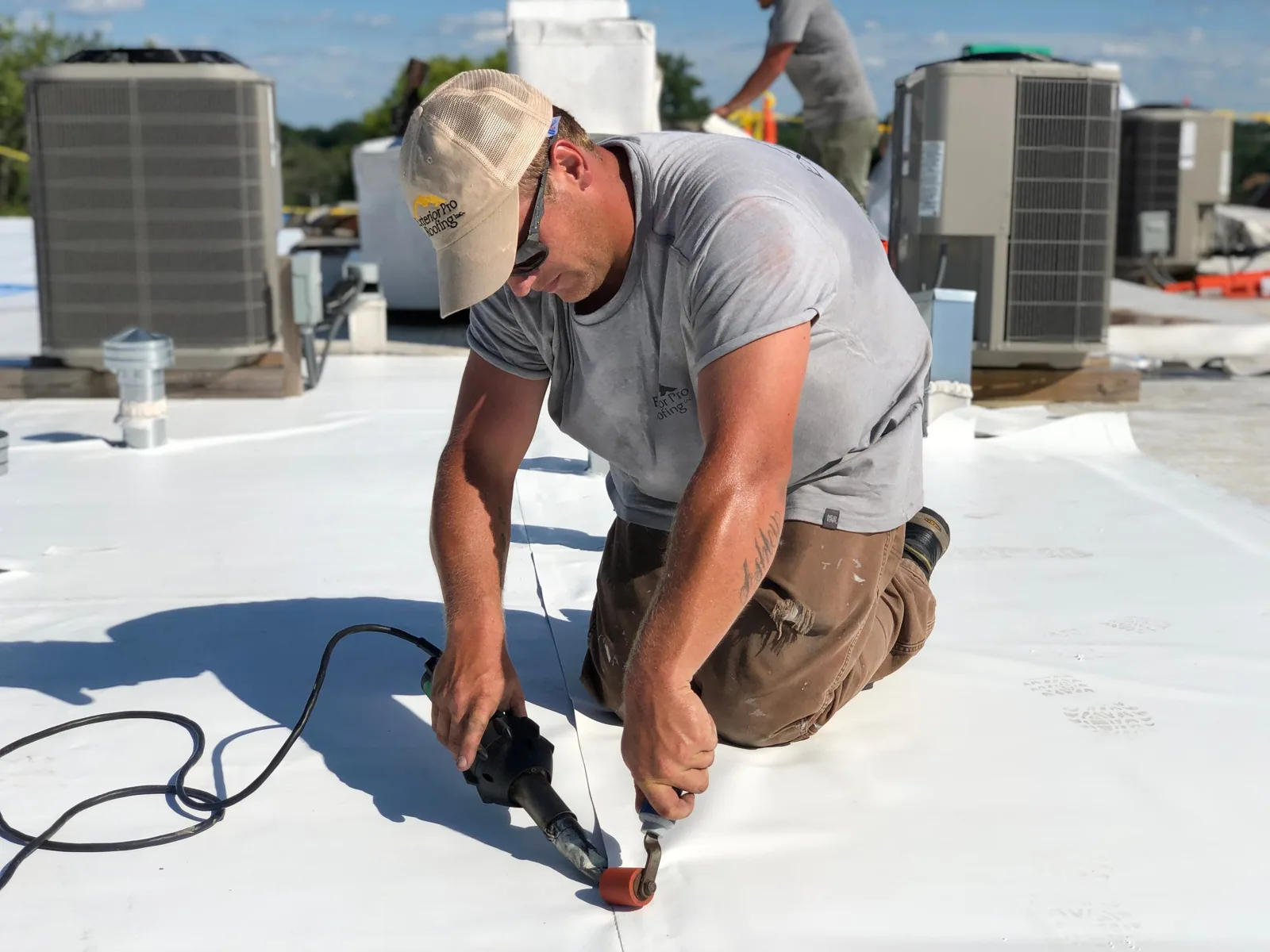
Johns Manville provides bituminous commercial roofing and single-ply choices in PVC, EPDM and TPO, and each method has its own product requirements. We identify the material at the problem area from the roof itself and any records. An old repair or later change may need different prep, and an unknown coating gets checked before we rely on it.
Our modified bitumen roofing work looks at the layers involved. Other Johns Manville products have their own requirements for the job planned. What's actually installed matters as much as the brand.
For a local repair, we check enough of the surrounding roof to find a solid place to stop. The damage may need prep or rebuilding past its visible edge, and we measure that and explain why it's needed. If a wall or HVAC contractor has to do part of the work first, it stays on their list before roofing depends on it.
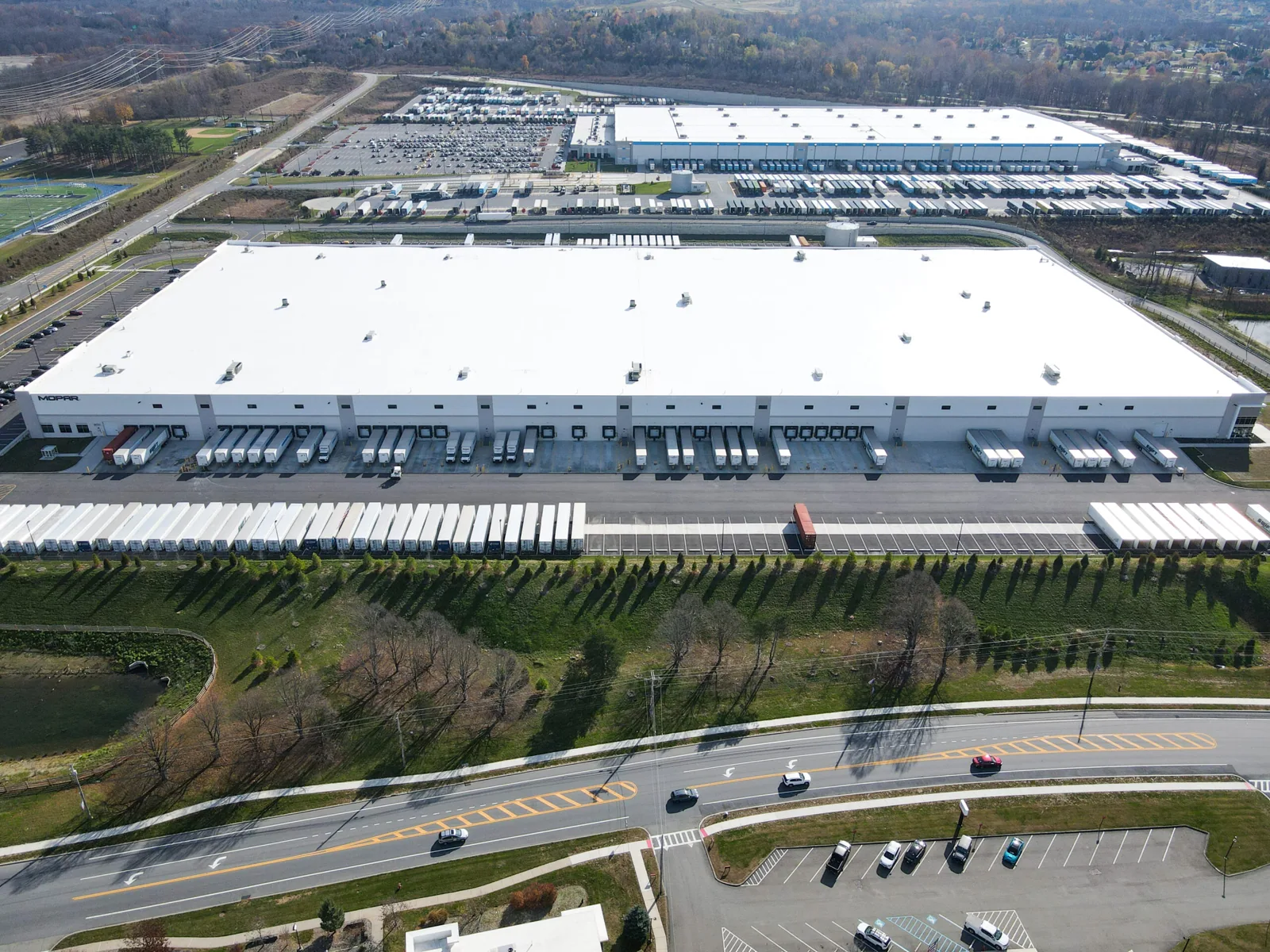
A Taller Roof Needs Room at Every Detail
A bigger project should be measured against the real heights of walls, drains and curbs. Thicker insulation can leave too little room for proper flashings, and any adjustment is part of that option. Mechanical and structural teams keep control of their equipment supports, and we explain the flashing detail that has to tie into what they install.
Our roof insulation and cover board work includes the prep the option needs. The existing roof has to suit the planned system and attachment, and any structural question gets an engineer's review.
We define what needs to be known about the existing roof before deciding to keep it or tear it off. Core cuts need approval and protection. A single core describes its own spot; a larger proposal needs testing across the area. Tear-off includes disposal and rebuilding, and a recover includes its prep and detail changes.
The Address and Delivery Route Go Together
A building near Milliken and another along Route 66 (Foothill Boulevard) may give us very different work areas. We confirm the address and site contact and share our plan for unloading, lift placement and getting material to the roof. The approved route goes into the price, and it's often not the same entrance customers or office staff use.
A roofing project in Cucamonga includes the agreed handling. Extra moves or a different lift spot add cost, and debris removal and staging follow the same plan.
We find out who can approve changes if the property's activity changes. Another part of the building may need its own access method, and that stays tied to its phase even when materials are bought together. The schedule depends on the roof being ready and any other permission the work area needs.
Every Repair Needs a Confirmed Cause
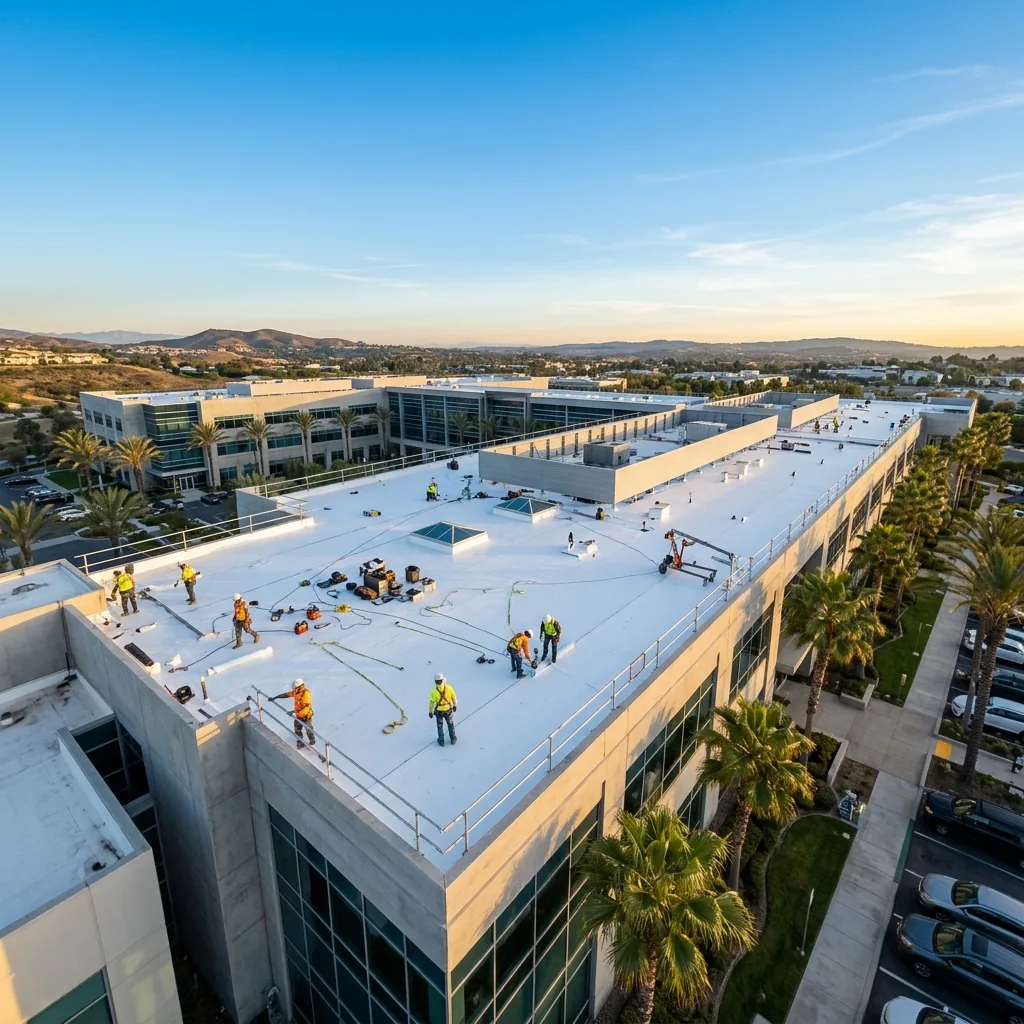
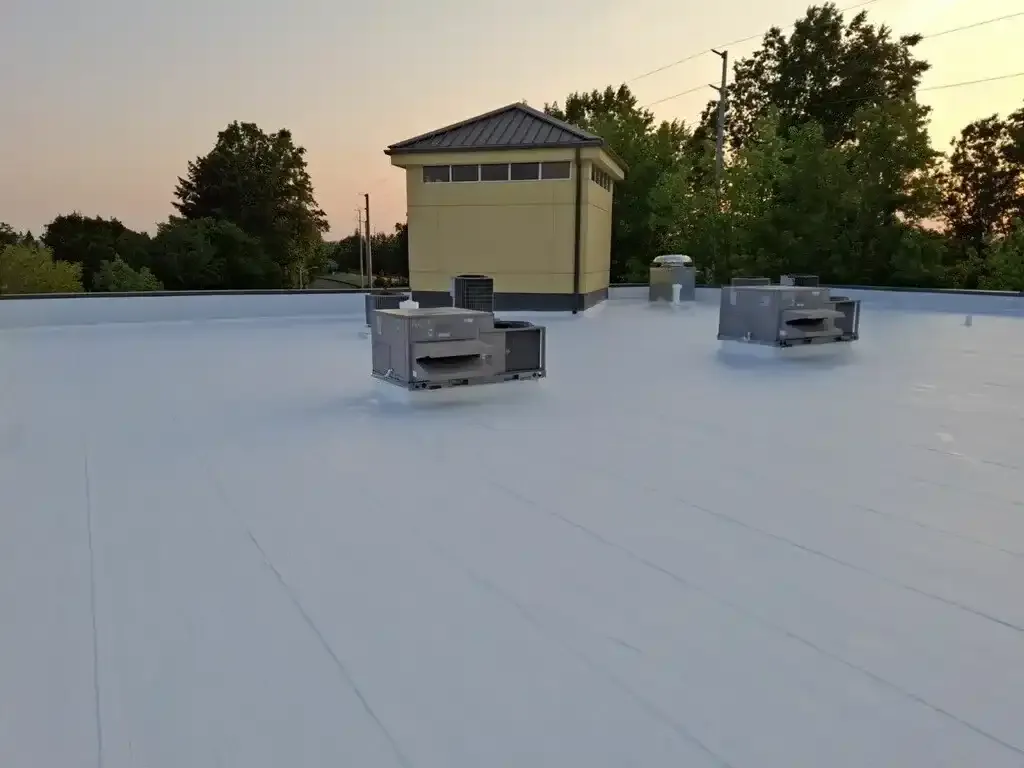
We compare where and when a leak shows up inside with the roof and walls above. Water can travel before it drips. If a wall or HVAC line might also be involved, that gets its own investigation. The repair names the leak path it fixes, and we don't stretch the roofing scope to cover something we haven't checked.
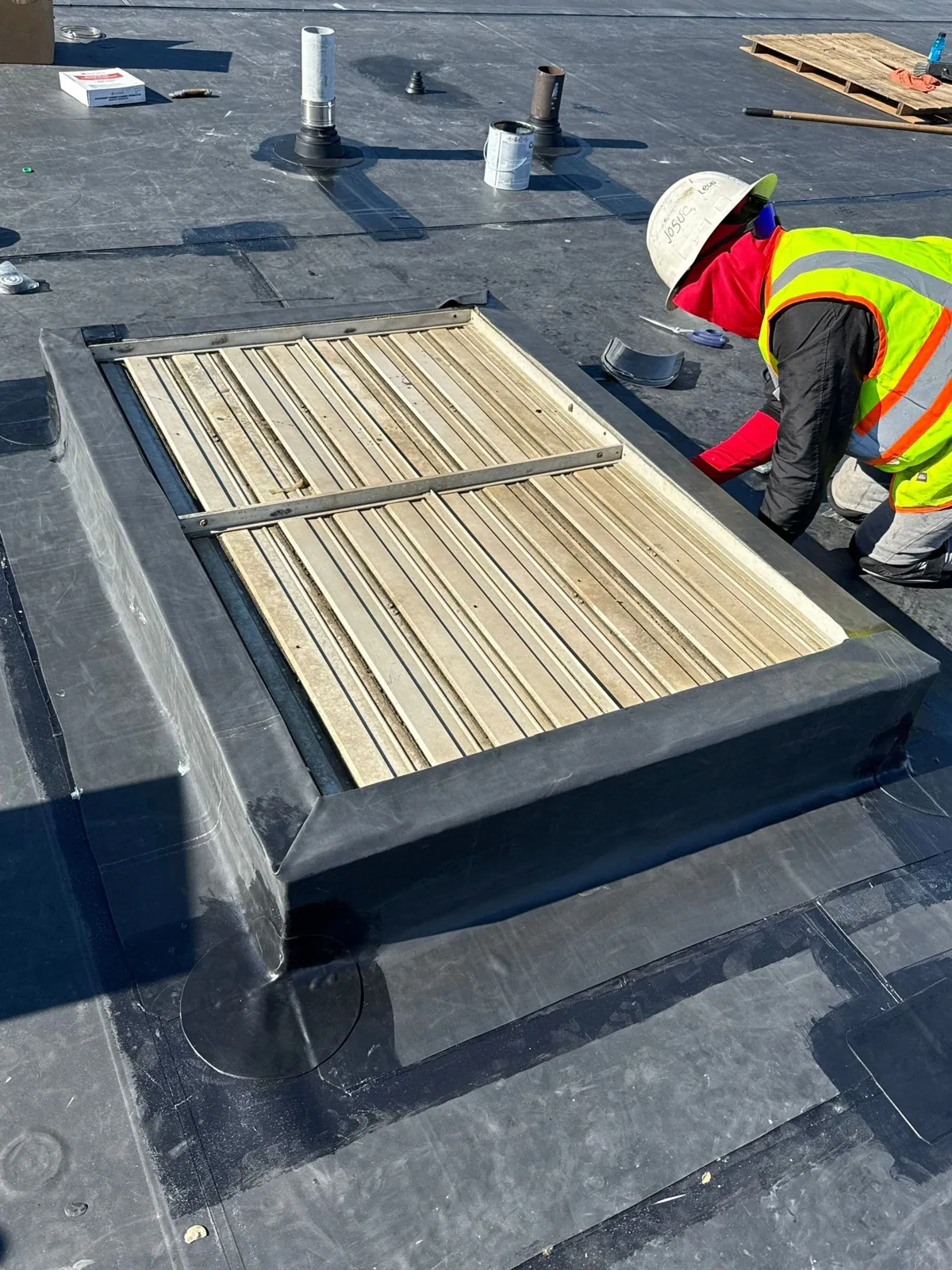
Our commercial roof repair work identifies sound membrane for the new repair to bond to. Old patches and coatings affect prep, and we check the product requirements against what the repair is actually going onto.
At a worn seam or flashing, we measure the tear-out and rebuilding needed to reach good material, and that's in the repair price. A test can help when there's a clear question, your approval and a way to protect the opening. Results apply only to the spots tested, and they feed into the decision at hand.
The Operator Approves the Work Area
We give the property operator our plan for tear-off, staging and material moves. They identify the spaces affected and approve the separation and protection. Equipment shutdowns may need their own approval and restart plan. The roofing scope includes that arrangement, and any open operating decision is settled before the work window is treated as ready.
GAF roofing and Holcim Elevate roofing options need their own systems identified. Compare complete scopes, with access and prep included, rather than using brand names as a stand-in for the method.
If there's a warranty, we review its requirements for the planned repair or system. Notice and approval steps are followed where they apply, and coverage depends on the actual terms. Any paperwork you need to file is listed as a next step, along with the completion records that show what was done.
The Record Shows What the Price Delivered
We confirm the permit and approval review needed for the planned system and related work at the address. California Energy Code compliance options and exceptions are checked for that specific job. Seasonal heat and rain shape the first schedule, and Santa Ana forecasts matter for safe material handling. Each surface is prepped to the product's requirements, and anything waiting on another trade stays protected until it can be finished.
Your property contact can request an inspection after hours, on weekends or on holidays; tell us which section is affected and how to get on the roof. Emergency work needs available crew and a safe place to work. We explain what the temporary fix will do, and the next decision still includes the permanent repair or testing the findings call for.
If hidden damage changes the repair, we show you where it is and how we'd rebuild it, with the extra cost and any effect on the operator's schedule, for approval. Approved changes are kept with the installed materials and finished details. Any unfinished service, wall or paperwork item keeps its next step, so a later review can see the permanent roofing delivered and what's still to decide.
Commercial Roofing Questions
What needs identifying on an existing Johns Manville roof?
The specific product and system at the problem area, based on the roof and any documents. Old repairs or coatings may need their own prep check.
How can a new assembly height change the expense?
Thicker insulation raises the roof, which can leave drains, wall flashings and curbs too short. We measure them and include the adjustments in that option's price.
What belongs in the material handling allowance?
The approved unloading and lift setup, getting material to the roof and removing debris. Extra moves can change the total cost.
How is a local repair tied to its supported purpose?
We compare when the leak happens with what we find on the roof and walls, explain which leak path the repair fixes, and refer any other possible source for further checking.
What is reviewed where a warranty document is involved?
The actual warranty terms and their requirements for the work, plus any notice or approval steps. Any paperwork still owed is listed alongside the completion records.
Get Your Johns Manville Roof Work Fully Priced
Schedule a roof walk with your property manager. We'll explain the repair we recommend and what we need to know before choosing a larger project.